How to Find Your Personal Style: A Chic Step-by-Step Guide


Personal style is not about having the most clothes or knowing every trend. It is about walking into a room and feeling entirely, unmistakably yourself. If you have ever stood in front of a full closet thinking you have nothing to wear, the problem is not quantity. It is clarity. Learning how to find your personal style is the most elegant shortcut in fashion: once you know what is you, getting dressed becomes effortless, shopping becomes surgical, and every outfit feels intentional. Let us find yours.
How to Find Your Personal Style: What It Actually Means
Forget the myth that style is something you are born with. Personal style is simply a consistent visual language: the silhouettes, colors, textures, and details you return to because they feel right. It is the difference between wearing clothes and having a point of view.
Style is also not fashion. Fashion is the industry’s seasonal suggestion; style is your personal edit of it. The most stylish women I know are not the trendiest. They are the most consistent. They know their lines, their palette, their signatures, and they repeat them with confidence. That consistency is what reads as chic.
Step 1: Audit Your Closet Like an Editor
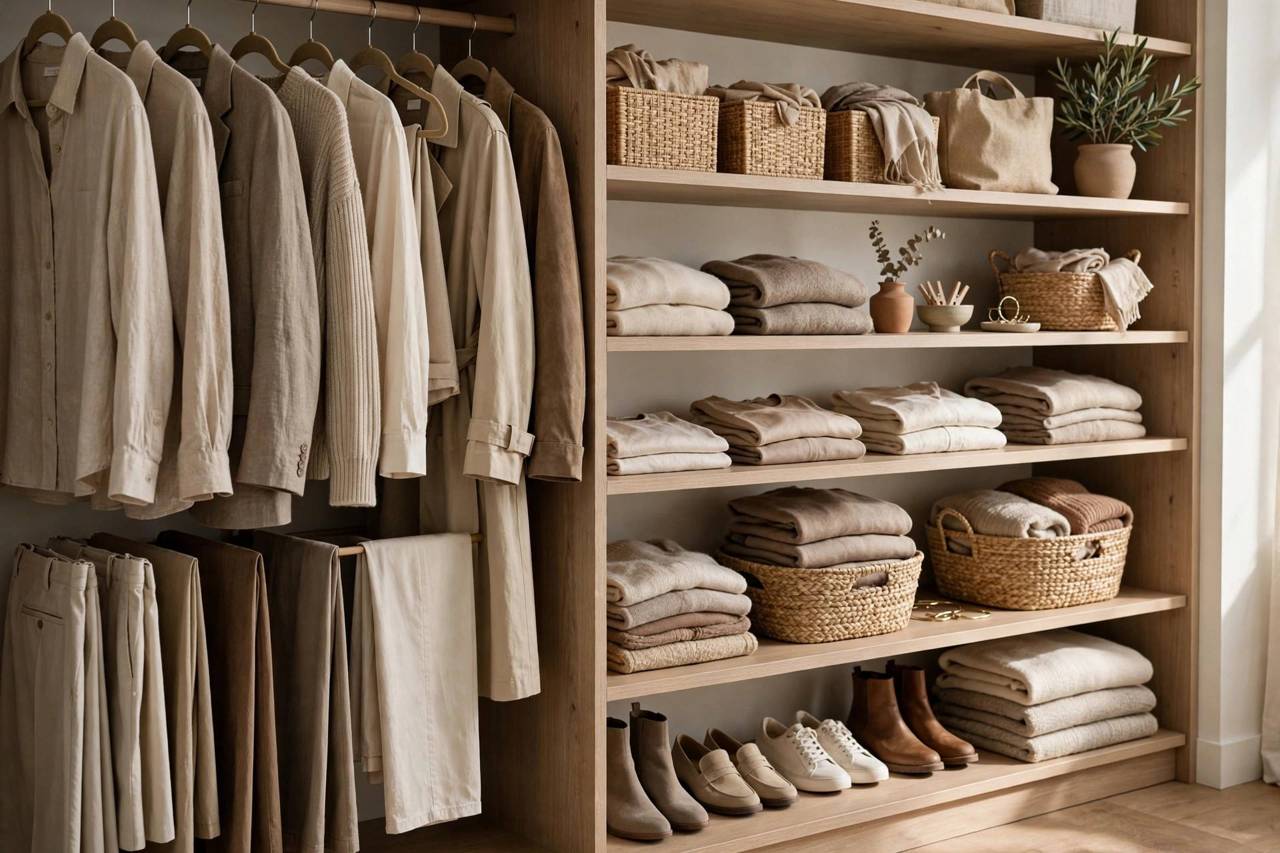
Before buying a single thing, investigate what you already own. Pull everything out (yes, everything) and sort into three piles: love and wear constantly, like but rarely wear, and never wear. Be ruthless with the third pile; it is data, not failure.
Now study the first pile. What do these pieces have in common? A color family? A silhouette, say, high waists and cropped lengths? A fabric, like silk or denim? A mood, polished, relaxed, edgy? Write down the patterns. Your most-worn clothes are already telling you your style. You just have not been listening.
Then interrogate the “like but rarely wear” pile. Usually the answer is fit, lifestyle mismatch, or missing companions (the gorgeous top with nothing to pair it with). This pile reveals your aspirational self versus your actual life, and closing that gap is the whole game.
If your wardrobe feels chaotic after the audit, building a capsule wardrobe is the perfect next step: a tight, coordinated collection where everything works together.
Step 2: Collect Inspiration With Intention
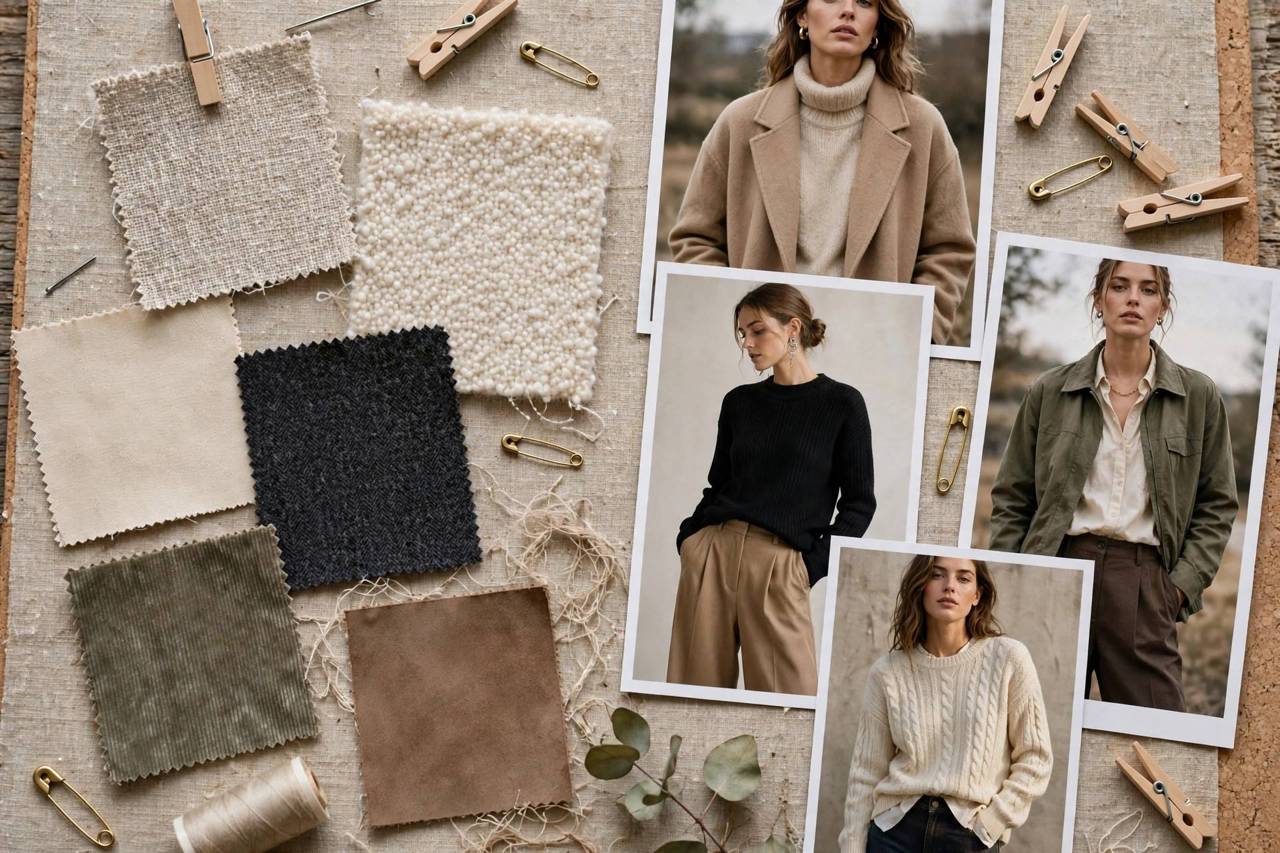
Create a dedicated inspiration board, digital or physical, and save every outfit image that makes you pause. Do this for two weeks without analyzing. Then look at the collection as a whole and hunt for threads: recurring colors, similar proportions, a repeated vibe.
The key discipline: save what you genuinely love, not what you think you should love. If your board is full of minimalist Scandinavian looks but your life is colorful and maximalist, believe the life, not the aspiration. Also notice whose style you admire in real life, not just online. The friend whose outfits always look right is a better reference than a styled photoshoot.
Give your emerging style three words. Classic examples: “polished minimal edgy,” “romantic vintage modern,” “sporty chic refined.” Three words are specific enough to guide decisions and loose enough to evolve. When shopping, ask: does this fit my three words? If not, it stays on the rack.
Step 3: Understand Your Lines, Colors, and Lifestyle
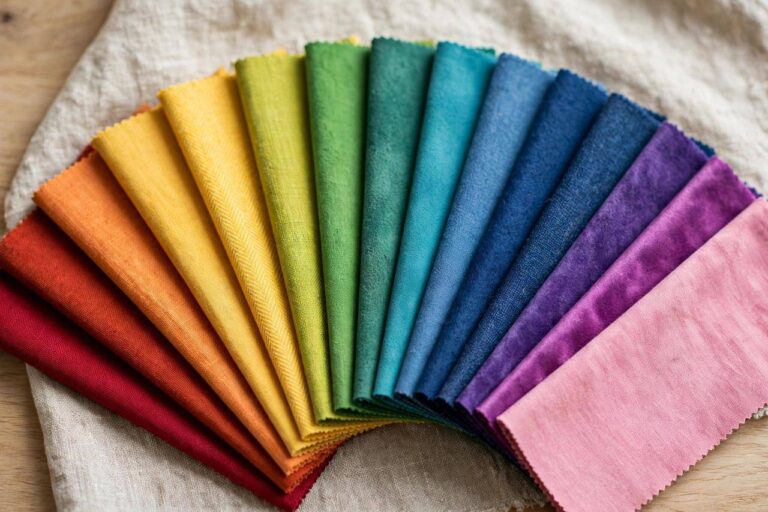
Style lives at the intersection of three realities. Your body: which silhouettes make you feel incredible? Forget “flattering rules” from magazines; notice what you reach for on days you feel amazing. Your coloring: which shades make your skin glow? Hold fabrics to your face in natural light. The right colors need less makeup to look radiant. Your life: be honest about your actual days. A wardrobe of stilettos for a life spent on playgrounds is a costume, not a style.
The magic happens when all three align. A woman whose life is creative, whose coloring sings in warm tones, and whose body loves fluid silhouettes has the beginnings of a bohemian-luxe style. Write your own equation.
Step 4: Identify Your Signature Pieces
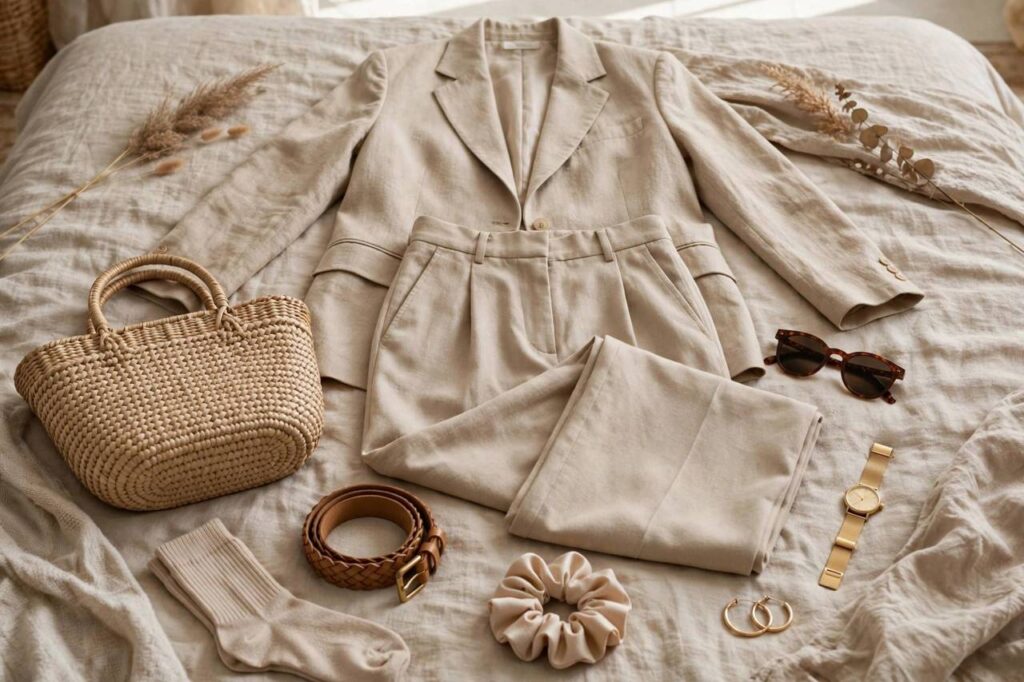
Every memorable style has signatures: the elements people associate with you. Think of them as your style’s punctuation marks. A signature might be a great blazer, red lipstick, layered gold jewelry, ankle boots, a particular bag, or an impeccable white shirt.
Choose two or three signatures deliberately. They simplify getting dressed enormously, because a signature piece anchors any outfit. Jeans, tee, and your blazer is not a boring outfit; it is a uniform, and uniforms worn with intention look incredibly chic.
Signatures also make shopping joyful instead of overwhelming. You are not browsing aimlessly; you are hunting for the perfect iteration of your thing. Collectors are happier shoppers than browsers.
Step 5: Shop Strategically, Not Emotionally
With your three words and signatures defined, shopping transforms. Keep a running list on your phone of specific gaps: “black ankle boots, low heel,” “cream silk blouse.” Buy only what is on the list. This one habit will save you more money than any sale ever has.
Apply the three-outfit rule: never buy a piece unless you can immediately picture three outfits with clothes you already own. The orphan top that matches nothing is how closets become graveyards. And give new purchases a 48-hour mental hold for anything over your personal splurge threshold. If you are still thinking about it two days later, it is probably right.
Invest where it counts: shoes, bags, outerwear, and tailoring. These carry outfits and last years. Save on trend-driven pieces you will wear one season. And tailor everything worth keeping; a $30 alteration makes a $100 dress look like $500.
Step 6: Experiment in Low-Stakes Ways
Finding your style requires experimentation, but it does not require expensive mistakes. Test new directions with accessories, a scarf, a belt, a lip color, before committing to a whole silhouette. Borrow from friends. Try rental services for occasion wear. Thrift the experiment; invest in the conclusion.
Take photos of your outfits for a month. This sounds vain; it is actually data collection. You will spot instantly which outfits look like you and which look like you playing dress-up. The camera does not lie, and patterns emerge fast.
Give experiments a fair trial: wear a new direction three times before judging. The first wear always feels like a costume. By the third, you know whether it is you or not.
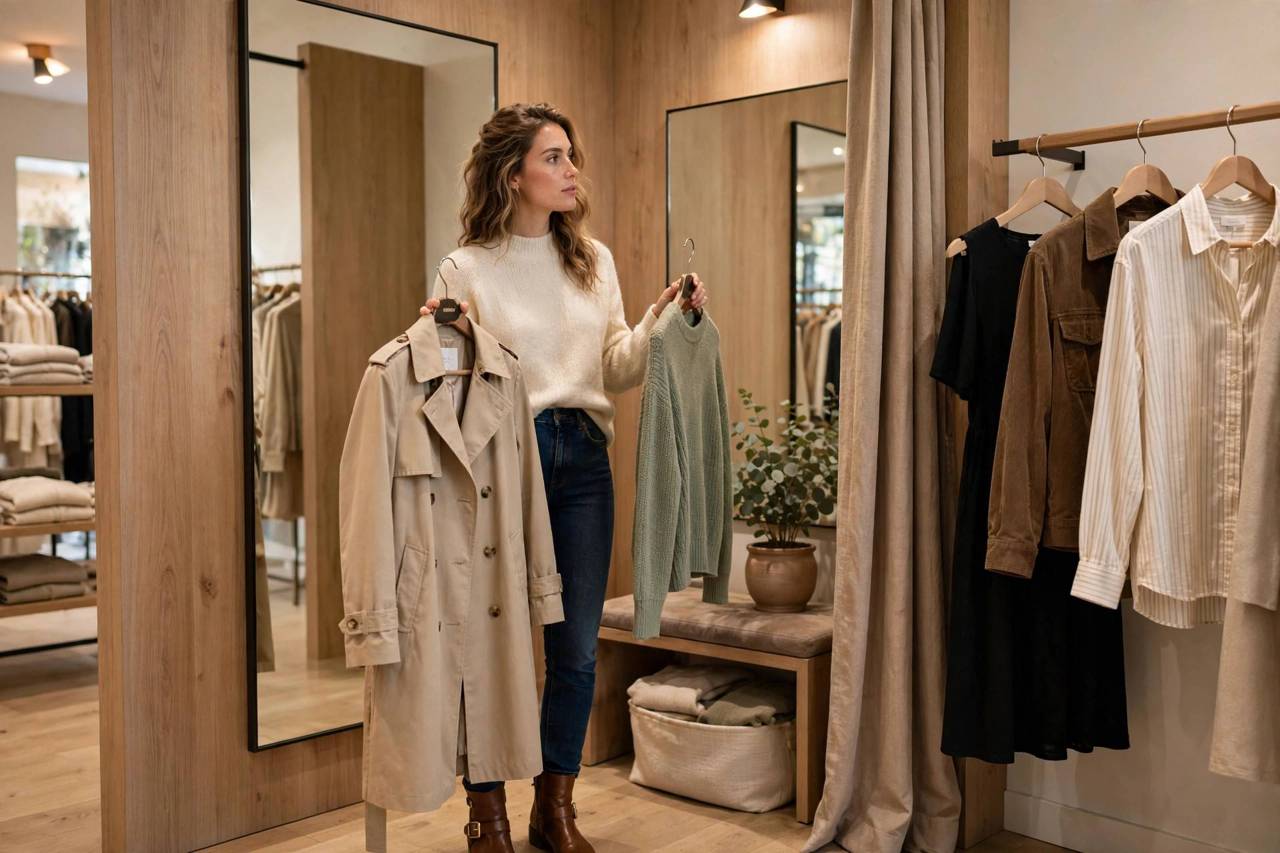
Step 7: Refine, Repeat, Evolve
Personal style is not a destination; it is a practice. Do a mini closet audit each season: what did you actually wear? What gathered dust? Your three words may shift as your life does, a new job, a new city, a new decade, and that is not inconsistency. It is growth.
The goal was never a perfect wardrobe. It is the quiet confidence of knowing what works for you, the ease of a closet where everything belongs, and the pleasure of getting dressed as self-expression rather than stress. That is style. And it was yours all along; you just needed to articulate it.
If a special occasion is accelerating your style journey, our guide on how to find your wedding dress style applies the same principles to the most important outfit you will ever choose.
Style Icons Worth Studying (and What to Steal From Each)
Studying people with great style is research, not copying. Here is what to observe in a few archetypes. The minimalist (think Carolyn Bessette-Kennedy): notice the discipline. A limited palette, perfect tailoring, zero clutter. Steal the restraint, not the exact pieces. The maximalist (think Iris Apfel): notice the joy. Pattern, color, and accessories piled with confidence. Steal the courage to commit fully rather than hedging. The uniform dresser (think Steve Jobs or Anna Wintour’s bob-and-sunglasses): notice the freedom that comes from deciding once. A personal uniform eliminates daily decisions. Steal the concept, adapted to your life.
The vintage lover: notice the patience. Great vintage style is built slowly, piece by piece, which is why it looks personal rather than purchased. Steal the long game mentality. The street-style star: notice the proportions. Oversized with fitted, long with cropped, the interplay of volumes is what makes simple clothes look striking. Steal one proportion trick and test it.
The point of studying icons is never to become them. It is to build your visual vocabulary so your own choices get sharper. Save images of details you love, a way of rolling sleeves, a color combination, a bag worn crossbody, and translate the principle into your wardrobe. Style fluency comes from observation plus experimentation, and both are free.
One final thought: the women with the most compelling style are rarely the ones with the most clothes. They are the ones who know themselves well enough to say no to 90 percent of what the fashion world offers. That discernment is the real luxury, and it costs nothing. Start your audit this weekend. Your future self, getting dressed in five joyful minutes every morning, will thank you.
Key Takeaways
To find your personal style, audit your closet for patterns in what you actually wear, collect inspiration and distill it into three words, align your choices with your body, coloring, and real lifestyle, choose two or three signature pieces, shop only from a gaps list with the three-outfit rule, experiment cheaply through accessories and photos, and refine seasonally. Style is consistency, not trendiness, and it evolves as you do.
FAQ
How long does it take to find your personal style?
Expect a few months of conscious attention: a closet audit, a few weeks of collecting inspiration, and a season of intentional outfits. Most people feel a real shift within three to six months.
What are the main personal style types?
Common categories include classic, minimalist, bohemian, edgy, romantic, sporty, and eclectic, but most people are a blend. Your three-word style formula matters more than any category label.
Can your personal style change?
Absolutely, and it should. Style evolves with your life, career, body, and tastes. Seasonal mini-audits keep your wardrobe aligned with who you are now, not who you were five years ago.
How do I find my style on a budget?
Start with the free steps: closet audit, inspiration board, and three words. Then thrift experiments, tailor what you own, and buy only specific gaps. Clarity saves more money than sales do.
What if I like too many different styles?
That is normal. Look for the thread connecting them: maybe it is a color palette, a level of polish, or an attitude. Your three words can bridge seemingly different aesthetics into one coherent style.