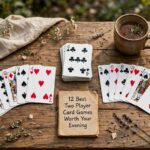
Best Card Games for Two Players: 15 Games Worth Your Evening

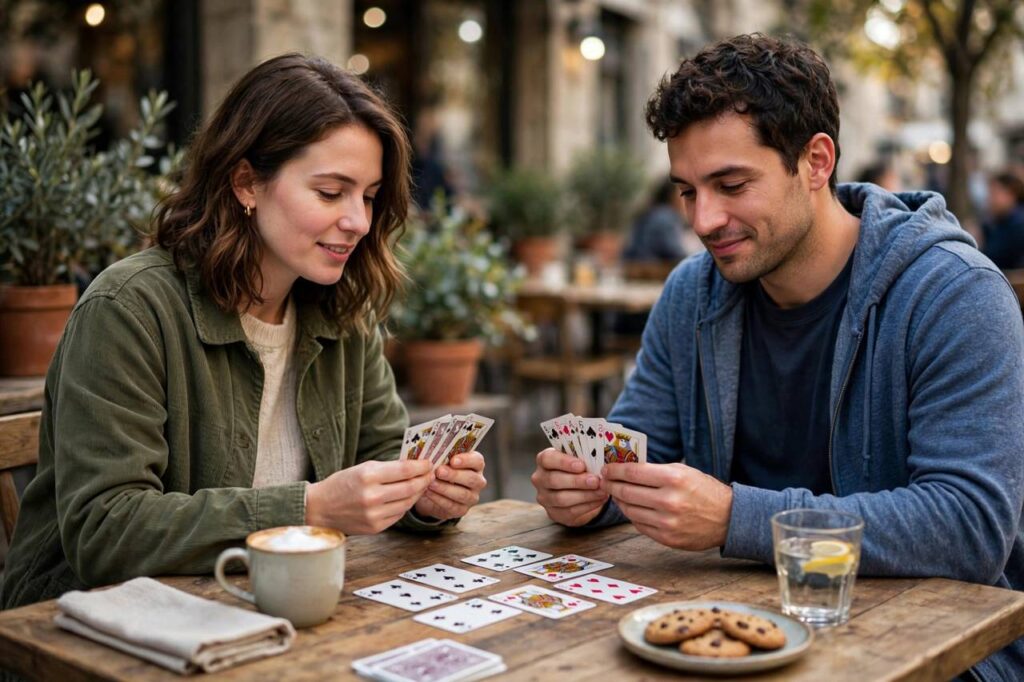
Two players, one deck (or a small box), and an evening with nothing else to do. That is one of my favorite setups in all of gaming. But here is the problem: most card games are designed for 3+ players and feel broken or boring with two. The best card games for two players are built for duels, tuned for tension, and balanced so every match feels close. Whether it is date night, a quiet evening with a friend, or you and a family member, these 15 picks will not disappoint.
Best Card Games for Two Players: What Makes a Great One?
Two-player games live or die on three things. Zero downtime: with only two players, you are always involved; the best games keep both brains engaged on every turn. Meaningful decisions: no multiplayer politics to hide behind, so the game itself must provide the tension. Every card should matter. Rematch factor: the best two-player games make you immediately say “again?” A great duel ends with both players already shuffling.
My other rule: teach time under ten minutes. If explaining the game takes longer than playing the first round, it is not a weeknight game. Save the epics for the weekend.
Quick Duels: 15-30 Minutes of Glory
Schotten Totten (aka Battle Line). My number one pick. Claim stones by playing stronger three-card poker-like formations than your opponent. Simple rules, brutal decisions, endlessly replayable. The perfect 20-minute duel.
Jaipur. A trading game for two: collect goods, sell at the right moment, manage your camel herd. Elegant, fast, and the market timing decisions are delicious.
7 Wonders Duel. The two-player version of the classic, rebuilt from scratch for duels. Draft cards from a pyramid, build your civilization, win by military, science, or points. Deeper than it looks, taught in 15 minutes.
Love Letter. Sixteen cards, five minutes per round, infinite mind games. Deduce, bluff, and eliminate. The ultimate filler game; play best-of-five while dinner cooks.
Air, Land & Sea. A tiny-box tug-of-war across three theaters of battle. Eighteen cards, huge decisions, and the retreat mechanic (folding to limit losses) adds brilliant poker-like tension.
Deeper Strategy: When You Want a Real Battle
Star Realms. A deck-building duel in space: buy ships, attack your opponent’s bases, and thin your deck ruthlessly. Cheap, fast, and the combos feel incredible. The gateway to deck-builders.
Dominion (2-player). The original deck-builder plays excellently with two, more controlled and strategic than with four. Build an engine, buy victory points, curse your opponent. Hundreds of card combinations keep it fresh for years.
Patchwork. A Tetris-like quilting duel that sounds gentle and plays cutthroat. Draft patches, manage your buttons (currency) and time track, and cover your board. Deceptively deep; couples argue about this game, lovingly.
Targi. A worker-placement duel set in the desert. Place your tribesmen on grid intersections to claim goods, trading at the margins. One of the best-designed two-player games ever made, and criminally underappreciated.
Cooperative Card Games: Win Together
Sometimes you want to team up instead of duel:
The Crew: Mission Deep Sea. A cooperative trick-taking game with 50 missions of escalating difficulty. If you both know any trick-taking (hearts, spades), you will learn it in minutes and play it for months.
Hanabi. You hold your cards backward and can only see your partner’s. Give limited clues, play cards in order, avoid the fireworks fiasco. A masterpiece of communication under constraints.
The Fox in the Forest Duet. A cooperative trick-taking game designed specifically for two, with a lovely movement mechanic across a forest path. Gentle, clever, beautiful.
Classics With a Standard Deck
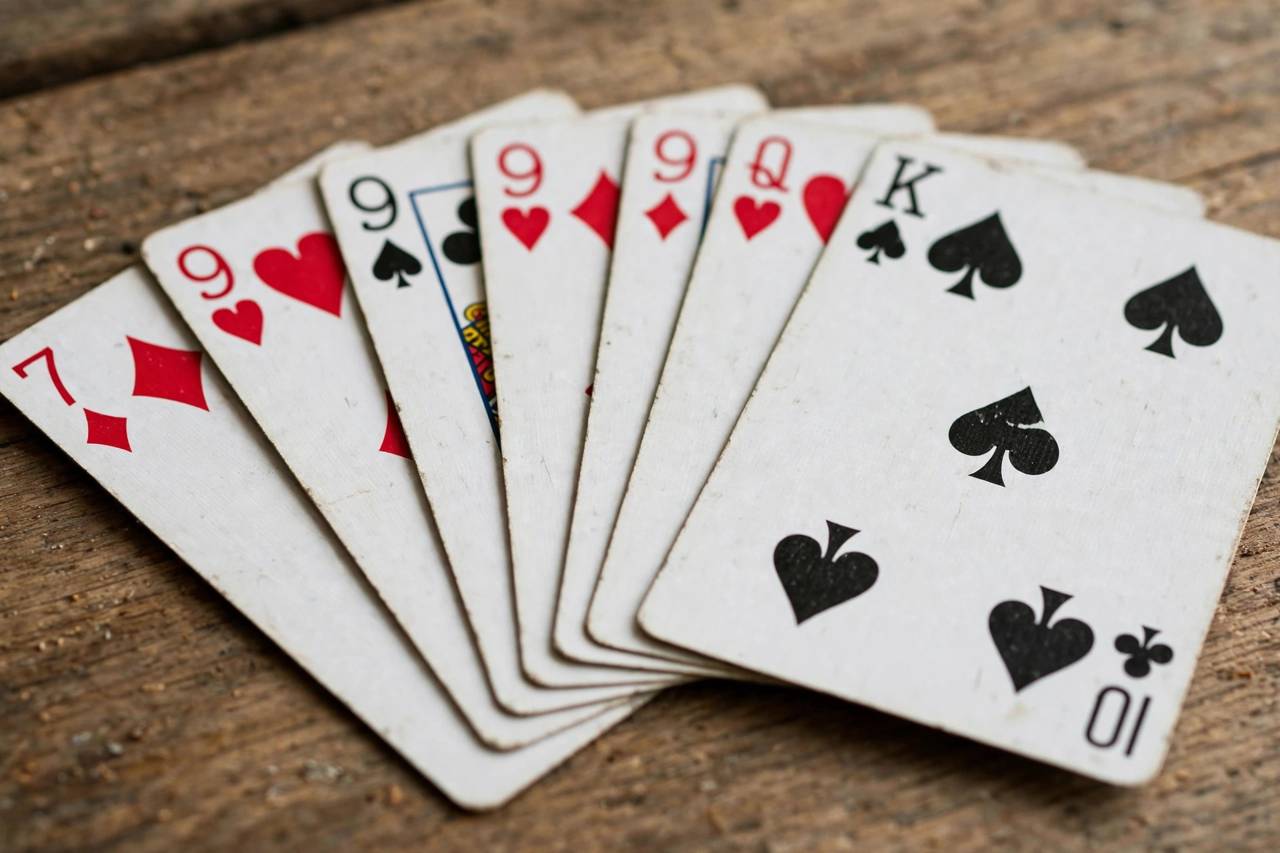
Do not overlook the 52-card deck you already own. Gin Rummy remains the king of two-player classics: draw, discard, build sets, knock strategically. Cribbage combines card play with a pegging board and delightful scoring quirks. Lost Cities (needs its own deck but plays like a classic) is the expedition-betting duel that launched a thousand game nights.
Standard-deck games have a superpower: zero setup, zero cost, infinite availability. Learn three well and you will never be bored at a restaurant table again.
Best Two-Player Card Games by Occasion
Date night: Patchwork, Jaipur, Fox in the Forest Duet. Intimate, conversational, not too confrontational (unless your relationship thrives on it).
Travel: Love Letter, Air Land & Sea, The Crew. Tiny boxes, big games, playable on trains and in cafes.
With kids (8+): Sleeping Queens, Uno (yes, it works with two), and Love Letter. Short, lucky enough for kids to win sometimes, strategic enough for adults.
Game night warm-up: Love Letter best-of-five or a lightning round of Air, Land & Sea while waiting for others to arrive.
Deep evening: 7 Wonders Duel, Targi, or a Star Realms best-of-three. Settle in; these reward full attention.
How to Teach a New Card Game in 5 Minutes
The teach makes or breaks the evening. Start with the goal: “We are trying to score the most points by…” Everything else hangs on that frame. Show, do not lecture: deal a sample round and play it open-handed, narrating decisions. Teach the turn structure first, details later: “On your turn you do one of these three things” covers 80 percent of most games. Skip edge cases until they arise; front-loading exceptions confuses everyone. Play a learning round where take-backs are allowed, then reset and play for real. Five minutes, zero glazed eyes, maximum fun.
Building Your Two-Player Collection
You do not need all fifteen games. A perfect two-player shelf has just four: one lightning filler (Love Letter), one tactical duel (Schotten Totten or Jaipur), one deeper strategy game (7 Wonders Duel or Targi), and one co-op (The Crew or Hanabi). That quartet covers every mood, from five-minute warm-ups to full-evening battles, for under $100 total.
Buy in that order. The filler proves the habit; the duel builds the rivalry; the strategy game deepens it; the co-op saves the relationship on competitive nights. Add a standard deck’s worth of classics (gin rummy, cribbage) for free, and you have a lifetime of two-player gaming. Resist the collector’s urge to own everything; played games beat shelved games every time.
Digital Card Games for Two
Physical cards are lovely, but digital options shine for distance gaming and learning. Star Realms has an excellent app with online multiplayer, perfect for playing a partner across the country. 7 Wonders Duel and Patchwork both have polished digital versions that enforce rules automatically, great for learning before buying physical.
For pure digital natives, games like Slay the Spire’s daily climbs (asynchronous competition) or the countless two-player implementations on Board Game Arena let you play hundreds of titles in a browser. Digital cannot replace the tactile joy of shuffling, but it is unbeatable for trying before buying and for keeping a long-distance game night alive. The best collection is the one that gets played, whatever the medium.
House Rules Worth Adopting
A few table rules elevate every two-player session. The learning game does not count: first play of anything new is practice, take-backs allowed, no score kept. This removes the fear of losing while learning and gets new games to the table faster. Loser picks next: the loser of a match chooses the next game, which keeps variety alive and gives the defeated a graceful path to revenge.
Best-of-three for short games: single games of Love Letter or Air, Land & Sea can swing on luck; best-of-three reveals the better player and feels more satisfying. Phone basket: both phones face-down across the room. Two-player games die the moment one player checks a notification mid-turn. Protect the sacred duel.
When to Upgrade Your Collection
Your four-game starter shelf will eventually feel small, and that is a good sign. Upgrade when: you have played your main duel 50+ times and can predict each other’s moves (add Targi or Star Realms for new systems), your co-op feels solved (try a campaign game like Pandemic Legacy), or a specific itch emerges, more bluffing, more engine-building, more theme.
Do not upgrade when: you are bored of losing (that is a skill issue, and a new game will not fix it), you have unplayed games on the shelf (play what you own first), or the new game is just shinier rather than different. The best collections grow slowly and intentionally, each addition earning its place through dozens of plays. Depth of play beats breadth of shelf, every time. The games you know deeply, with all their strategies and stories, will always outshine the shiny box you have never opened.
Key Takeaways
The best card games for two players are designed for duels: zero downtime, meaningful decisions every turn, and instant rematch appeal. Start quick evenings with Schotten Totten, Jaipur, or Love Letter; go deeper with 7 Wonders Duel, Targi, or Star Realms; team up with The Crew or Hanabi; and never underestimate a standard deck (gin rummy, cribbage). Match the game to the occasion, teach in five minutes by playing open-handed, and always leave time for “just one more game.” Because in the end, the best two-player games are not really about the cards at all; they are about the person across the table.
FAQ
What is the best card game for two players?
Schotten Totten (Battle Line) is the consensus top pick for a pure duel: 20 minutes, simple rules, deep decisions. Jaipur and 7 Wonders Duel are close contenders depending on your taste.
What card games can you play with just two people?
Designed-for-two games like Jaipur, Patchwork, 7 Wonders Duel, and Schotten Totten shine brightest. Classics like gin rummy and cribbage work perfectly with a standard deck, and co-ops like The Crew and Hanabi are great team options.
What is a good two-player card game for beginners?
Love Letter (5 minutes to learn), Jaipur (elegant trading), and Air, Land & Sea (tiny box, big decisions) are all teachable in under 10 minutes and fun from the first play.
Are there cooperative card games for two players?
Yes. The Crew (trick-taking missions), Hanabi (backwards-card deduction), and Fox in the Forest Duet (cooperative trick-taking for two) are all excellent team-up options.
How long do two-player card games take?
Most play in 15-45 minutes: Love Letter in 5-15, Jaipur and Schotten Totten in 20-30, 7 Wonders Duel and Targi in 30-45. Perfect for weeknights, with time for rematches.
Keep Reading
- Best Card Games for Adults: The Definitive Play-Tested List
- How to Recover Deleted Photos from an SD Card
- How Many Players on a Baseball Team? Roster Rules Explained