

The fitness industry has made post-workout nutrition sound like rocket science. Anabolic windows, precise macro ratios, seventeen supplements — most of it is marketing designed to sell you powder. Here’s what I tell my clients: eat a real meal with protein and carbs within a couple of hours of training. That’s 90% of it.
Your body after training is primed to refuel. Exercise depletes glycogen (your muscles’ stored fuel) and creates tiny muscle damage that protein helps repair. Eating well after workouts supports recovery, but it doesn’t require a stopwatch or a chemistry degree.
Let’s keep this practical — what to eat, when, and how much it actually matters.
Table of Contents
- Why Post-Workout Nutrition Matters
- The Two Priorities: Protein and Carbs
- How Much Protein Do You Need?
- Don’t Fear Carbs After Training
- Timing: The “Anabolic Window” Myth
- Easy Post-Workout Meals
- Quick Options When You’re Busy
- Hydration and Electrolytes
- What to Avoid
- Frequently Asked Questions
Why Post-Workout Nutrition Matters
Training is controlled damage. Resistance training creates micro-tears in muscle fibers; endurance work burns through glycogen stores. Recovery — the process where you actually get stronger and fitter — runs on nutrients.
Eat well after training and you: replenish fuel stores faster, provide building blocks for muscle repair, reduce next-day soreness (somewhat), and set up better performance in your next session. Skip eating entirely on a regular basis and recovery lags, progress stalls, and you feel wrecked far more often.
None of this requires perfection. It requires consistency — the same principle behind building muscle at home or anywhere else. Good enough, done regularly, beats perfect, done occasionally.
The Two Priorities: Protein and Carbs
Forget everything else for a moment. Post-workout, two things matter:
Protein provides amino acids — the raw materials for muscle repair and growth. Without adequate protein, your body can’t fully capitalize on the training stimulus.
Carbohydrates replenish glycogen. This matters most after long or intense sessions (90+ minutes, hard intervals, heavy leg days). After a moderate 45-minute workout, your normal meals cover it.
Fat and fiber are fine in the meal too — just don’t make the meal so heavy and slow-digesting that you feel sick. A balanced real meal beats a “perfect” macro formula you won’t actually eat.
How Much Protein Do You Need?
For active people, aim for roughly 1.6–2.2g of protein per kg of bodyweight per day (0.7–1g per pound). That’s your daily target — the post-workout meal is just one contribution toward it.
In practical terms, a post-workout meal with 25–40g of protein covers most people. Examples: a chicken breast, a large serving of Greek yogurt, 3–4 eggs, a scoop and a half of whey, or a generous portion of lentils/tofu for plant-based eaters.
If your total daily protein is on point, the exact post-workout amount matters less. People obsess over the post-workout shake while eating 60g of protein a day — fix the daily total first.
Don’t Fear Carbs After Training
Somewhere along the way, carbs became the villain. After training, they’re your friend. Glycogen replenishment is fastest in the hours after exercise, and carbs drive that process.
Good post-workout carb sources: rice, potatoes, oats, fruit, bread, pasta. Pair them with your protein and you’ve got a recovery meal. The leaner your training (long runs, hard conditioning), the more carbs earn their place.
The one exception: if your goal is fat loss and you’re eating in a deficit, keep portions sensible — but don’t skip carbs entirely around training. Fueling workouts properly usually improves fat-loss results, not the reverse.
Timing: The “Anabolic Window” Myth
You’ve heard you must eat within 30 minutes or your workout was wasted. It’s mostly myth — a relic of old supplement marketing.
The real picture: total daily nutrition matters far more than precise timing. That said, eating within 1–2 hours after training is a sensible, practical guideline — especially if you trained fasted or won’t eat again for many hours. Think “don’t skip the meal after,” not “sprint to the fridge.”
One nuance: if you train fasted (early morning, empty stomach), post-workout timing matters a bit more — eat within an hour. Otherwise, relax. The best time to exercise is whenever you’ll do it consistently, and the same logic applies to the meal after.
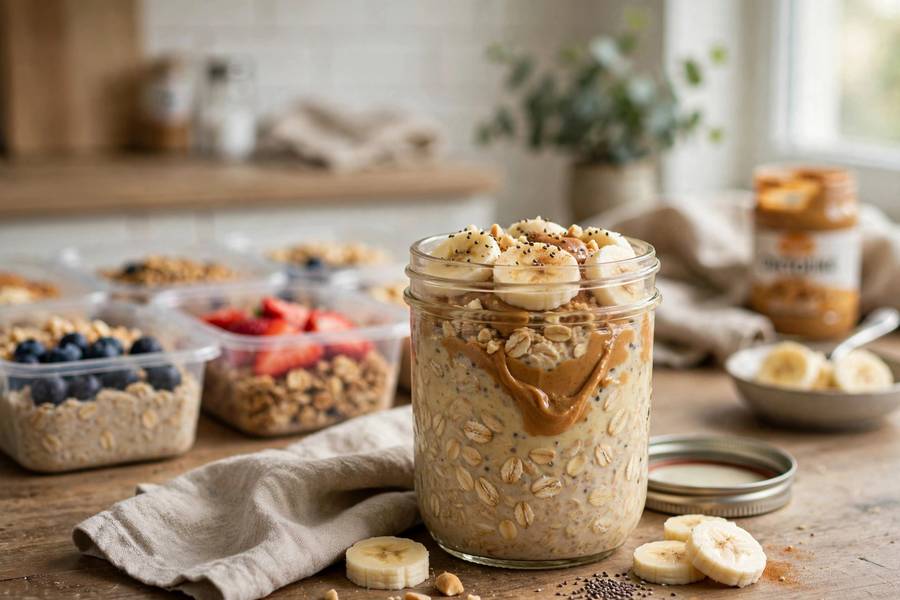
Easy Post-Workout Meals
Real meals, minimal fuss:
- Chicken rice bowl: grilled chicken, rice, vegetables, soy sauce or salsa. The classic for a reason.
- Greek yogurt parfait: Greek yogurt, granola, berries, honey. 30g+ protein without cooking.
- Egg scramble: 3–4 eggs, toast, avocado. Breakfast-for-recovery works any time of day.
- Tuna pasta: canned tuna, pasta, olive oil, vegetables. Cheap, fast, effective.
- Lentil dal with rice: plant-based powerhouse — protein, carbs, and fiber in one pot.
- Smoothie: milk or soy milk, banana, peanut butter, protein powder, oats. For when chewing feels like too much effort.
Notice none of these require exotic ingredients. Recovery nutrition is ordinary food, eaten consistently.
Quick Options When You’re Busy
Life happens. When a full meal isn’t possible:
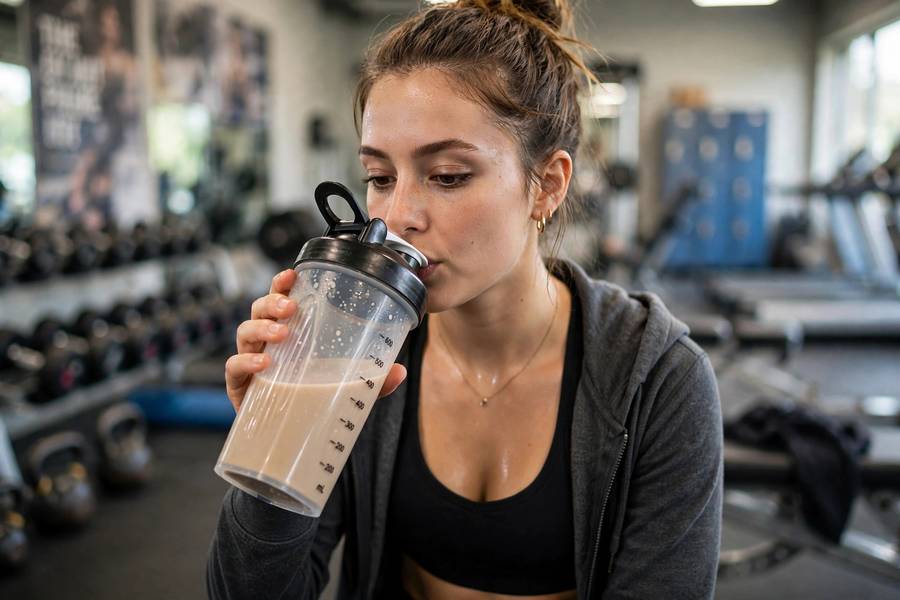
- Protein shake + banana (the 60-second classic)
- Chocolate milk (genuinely solid recovery drink — protein, carbs, fluids)
- Greek yogurt cup + granola bar
- Deli turkey sandwich
- A large glass of milk + handful of nuts
These aren’t perfect, but they’re infinitely better than nothing. Keep a shaker and a banana in your gym bag and you’ll never be caught out.
Hydration and Electrolytes
You lose significant fluid training — often 0.5–1.5 liters per hour depending on intensity and heat. Rehydrate with water; for sessions over 90 minutes or heavy sweating, add electrolytes (sports drink, electrolyte tabs, or even salty food + water).
A simple check: your urine should return to pale yellow within a few hours. Dark and infrequent means drink more. And starting the day hydrated helps everything — the benefits of drinking water in the morning compound when you train regularly.
What to Avoid
- Alcohol right after training. It impairs muscle protein synthesis and dehydrates you. Save drinks for later.
- Skipping meals regularly. Occasional fasting is fine; chronically under-eating around training stalls everything.
- Supplement overload. Creatine has solid evidence; most other powders are expensive urine. Food first, always.
- Huge junk binges “because I earned it.” One workout doesn’t offset 2,000 surplus calories. Enjoy food, but stay honest.
A Sample Training Day of Eating
Theory is nice; here’s what it looks like in practice for someone training midday:
- Breakfast: Greek yogurt with oats, berries, and honey + coffee
- Lunch (pre-workout, 2 hours before): chicken rice bowl with vegetables
- Post-workout (within 1–2 hours): protein smoothie (milk, banana, peanut butter, protein powder, oats) or tuna pasta
- Dinner: salmon, roasted potatoes, big salad with olive oil
- Snacks as needed: fruit, nuts, cottage cheese
Nothing exotic, nothing weighed to the gram. Just consistent, protein-adequate meals built around training. Adjust portions to your goals — more food to gain, slightly less to lose — and the structure stays the same.
Pre-Workout Fuel for Training Days
What you eat before training affects the session more than what you eat after:
- 2–3 hours before: a normal balanced meal (this is ideal)
- 60–90 minutes before: something lighter — oatmeal with banana, toast with peanut butter
- 30 minutes before: only if needed — a banana or a few dates
Avoid high-fat, high-fiber meals right before training (they sit heavy), and don’t try anything new on hard training days. The goal is to arrive fueled but comfortable — hungry enough to be light, fed enough to perform.

Frequently Asked Questions
No. A real meal with 25–40g protein within 1–2 hours works just as well. Shakes are convenient, not magical — use them when a meal isn’t practical.
A balanced meal with protein (chicken, eggs, yogurt, tofu) and carbs (rice, potatoes, oats, fruit). Examples: chicken rice bowl, Greek yogurt with granola, or eggs on toast.
Yes, in sensible portions. Carbs replenish training fuel and don’t prevent fat loss — total daily calories determine that. Under-fueling workouts usually hurts fat-loss progress.
Within 1–2 hours is a good practical guideline. The “30-minute anabolic window” is mostly myth — total daily nutrition matters far more than exact timing.
Water is enough for most sessions. For workouts over 90 minutes or heavy sweating, add electrolytes. Chocolate milk is a surprisingly effective recovery drink with protein, carbs, and fluids.
You’ll progress much slower. Muscle repair needs protein and energy — regularly skipping post-workout nutrition is one of the most common reasons people train hard without visible results.