How to Cool Down After Exercise: The Right Way


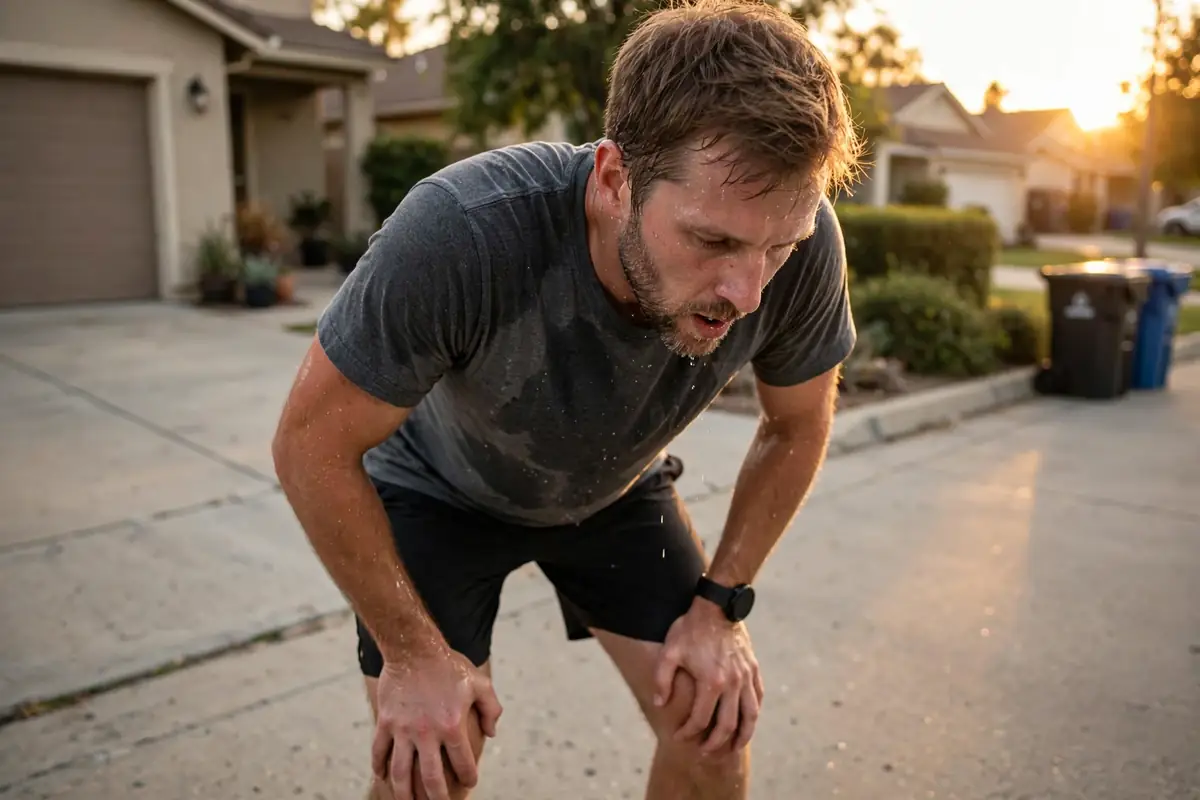
Here’s what I tell my clients: the workout isn’t over when the last rep ends. It’s over when your body has landed safely back on the ground. And most people skip that landing entirely — they rack the weights, grab their bag, and walk straight into their car while their heart is still hammering at 150.
For the full breakdown, see our guide on How to Stretch After a Workout: The Cool-Down Routine That Works.
I’ve watched that habit cause dizzy spells in the parking lot, brutal next-day soreness, and slow recovery that bleeds into the next session. Learning how to cool down after exercise properly takes ten minutes, costs nothing, and pays you back every single week. This is the exact cool-down approach I teach — no fluff, no 30-minute yoga flows unless you want them, just what works.
Why Cooling Down Actually Matters
When you train hard, your heart pumps furiously and blood pools in your working muscles. Stop dead and that system has nowhere to go — blood can pool in your legs, blood pressure dips, and you get that grey, woozy feeling. A proper cool-down keeps the muscle pump gently working while your heart rate descends, moving blood back where it belongs.
That’s the immediate, can’t-ignore reason. The longer-term ones matter too. Easing down gradually helps your breathing normalize, your nervous system shift out of fight-or-flight mode, and your muscles begin recovery instead of seizing up. The NHS puts it plainly in their post-exercise guidance: a cool-down routine should help you gradually relax, improve flexibility, and slow your heart rate — and it only takes about five minutes of gentle stretching (see the NHS guide to stretching after exercising).
Now, an honest coaching note: a cool-down won’t magically erase soreness. Research on post-exercise stretching shows modest effects on delayed-onset muscle soreness at best. What it reliably does is help you feel human again faster, protect you from the dizzy spells, and build a recovery habit that compounds over months. I’ll take that trade every time.
What a Good Cool-Down Looks Like
Forget complicated protocols. A solid cool-down has three phases, in this order, every time:
Phase 1: Ease Off the Gas (3–5 Minutes)
Don’t stop — downshift. If you were running, jog, then walk. If you were lifting, do a few minutes of easy cycling, incline walking, or bodyweight movement at half effort. The rule I give clients: you should be able to hold a conversation by the end of this phase. Your heart rate should be clearly falling but you’re still moving.
This is the phase most people skip, and it’s the most important one. Those first few minutes of easy movement are what prevent the blood-pooling dizziness. Walking to your car doesn’t count if your heart is still racing — give it the actual minutes.
Phase 2: Slow Your Breathing Down
Once you’re moving easy, take control of your breathing. In through the nose for four counts, out through the mouth for six. Longer exhales nudge your nervous system toward its recovery mode — clients tell me this is the part that makes them feel “done” instead of wired.
Do this for a minute or two, still walking or standing. If your gym has a quiet corner, use it. This isn’t meditation-class preciousness; it’s just giving your body a clear signal that the emergency is over.
Phase 3: Stretch What’s Tight (5 Minutes)
Now — and only now — stretch. Your muscles are warm, pliable, and ready. Hit the muscles you just worked: quads and hip flexors after leg day or running, chest and lats after pushing, hamstrings and glutes after deadlifts. Hold each stretch 20–30 seconds, breathe into it, and never force through sharp pain.
Here’s what I tell my clients: stretch the stuff that’s actually tight, not a memorized list. If your hip flexors are screaming after sitting all day plus squats, give them two stretches and skip the calves. This is maintenance, not a second workout.
The 10-Minute Cool-Down Routine I Give My Clients
Steal this exactly as written. It works after lifting, running, classes, or sports — no matter what time of day you train.
Minutes 0–4: Walk it down. Walk at a comfortable pace — treadmill at 3–4 km/h, a lap around the block, or easy marching in place. Nose-breathe if you can. You should feel your heart rate dropping and be able to talk in full sentences by minute four.
Minutes 4–6: Breathe and mobilize. Stop walking. Feet hip-width apart, hands on thighs, and take five slow breaths — four counts in, six counts out. Then do 30 seconds each of: arm circles forward and back, gentle torso twists, and leg swings front-to-back. Nothing aggressive.
Minutes 6–10: Stretch the workers. Pick four stretches covering what you trained. My default full-body set: standing quad stretch (30s/side), half-kneeling hip flexor stretch (30s/side), standing hamstring fold (45s), and a doorway chest stretch (45s). After upper-body days, swap in a cross-body shoulder stretch and an overhead triceps stretch.
That’s it. Ten minutes, and you’ll walk out feeling like an athlete instead of a survivor.
Cooling Down After Different Workouts
The template above fits almost everything, but a few tweaks help:
After running: your cool-down matters most here because the cardiovascular drop is steepest. Jog-to-walk for a full five minutes before you stretch, and give calves, quads, hip flexors, and glutes extra attention. Runners who skip this are the ones limping on stairs the next morning.
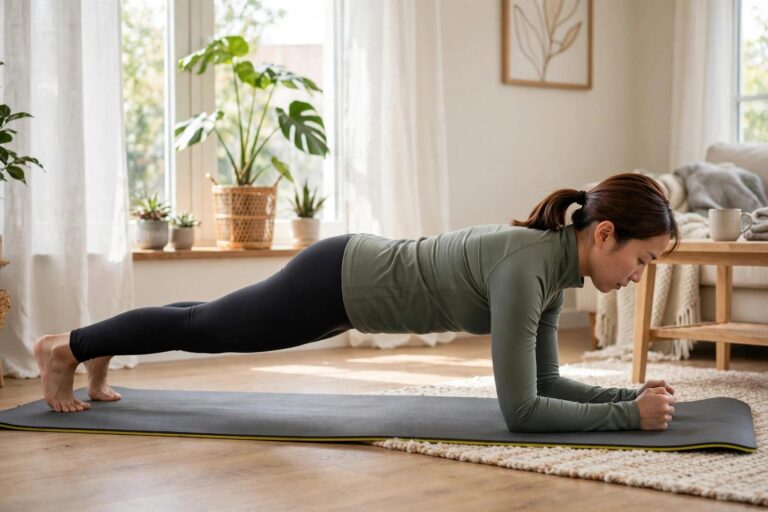
After lifting: finish your last exercise, then do 3–4 minutes of easy cardio (bike or incline walk is perfect) before stretching the muscles you trained. If you ended with core work, make sure your plank form didn’t turn your cool-down into a hip flexor cramp — stretch the abs with a gentle cobra pose.
After HIIT or classes: these spike your heart rate hardest, so extend Phase 1 to a full five minutes. Your body needs longer to come down from intervals than from steady work. Don’t sit down until you can breathe through your nose comfortably.
After sports: add sport-specific mobility — throwers stretch shoulders and thoracic spine, footballers hit groins and hamstrings. And hydrate during the cool-down, not after it.
Mistakes I See Every Week
Stopping dead. The single most common error. Your last sprint ends, you bend over, then you sit in the car. That abrupt stop is what causes dizziness and nausea. Always downshift first.
Stretching cold muscles aggressively. Deep, aggressive stretching belongs after the easy-movement phase, not the second your workout ends. Yanking on a cold hamstring is how strains happen.
Sitting straight down. After leg day especially, collapsing onto a bench traps blood in your legs. Walk first, sit later.
Treating the cool-down as optional. I get it — you’re busy. But here’s what I tell my clients: you found 45 minutes to train, you can find 10 more to land the plane. Skipping the cool-down to save ten minutes while adding days of soreness is a bad trade.
What About Foam Rolling?
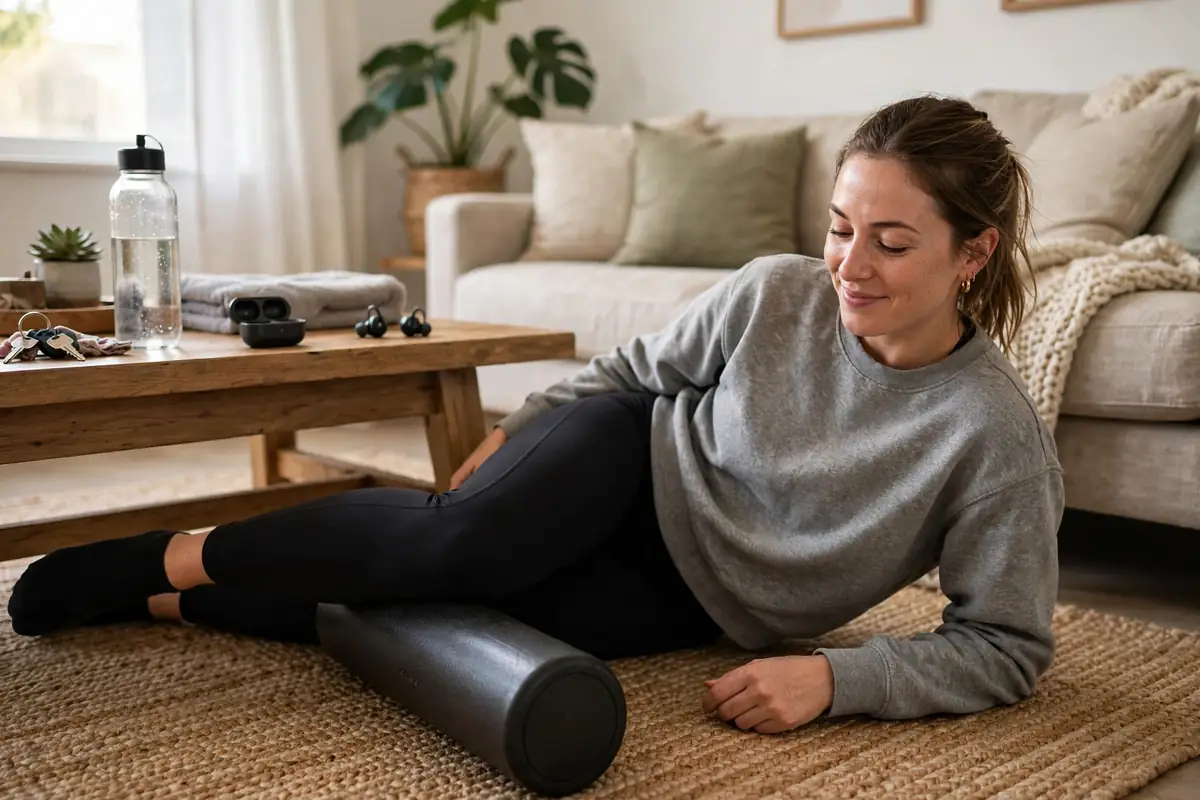
Foam rolling fits nicely at the end of a cool-down, after stretching. Spend 60–90 seconds per major muscle group, rolling slowly and pausing on tender spots. It won’t rebuild your muscles, but clients consistently report feeling looser and less stiff the next day — and the research on perceived soreness is more favorable than for stretching alone.
My practical rule: if you have five extra minutes and a roller handy, use it on the muscles you trained hardest. If you don’t, the walk-breathe-stretch routine above is plenty. Don’t let the perfect recovery routine become the enemy of the good one.
Frequently Asked Questions
Five to ten minutes is enough for most workouts: 3–5 minutes of easy movement to bring your heart rate down, then a few minutes of gentle stretching. After very intense sessions like HIIT or long runs, allow the full ten minutes.
The gradual wind-down is the non-negotiable part — it prevents blood pooling, dizziness, and nausea after hard efforts. The stretching portion is good practice for flexibility and helps you feel recovered sooner, though its effect on next-day soreness is modest.
Do dynamic, moving stretches as part of your warm-up before training, and save static hold-stretches for the cool-down after. Static stretching cold muscles before a workout can temporarily reduce power output; warm muscles accept stretching far better.
Most commonly: dizziness or lightheadedness from blood pooling in the legs, a longer time to feel normal again, and often worse stiffness the next day. None of it is catastrophic once, but made into a habit it slows your recovery between sessions.
Walking is an excellent cool-down — it’s the core of Phase 1. For a complete cool-down, follow the walk with a minute of slow breathing and a few gentle stretches for the muscles you worked. That full sequence takes about ten minutes.
Final word from your coach: the cool-down is the cheapest performance upgrade in fitness. Ten minutes, zero equipment, and you recover faster, feel better, and train better next time. Build it into every session like it’s part of the workout — because it is. If you want a gentle movement library for active recovery days, browse these bodyweight exercises and keep the intensity conversational.