Can Police Search Your Car Without a Warrant? 6 Exceptions

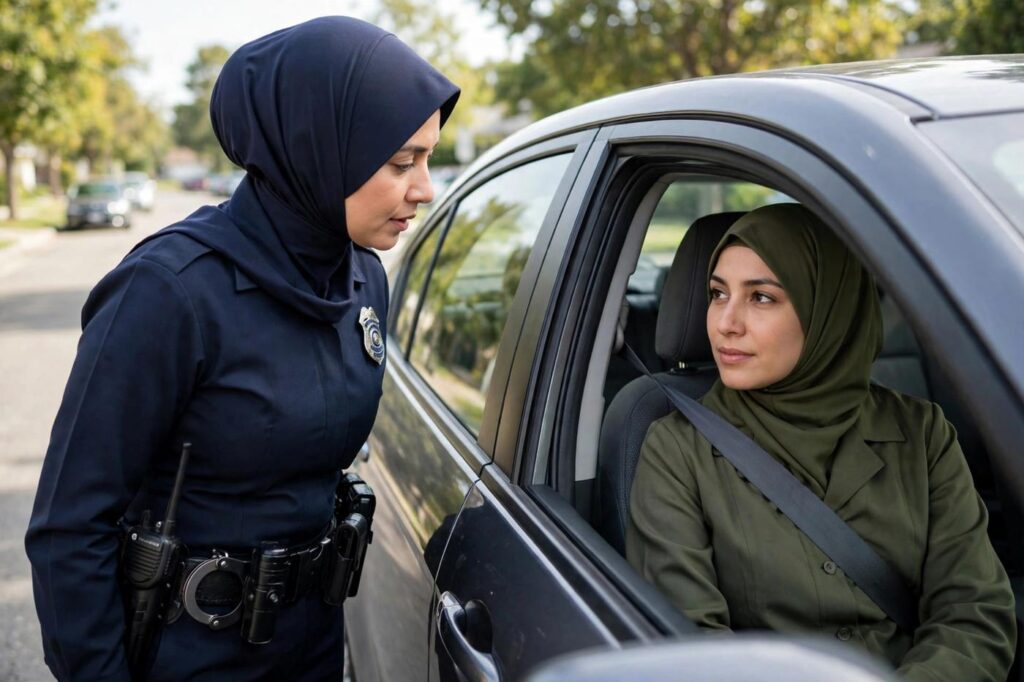
Can police search your car without a warrant? The short answer surprises most people: yes, and it happens every day. The Fourth Amendment protects you against unreasonable searches, but cars have always been treated differently from homes under American law — because a car is mobile and can be driven away while an officer waits for a judge. I am a practicing attorney, and I write about law in plain English, so here is the plain-English version: officers generally do not need a warrant to search your vehicle, but they do need a legal justification. There are six main exceptions that cover nearly every roadside search, and knowing them is the difference between understanding your rights and just hoping for the best.
One important note before we start: this is general legal information, not legal advice about your specific situation. Laws vary by state, and court rulings evolve. If you are facing charges, talk to a criminal defense attorney in your jurisdiction.
Can Police Search Your Car Without a Warrant? The Legal Baseline
The starting point is the Fourth Amendment: you have a right to be free from unreasonable searches and seizures. For your home, that almost always means police need a warrant signed by a judge. For your car, the Supreme Court created the “automobile exception” nearly a century ago, holding that a vehicle’s mobility creates an urgency — exigent circumstances — that justifies a warrantless search when officers have probable cause.
Over the decades, courts added more exceptions on top of that foundation. In practice, an officer at your window is running through a mental checklist, and most traffic-stop searches fit into one of the six categories below. Understanding them does two things: it tells you when a search is likely lawful, and it tells you when an officer may be overstepping — which matters enormously if evidence from the search is later used against you.
Exception 1: Probable Cause (The Automobile Exception)
This is the big one. If an officer has probable cause to believe your car contains evidence of a crime or contraband, they can search the vehicle — including closed containers inside it that might hold what they are looking for — without a warrant and without your permission.
Probable cause means facts that would lead a reasonable person to believe a crime is connected to the car. The classic trigger is smell: the odor of marijuana or alcohol coming from the vehicle has justified countless searches. So do visible drug paraphernalia, an admission (“yeah, I have something in the glove box”), or a drug-sniffing dog alerting on the car during a lawful stop.
What this does not mean: an officer cannot search your car on a hunch, a “feeling,” or because you looked nervous. Probable cause requires specific, articulable facts. If the search was based on nothing concrete, that is exactly the kind of thing a defense attorney challenges in court — and unlawfully obtained evidence can be thrown out under the exclusionary rule.
Exception 2: Your Consent
Here is the exception that surprises people most: if you say yes, no warrant or probable cause is needed at all. Officers routinely ask “mind if I take a look in the car?” during traffic stops, and a surprising number of people agree — sometimes not realizing they had every right to refuse.
You are allowed to say no. A calm, polite “I do not consent to a search” is a complete sentence and a complete legal position. Say it clearly, say it once, and do not argue about it. Important nuances: your consent must be voluntary — agreement obtained through threats or coercion does not count. You can also limit the scope (“you can look in the trunk but not the glove box”) and you can withdraw consent after giving it, though anything already found stays found.
One practical reality: refusing consent does not always stop a search. If the officer independently has probable cause, they will search anyway. But your refusal is on the record, and it preserves your ability to challenge the search later. Consenting when you did not have to waives that challenge.
Exception 3: Plain View
If an officer lawfully standing outside your car sees contraband or evidence in plain view — a baggie on the passenger seat, an open bottle, a weapon on the dashboard — they can seize it and then search further based on what they saw. The logic is simple: you have no reasonable expectation of privacy in something visible to anyone walking past.
This is why officers shine flashlights into cars at night and why they ask you to roll the window down. They are looking. Tinted windows, closed containers, and a tidy interior are not about “having something to hide” — they are about not handing over plain-view justification for free. Keep your car interior boring. Boring is a legal strategy.
Exception 4: Search Incident to Arrest
If you are lawfully arrested, officers can search the passenger compartment of your car without a warrant — but this exception has real limits that courts have tightened over the years. The current rule: officers may search the vehicle incident to arrest only if the arrestee is unsecured and within reaching distance of the car, or if they reasonably believe evidence of the crime of arrest is inside the vehicle.
In plain English: arrested for a suspended license and already handcuffed in the patrol car? The Supreme Court has said the car search is generally not justified under this exception, because you cannot reach into the car and there is no evidence of “driving on a suspended license” hidden in the back seat. Arrested for drug possession with baggies on the seat? Different story — evidence of that crime could reasonably be in the car.
The trunk gets extra protection here: a search incident to arrest covers the passenger compartment, not the trunk, unless another exception applies.
Exception 5: Inventory Search
When police impound your car — after an arrest, after an accident, or when it is illegally parked and must be towed — they can conduct an “inventory search” of the entire vehicle, including the trunk and closed containers. The stated purpose is not investigation but administration: documenting what is in the car to protect against claims of theft or loss and to protect officers from hidden dangers.
The catch that keeps this honest: the inventory must follow standardized department procedures. It cannot be a pretext — an excuse to go fishing for evidence when no other exception applies. Courts look at whether the impoundment itself was legitimate and whether the search followed the department’s standard policy. A “we impounded it just so we could search it” scenario is challengeable.
Exception 6: Exigent Circumstances and Checkpoint Doctrines
The final category covers emergencies and special situations. Exigent circumstances — hot pursuit of a suspect who jumps into a car, a credible belief that evidence is about to be destroyed, a weapon visible and a safety risk — can justify an immediate warrantless search. These are fact-specific and judged after the fact by courts.
Separately, at lawful checkpoints (DUI checkpoints, border checkpoints within the allowed zone), the rules shift: brief stops and limited inspections are permitted under checkpoint doctrine even without individualized suspicion, though a full search of the car still generally requires one of the other exceptions. Checkpoint law is also one of the areas that varies most by state — some states restrict DUI checkpoints entirely.
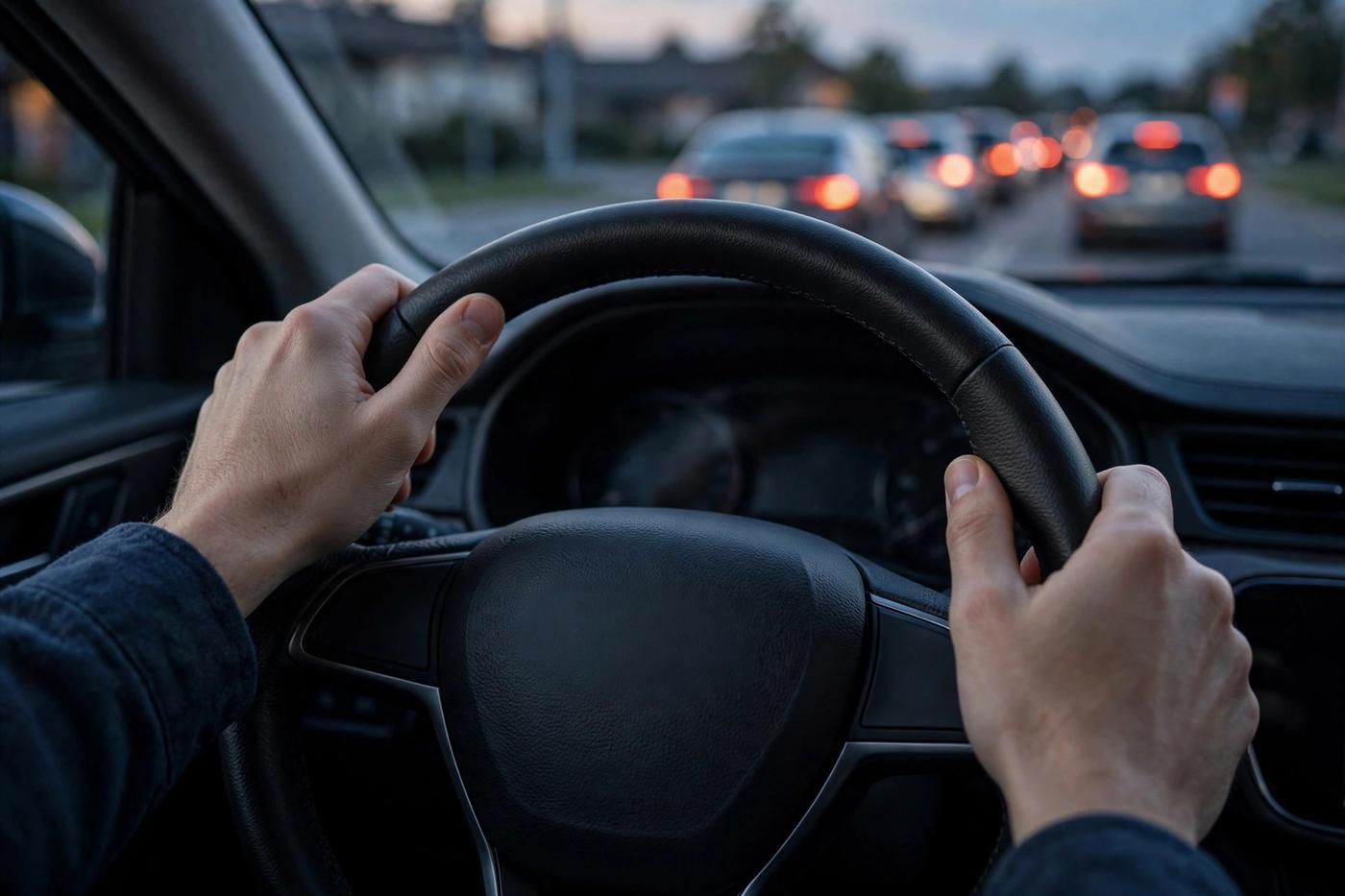
What to Actually Do During a Traffic Stop
Knowing the law is half of it; the other half is behavior. Here is the practical playbook:
Stay calm and be polite. Hands on the wheel, interior light on at night, announce your movements (“I am going to reach into the glove box for my registration”). Officers are assessing risk; make yourself low-risk.
Know the magic sentence. “Officer, I do not consent to a search.” Calm, respectful, clear. You can also ask, “Am I free to leave?” — if the answer is yes, leave; if no, you are detained, and everything from there should be minimal and documented.
Do not physically resist. This is critical. Even if you are certain the search is unlawful, do not block, argue at length, or touch the officer. The roadside is not the courtroom. Comply under protest — “I do not consent, but I will not resist” — and let your attorney fight the search later, where fights are won.
Remember everything. Time, location, badge numbers, what was said, what was searched, in what order. Write it down as soon as you safely can. These details are the raw material of a suppression motion.
Stay silent about the rest. You must provide license, registration, and insurance. Beyond that, you have the right to remain silent — use it. Casual conversation during a stop (“where are you coming from tonight?”) is often investigatory. Polite brevity is your friend.
Frequently Asked Questions
Can police search your car without a warrant during a routine traffic stop?
Yes, if one of the recognized exceptions applies — most commonly probable cause (such as the smell of contraband), your consent, or contraband in plain view. A routine stop alone, like a speeding ticket with no other factors, does not by itself give officers the right to search your vehicle.
Do I have to say yes if police ask to search my car?
No. You have the right to refuse consent by clearly saying “I do not consent to a search.” Refusing cannot by itself create probable cause. However, if the officer independently has probable cause or another legal justification, they may search anyway — your refusal still preserves your right to challenge the search in court.
Can police search a locked glove box or trunk without a warrant?
Under the automobile exception with probable cause, yes — officers can open closed containers in the car that might hold what they are looking for, including a locked glove box or trunk. Under a search incident to arrest, however, the trunk is generally off-limits. Locked containers get the most protection, so the exception being used matters.
What happens if the police search was illegal?
Evidence found during an unlawful search can be suppressed — thrown out — under the exclusionary rule, meaning prosecutors cannot use it at trial. This is decided by a judge after your attorney files a motion to suppress. That is why documenting the stop and refusing consent matter: they build the record your lawyer needs.
Can a drug dog sniff my car without a warrant?
Generally yes, during a lawful traffic stop — courts have held that a dog sniff of a car’s exterior is not a “search” under the Fourth Amendment because it only reveals contraband. But officers cannot unreasonably extend the stop just to wait for a dog to arrive. If the sniff happens within the normal time of the stop and the dog alerts, that alert creates probable cause for a full search.