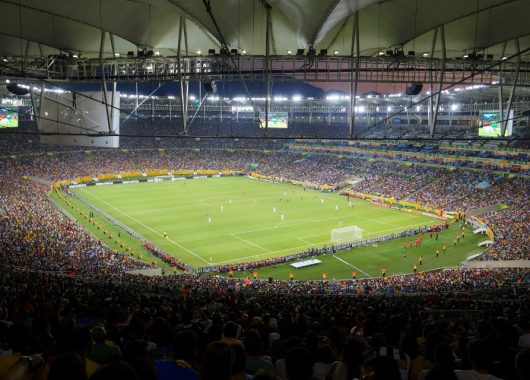
How Do Host Countries Get Chosen for the World Cup?

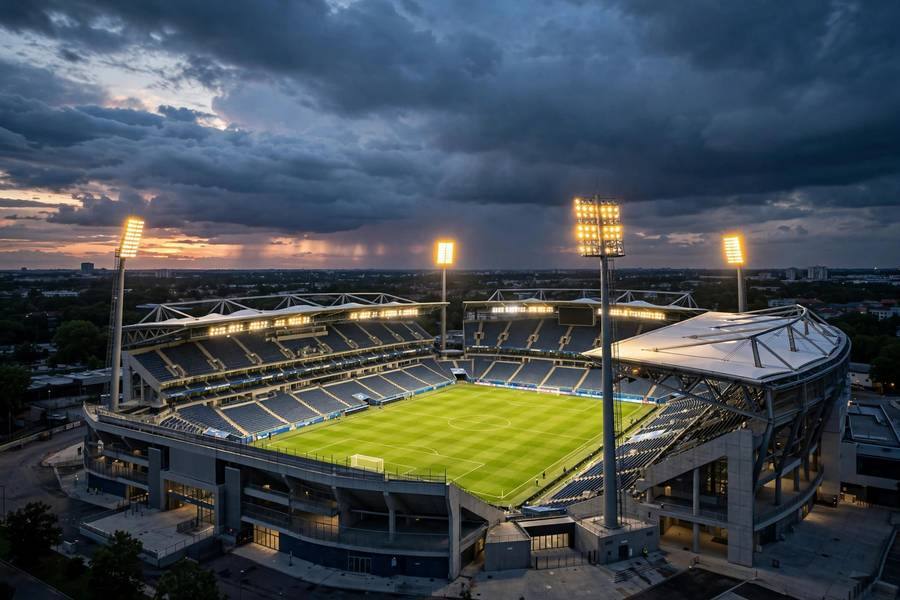
Every four years, one country (or a few of them) gets to host the biggest party in sports. I have had players ask me why some countries seem to host twice while others wait decades, and whether the whole thing is decided in a back room. The honest answer: it used to be murkier than it is now. Today the process is public, political, and genuinely competitive.
This is the full walkthrough: how a country bids, what FIFA checks, who votes, and how recent hosts actually won their tournaments. If you want the wider tournament picture first, our guide to how the World Cup works is the perfect warm-up.
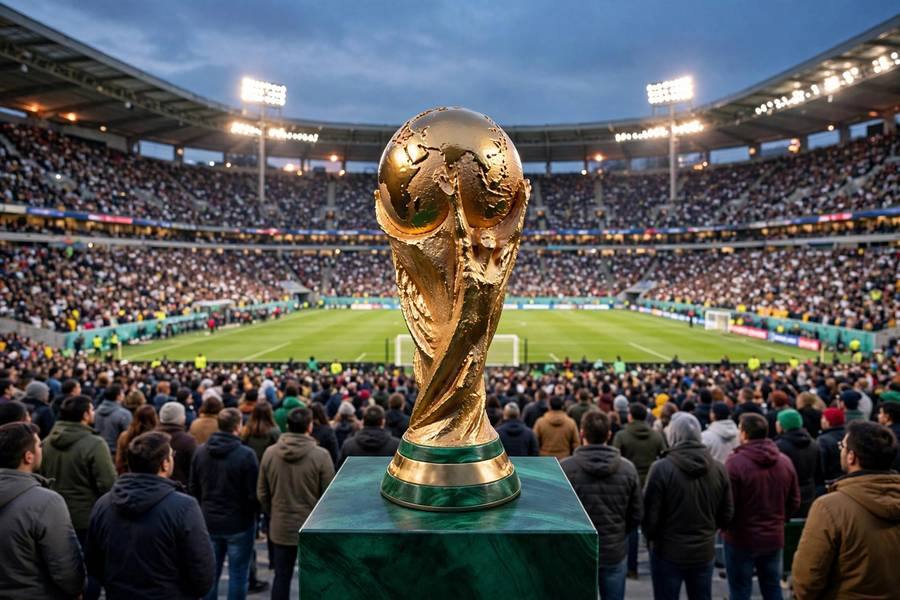
Step One: A Country Announces Its Bid
Everything starts when a national football association tells FIFA it wants to host. This is not a casual email. A serious bid means government guarantees, because FIFA requires commitments on stadiums, airports, visas, security, and tax arrangements. Without the government’s signature, a bid is dead on arrival.
I always remind people of the scale here. We are talking about 8 to 16 stadiums, tens of thousands of hotel rooms, and transport networks that can move millions of fans in a month. A country does not just decide to host the World Cup over coffee; it is a national infrastructure project with a football tournament attached.
Step Two: The Bid Book and FIFA’s Evaluation
Each bidder produces a massive bid book: stadium plans, training sites, fan zones, travel distances, hotel capacity, broadcast facilities, and legacy promises about what stays useful after the final. This document runs to thousands of pages, and I am not exaggerating.
FIFA then sends inspection teams and publishes an evaluation report that scores each bid on infrastructure, commercial potential, and risk. These reports are public now, which was a genuine reform. Journalists and fans can read exactly what FIFA’s inspectors thought of each bid. When a bid scores poorly on stadiums or transport, the whole world sees it, and that shapes the vote.
Step Three: Campaigning and the Politics of the Vote
Between the evaluation and the vote, bidding nations campaign hard. Delegations visit confederations, promise development projects, and pitch the romance of their bid: a first World Cup in a new region, a centenary celebration, a legacy of new stadiums. This is where the process feels most like an election, because it is one.
I am straight with you: politics has always been part of this. Football associations vote, and associations have interests. But the modern system, with public evaluation reports and a full Congress vote instead of a small executive committee, made the whole thing harder to steer quietly. Sunlight does not remove politics, but it raises the price of shady deals.
Step Four: The FIFA Congress Vote
The final decision is made by the FIFA Congress, which means all 211 member associations get a vote, one each. The bids are presented, the Congress votes, and the winner needs a simple majority. Every vote is public, which is another modern reform: each association’s choice is on the record.
This is a big deal. When the vote used to sit with a small executive committee, a handful of people decided everything. Now more than 200 associations decide, and that spread of power changed bidding strategy completely. You cannot charm twenty-four people in a hotel anymore; you have to win a global campaign.

How the 2026 Hosts Won: The United Bid
The 2026 tournament went to the United States, Canada, and Mexico in a vote held in 2018. The North American bid, called the United Bid, beat Morocco’s bid 134 votes to 65. It was a landslide, and the reasons were clear: sixteen existing or planned stadiums, enormous commercial upside, and a bid book that basically said “we already have everything built.”
Morocco’s bid had romance and passion, and a fifth attempt after four previous defeats, but the evaluation report flagged real infrastructure gaps. I use this as my classroom example: when the technical gap is wide, even a beloved underdog cannot close it. The United Bid was the safe pair of hands, and the Congress chose it decisively.
How 2030 and 2034 Were Decided
The 2030 World Cup, the centenary edition, went to Spain, Portugal, and Morocco as the main hosts, with celebratory opening matches in South America honoring Uruguay’s 1930 original. FIFA framed this as a once-in-a-century arrangement, and the Congress approved it. It is a reminder that sometimes FIFA bends the format for history’s sake.
The 2034 tournament went to Saudi Arabia, which ended up as the only bidder after the process closed. I tell people to read that as a lesson in how bidding windows and confederation rotation shape outcomes: when the field narrows to one serious candidate, the “contest” becomes a confirmation. Whether you like it or not, that is the system working as designed.
The Rotation Rule: Why Continents Take Turns
FIFA’s continental rotation principle says the same confederation cannot host two tournaments in a row. In practice this means bidding is partly about timing: if your confederation hosted recently, you wait your turn. This rule is why hosting spreads around the world instead of clustering in the richest regions.
For coaches and players, rotation matters because it shapes the conditions we prepare for. A winter tournament in one cycle, a sprawling multi-city summer in the next. I plan training camps around host climates, and rotation is the reason every cycle feels like a genuinely different challenge.
Why Hosting Matters Beyond Football
Countries bid because hosting changes them. New stadiums, upgraded airports, tourism booms, and a month of global attention. The legacy argument wins votes and justifies the billions spent: youth academies, community pitches, and infrastructure that outlives the tournament.
But I also tell my players the honest side: the costs are enormous, white-elephant stadiums are real, and the legacy only works if the plan is honest from day one. The best bids, like the best training plans, are the ones that think about what happens after the big day. That is true for athletes too: if you take the tournament schedule seriously, a good strength training plan and solid core strength work are what carry a player through a grueling month of football.
What Happens After a Country Wins the Bid
Winning the vote is the starting gun, not the finish line. Hosts typically get six to eight years to prepare, and the clock starts immediately. Stadiums get built or renovated, airports expand, and a local organizing committee forms to run the thousand moving parts. I compare it to marathon training: the race date is set years out, and every month has a milestone.
The stadium program is the most visible piece. FIFA requires a set number of venues at specific capacities, and most hosts blend new builds with renovations of existing grounds. Training sites matter just as much: 48 teams need 48 base camps with pitches, gyms, and security. Fans see the stadiums on television; coaches obsess over the training grounds nobody films.
In the final year, test events run in the stadiums: domestic matches, concerts, and friendlies that stress-test transport, security, and crowd flow. The draw ceremony itself is a full-scale rehearsal for the tournament’s logistics. By kickoff, the host has rehearsed everything except the football, and even the football gets friendlies. Preparation is invisible when it works, which is exactly the point.
Controversies and Reforms: How the Process Got Cleaner
I would not be honest if I skipped the dark chapters. The bidding contests for the 2018 and 2022 tournaments produced corruption investigations, arrests, and lifetime bans that shook football to its core. The Garcia report, FIFA’s own investigation, exposed a bidding culture where votes were allegedly bought and sold. It was the sport’s lowest moment off the pitch.
The reforms that followed were real and structural. The vote moved from a small executive committee to the full Congress of 211 associations. Every vote became public. Evaluation reports became public. An independent ethics committee gained teeth. I tell skeptics to compare any recent bid to the old days: the sunlight is genuinely brighter, even if shadows remain.
Criticism has not disappeared, and it should not. Human rights records, labor conditions on stadium projects, and the environmental cost of new builds are debated fiercely every cycle. As a coach I stay in my lane on politics, but I tell my players this: the scrutiny is healthy. The more the world watches the bidding, the harder it is to repeat the old mistakes.
All 211 FIFA member associations vote at the FIFA Congress, with each association getting one public vote. The bid with a simple majority wins.
The national association submits a bid with government guarantees, then produces a detailed bid book covering stadiums, transport, hotels, and security. FIFA inspects and publishes an evaluation report before the Congress vote.
No. FIFA’s rotation principle prevents the same confederation from hosting consecutive tournaments, which spreads hosting opportunities around the world.
Their United Bid won 134-65 over Morocco in the 2018 Congress vote, thanks to existing stadium infrastructure, commercial strength, and a strong technical evaluation.
The 2030 centenary tournament is hosted mainly by Spain, Portugal, and Morocco, with opening celebratory matches in South America. The 2034 tournament was awarded to Saudi Arabia.
No. The vote used to sit with a small executive committee behind closed doors. Reforms moved the decision to the full Congress with public votes and published evaluation reports.