How Often Is the World Cup? Schedule and History Explained


Quick answer: the men’s World Cup happens every four years. But I get follow-up questions every time I say that: why four years and not two, was it always four, and what happened during the war years? Fair questions, and the answers are more interesting than you would expect.
This is the full story of the World Cup calendar: the four-year rhythm, the two editions that never happened, how the women’s tournament fits in, and when the next tournaments are coming. For the tournament format itself, check our complete guide to how the World Cup works.

The Four-Year Cycle: The Simple Answer
The FIFA World Cup for men is held every four years, and it has been that way since the first tournament in Uruguay in 1930. The rhythm is deliberate: four years gives every region time to run a full qualification campaign, gives hosts time to build stadiums, and keeps the tournament feeling like an event rather than routine.
As a coach I love the four-year gap for a deeper reason: it creates generations. Players get two, maybe three World Cups in a career. That scarcity is what makes it sacred. If it happened every year, it would be just another tournament. Every four years, it is a lifetime milestone.
Why Four Years and Not Two
People ask why FIFA does not run it every two years like some other events. The answer is practical and protective. A two-year cycle would crush the football calendar: players already play 50 to 60 club matches a season, and adding a biennial World Cup with full qualifiers would break them physically.
There is also the magic argument, and I take it seriously. Scarcity creates meaning. The Olympics run every four years for the same reason. When FIFA floated the idea of a biennial World Cup a few years ago, players, clubs, and fans pushed back hard. The four-year wait is part of what makes winning it the pinnacle of the sport.
The Two Tournaments That Never Happened
The World Cup was not held in 1942 and 1946 because of World War II. The 1938 tournament in France was the last before the war, and the next one did not come until Brazil 1950, twelve years later. Those are the only interruptions in the tournament’s history.
I mention this because it explains the numbering: the 2026 tournament is officially the 23rd edition, and the count skips the war years. It also explains why the 1950 tournament felt so emotional. After twelve years of war, football’s return was about more than sport. Every tournament since has carried a little of that weight.
The Women’s World Cup: Same Rhythm, Offset
The FIFA Women’s World Cup also runs every four years, but offset by two years from the men’s tournament. The women’s tournament started in 1991 in China, and recent editions have grown enormously in audience and quality.
The offset is smart scheduling: it gives each tournament its own spotlight instead of forcing them to compete. I coach players who grew up idolizing women’s national team stars, and the growth of the women’s game is one of the best stories in modern sport. Same four-year magic, its own stage.
Continental Championships Fill the Gaps
Between World Cups, the calendar is full. Europe has the Euros, South America has the Copa America, Africa has AFCON, Asia has the Asian Cup, and North America has the Gold Cup. Most of these run every four years too, staggered so there is a major international tournament every two years.
This is the rhythm I plan athlete careers around. A player might target the Euros at 24, the World Cup at 26, and so on. The in-between years are for qualifiers, club football, and the unglamorous strength work and core training that keep a body surviving a decade of international football.
The Full List: Recent and Upcoming Tournaments
Recent men’s editions: 2014 in Brazil, 2018 in Russia, 2022 in Qatar, and 2026 across the United States, Canada, and Mexico. The 2022 edition was unusual for being held in November and December to avoid Qatar’s summer heat, the first winter World Cup in history.
Looking ahead: 2030 goes to Spain, Portugal, and Morocco as main hosts with centenary opening matches in South America, and 2034 goes to Saudi Arabia. The women’s editions run in 2027 and 2031. Mark your calendars; the four-year clock is already ticking.
How the Schedule Affects Players
The four-year cycle shapes entire careers. A 20-year-old debutant might get three World Cups if everything goes right. An injury at the wrong time can cost a player their only prime-age tournament. I have seen grown professionals cry when they realized a knee injury meant missing their window.
This is why I am relentless about load management with my athletes. The calendar does not care about your plans. You build your body for the long cycle: consistent training, smart recovery, and the discipline to stay ready across four years of qualifiers so that when your tournament comes, you are there for it.
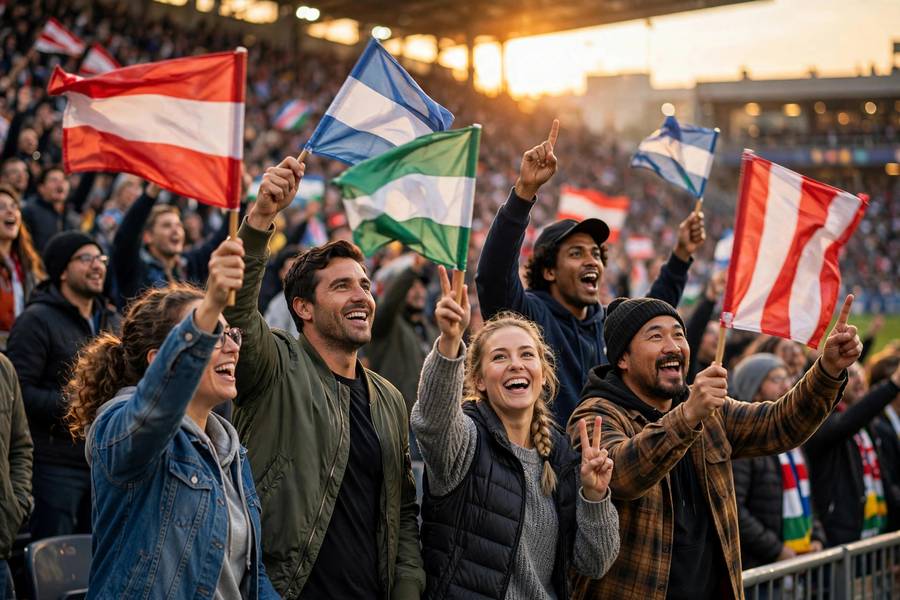
Why the Wait Makes It Special
Ask any player what winning a World Cup means and watch their face change. Club trophies come every season; this comes three times a decade if you are lucky. The rarity concentrates everything: the pressure, the joy, the heartbreak, the legacy.
That is the real answer to “how often is the World Cup.” Often enough to dream about, rarely enough to mean everything. When the next one kicks off, you will feel four years of anticipation in the opening whistle. There is nothing else in sports quite like it.
The Four-Year Cycle: What Happens Between Tournaments
The World Cup never really ends; it just goes quiet. Year one after a tournament is for rebuilding: new coaches, new captains, and the first qualifiers for smaller nations. Year two brings the heavy qualifying schedule and continental championships. Year three is the playoff drama and the ranking battles for seeding.
Year four is the crescendo: the draw, the friendlies, the squad announcements, and the month-long tournament itself. I live this cycle professionally. Each phase demands different work from players and coaches: development, then qualification, then peaking. Understanding the rhythm helps fans appreciate that the tournament is the harvest, not the whole farm.
The cycle also drives the economics of football. Sponsors, broadcasters, and host cities plan in four-year blocks. Transfer markets spike after tournaments when unknown players become stars overnight. The whole sport breathes on this rhythm, and once you see it, you cannot unsee it.
Could the Cycle Ever Change?
The biennial World Cup proposal a few years ago was the most serious challenge to the four-year rhythm in history. FIFA argued it would grow the game and fund development; clubs, leagues, and player unions argued it would destroy players’ bodies and the calendar. The backlash was fierce, and the idea was shelved.
The core objection was physical. Players already face brutal schedules, and adding a full World Cup cycle with qualifiers every two years would break them. I sided firmly with the players on this one. I see what 60-game seasons do to bodies; doubling the international load was never viable, whatever the spreadsheets said.
Smaller tweaks are more likely than a cycle change: expanded tournaments, adjusted qualifying formats, or new competitions in the gaps. The four-year World Cup itself looks safe for the foreseeable future. Some traditions survive because they work, and this is one of them.
The Women’s and Youth Tournaments Keep the Cycle Full
The four-year rhythm is not just the men’s senior tournament. The Women’s World Cup runs on the same four-year cycle, offset by two years, and its growth has been one of football’s great success stories: record crowds, record audiences, and a quality of play that rises every edition. For many young fans, the women’s tournament is their World Cup.
Below the senior level, FIFA runs World Cups for under-20 and under-17 teams, men and women, on two-year cycles. These are where future stars announce themselves; I scout them the way baseball scouts watch the minors. Between all these tournaments, there is elite international football to watch almost every year, even though the senior men’s crown is decided only every four.
Every four years. The men’s tournament has followed a four-year cycle since 1930, with the only exceptions being the cancelled 1942 and 1946 editions during World War II.
Yes, twice: the 1942 and 1946 tournaments were cancelled because of World War II. The tournament resumed in Brazil in 1950.
Every four years as well, offset by two years from the men’s tournament. The women’s edition began in 1991.
The next men’s World Cup after 2026 is the 2030 centenary edition, hosted mainly by Spain, Portugal, and Morocco, followed by Saudi Arabia in 2034.
A biennial World Cup would overload players who already play 50-60 club matches a season, and it would dilute the prestige that comes from the four-year wait. The proposal was widely rejected.