World Cup vs Champions League: What’s the Real Difference?

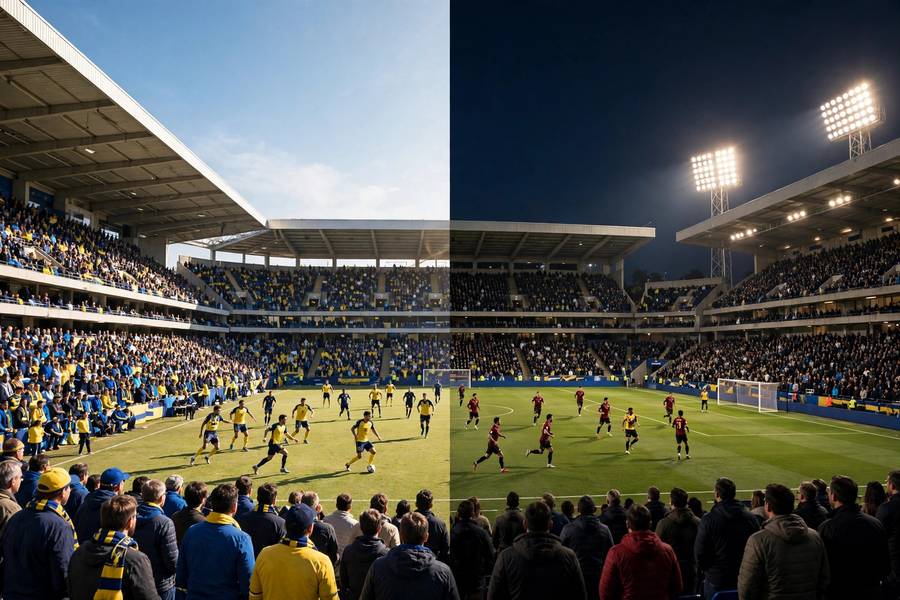
I hear this debate in every dressing room: which is bigger, the World Cup or the Champions League? Players argue about it, fans argue about it, and the honest answer is that they are different beasts entirely. Comparing them is like comparing a marathon to a boxing match: both brutal, both glorious, totally different tests.
Here is the clear, no-nonsense breakdown: who plays, how each competition works, when they happen, and why they feel so different. If the World Cup side is new to you, start with our complete guide to how the World Cup works.
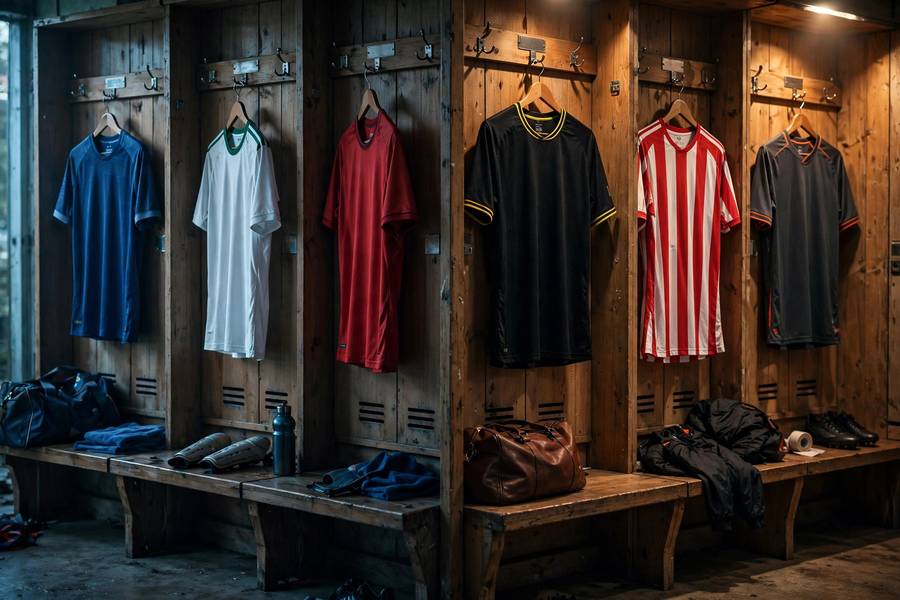
The Fundamental Difference: Countries vs Clubs
The World Cup is contested by national teams: players representing the country of their citizenship, picked by a national coach from whoever holds that passport. The Champions League is contested by clubs: teams built by signing players from anywhere in the world.
This changes everything about what you are watching. The World Cup is identity football: pride, anthems, and nations. The Champions League is elite club football at the highest technical level, where the best players on Earth are concentrated into a handful of super-teams. One is about where you are from; the other is about who can afford you.
How the Formats Compare
The World Cup is a one-month tournament every four years: 48 teams, twelve groups, then a 32-team knockout bracket to a single final. Short, intense, and unforgiving. Three bad weeks and you are history for four years.
The Champions League runs across the whole European season, roughly September to May. It starts with a league phase of 36 teams each playing eight matches, then knockout playoffs, then the traditional two-legged knockout rounds to a one-off final. It is a nine-month campaign that rewards consistency, squad depth, and the ability to peak repeatedly.
Frequency: Every Four Years vs Every Season
The World Cup happens every four years, which makes it scarce and sacred. Most players get two or three shots in a career. The Champions League happens every single season, which makes it the relentless annual test of Europe’s best clubs.
This frequency gap drives the whole prestige debate. Annual competitions produce dynasties and sustained excellence; quadrennial ones produce legends in a single month. I tell young players to chase both, because they test different things: the Champions League tests whether you can be great for nine months, and the World Cup tests whether you can be immortal for four weeks.
Quality of Football: Which Is Higher?
Here is where I surprise people: the technical quality of the Champions League knockout stages is often higher than the World Cup. Club teams train together daily for years, with perfectly drilled systems and the best players money can buy, concentrated from every continent into a few squads.
National teams get a few weeks together and must blend players from rival clubs into a system. The result is more passion, more chaos, and more unforgettable drama, but slightly less polished football. The World Cup wins on emotion and stakes; the Champions League wins on pure technical execution. Both are magnificent for different reasons.
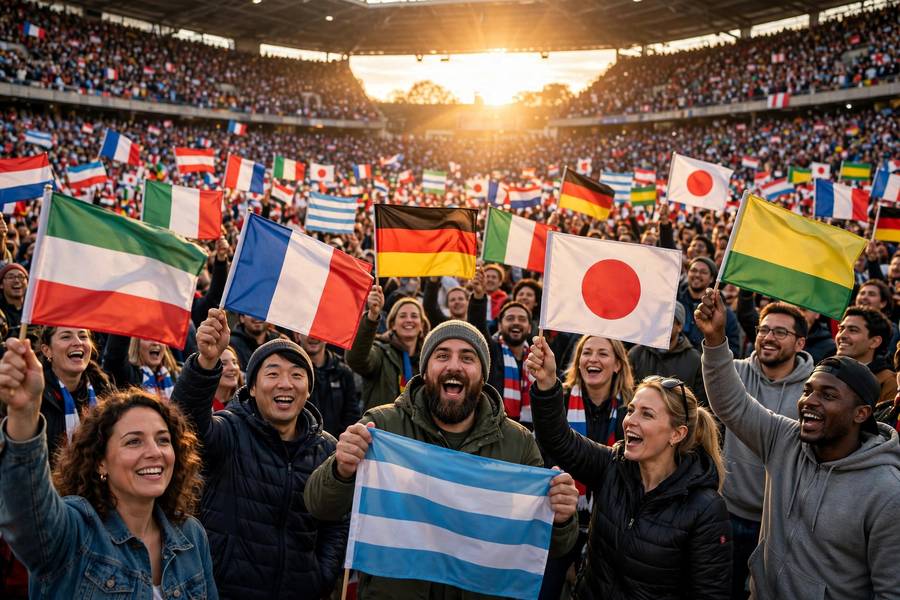
Prestige: What the Players Say
Ask players and you will get split answers that reveal their values. Many say the World Cup is the priceless pinnacle: nothing matches winning with your country, the anthem, the nation watching. Others, especially at super-clubs, argue the Champions League is harder to win because you face elite opposition every round for nine months.
My take after years around both: players who have won both almost always rank the World Cup higher emotionally, because it is rarer and it belongs to something bigger than a club. But no serious player turns down either. The debate is a luxury only great players get to have.
Money and Scale
The Champions League is a commercial juggernaut for clubs: massive broadcast deals, prize money that funds transfers, and weekly global audiences across a season. For clubs, it is the financial engine of elite football.
The World Cup is FIFA’s crown jewel: billions in revenue concentrated into one month, with prize money distributed to all 48 participating associations. The scale of a World Cup final audience dwarfs any single club match. Different models, both enormous. One funds the club game year-round; the other funds the global game in one explosive month.
Which Should a New Fan Watch First?
If you are new to football, watch both but expect different experiences. The Champions League gives you the highest quality football on a regular schedule: midweek nights, familiar stars, tactical masterclasses. It is the best way to learn the sport week to week.
The World Cup gives you the greatest stories: underdogs, national heroes, and a month where the whole planet watches the same thing. Start with the Champions League to learn the game, then let the World Cup steal your heart. And when you do, our World Cup guide will make every match make sense. Whatever you watch, remember the athletes behind it put in years of strength training and core conditioning to perform on those stages.
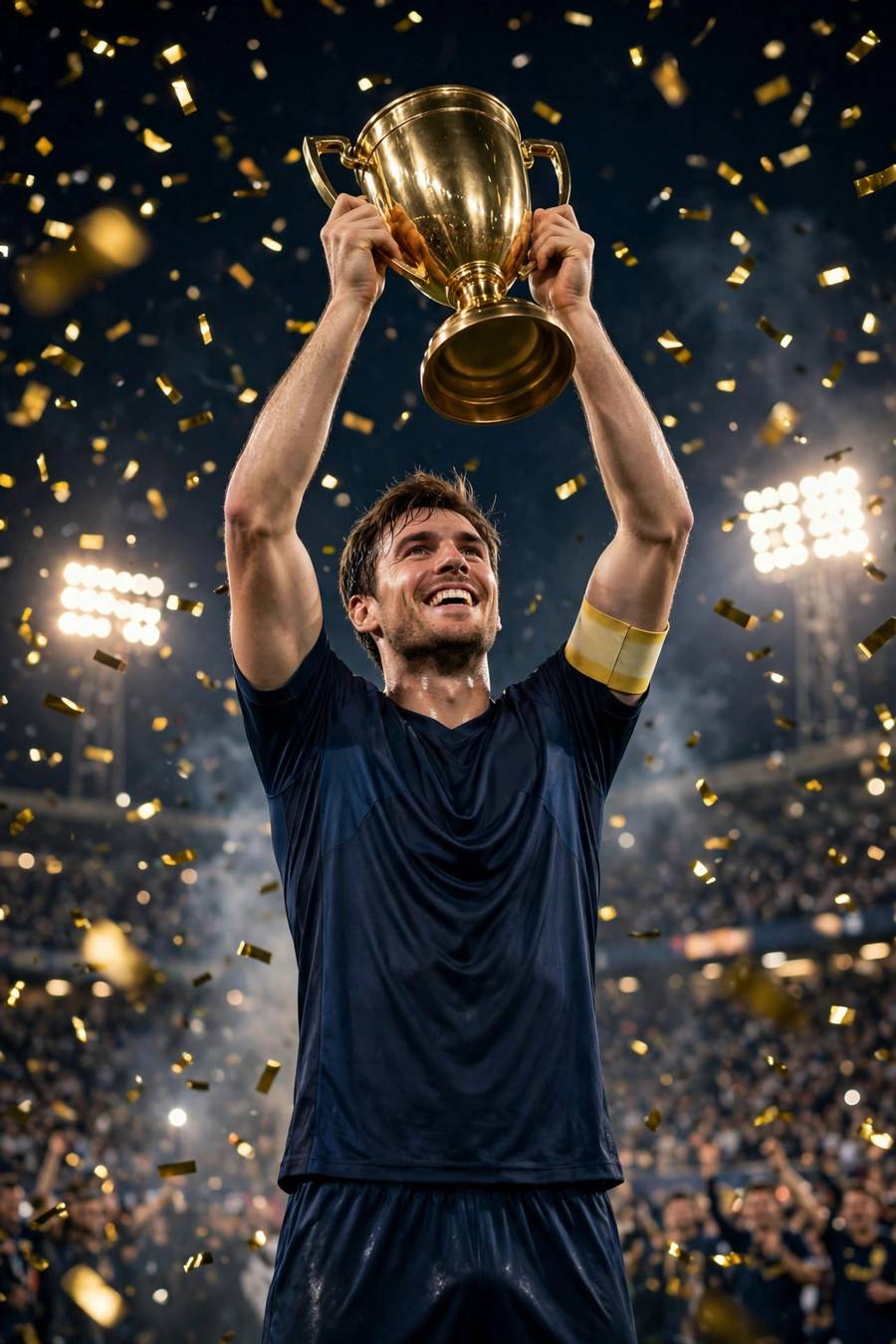
The Verdict: Different Tests, Both Worthy
So which is bigger? The World Cup is the bigger event: rarer, more emotional, watched by more people. The Champions League is the bigger sustained test: longer, technically sharper, and harder to dominate year after year.
I refuse to pick a winner because the question misses the point. Football is lucky to have both: a yearly examination of the best clubs and a quadrennial coronation of the best nations. Appreciate each for what it is, and you will never be bored. The calendar gives you elite football almost year-round; the only real decision is where to point your attention.
The Calendar Clash: Juggling Both Competitions
For elite players, the two competitions do not just coexist; they collide. A Champions League semifinal in May, then a World Cup opener in June, with barely a breath between. The 2022 winter World Cup made it stranger: players paused their club seasons mid-flow, flew to Qatar, and returned to a congested second half.
I manage this load problem professionally, and it is brutal. There is no real off-season in a World Cup year for top players: club campaign, international friendlies, tournament, then pre-season. Something has to give, and usually it is the player’s body. Injury spikes after major tournaments are well documented, and clubs plan for them.
This is the hidden cost of greatness. Fans see the glory of competing for both trophies; coaches see the medical reports. The players who win doubles are not just talented; they are physiologically extraordinary and usually lucky with injuries. Respect the calendar before judging a tired performance.
What Winning Both Says About a Player
The club-and-country double in a single year is one of football’s rarest achievements. It requires being the best player on the best club team and the best national team simultaneously, then delivering in two different high-pressure formats months apart. Only a handful of players per generation manage it.
What it proves is adaptability. Club football rewards drilled, year-long excellence within a refined system. International football rewards leadership, versatility, and the ability to forge chemistry in weeks. Excelling at both means a player has no weaknesses that pressure can find, which is the true definition of greatness.
When the debate about the greatest players starts, this double is always in the evidence file. It is not the only measure, but it is a powerful one. And for young players dreaming of both stages, the path is unglamorous: years of strength work, technical drilling, and the mental steel to perform when exhausted. The trophies are just the visible tip.
The World Cup is a national-team tournament held every four years; the Champions League is an annual club competition for Europe’s top teams, running across the season from autumn to spring.
They test different things. The Champions League demands nine months of elite consistency against the best clubs; the World Cup demands peaking for one month under unique national-team pressure, with only a few career chances.
The Champions League knockout stages are often technically sharper because club squads train together daily. The World Cup wins on drama, emotion, and stakes rather than pure polish.
Most players rank the World Cup higher emotionally because it is rarer and represents an entire nation, though both are career-defining achievements.
Yes, and it is one of football’s great doubles: winning the Champions League with your club in May/June and the World Cup with your country in a tournament year.