How Does the World Cup Final Work? Rules and Format Explained

The World Cup final is the most-watched single sporting event on Earth, and I have coached players who dreamed about it since they were six. But plenty of fans watching their first final do not actually know the rules that decide it. What happens if it is tied? How long can it go? What is different from a normal match?
Here is the complete breakdown, coach-style: the match format, extra time, the penalty shootout, substitutions, VAR, and the little details that decide the biggest game in football. For how teams reach this stage, our guide to how the World Cup works covers the full road to the final.
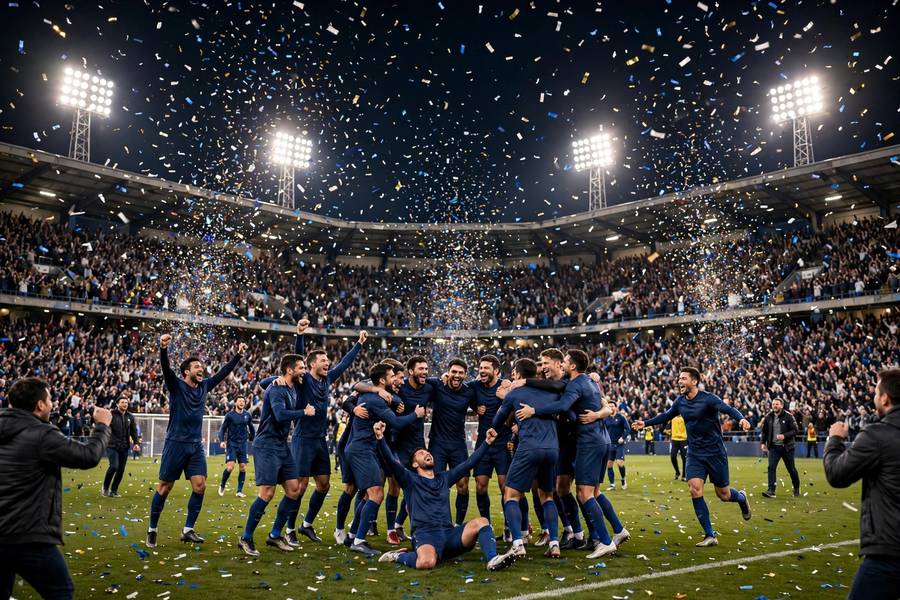
The Basics: 90 Minutes Like Any Other Match
The final is a standard football match: two halves of 45 minutes, a 15-minute halftime, and stoppage time added for delays. The same laws of the game apply. There is nothing exotic about the opening 90 minutes, which is exactly the point: the occasion is extraordinary, but the football is familiar.
One difference is the atmosphere and the pressure, and I never underestimate those. Players who are flawless in league matches make strange decisions in finals. As a coach I prepare athletes for this by simulating pressure in training: crowd noise, consequence drills, and scenarios where one mistake ends the session. The final is won as much between the ears as with the feet.
What Happens If It Is Tied After 90 Minutes
If the score is level after 90 minutes, the final goes to extra time: two periods of 15 minutes each, played in full. There is a short break between the periods, and teams switch ends. Unlike some past experiments, there is no golden goal and no silver goal. Both periods are always played to completion.
This is where finals are truly decided, and it is a different sport tactically. Tired legs, cramping players, and coaches gambling on fresh substitutes. I tell my players that extra time rewards the fittest team, not the most talented one. The sides that manage their energy across the tournament, with real strength and conditioning work behind them, own these thirty minutes.
The Penalty Shootout: How It Works
If extra time cannot separate the teams, the final goes to a penalty shootout. Each team nominates five kickers, and they alternate kicks. If one team takes an unassailable lead before all ten kicks are taken, it ends early. If it is still level after five rounds, it goes to sudden death: one kick each until somebody misses while the other scores.
The goalkeeper rules are strict: the keeper must stay on the goal line until the ball is kicked, though they can move sideways. Kickers can stutter their run-up but cannot stop completely once they start the final motion. I have run shootout practice for years, and my number one lesson is that penalties are a skill you train, not a lottery. Routine, breathing, and a pre-decided corner beat nerves every time.
Substitutions in the Final
Teams are allowed five substitutions in normal time, made across three substitution windows plus halftime, and they get an additional substitution if the match goes to extra time. That sixth sub is a genuine tactical weapon in finals: a fresh pair of legs at the 105th minute can change everything.
Coaches plan their bench around this. You will often see an attacking player saved specifically for extra time, or a penalty specialist brought on in the final minutes. When you watch a final, keep one eye on who is warming up at the 75th minute. The coach is already playing the extra-time game in their head.
VAR and Officiating on the Biggest Stage
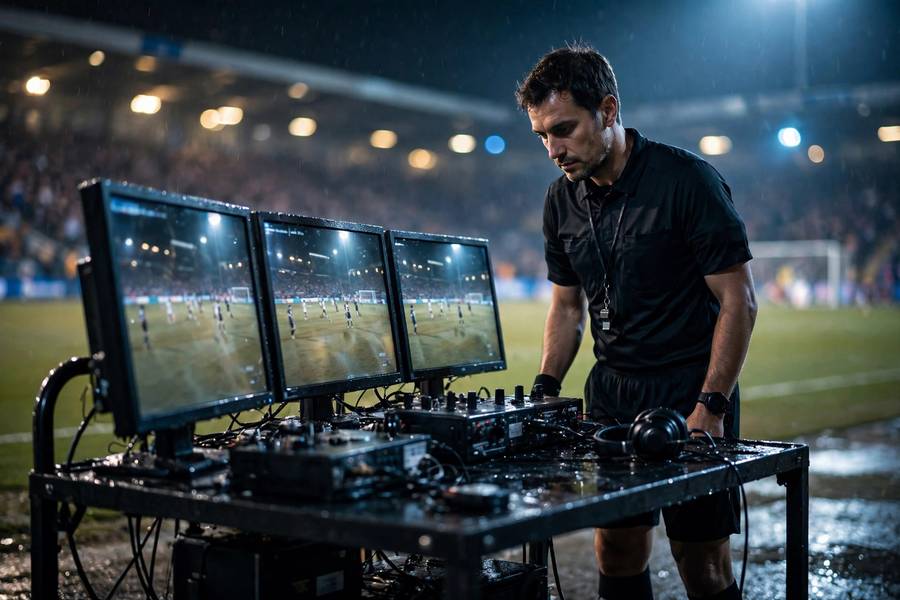
The final uses VAR, and the officials are the best FIFA has: a referee, two assistants, a fourth official, and a full video team. Every goal, penalty decision, direct red card, and case of mistaken identity gets checked. The referee can also review incidents on the pitch-side monitor.
One thing I drill into players: in a final, VAR means you cannot get away with anything, so do not try. Keep your arms down in the box, do not retaliate, and assume every challenge is being watched from six angles. Discipline wins finals. The teams that lift the trophy are almost always the ones that kept eleven players on the pitch.
What the Winners Get
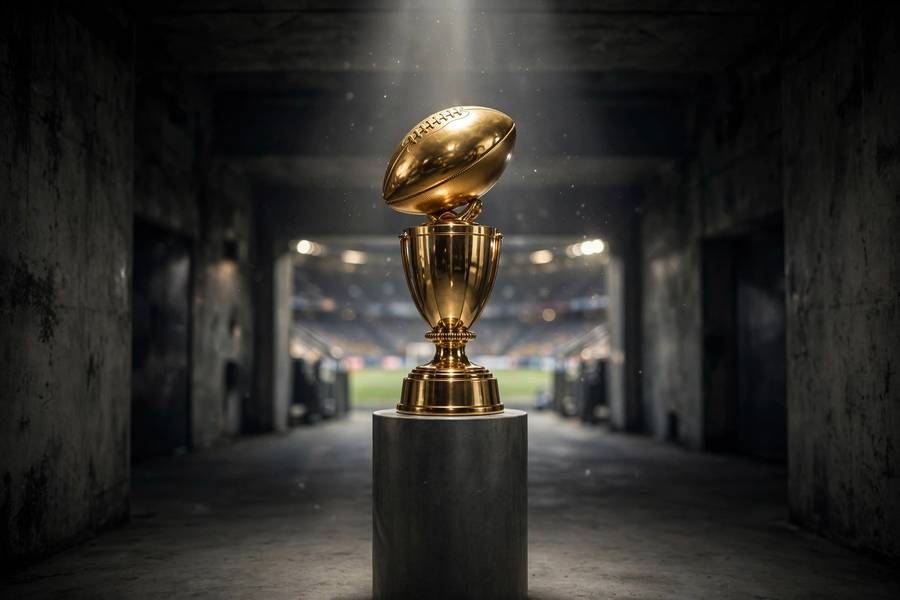
The winning team lifts the FIFA World Cup Trophy, the most famous prize in sports: 36.8 centimeters of solid gold on a malachite base. Here is a detail most fans miss: the winners do not keep the original. They receive a gold-plated replica, and the original stays with FIFA. The names of winning teams are engraved on the base in the years they won.
Beyond the trophy, there is serious prize money distributed among all participating teams, with the champions taking the largest share. And there is the legacy: a winners’ medal, a star above the crest, and immortality in football history. I tell young players that money fades, but nobody ever forgets a World Cup winner.
How the Final Day Is Staged
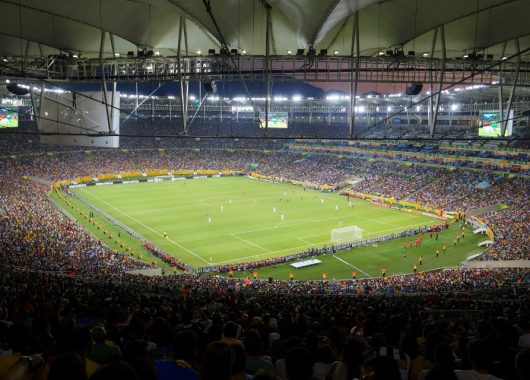
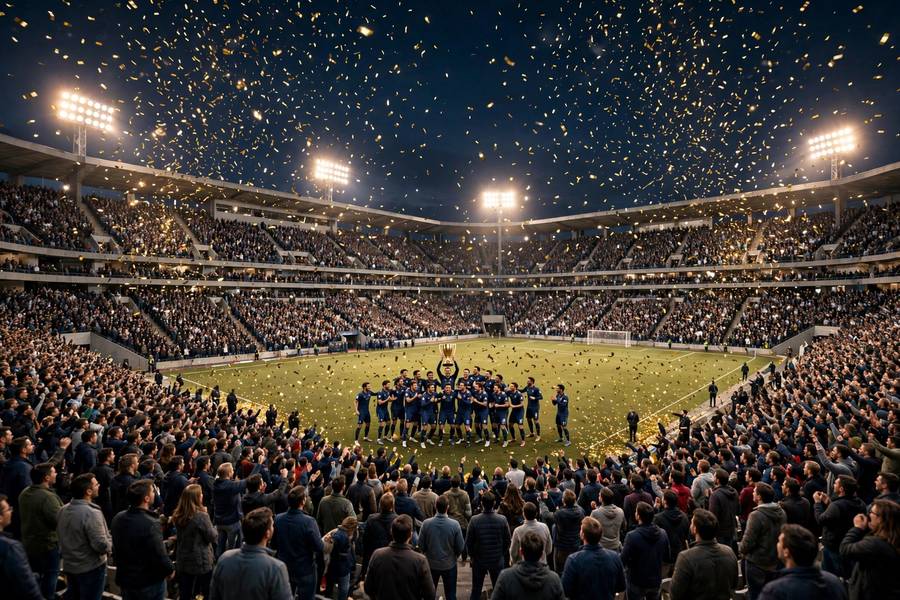
The final is more than a match; it is a ceremony. There is a closing ceremony with music and performances, the trophy displayed on the pitch before kickoff, and a choreographed presentation after the final whistle: runners-up medals first, then the champions lift the trophy as confetti falls. FIFA scripts every minute.
For the players, the strangest part is the waiting. Hours in the hotel, a long bus ride, warm-ups in a deafening stadium. I prepare athletes for this dead time because restlessness ruins focus. The teams that handle the ceremony like professionals usually handle the match the same way.
Famous Finals and What They Teach
Every legendary final teaches the same lessons. Stay disciplined for 120 minutes. Trust your preparation. Do not chase the game recklessly. The finals people remember are the ones where one team held its nerve while the other lost its shape, and that pattern repeats across generations.
My coaching takeaway is simple: finals are not won by the team with the best highlight reel. They are won by the team that defends its box, takes its chances, and stays calm when the stadium is shaking. If you want to understand the format that produces these nights, from the first qualifier to this last whistle, start with our complete guide to how the World Cup works and work your way forward. And if you are an athlete dreaming of that stage, core strength and conditioning are where the dream gets built.
How Players Prepare for a Final Week
The week before a final is unlike any other in football. Training volume drops sharply; the work is done. Sessions focus on set pieces, shape, and sharpness: short, intense drills that keep legs fresh. I have seen coaches run the entire tactical plan for the final in a single 45-minute session, then spend the rest of the week managing minds.
Media duties explode, and managing them is a real coaching task. Every player gets asked about legacy, pressure, and destiny. The best teams shield their players: limited press, protected routines, and phones away at meals. Distraction is the enemy in final week, and discipline off the pitch predicts composure on it.
Sleep and nutrition get microscopic attention. Time zones, hotel beds, and nerves all conspire against rest, so teams bring their own mattresses, chefs, and routines. It sounds excessive until you remember what is at stake. Finals are decided by tiny margins, and the team that controls the controllables usually controls the match.
Finals That Changed Football
Some finals transcend sport and change how the game is played. The 1950 decider in Brazil, the Maracanazo, where Uruguay stunned the hosts, taught an entire nation about the cruelty and beauty of the game. The 1970 final showcased Brazil’s beautiful football at its peak and set the aesthetic standard for generations.
More recently, tactical revolutions have been born in finals: defensive masterclasses that made the world rethink pressing, or underdog victories built on organization over talent. I study finals the way students study history, because each one answers the same question differently: what does it take, on one night, to be the best in the world.
The lesson I take to my players is always the same. Finals reward the team that executes its plan under maximum pressure, not the team with the best plan on paper. Courage, in football terms, is doing the simple things correctly when the whole world is watching. Every legendary final is just that sentence, written in goals.
The final goes to 30 minutes of extra time (two 15-minute periods). If it is still level, a penalty shootout decides the champion: five kicks each, then sudden death if needed.
No. Golden goal and silver goal were abandoned years ago. Extra time is always played in full, both 15-minute periods, regardless of who scores first.
Five substitutions in normal time across three windows plus halftime, with a sixth substitution allowed if the match goes to extra time.
No. The champions receive a gold-plated replica to keep. The original solid-gold trophy stays with FIFA, and winners’ names are engraved on its base.
Yes. The final has full VAR coverage with a video team checking goals, penalties, red cards, and mistaken identity, plus pitch-side monitor reviews by the referee.