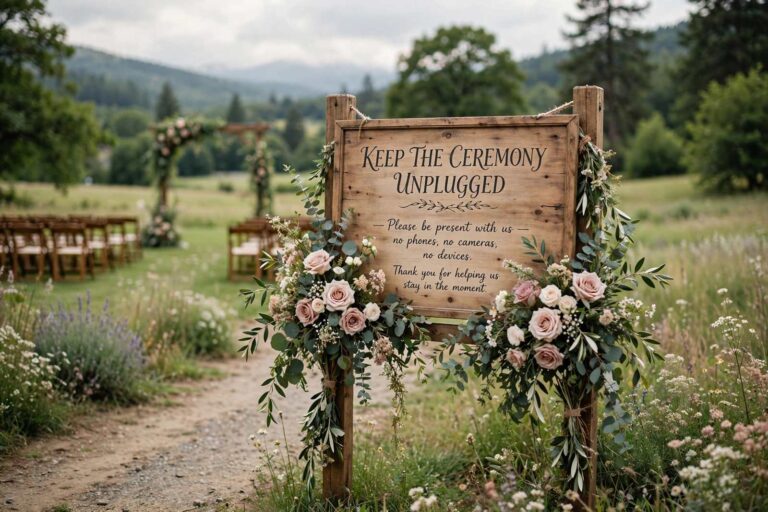
First Look Wedding Pros and Cons: An Honest Breakdown

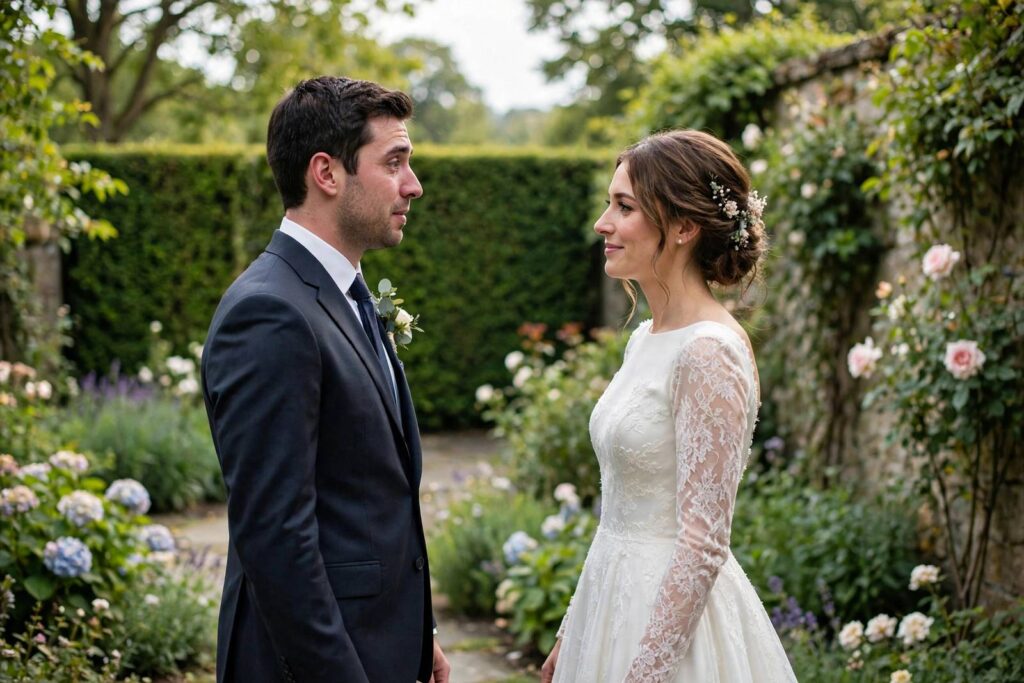
Of all the decisions couples agonise over, the first look might be the most emotional: do you see each other before the ceremony, or save it for the walk down the aisle? There are genuine first look wedding pros and cons on both sides, and the right answer depends entirely on your personalities — not on what anyone else did. Here’s the honest breakdown I give my couples.
What Is a First Look?
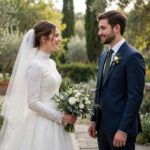
A first look is a private, staged moment before the ceremony where the couple sees each other for the first time — usually with just the photographer (and sometimes videographer) present. It originated as a practical solution to tight timelines, but it’s become a deliberate choice many couples prefer. Typically it happens 1–2 hours before the ceremony, followed by wedding party and family portraits, so the post-ceremony photo session shrinks to almost nothing.
First Look Pros
You get a private moment together
This is the number-one reason couples choose a first look. Your wedding day is a whirlwind of people and obligations; the first look is often the only quiet, private moment you’ll share all day. Couples consistently tell me it’s their favourite memory — just the two of them, no audience, real emotions.
It calms nerves enormously
Pre-ceremony jitters are real, and they’re worse when you’re separated and imagining. Seeing each other, hugging, laughing — it releases the tension. Many couples walk into their ceremony noticeably more relaxed and present after a first look.
Your timeline gets so much easier
Without a first look, all portraits happen between ceremony and reception — the dreaded “cocktail hour disappearance” where guests wait 90 minutes while you take photos. With a first look, portraits are done before the ceremony, and you can actually attend your own cocktail hour. For winter weddings with early sunsets, a first look can be the difference between daylight portraits and darkness.
More (and better) photos
Photographers love first looks: better light (midday vs harsh ceremony-exit light), no time pressure, genuine reactions captured twice (the private moment and the ceremony). You’ll simply end up with more great images.
You can say private vows
Many couples use the first look to exchange personal vows privately, then keep ceremony vows traditional. It’s the best of both worlds — intimate words for each other, classic words for the audience.
First Look Cons
It changes the aisle moment
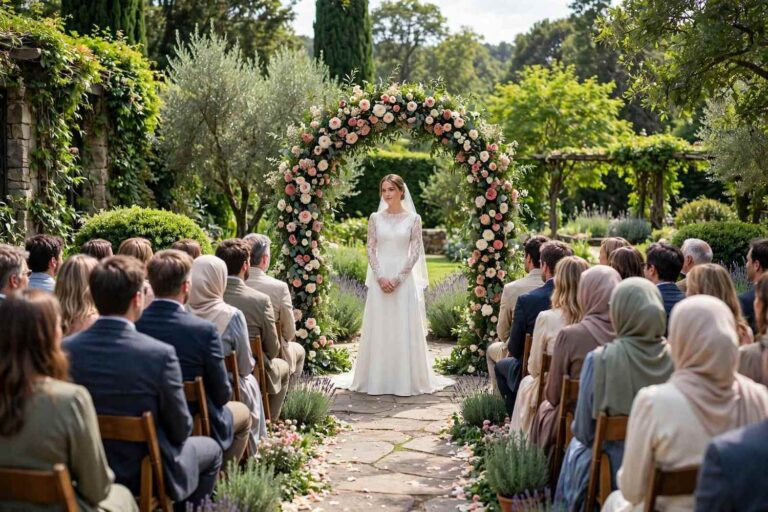
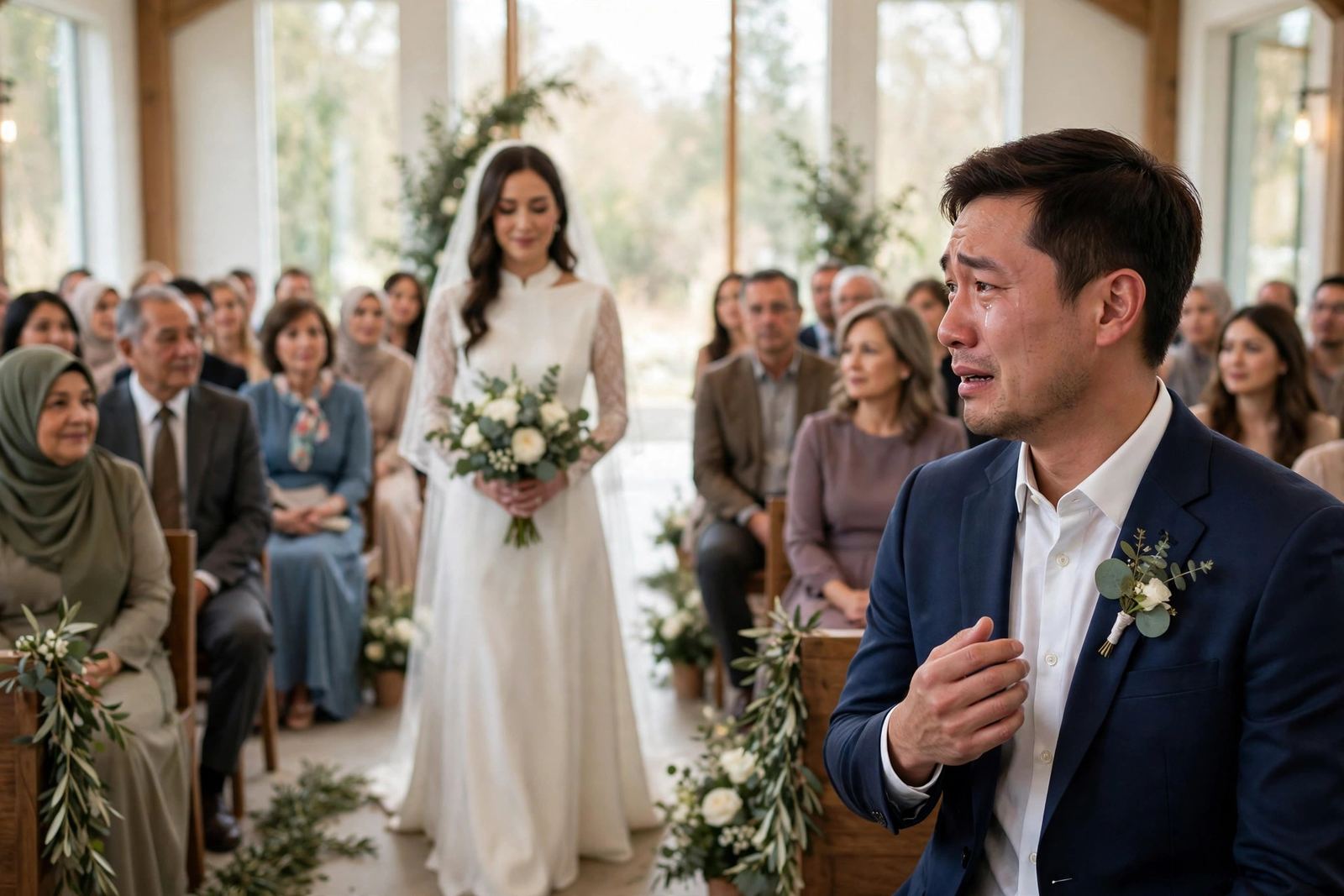
Let’s be honest: seeing each other at the end of the aisle hits differently when it’s truly the first time. Some couples feel the ceremony entrance loses electricity. Others say it’s just as emotional — but it is different, and you should know that going in.
Tradition and family expectations
If the “first sight” tradition matters to you or your family, breaking it can feel like a loss. Some parents feel strongly about this one. It’s worth a conversation before you decide — not for permission, but to understand what it means to the people you love.
Earlier start to the day
A first look moves hair, makeup, and getting-ready earlier — sometimes significantly. If you’re not a morning person, or your ceremony is already early, the 5am wake-up call is a real cost. Factor in how you’ll feel, not just how you’ll look.
Logistics complexity
The couple needs to be fully ready, at the location, camera-ready, an hour or two before the ceremony — which means the wedding party, photographer, and often family need to be ready early too. It compresses the morning and leaves less margin for delays.
How to Decide: It Comes Down to This
After all the lists, the decision usually hinges on two questions. First: do you want privacy or spectacle for your most emotional moment? Private people tend to love first looks; performers (in the best sense) often prefer the aisle. Second: how tight is your timeline? If sunset, venue constraints, or a short cocktail hour make portraits difficult, the practical case for a first look is strong.
There’s also a middle path: a “first touch” (holding hands around a corner or door without seeing each other), or doing the first look but keeping the ceremony entrance dramatic with a veil-down reveal. You don’t have to choose the textbook version of either option.
Whatever you decide, build your timeline around it deliberately. A wedding planning checklist helps you map the photography schedule against everything else, and if you’re weighing vendors for the day, our comparison of a wedding planner vs coordinator can help you get the day-of support that makes either timeline run smoothly.
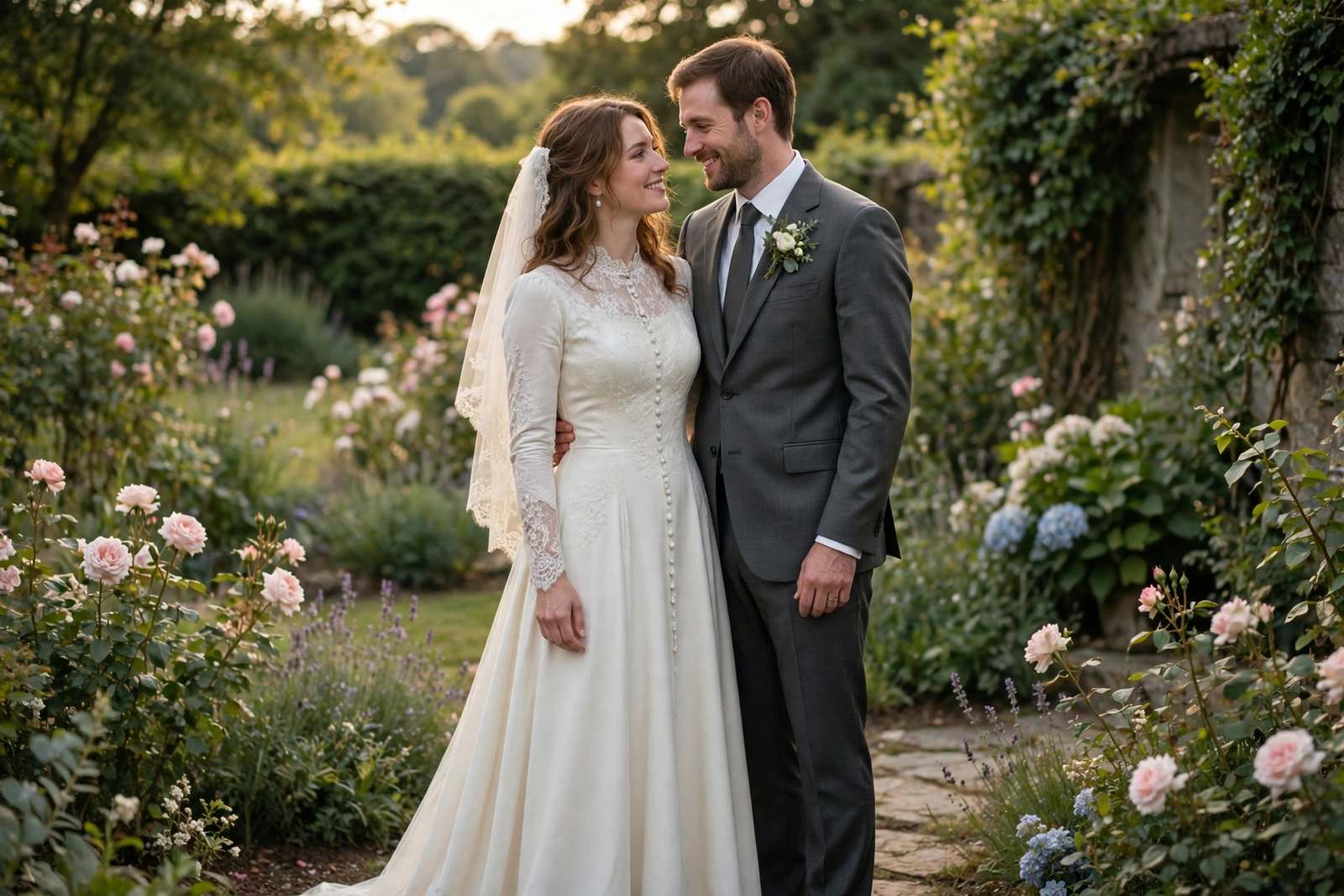
First Look Wedding Pros and Cons: What Photographers Want You to Know
When weighing first look wedding pros and cons, the most useful perspective often comes from the person holding the camera. Here’s what wedding photographers consistently tell couples.
Light is the real argument
Photographers care less about tradition than about light. Midday and afternoon light — when first looks typically happen — is flexible and flattering. The post-ceremony window, by contrast, is whatever the day gives you: harsh sun, deep shade, or in winter, darkness. A photographer friend puts it bluntly: “I can make a first look beautiful in any weather. I can’t make 4:45pm in December beautiful.” If photography matters to you, the lighting case for a first look is the strongest argument there is.
The timeline math
Here’s a realistic comparison. Without a first look: ceremony ends 4:30, family photos 4:30–5:00, wedding party 5:00–5:30, couple portraits 5:30–6:00 — guests wait 90 minutes, couple misses cocktail hour entirely. With a first look: first look and portraits 2:00–3:30, family photos right after ceremony 4:30–4:50, couple joins cocktail hour at 5:00. Same photos, radically different experience. For couples who want to actually enjoy their cocktail hour — the only part of the day designed for mingling — the first look is transformative.
Genuine vs performed emotion
Photographers note something interesting: first-look emotions photograph as intimate and unguarded, while aisle reactions photograph as grand and dramatic. Neither is better — they’re different images. Couples who do both (first look and a big aisle reaction) often get the richest gallery: the private tears and the public joy. If you’re worried about “using up” the emotion, photographers report the opposite — the ceremony still hits hard.
What about the wedding party?
A first look usually means the wedding party gets ready earlier and does group photos before the ceremony. Most wedding parties prefer this — they’re done with photos early and can enjoy cocktail hour too. The trade-off: the morning is more scheduled, with less lounging-around time. Tell your party the timeline well in advance so no one’s surprised by a noon call time.
The photographer’s honest bottom line
Ask ten photographers and eight will gently advocate for the first look — not from tradition or laziness, but from having watched hundreds of wedding days unfold. The days with first looks run smoother, the couples are calmer, and the galleries are fuller. But the same photographers will tell you: the couples who skip it and own the choice get magnificent aisle moments. The wrong choice isn’t first look or no first look — it’s deciding based on someone else’s opinion instead of your own.
Beyond the Binary: First Look Alternatives
The first look wedding pros and cons debate sometimes feels like two camps — but there’s a whole spectrum between “see each other hours early” and “not until the aisle.” Consider these middle paths.
The first touch
Stand on opposite sides of a door, a wall, or a corner — hold hands, exchange letters, talk, pray together — without seeing each other. You get the calm, the connection, and the private words, while the visual reveal stays sacred for the ceremony. Photographers can capture it beautifully (hands, silhouettes, emotions) without spoiling the surprise.
Private vows, no first look
Meet 20 minutes before the ceremony in a private room, exchange personal vows with just your officiant or photographer present, then separate until the aisle. You get the intimate words and the traditional reveal, with minimal timeline disruption. This is my most-recommended compromise for couples torn down the middle.
The first look with wedding party only
Do the first look privately, then bring in the wedding party for group photos before the ceremony — but keep family photos for after. It splits the difference on timing: the morning stays relaxed, the post-ceremony session shrinks to 20 minutes, and you still get cocktail hour.
Staggered getting-ready
Not a first look at all, but worth mentioning: some couples get ready in the same suite (back to back, literally), finding the shared morning calming without any formal “reveal” moment. It demystifies the day and starts it as a team. Traditionalists may clutch their pearls; the couples who do it tend to love it.
The point: you’re not choosing between two rigid options. Take the elements that serve you — privacy, calm, light, tradition — and build the version that’s yours. That’s what the best wedding days have in common: they’re designed around the couple, not the template.
Frequently Asked Questions About First Looks
Does a first look ruin the walk down the aisle?
Not necessarily, but it changes it. Most couples who do a first look say the aisle moment is still deeply emotional — just different. If the “first sight” gasp matters enormously to you, skip the first look.
How long before the ceremony should a first look happen?
Typically 1–2 hours before the ceremony. This leaves time for the private moment plus wedding party and family portraits, so you can go straight to cocktail hour after the ceremony.
Do most couples do a first look?
It’s very common now — many photographers report that a majority of their couples choose one, mainly for timeline and lighting reasons. But a large minority still prefers the traditional aisle reveal, and both choices photograph beautifully.
Can we do private vows at a first look?
Yes, and many couples do exactly this: personal vows exchanged privately at the first look, traditional vows during the ceremony. It gives you intimacy without making guests sit through ten minutes of inside jokes.
What is a first touch instead of a first look?
A first touch is a compromise: the couple holds hands or exchanges letters around a corner or door without seeing each other. You get connection and calm nerves while preserving the visual surprise for the ceremony.