Second Wedding Etiquette: A Modern, No-Apology Guide

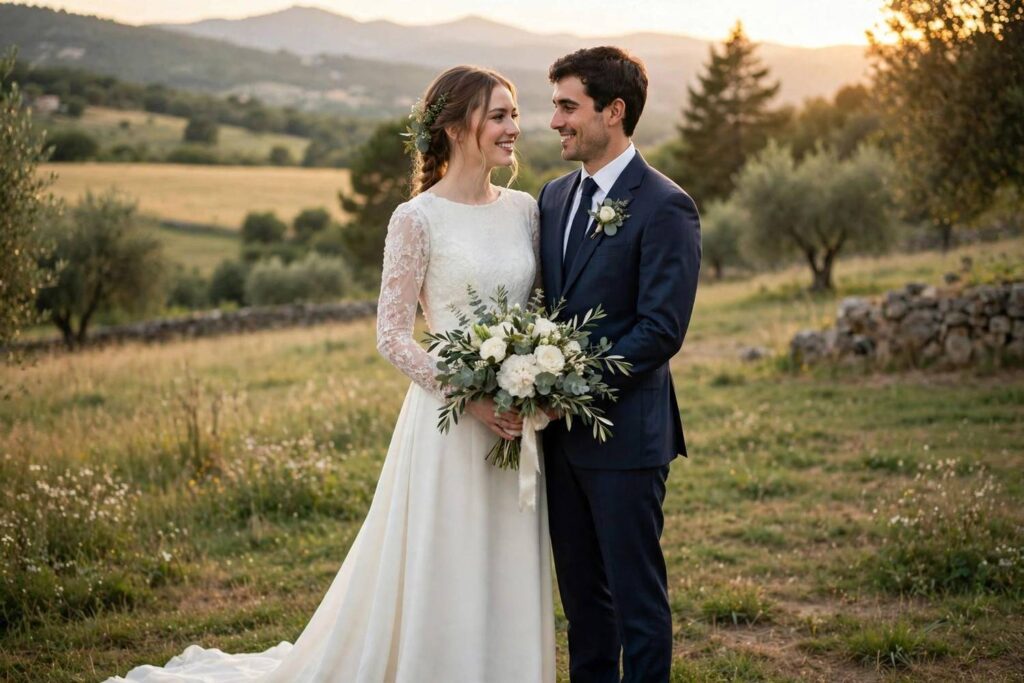
Let’s clear this up first: a second wedding deserves exactly as much joy as a first. The old rulebook — keep it small, keep it quiet, don’t wear white — belongs in a museum. Modern second wedding etiquette is refreshingly simple: celebrate the way you want, be considerate of the people you love, and skip the apology tour. Here’s how to navigate the questions that actually come up.
The Golden Rule: No Apologies
The biggest etiquette mistake in second weddings isn’t wearing the wrong thing or inviting the wrong people — it’s acting like you’re getting away with something. You are two adults choosing each other. Plan the wedding that fits this relationship, not the wedding you think you’re “allowed” to have. Guests take their cues from you: if you’re joyful and unapologetic, they will be too.
What You Can Absolutely Do
Wear whatever you want
White, ivory, blush, red, a jumpsuit — all fine. The old “no white for second weddings” rule is dead, and honestly it was never about etiquette so much as outdated symbolism. Wear what makes you feel like a bride (or groom, or celebrant of love in whatever form).
Have a big wedding if you want one
There’s no rule that second weddings must be small. If you want 200 guests and a band, have 200 guests and a band. The only consideration is practical: make sure the scale fits your budget and energy, not someone else’s expectations.
Register for gifts
Yes, really. Many second-time couples already have fully stocked homes, so consider alternatives: a honeymoon fund, contributions to a charity, or a small registry of upgrades and experiences. But registering itself is perfectly proper — guests want guidance on what to give.
Have a wedding party
Bridesmaids, groomsmen, or a mixed crew of your favourite people — absolutely. Many second-time couples choose smaller parties or skip the matching outfits, but having your people stand with you never goes out of style.
Navigating the Sensitive Stuff
Children from previous relationships
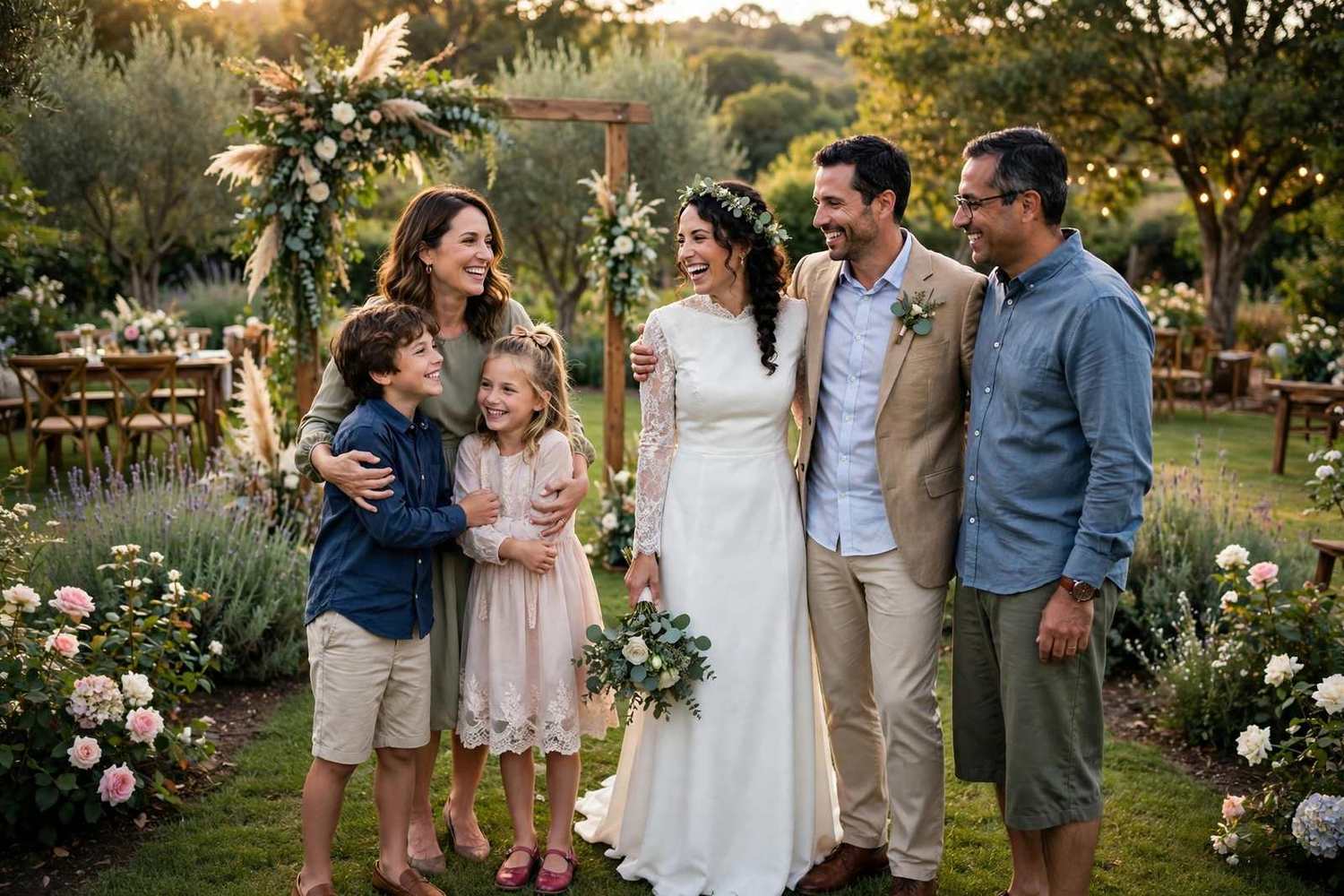
This is where second-wedding etiquette matters most. Include children in age-appropriate ways: walking down the aisle, doing a reading, presenting rings, or joining a family unity ritual like sand blending. Talk to them beforehand about their comfort level — some kids love the spotlight, others would rather just attend. Never force participation, and never make them feel like accessories.
If children are struggling with the transition, acknowledge it privately and give them time. A wedding is one day; the family you’re building is forever. Prioritise accordingly.
Ex-partners
Generally, ex-spouses are not invited to the wedding — with the exception of co-parenting situations where everyone’s genuinely comfortable. Don’t invite an ex out of guilt or to prove maturity. Your wedding day is not the venue for demonstrating how evolved you are.
How to word invitations
Second-wedding invitations follow the same formats as first weddings, with one tweak: since many couples host themselves, the invitation typically comes from the couple rather than parents. “Together with their families, [Name] and [Name] request the honour of your presence…” works perfectly. For wording help, our guide to wedding invitation wording covers every scenario, including couples hosting themselves.
Divorced or widowed: does it change things?
Only in tone, not in rules. Widowed couples sometimes incorporate a quiet tribute to a late spouse — a candle, a mention in the program — which guests find moving, not awkward. Divorced couples: no need to reference the past at all. This wedding is about this love story.
Money Etiquette for Second Weddings
Second-time couples typically pay for their own weddings, which actually simplifies things — no navigating parents’ expectations attached to parents’ money. If family offers to contribute, accept graciously and be clear about whether the gift comes with opinions attached.
Budget-wise, many couples find second weddings cost less, not because of rules but because priorities shift: you know what matters (good food, good music, the people) and what doesn’t (favours nobody keeps, chair covers). Our guide to planning a wedding on a small budget applies beautifully here, and a full wedding planning checklist keeps the shorter timeline on track.
Announcements and Showers
Bridal showers for second weddings: perfectly fine if someone offers to host, though they’re usually smaller and more casual — think luncheon rather than big production. Bachelor/bachelorette parties: same as ever, scaled to your friend group. Engagement announcements: share your news joyfully and without caveats. “We’re engaged!” needs no footnote.
Second Wedding Etiquette: The Ceremony Itself
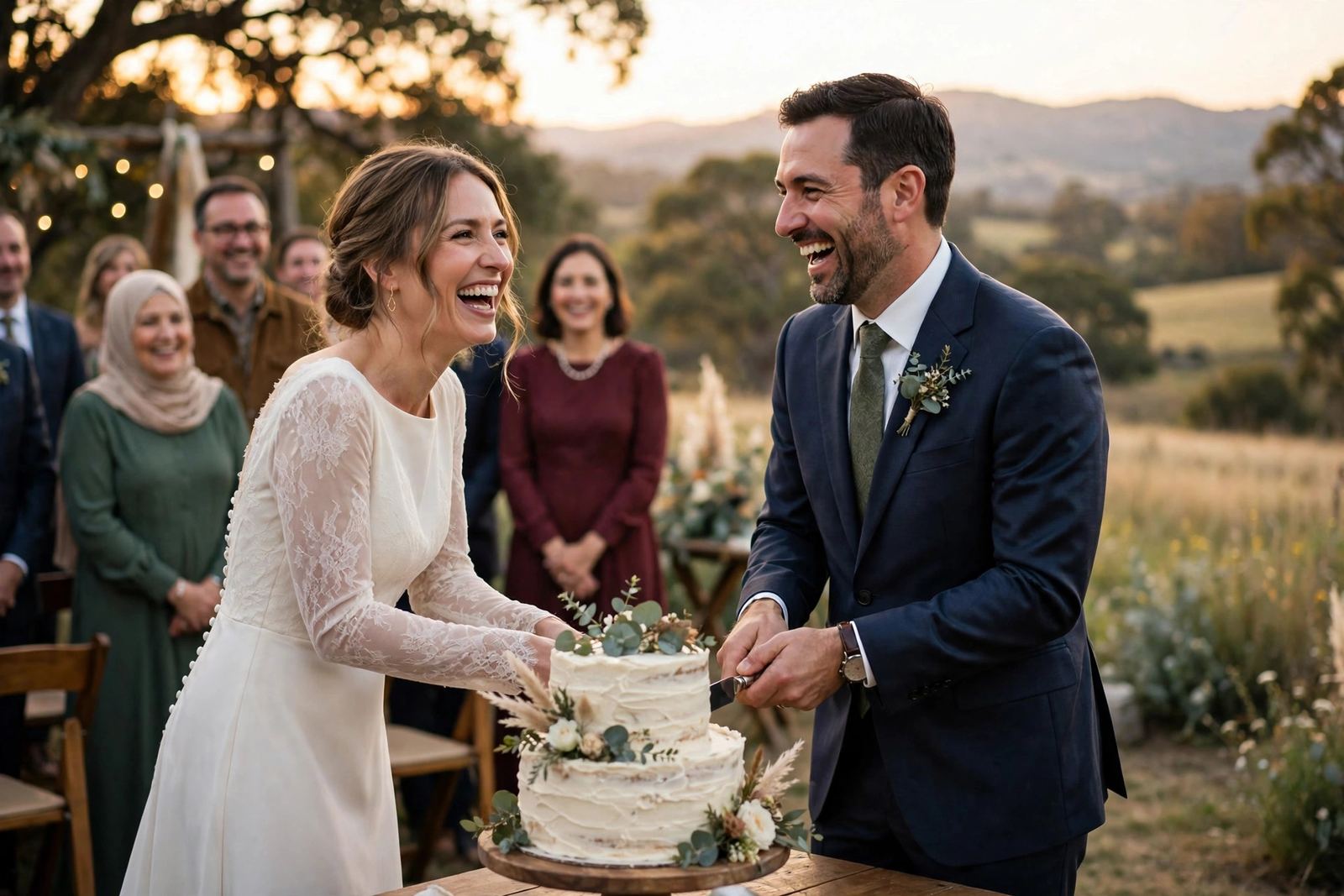
The ceremony is where second-wedding questions cluster most. Here’s how modern etiquette handles each one.
Walking down the aisle
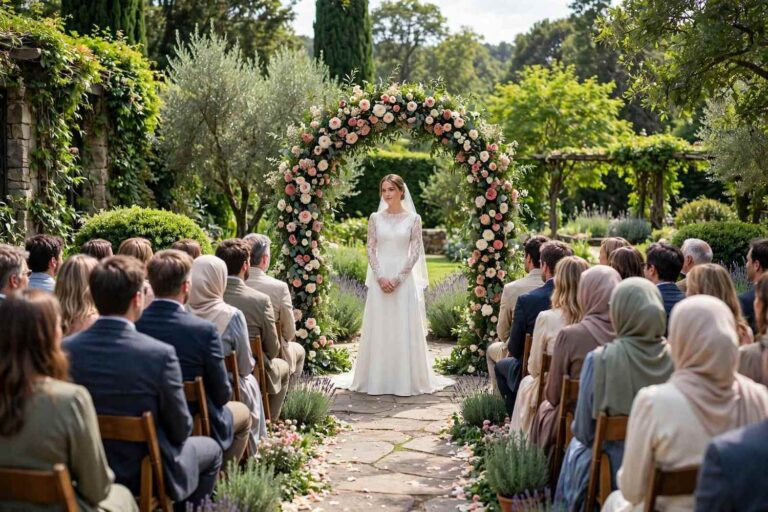
Do whatever feels right. Some brides walk with their father again; others walk with their children, their mother, a close friend — or their partner, together. Walking in together as a couple is increasingly popular for second weddings and symbolically perfect: you’re entering this marriage as equals with history. There’s no “correct” choice, only the one that feels like you.
Being “given away”
The traditional “who gives this woman” moment doesn’t quite fit when you’re an adult with a mortgage and a career. Many couples skip it, replace it with a family blessing (“we, her family, joyfully support this union”), or have children do the honour. If the tradition matters to your family, keep it — etiquette serves the people, not the other way around.
Vows: same or new?
Write new ones. Your first wedding had its vows; this marriage deserves its own words. Second-wedding vows tend to be better than first-wedding vows — you know what marriage actually requires now, and that knowledge produces vows with substance. Acknowledge the past lightly if you wish (“I’ve learned what forever takes”), but keep the focus on this love story.
First dance, bouquet toss, garter
All optional, all fine either way. Many second-time couples keep the first dance (it’s romantic, full stop) and skip the bouquet and garter tosses — not from propriety, but because they feel a bit collegiate the second time around. Single friends won’t feel deprived; most are relieved.
Second Wedding Etiquette for Guests
If you’re attending a second wedding, the etiquette is simple: treat it exactly like a first wedding. Bring a gift (or give from the registry), dress for the stated formality, and bring the same enthusiasm. The only thing worse than a guest who treats a second wedding as lesser is a guest who says so out loud.
What to wear: Follow the dress code on the invitation. Don’t dress more casually “because it’s a second wedding” — that’s not your call to make.
Gifts: Yes, bring one. The couple registered because they want guidance honoured. If there’s a honeymoon fund or charity option, those are perfectly proper choices.
Plus-ones and kids: Respect the invitation as written. Second weddings often have tighter guest lists (blended families fill seats fast), so don’t assume.
What not to say: Avoid “third time’s the charm” jokes, comparisons to the first wedding (“this is so much nicer than…”), and any mention of the ex. Celebrate what’s in front of you.
Second Wedding Attire: What’s Appropriate
Attire questions come up constantly with second weddings, mostly because the old rules were so specific. Here’s the modern reality.
For the bride
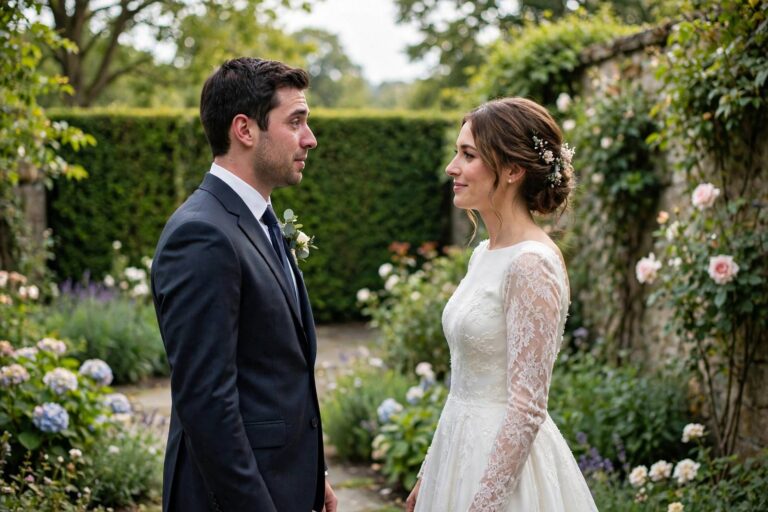
Wear what makes you feel like a bride — full stop. White and ivory are completely fine; so are blush, champagne, blue, floral prints, or a chic suit. Veils are fine too, though many second-time brides choose a simpler headpiece, birdcage veil, or fresh flowers. The dress can be as formal or as relaxed as the wedding itself. The only “rule” is the universal one: dress for your venue and formality level, not for your wedding number.
For the groom
Same logic. A full tux for a formal evening wedding, a well-cut suit for most celebrations, or relaxed attire (linen suit, no tie) for beach or backyard weddings. Second-time grooms sometimes worry about looking like they’re “trying too hard” — ignore that instinct. Dressing well for your wedding is never trying too hard.
For the wedding party
Bridesmaids and groomsmen attire follows the wedding’s formality, same as any wedding. Many second-time couples opt for mismatched bridesmaid dresses or “wear a suit you own in this colour family” for groomsmen — less cost, less fuss, and it photographs beautifully. Just communicate clearly what’s expected so nobody guesses wrong.
What about the “something old” traditions?
Keep, adapt, or skip them as you like. Many second-time couples find new meaning in the old traditions: “something old” from the life you’ve built, “something new” for the marriage ahead, “something borrowed” from a dear friend, “something blue” because why not. Traditions are tools for meaning, not obligations — use the ones that resonate and release the rest.
Second Wedding Invitations: Timing and Tone
Send second-wedding invitations on the same timeline as any wedding: save-the-dates six to eight months out, invitations eight weeks before (ten to twelve for destination weddings). The tone can be whatever fits — formal engraved invitations for a black-tie affair, or a beautifully designed digital invitation for something relaxed. One modern touch many second-time couples love: including a short personal note about what this celebration means, especially when blending families. It sets a warm tone and quietly signals to any sceptical relatives that this is a joyful occasion, full stop.
Frequently Asked Questions About Second Wedding Etiquette
Can you wear white to your second wedding?
Yes. The old rule against white at second weddings is outdated and widely ignored. Wear whatever colour makes you feel wonderful — white, ivory, blush, or something entirely different.
Is it OK to have a big second wedding?
Absolutely. There’s no etiquette rule limiting the size of a second wedding. Plan the celebration that fits your relationship, your budget, and your energy.
Should you register for gifts for a second wedding?
Yes, registering is perfectly proper. Many couples opt for honeymoon funds, experience registries, or charitable contributions instead of traditional household goods — all are well within modern etiquette.
Do you invite your ex to your second wedding?
Generally no. The exception is genuinely comfortable co-parenting relationships where everyone — including your new partner — is at ease. Never invite an ex out of obligation.
How do you include children in a second wedding?
Offer age-appropriate roles: walking down the aisle, readings, ring presenting, or a family unity ritual. Discuss it with them first and respect their comfort level — participation should feel like an honour, not an obligation.