Best Road Trip Routes in Europe: 6 Unforgettable Drives

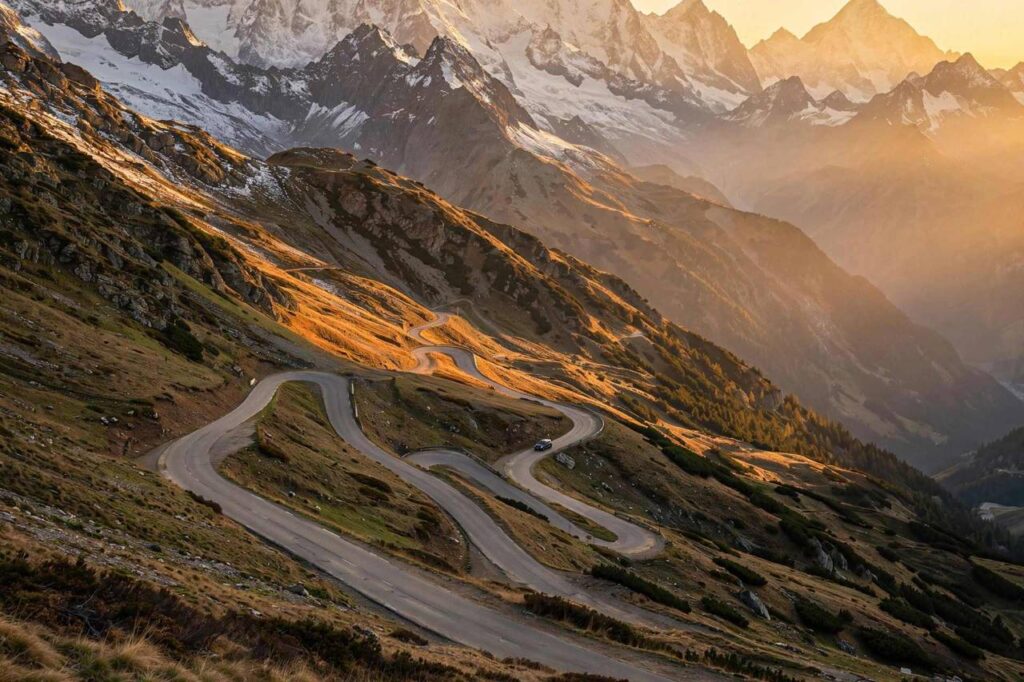
There’s no better way to see Europe than through a windshield. Trains are efficient, planes are fast, but a road trip gives you the villages between the cities, the viewpoint you didn’t plan, the bakery you smelled before you saw. These are the best road trip routes in Europe — the drives people remember for decades, covering everything from Alpine passes to Mediterranean coastlines. I’ve driven three of them, and the other three are at the top of my list.
Each route below includes the essential details: distance, ideal duration, best season, and what makes it special. All assume you can drive a manual or can specifically request an automatic rental (book automatics well ahead in Europe — they’re scarce). If you need help sequencing the stops, how to plan a Europe trip walks through it step by step.
1. The Romantic Road, Germany
Distance: ~350 km | Duration: 4–5 days | Best: May–September
The classic. From Würzburg to Füssen through medieval walled towns (Rothenburg ob der Tauber is the postcard), past Neuschwanstein Castle — the fairy-tale one — with easy detours to Munich or the Alps. It’s touristy in summer, but the route earned its fame: half-timbered towns, castle views, and some of Germany’s best beer gardens. Go in May or September to dodge the coach tours.
2. Amalfi Coast, Italy
Distance: ~50 km (Sorrento to Salerno) | Duration: 2–3 days | Best: April–June, September
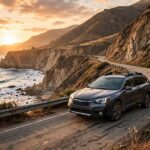
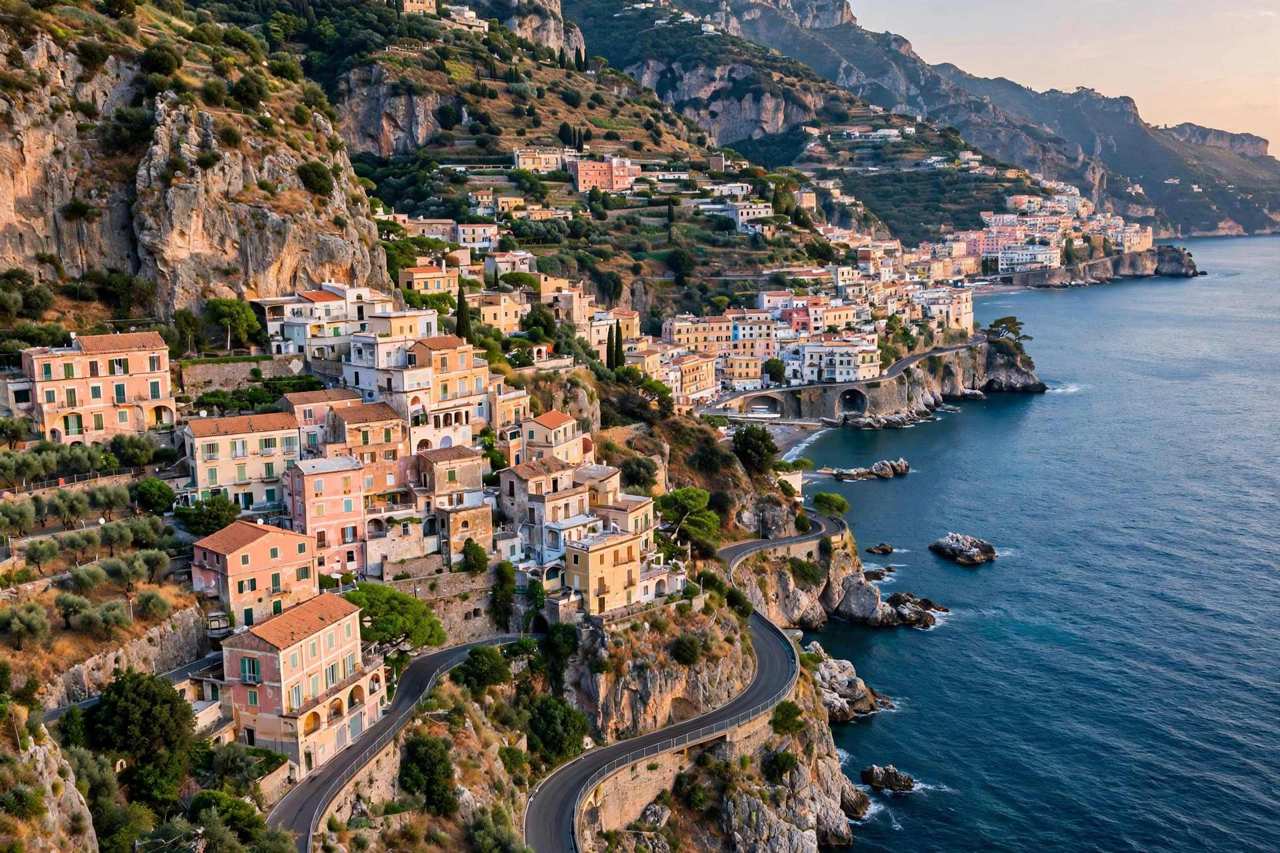
Short, slow, and utterly spectacular — cliff roads above a vertical coastline, with Positano and Ravello clinging to the rock. The driving is genuinely challenging (narrow, buses, scooters), so confident drivers only, and go early in the day. Stay in one town and drive the coast in sections rather than rushing it. Pair it with a few days in Naples or Capri for the full southern Italy experience.
3. The Ring Road, Iceland
Distance: ~1,340 km | Duration: 7–10 days | Best: June–August (full loop); winter for Northern Lights (partial)
One road around an entire country of waterfalls, glaciers, black beaches, and geothermal fields. Summer gives you the full loop with midnight sun; winter gives you auroras but closes parts of the route. Book accommodation ahead in summer — Iceland’s popularity means small-town guesthouses fill up. Fuel up whenever you see a station in the east and north; gaps are long.
4. Route des Grandes Alpes, France
Distance: ~700 km | Duration: 5–7 days | Best: June–September (passes snow-closed otherwise)
From Lake Geneva to the French Riviera over 16 mountain passes, including the legendary Col de l’Iseran and Col du Galibier. This is the driver’s route — hairpins, altitude, views that make you pull over every ten minutes. It ends at the Mediterranean, which means you can go from snow patches to swimming in a single day. Check pass opening dates; they vary by year and snowfall.
5. The Atlantic Road & Norwegian Fjords, Norway
Distance: varies (500–1,000 km+) | Duration: 7–10 days | Best: May–September
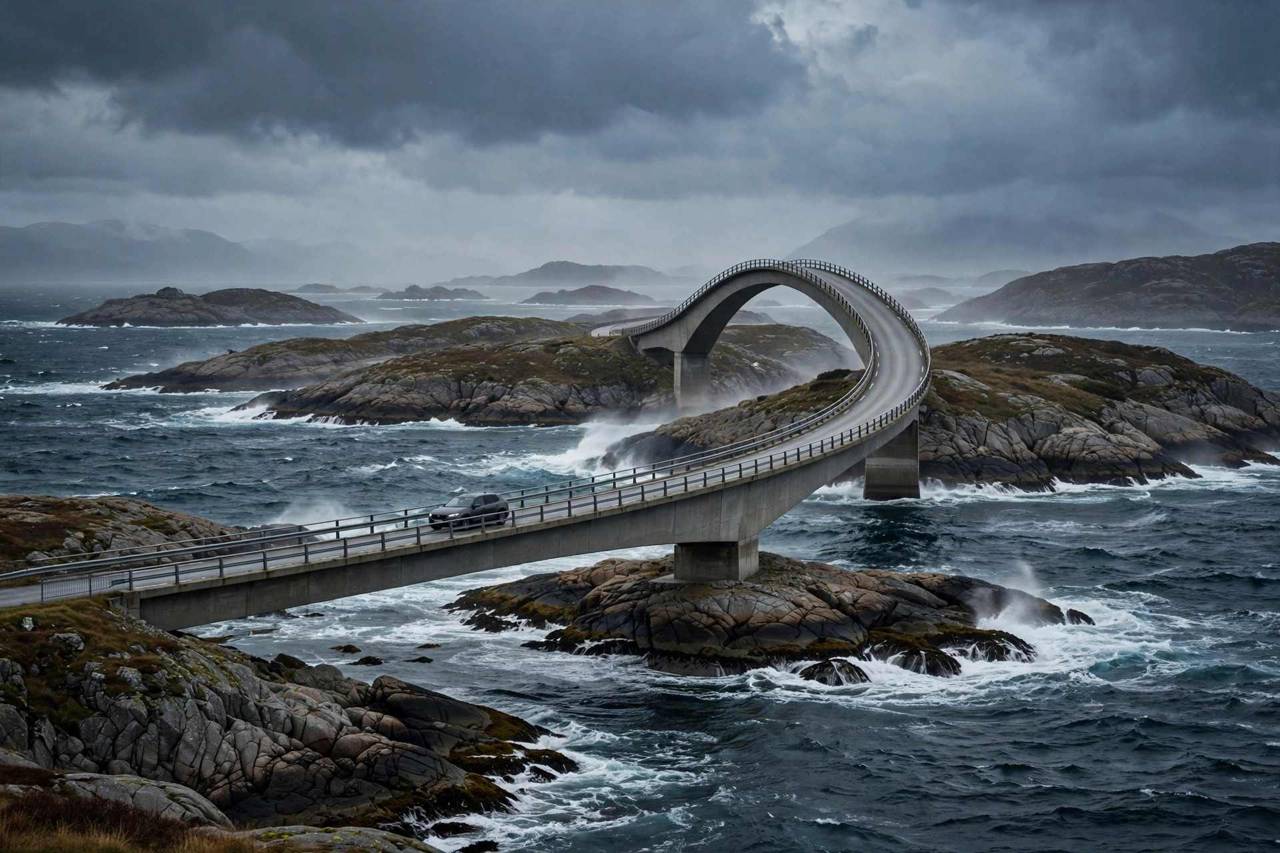
Norway’s fjord country is road-tripping at its most dramatic: the Atlantic Road hopping between islands on bridges, the Trollstigen serpentines, Geirangerfjord’s viewpoints, and ferries that are part of the route, not interruptions. It’s expensive (Norway always is), but the scenery-per-kilometer ratio is unmatched in Europe. Ferries and tolls add up — budget for them.
6. Andalusia Loop, Spain
Distance: ~600 km | Duration: 7 days | Best: March–May, September–November (avoid summer heat)
Seville to Córdoba to Granada to Ronda and back — Moorish palaces, the Alhambra, white villages perched on gorges, flamenco, and tapas culture at its peak. Spring brings orange blossom and wildflowers; the driving is easy and the distances are short. Book Alhambra tickets weeks ahead — they sell out, and it’s the one thing you can’t improvise.
Best Road Trip Routes in Europe: Practical Driving Tips
- License: most visitors need an International Driving Permit alongside their home license — get it before you leave; it’s cheap and quick from your automobile association.
- Tolls: France, Italy, Spain, and Portugal have extensive toll motorways — budget €50–100+ for long routes. Some countries (Switzerland, Austria) use vignette stickers instead.
- Fuel: diesel is common and often cheaper; note that many European rentals are manual — automatics cost more and must be reserved early.
- Parking: old-town centers often restrict cars (ZTL zones in Italy will fine you automatically via camera). Park outside and walk in.
- Speed cameras: everywhere, and fines follow you home via the rental company (plus an admin fee). Respect the limits.
- Border crossings: Schengen means no stops between most countries — but carry your passport and rental documents anyway.
first-time Europe visitors is worth reading if it’s your first time on the continent.
Renting a Car in Europe: What First-Timers Must Know
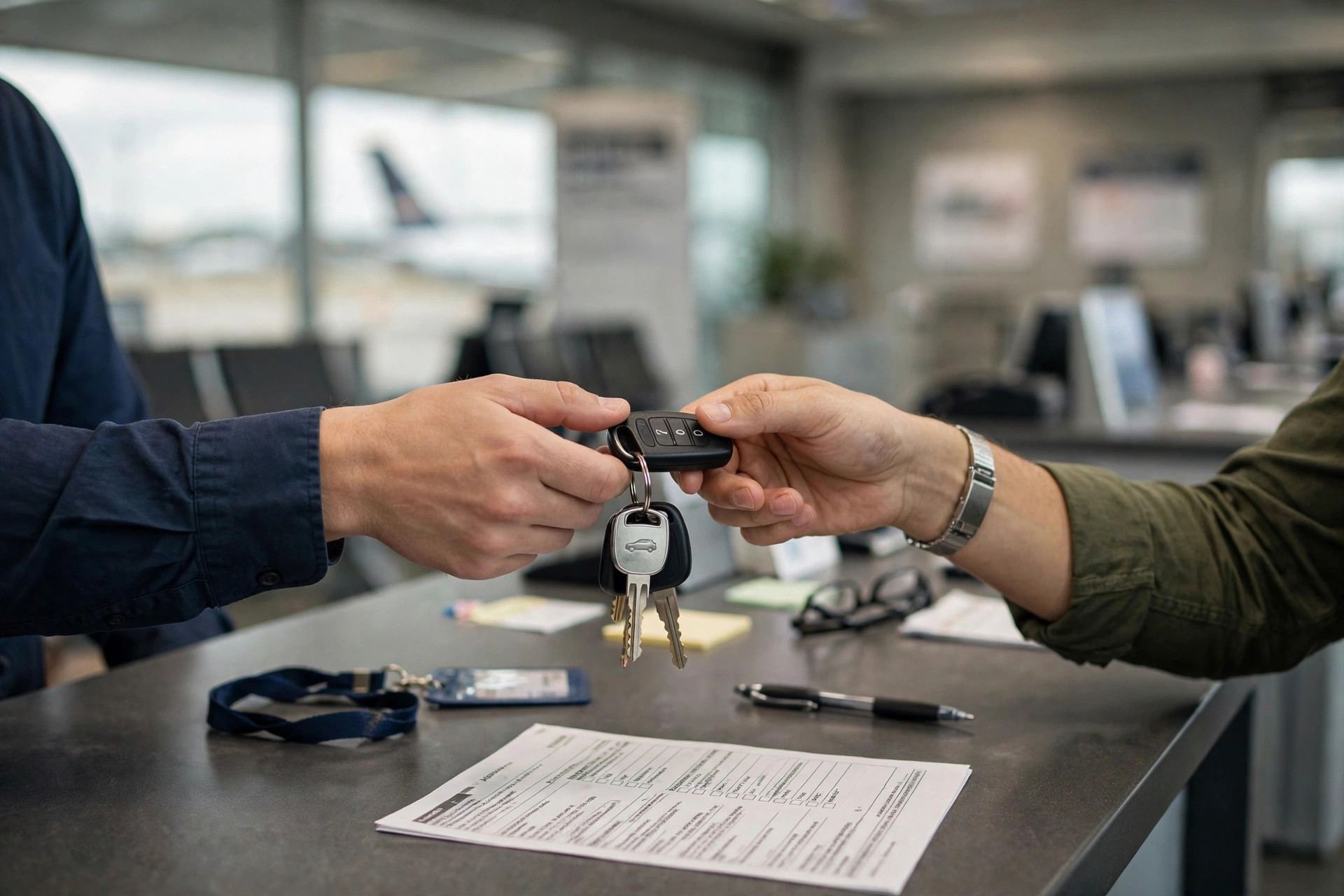
- Book automatic early: the vast majority of European rental fleets are manual. Automatics exist but cost 30–50% more and sell out — reserve weeks ahead, and confirm by phone if it matters.
- Age and license: most companies rent to 21+, with young-driver surcharges under 25. Bring your home license and an International Driving Permit.
- Insurance: check whether your credit card covers rental car damage abroad — many premium cards do, which lets you decline the rental company’s expensive daily CDW. Read the terms; “worldwide” sometimes excludes specific countries.
- One-way fees: picking up in one country and dropping in another can add hundreds. Sometimes two separate rentals (or a train between them) is cheaper.
- Inspect and photograph: document every scratch at pickup with timestamped photos. Disputes over “new” damage are common; photos end them instantly.
- Fuel policy: always choose full-to-full. Prepaid fuel options are priced for the rental company’s benefit, not yours.
Packing for a European Road Trip
- Paperwork pouch: licenses, IDP, rental agreement, insurance docs, passports — in the glovebox, not the trunk.
- Offline maps: download the whole route region. Mountain passes and rural areas have dead zones exactly where you need navigation most.
- Car kit: many countries legally require a high-visibility vest, warning triangle, and sometimes a breathalyzer or spare bulbs. Rental companies usually provide these — verify at pickup.
- Snacks and water: Alpine passes and Norwegian fjord roads have long gaps between services. A hungry driver on a hairpin road is a bad combination.
- Layers: mountain weather changes hourly. Pack for 15 degrees colder than the valley forecast.
- Coins and a card: some toll booths and rural fuel stations are card-only; some parking meters are coin-only. Carry both.
Extending the Trip: Where Each Route Leads
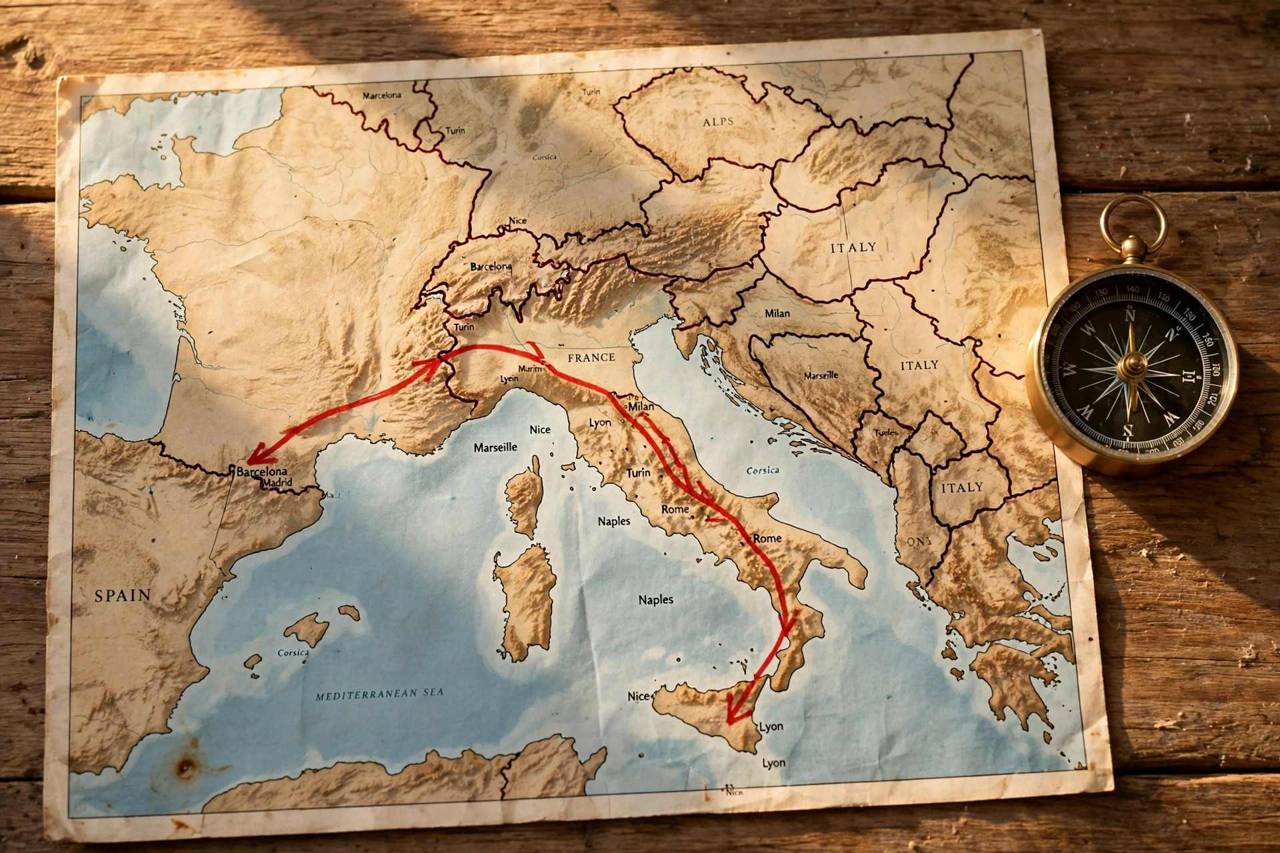
Every route above connects naturally to more: the Romantic Road flows into Austria’s lakes or Prague; the Amalfi Coast pairs with Naples, Pompeii, or a ferry to Sicily; Iceland’s Ring Road begs for the Westfjords detour if you have extra days; the Route des Grandes Alpes ends at the Riviera — keep going into Italy’s Liguria; Norway’s fjords connect to the Lofoten Islands for the truly committed; Andalusia links to Portugal’s Algarve in a few hours. Road trips compound — the hardest part is stopping.
Choosing Your Route: A Quick Decision Framework
Six routes is five too many to choose from, so decide by what you want most. Maximum scenery per kilometer: Norway’s fjords or the Route des Grandes Alpes. Easiest driving: Andalusia or the Romantic Road — wide roads, short hops, forgiving logistics. Best food along the way: Andalusia (tapas culture) or Amalfi (the entire coastline is a restaurant). Most bragging rights: Iceland’s Ring Road — an entire country in one loop. Best on a budget: Andalusia or the Romantic Road; Norway and Switzerland will test your credit limit. Best for a short trip: Amalfi (2–3 days) — the others want a week minimum. And if you’re traveling with kids, pick Andalusia or the Romantic Road: short driving days, castles and palaces at every stop, and none of the white-knuckle mountain passes.
The Unplanned Stops Are the Trip
One last thing, and it’s the most important: every route above is a suggestion, not a schedule. The bakery you smell before you see, the viewpoint with no name on the map, the village festival you stumble into because you took a wrong turn — these unplanned moments are what you’ll talk about in ten years, not the checklist of famous sights. Build slack into your driving days, say yes to the detour sign, and stop whenever something catches your eye. The route gets you there; the wandering makes it unforgettable.
And one practical reminder that applies to every route on this list: download your offline maps, photograph the rental car’s condition at pickup, and keep the International Driving Permit in the glovebox — the three things that turn a potential roadside headache into a non-event.
Frequently Asked Questions
What is the best road trip in Europe for first-timers?
Germany’s Romantic Road or Spain’s Andalusia loop. Both have easy driving, short distances between stops, great infrastructure, and forgiving logistics. Save the Amalfi Coast and Alpine passes for when you’re comfortable with narrow mountain roads.
Do I need an international driving permit in Europe?
In most European countries, visitors from outside the EU need an International Driving Permit (IDP) alongside their national license. Rental companies may not ask, but police can — and insurance can be voided without one. Get it from your home country’s automobile association before departure.
Is it better to rent a car or use trains in Europe?
Trains win for city-to-city travel — faster, no parking hassles. Cars win for rural areas, coastlines, mountains, and anywhere the itinerary says “scenic route.” The best trips often combine both: train between major cities, rent a car for the countryside loop.
When is the best time for a European road trip?
May–June and September are ideal for most routes: good weather, open mountain passes, manageable crowds. July–August brings peak traffic and prices; Alpine passes are snow-closed roughly October–May; southern Spain is brutally hot in midsummer.
How much does a European road trip cost?
Highly variable, but budget roughly: car rental €40–80/day (more for automatics), fuel €1.60–2/liter, tolls €50–150 for long motorway routes, and accommodation as usual. Norway, Switzerland, and Iceland run significantly more expensive than Spain, Portugal, or Eastern Europe.
Can I take a rental car across European borders?
Usually yes within the EU/Schengen area, but always declare it when booking — some companies charge cross-border fees or restrict certain countries. Eastern Europe, the UK (different side of the road), and non-EU Balkan states often have specific restrictions. Get it in writing.