Solo Travel Tips for Beginners: Your First Trip, Done Right

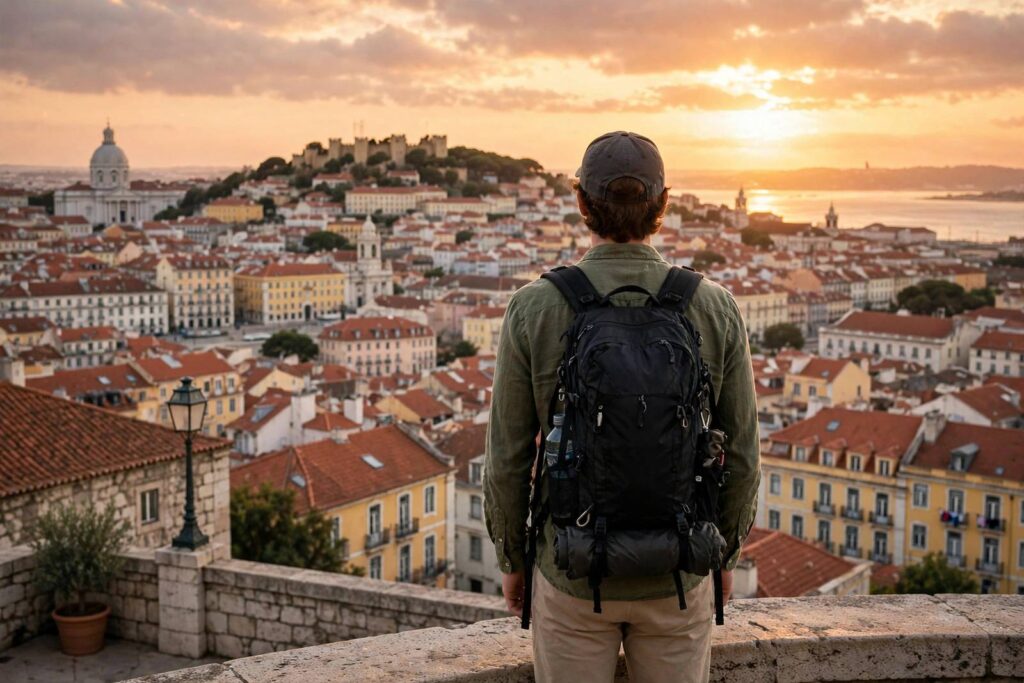
I still remember the flutter of nerves before my first solo trip — a week in Lisbon, alone, with a backpack and a vague plan. By day three, I was having dinner with people I’d just met and wondering why I’d waited so long. These solo travel tips for beginners are everything I wish someone had told me before that trip: practical, honest, and learned the hard way so you don’t have to.
Start With the Right Destination
Your first solo trip should be easy mode. That doesn’t mean boring — it means a place with good public transport, a well-trodden tourist trail, and a culture accustomed to visitors. Portugal, Japan, Thailand, and New Zealand are classic first-solo-trip picks for good reason: they’re safe, navigable, and full of other travellers.
I’d suggest avoiding places where you’d need to negotiate everything from scratch on day one. Save the ambitious overland adventures for trip three or four, when you’ve built up your travel muscles. If you’re specifically looking for inspiration, our roundups of the best solo female travel destinations and the safest countries for solo female travellers are solid starting points whatever your gender — the criteria (good infrastructure, low hassle, welcoming locals) help everyone.
Plan Enough, But Not Too Much
Beginners tend to make one of two mistakes: planning nothing and feeling lost, or planning every hour and feeling trapped. The sweet spot is booking your first two nights’ accommodation and your arrival transport, then leaving the rest loose. Knowing exactly where you’re sleeping on night one removes 90% of first-day anxiety.
Have a rough list of things you want to do, but let the days shape themselves. Some of my best solo travel memories — a cooking class in Hoi An, a fado night in Alfama — came from hostel notice boards and conversations, not itineraries.
Safety: The Non-Negotiables
Let’s talk about safety directly, because it’s the thing every beginner worries about most. Solo travel is statistically very safe in most tourist destinations, but “most” isn’t “all,” and smart habits matter more when you’re alone.
Share your itinerary
Someone at home should always know roughly where you are. Share your live location with a trusted person via WhatsApp or your phone’s built-in sharing, and send a quick check-in message each evening. It takes ten seconds and it matters.
Trust your instincts, loudly
If a situation feels off, leave. Don’t worry about being polite, don’t worry about overreacting. Every experienced solo traveller I know has a story about the time their gut was right. Politeness is never worth more than your safety.
Arrive in daylight
Plan to reach new cities during the day, especially the first time. Navigating an unfamiliar neighbourhood is ten times easier in sunlight, and you’ll get your bearings before night falls. If a late arrival is unavoidable, pre-book a transfer or taxi rather than figuring out local transport at midnight.
Keep valuables boring
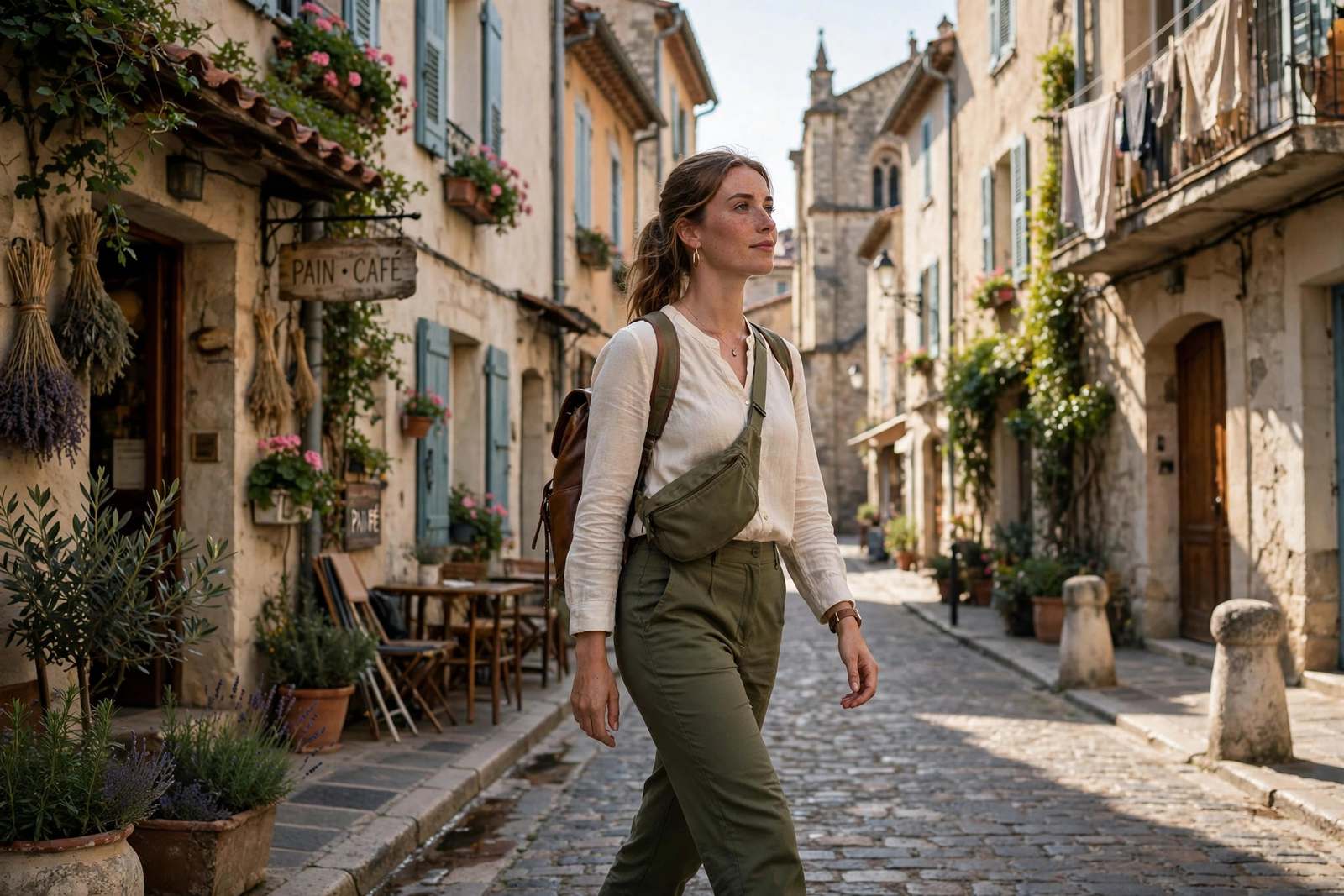
Leave the flashy jewellery and designer bag at home. Use a crossbody bag with a zip, keep your phone in a front pocket in crowds, and split your cash and cards — some on you, some in your accommodation’s safe. A money belt feels dorky until the day you’re glad you wore one.
Where to Stay as a Solo Traveller
Accommodation choice shapes your whole trip. Hostels — specifically social hostels with common areas and organised activities — are the beginner solo traveller’s secret weapon. You get a cheap bed, instant social life, and staff who know the city. Book a private room in a hostel if dorms aren’t your thing; you keep the social scene without the snoring stranger.
Guesthouses and small B&Bs are the next best option: hosts often become impromptu guides. Hotels are fine but can feel isolating — if you go the hotel route, pick ones with a decent bar or rooftop where people actually gather.
How to Meet People (Without Being Awkward)
The fear of loneliness stops a lot of people from travelling solo, but here’s the truth: it’s easier to meet people alone than with a companion. You’re approachable, you’re available, and other solo travellers are looking for exactly the same thing.
Walking tours (the free-tip-based ones in every major city) are the single best social hack in travel — you spend three hours with a group of like-minded people and lunch plans form naturally. Hostel pub crawls, cooking classes, and day-trip excursions work the same way. And the simplest opener in the world still works: “Where are you headed next?”
That said, protect your alone time too. Some of the best parts of solo travel are the solitary ones — a morning coffee watching a city wake up, a museum at your own pace. You don’t have to be social every minute. For more on travelling at a human pace, slow travel might change how you think about itineraries entirely.
Eating Alone: Get Comfortable With It
Your first solo restaurant meal feels strange. Your fifth feels luxurious. Bring a book or a journal for the first couple of times if it helps, sit at the bar or a counter (designed for solo diners), and go at lunch when restaurants are busier and less intimate. Street food markets are a beginner’s best friend — nobody eats street food self-consciously.
Food tours deserve a special mention: you eat well, learn the city, and spend two hours with a small group. Book one for your first evening in a new place and you’ll arrive at dinner with new acquaintances and a list of places to try.
Money and Logistics for First-Timers
Budget a little more than you think you’ll need. Solo travellers can’t split costs — no shared taxi fares, no splitting a double room — so everything costs slightly more per person. Having a buffer removes the low-level stress of watching every penny.
Get travel insurance. Not the “maybe” kind — the actual kind, bought before you leave. When you’re alone, there’s no one to handle logistics if you get sick or your bag goes missing, and insurance turns a crisis into an inconvenience. Also: photograph your passport, visa, and insurance details and keep copies in your email as well as on your phone.
The Mindset Shift
Here’s what nobody tells beginners: the first 48 hours are the hardest. You’ll feel conspicuous, maybe lonely, possibly convinced you’ve made a mistake. This is normal. It passes. By day three, the rhythm kicks in — you start making small decisions confidently, chatting with strangers, and realising that the person you were worried about entertaining was never the point.
Solo travel isn’t about proving you’re independent. It’s about discovering that your own company is genuinely good company — and that the world is full of people happy to share a table with you along the way. For women specifically, our solo female travel tips go deeper on the practical side of travelling alone as a woman.
Solo Travel Tips for Beginners: 6 Mistakes to Avoid
Most solo travel tips for beginners focus on what to do. Just as valuable: what not to do. These are the mistakes I see first-timers make over and over — I made most of them myself.
Mistake 1: Overpacking
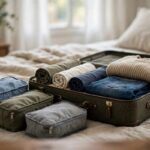
Beginners pack for every scenario; experienced solo travellers pack light because they know they’ll be carrying everything themselves — up hostel stairs, across cobblestones, onto crowded buses. If you can’t comfortably carry your bag for 20 minutes, it’s too heavy. You can buy almost anything you forget.
Mistake 2: Telling strangers where you’re staying
Be friendly, but be vague with new acquaintances about your exact accommodation — “somewhere near the old town” is plenty. This isn’t paranoia; it’s basic solo safety. Share specifics only with people you’ve genuinely gotten to know, and always let someone at home know your actual address.
Mistake 3: No backup plan for money
One card, one phone, no backup — that’s a single point of failure. Carry two cards from different banks (kept separately), some emergency cash in a separate spot, and know that card skimming happens. Tell your bank you’re travelling so they don’t freeze your card at the worst moment.
Mistake 4: Drinking too much alone
Enjoy the local nightlife, but pace yourself. Alcohol impairs exactly the judgement solo travellers rely on most — navigation, awareness, decision-making. Eat before you go out, alternate with water, and always know how you’re getting home before the first drink.
Mistake 5: Filling every minute
An overstuffed itinerary leaves no room for the spontaneous moments that make solo travel magical — the invitation to join a beach barbecue, the side street worth exploring, the afternoon you just needed to rest. Schedule roughly 70% of your time and leave the rest open. Some of my best travel days were the unplanned ones.
Mistake 6: Treating homesickness as failure
You will feel lonely or homesick at some point, probably around day four or five. This is normal, not a sign you shouldn’t have come. Call home, treat yourself to a comfort meal, get a good night’s sleep — and notice how you feel in the morning. Almost everyone wakes up glad they stayed.
Frequently Asked Questions About Solo Travel for Beginners
Is solo travel safe for beginners?
Yes, in most popular tourist destinations. Choose a beginner-friendly country with good infrastructure, follow basic safety habits (share your itinerary, arrive in daylight, trust your instincts), and you’ll find solo travel is statistically very safe. Research your specific destination’s safety situation before you go.
What is the best first solo trip destination?
Portugal, Japan, Thailand, Ireland, and New Zealand are perennial recommendations: safe, easy to navigate, good public transport, and full of fellow travellers. Pick somewhere that genuinely excites you — enthusiasm carries you through the nervous first days.
How do I meet people when travelling alone?
Stay in social hostels, join free walking tours, take cooking classes or food tours, and use day-trip excursions. The simplest approach works best: talk to other solo travellers, who are usually hoping someone will talk to them too.
Is it weird to eat alone at restaurants?
Only the first time. Sit at the bar or counter, go at busier lunch hours, and bring a book if it helps you settle in. Within a few days, eating alone feels completely natural — many solo travellers come to prefer it.
How much money do I need for a solo trip?
Budget slightly more per day than you would travelling as a pair, since you can’t split accommodation or transport costs. Having a financial buffer reduces stress enormously. Get travel insurance before you leave — it’s non-negotiable when you’re on your own.