Why Do Dogs Tilt Their Heads? The Science Behind the Look


It’s the single most charming thing dogs do. You say their name in a funny voice, and the head cocks sideways like they’re trying to solve a puzzle. But why do dogs tilt their heads — is it confusion, cuteness, or something their brains are actually doing? Researchers who study dog cognition have looked into this properly, and the answer turns out to be a mix of hearing, vision, and concentration. It’s not just adorable. It’s functional.
Let’s go through the leading explanations, what a recent study found about which dogs tilt most, and when a head tilt means something worth calling the vet about.
Why Do Dogs Tilt Their Heads? The Leading Theories
1. They’re adjusting their ears to hear you better
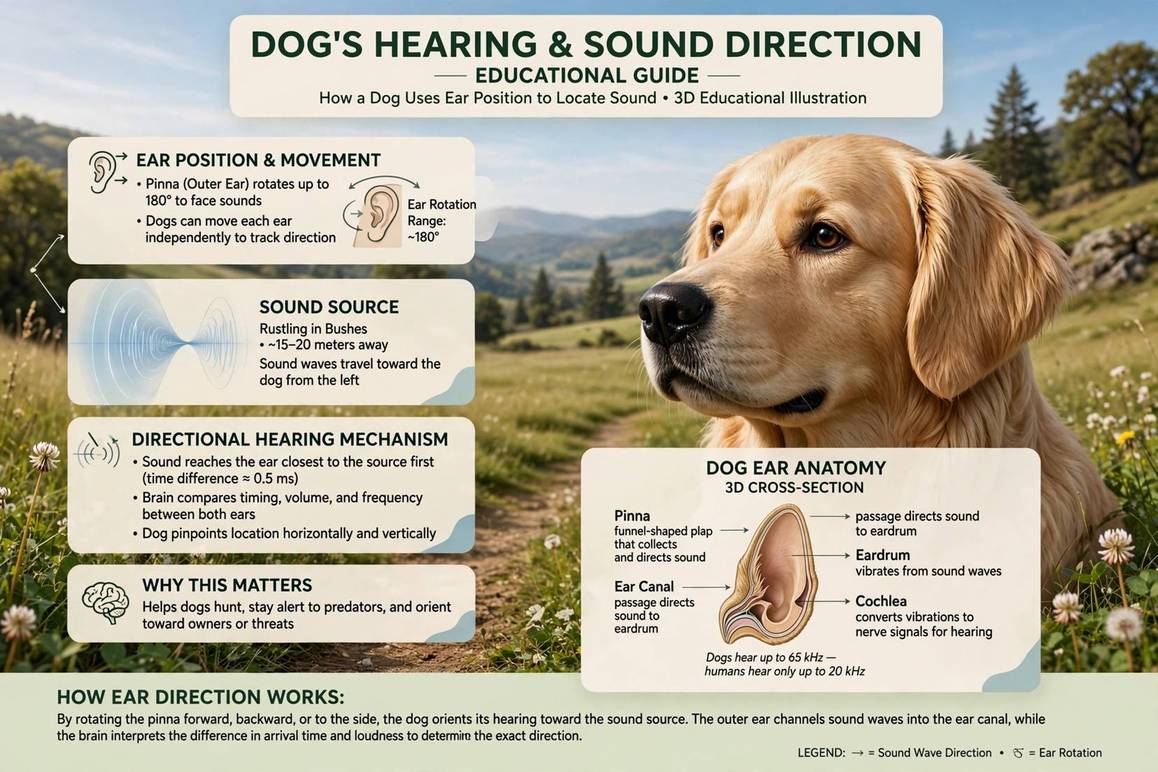
This is the oldest and most intuitive explanation. Dogs’ ears — especially floppy ones — can muffle or distort sound, and tilting the head changes the angle of the ear canals, helping the dog pinpoint where a sound is coming from and pick out the important frequencies. When you speak in an unusual tone, the tilt may literally be your dog tuning in, the way you’d cup your hand behind your ear.
2. They’re trying to see your face past their muzzle
Here’s one you might not have considered: a dog’s long muzzle can block the lower part of its vision. Researchers have suggested that tilting the head shifts the muzzle out of the way so the dog can see your mouth and facial expressions more clearly. Dogs read human faces intently — it’s one of the things domestication sharpened — so anything that improves the view is worth doing.

3. They’re concentrating
The most interesting recent evidence points here. A study on “gifted” dogs — dogs that had learned the names of many toys — found that these dogs tilted their heads significantly more often than typical dogs when concentrating, especially when hearing a familiar word. The researchers suggested the tilt correlates with active mental effort: the dog is matching what it hears to what it remembers. In other words, the head tilt may be the visible sign of a dog thinking hard.
4. You’ve trained them to do it (accidentally)
Be honest: the first time your dog tilted its head, what did you do? You probably laughed, said “awww,” and gave it attention — maybe a treat. Dogs are exquisite readers of our reactions, and behaviors that get rewarded get repeated. It’s entirely possible that some dogs tilt their heads partly because they’ve learned it makes their favorite human delighted. That’s not a lesser explanation; it’s a lovely one.
5. They’re responding to the sound of your voice specifically
Dogs are tuned to human vocal cues in a way few animals are. Changes in pitch, new words, or an emotional tone can all trigger the tilt. Some researchers think the head tilt helps dogs process the emotional content of speech — the brain’s way of saying “this sounds important, pay attention.”
Do Some Dogs Tilt More Than Others?
Yes, and the patterns are telling. The gifted-word-learner study found that dogs who knew many object names tilted their heads far more frequently — around 43% of the time versus about 2% for typical dogs. That strongly suggests the tilt is tied to processing and memory, not just hearing.
Breed and build may play a role too: dogs with longer muzzles and floppier ears seem to tilt more, which fits both the vision and hearing theories. But individual personality matters enormlessly — some dogs are just head-tilters and some aren’t, the same way some people gesture when they talk.
When a Head Tilt Is a Vet Visit, Not a Cute Moment
Everything above is about the voluntary, momentary tilt — the dog cocks its head, then straightens up. A persistent head tilt is a different thing entirely. If your dog’s head stays tilted to one side for hours, or the tilt comes with stumbling, circling, nausea, or a drooping face, that can indicate vestibular disease (a balance-system problem), an ear infection, or other neurological issues.
The rule of thumb: cute tilt that comes and goes = normal dog behavior. Tilt that doesn’t go away, or comes with other symptoms = call the vet. Don’t try to diagnose it yourself; balance disorders need professional assessment.
Read the Whole Dog, Not Just the Tilt
The head tilt never happens in isolation — it comes with ears, eyes, tail, and posture, and the full package tells you much more than the tilt alone. Here’s how to read the combination:
- Tilt + relaxed body + soft eyes + gently wagging tail: curiosity and engagement. This is the classic “I’m listening, tell me more” — the dog is happy and interested.
- Tilt + perked ears + stiff body + fixed stare: high alert. The dog has detected something worth serious attention — a strange sound, an unfamiliar animal. Not fear, exactly, but full focus.
- Tilt + lip licking + yawning + looking away: mild stress or uncertainty. These are calming signals; the dog is processing something it’s not sure about. Give it space rather than pushing the interaction.
- Tilt + play bow or bouncy movement: pure invitation. This tilt means “this is fun, keep going” — common when you’re talking in an excited voice before a walk or a game.
Dogs are constantly broadcasting on multiple channels at once, and humans tend to fixate on one — the adorable tilt — while missing the rest. The tilt tells you the dog is processing; the body tells you how it feels about what it’s processing. Together, they’re a surprisingly clear window into your dog’s mind.
A Simple Experiment You Can Try at Home
Want to see the concentration theory in action? Try this informal experiment. First, say your dog’s name in your normal voice — note the reaction. Then say a completely unfamiliar word (“xylophone,” “refrigerator”) in the exact same tone — note that reaction. Then say a familiar exciting word (“walk,” “treat”) in a flat, bored tone.
Most owners find the tilt shows up most for the unfamiliar word, regardless of tone — novelty drives it. The familiar word in a flat tone often gets a reaction based on meaning (ears up at “walk” even when you sound bored), while the unfamiliar word gets the tilt: the sound is interesting but unmapped, so the brain works to file it. You’re watching your dog’s auditory processing happen in real time, and it’s delightful.
Try it with different family members, too. Dogs often tilt more for unfamiliar voices, which fits the idea that the tilt helps with both hearing clearly and reading a less-familiar face. Just don’t overdo it — ten repetitions of “xylophone” and your dog will have filed it under “human making noise again.”
Do Cats Tilt Their Heads Too?
Occasionally, but it’s much rarer — and the reasons are anatomical. Cats have upright, highly mobile ears that swivel independently like radar dishes, so they can pinpoint sound without moving their heads. Their muzzles are shorter relative to their faces, so vision obstruction is less of an issue. And while cats certainly concentrate, they tend to show it through ear and whisker position rather than head tilts. When a cat does tilt its head, it’s usually the same curiosity response — just filtered through feline hardware that mostly solves the problem differently.
Senior Dogs and Head Tilts: What’s Normal at Every Age
Puppies tilt constantly — everything is new, and their brains are working overtime to map the world. Adult dogs settle into their own patterns. But senior dogs deserve a special note, because aging changes both the cute tilt and the concerning kind.
On the cute side, older dogs sometimes tilt more, not less. Hearing dulls with age, and a dog that’s losing some high-frequency hearing may tilt to catch sounds better — the same functional adjustment, just needed more often. Vision changes can have a similar effect. If your senior dog has started tilting at sounds it used to ignore, it’s often simple compensation, and worth mentioning at the next vet visit so hearing and vision can be checked.
On the concerning side, older dogs are more prone to vestibular disease — disruption of the balance system — which causes a persistent head tilt, often appearing suddenly, sometimes with circling, stumbling, or rapid eye movements. It looks alarming but is frequently manageable, and many dogs improve significantly with veterinary care. The key distinction remains duration and companions: a tilt that comes and goes with interesting sounds is behavior; a tilt that stays, especially with balance problems, is medical. When in doubt with a senior dog, call the vet sooner rather than later — you’ll never regret a false alarm, but a delayed real one is a different story.
FAQ: Why Dogs Tilt Their Heads
Does the head tilt mean my dog understands me?
Not the words, mostly — but the tone, absolutely, plus a growing vocabulary of familiar words. The tilt suggests active listening and processing. Dogs understand far more of our communication than their lack of reply suggests.
Why does my dog tilt its head at some sounds but not others?
Novel or emotionally charged sounds trigger it most: a new word, a strange noise, your “silly voice.” Familiar background noise gets ignored because there’s nothing to figure out. The tilt is a response to something worth processing.
Can I teach my dog to tilt its head on command?
Many people do, usually by marking and rewarding the natural tilt until the dog offers it for a cue. It’s harmless and delightful. Just be aware you’re reinforcing something the dog already does naturally.
Do puppies tilt their heads more than adult dogs?
Often yes, simply because everything is new to a puppy — more novel sounds, more things to figure out, more concentration. As the world becomes familiar, some of the tilting settles down (though the cutest ones keep it up for life).
My dog never tilts its head. Is something wrong?
Not at all. Some dogs just don’t do it, or do it so subtly you miss it. Breeds with upright ears and short muzzles may have less reason to tilt. It’s a behavior, not a health milestone — its absence means nothing.