How to Defog Windshield in Winter: The 4-Step Sequence

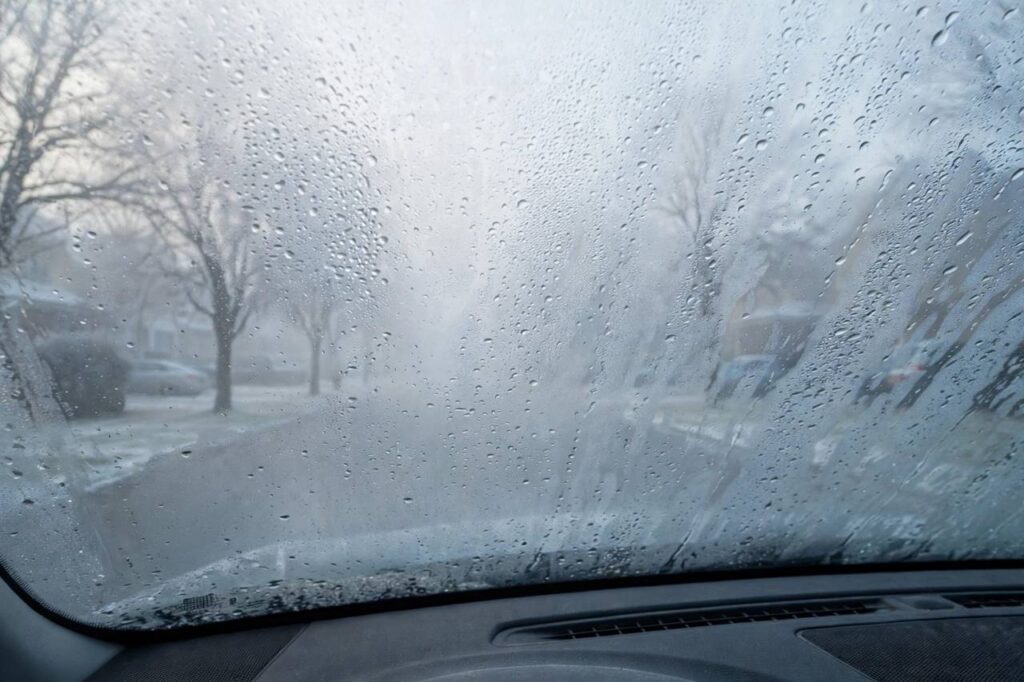
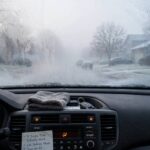
You are late, the windshield looks like a bathroom mirror after a hot shower, and wiping it with your sleeve just smears the fog into streaks. If you want to know how to defog windshield in winter without wasting ten minutes in the driveway, here is the good news: there is a specific sequence that clears glass in under five minutes, and it uses a button most drivers never touch in December. I spent years assuming fog was just something you waited out. It is not. It is physics, and once you understand the physics, you can beat it every single time.
Fog forms when warm, moist air inside the cabin hits cold glass. Your breath, wet coats, melting snow on floor mats — all of it loads the cabin air with humidity, and the windshield is the coldest surface around, so the moisture condenses there first. The fix is to attack both sides of the equation: warm the glass and dry the air. The four-step sequence below does exactly that, in the order that works fastest.
How to Defog Windshield in Winter: The 4-Step Sequence
Do these in order, and resist the urge to improvise. Each step builds on the one before it.
Step 1: Heat on Full, Aimed at the Windshield
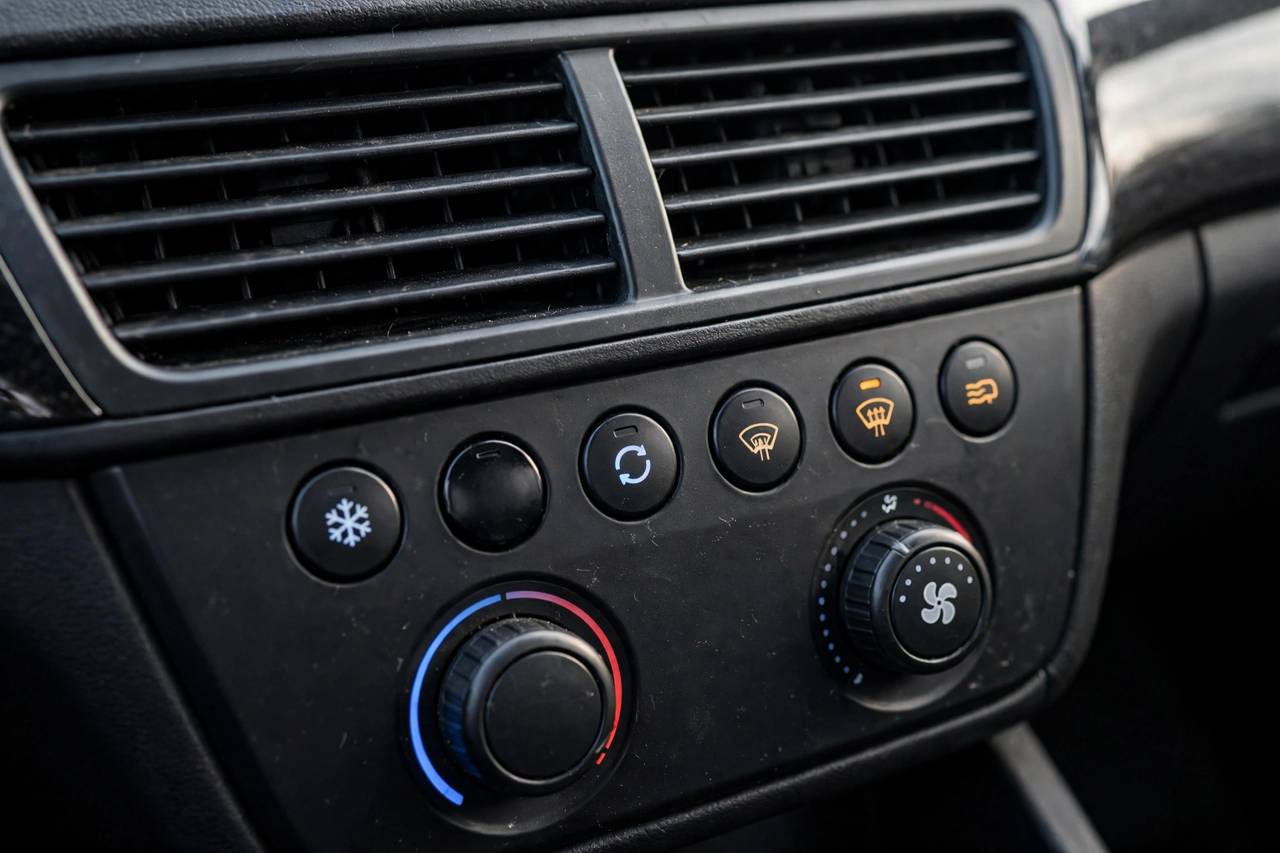
Start the car and crank the heat to maximum with the airflow directed at the windshield (the defrost setting). Warm glass cannot hold condensation — that is the whole battle in one sentence. If your car has a dedicated defrost button or mode, use it; it is engineered to push maximum airflow across the full width of the glass. Do not blast the footwell vents and hope the warmth drifts upward. Aim it where the fog is.
A note on warming up: you only need about a minute of idling before the engine produces useful heat. After that, driving gently warms everything faster than sitting in the driveway. The defroster keeps working while you drive, so you are not stuck waiting for a perfectly clear windshield before moving — you need a clear enough view to drive safely, and the system finishes the job as you go.
Step 2: Turn the AC ON — Yes, in Winter
This is the step that surprises people, and it is the most important one. Turn your air conditioning on, even in freezing weather. The AC is not just a cooling device — it is a dehumidifier. The compressor strips moisture out of the air passing over its evaporator, and dry air clears fog dramatically faster than warm humid air. On most cars the AC engages automatically in defrost mode, but on older or simpler systems you need to press the AC button yourself. Look for the little snowflake.
Your AC is the real hero of winter defogging. People think of the air conditioner as a summer gadget and the heater as the winter one, but fog is a humidity problem, and the AC is the only component in your car built specifically to remove humidity. If your defroster seems weak every winter, a failing AC compressor or a low refrigerant charge is a prime suspect — worth checking long before the coldest months.
Step 3: Recirculation OFF — Let Fresh Air In
Check that the recirculation button is off. Recirculation reuses cabin air, which means it recycles all that moisture from your breath and wet clothing straight back onto the glass. Fresh-air mode pulls in cold outside air, which is almost always drier in absolute terms — even on a snowy day, cold outdoor air holds very little moisture. Once heated by your car’s system, it becomes extremely dry relative to the cabin, and it sweeps the humidity out.
This is the mistake I see most often. Drivers leave recirculation on because they want the car to warm up faster, and they are right that it does — but it also traps every bit of moisture inside. The slightly slower warm-up with fresh air on is worth it when the alternative is a windshield that keeps re-fogging. Once the glass is clear and the cabin is warm, you can switch recirculation back on if you like.
Step 4: Crack a Window for Thirty Seconds
Finally, crack one window — just a centimeter or two — for the first minute or so. This gives the humid cabin air an escape route and lets dry outside air circulate through. It feels counterintuitive to open a window in winter, but you only need it briefly, and it noticeably speeds up the clearing. Close it once the fog starts retreating.
Why does this work so well combined with the other steps? Think of the cabin as a damp box. Heat warms the glass, the AC dries the incoming air, fresh-air mode stops recycling moisture, and the cracked window vents the humid air that is already there. All four together clear a windshield in a fraction of the time any single step manages alone.
Why Wiping Makes It Worse
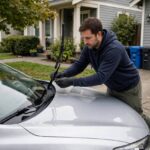
When you are in a hurry, the temptation is to wipe the fog away with your hand, a sleeve, or a rag. Do not. Wiping smears the microscopic water droplets across the glass and leaves behind oils from your skin, which create a film that fogs even faster next time. That film is why some windshields seem to fog worse than others — years of hand-wiping have coated the inside of the glass.
If you must wipe in an emergency, use a clean, dry microfiber cloth and nothing else, then clean the interior glass properly at your next opportunity. A genuinely clean windshield resists fogging far better than a filmy one, which brings us to the longer-term fixes.
Long-Term Fixes for Chronic Fogging
If your windshield fogs up constantly — not just on the coldest mornings but regularly — the sequence above treats the symptom. Here is how to treat the cause. First, clean the inside of the glass properly with automotive glass cleaner and a microfiber cloth, finishing with a second dry wipe. Interior glass accumulates an invisible film of outgassed plastics, skin oils, and general grime, and that film is a fog magnet.
Second, check for moisture sources. Wet floor mats from melted snow, a trunk leak, or a clogged sunroof drain can load the cabin with humidity all winter. Pull the mats out and dry them periodically, and sniff for that musty smell that signals trapped moisture. Third, replace the cabin air filter if it is overdue — a clogged filter restricts airflow through the defroster vents and makes the whole system sluggish. On most cars it is a cheap part and a glove-box job.
Fourth, consider an anti-fog treatment. Commercial anti-fog sprays and wipes leave a hydrophilic coating that spreads moisture into an invisible film instead of droplets. They work, but they need reapplication every few weeks. A clean windshield plus the four-step sequence is honestly enough for most drivers without adding products to the routine.
What About the Outside of the Windshield?
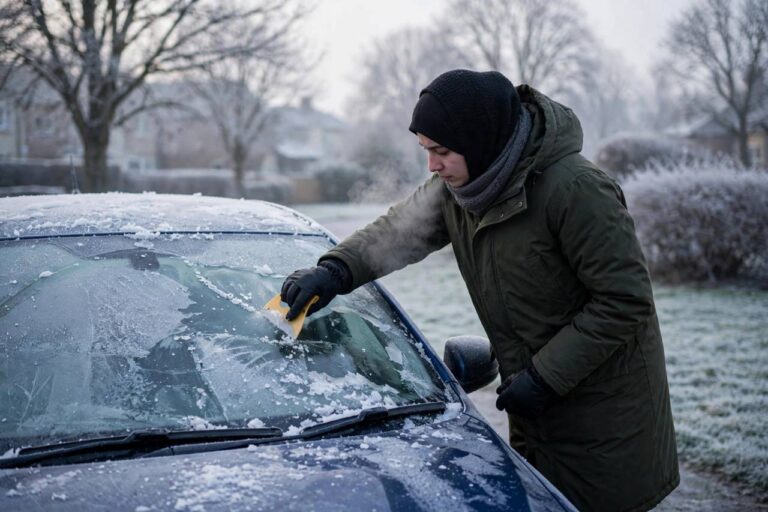
Everything above covers interior fog, which is the winter problem. But winter also frosts the outside of the glass, and the fixes are different. Never pour hot water on a frosted windshield — the thermal shock can crack the glass, especially if there is an existing chip. Use a proper ice scraper, start the defroster early, and lift the wipers off the glass overnight if freezing rain is forecast so they do not freeze to the windshield.
Winter washer fluid matters here too. Summer fluid can freeze in the lines and leave you with no way to clear salt spray at highway speed, which is genuinely dangerous. Switch to a winter formula before the first freeze and keep the reservoir full. Between a clear inside and a clear outside, you have the full visibility picture handled.
Frequently Asked Questions (FAQ)
Should I use hot or cold air to defog my windshield?
Warm air, always — with the AC on. Hot air warms the glass so condensation cannot form, while the AC dries the air. Cold air alone barely helps because the glass stays cold enough to keep condensing moisture. The winning combination is heat plus AC plus fresh-air mode.
Why does my windshield fog up when it rains in winter?
Rain raises the humidity of the air entering the car, and wet clothing adds more moisture inside. The glass is cold from the outside temperature, so condensation forms fast. The four-step sequence works exactly the same — the AC’s dehumidifying is even more valuable in rainy conditions.
Does turning on the AC in winter damage anything?
No. Automotive AC systems are designed to run year-round, and running the compressor periodically in winter actually keeps its seals lubricated. Most manufacturers recommend it. The only cost is a tiny amount of fuel, which is a fair trade for visibility.
Why does only the driver’s side of my windshield fog up?
Because you are sitting there breathing. One person’s breath is a surprising amount of moisture, and it hits the nearest cold glass first. Passengers add more. This is also why a car full of people fogs up so much faster than a solo driver — more lungs, more humidity.
Can a dirty cabin air filter cause fogging?
Yes. A clogged cabin filter chokes airflow to the defroster vents, so even the right settings cannot push enough dry air across the glass. If your defroster seems weaker than it used to be, the cabin filter is one of the first things to check — it is inexpensive and usually easy to replace.
Is it safe to drive while the windshield is still foggy?
Only once you have a clear view of the road. Driving with a fogged windshield is as dangerous as driving blindfolded for the seconds that matter. Wait the extra minute, or pull over and let the defroster work. No appointment is worth the risk.
The Bottom Line
Knowing how to defog windshield in winter is one of those small skills that pays off every single cold morning: heat on full and aimed at the glass, AC on to dry the air, recirculation off, and one window cracked for a minute. Remember that your air conditioner is a winter tool, not just a summer one — it is the dehumidifier your car already owns. Clean the interior glass once, replace a tired cabin filter, and foggy windshields become a two-minute inconvenience instead of a daily battle.