How to Become an Esports Player: The Real Roadmap

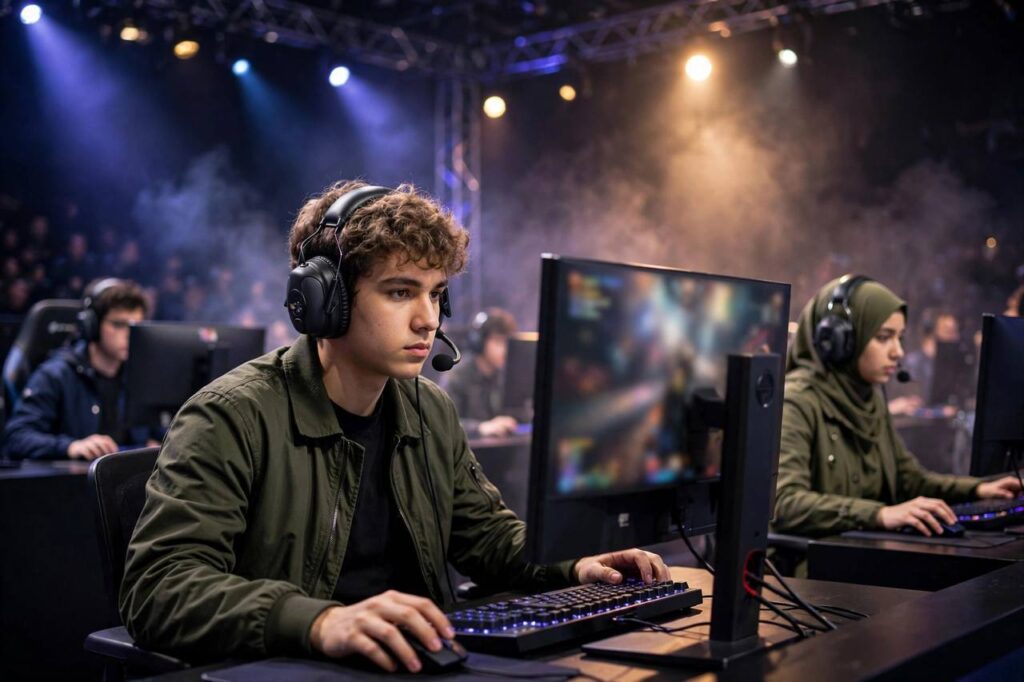
So you want to know how to become an esports player. I’ve been in and around competitive gaming for years — as a player, a coach for amateur teams, and a guy who has watched a lot of talented people flame out for avoidable reasons. Here’s the honest version nobody posts on social media: going pro is a real career path now, with real salaries and real structure, but it’s also brutally competitive, and the road is longer than the highlight reels suggest. This is the stage-by-stage roadmap, with realistic timelines and the mistakes that end runs early.
How to Become an Esports Player: What “Pro” Actually Means
“Esports player” covers a wide range. At the top are franchised league players — salaried, with coaches, analysts, housing, and benefits — in games like League of Legends, Valorant, Counter-Strike 2, Dota 2, and Overwatch. Below that are tier-two and tier-three pros grinding in smaller leagues, and below that the vast amateur and semi-pro scene where most competitive players live.
The money follows the same curve. Top players in major titles earn comfortable salaries plus prize money and sponsorships. Mid-tier pros earn a living, sometimes a modest one. Everyone else is playing for small prizes, exposure, and the chance to climb. Going in with clear eyes about this curve will save you from the two classic mistakes: quitting too early because you’re not rich yet, or grinding for years in a dead-end scene without a plan.
Stage 1: Pick Your Game (and Commit)
This is the most underrated decision in the whole journey. You cannot go pro in “esports” generally — you go pro in one specific title. Pick based on three factors:
- Scene health. Is the game growing or shrinking competitively? Check tournament viewership trends, prize pools, and whether publishers actively support the scene. A dying game is a dead end no matter how good you are.
- Your genuine enjoyment. You will play this game for thousands of hours. If you don’t love the core loop, you’ll burn out before you break through. I’ve seen more careers die from boredom than from lack of talent.
- Regional opportunity. Some games have strong scenes in your region; others don’t. A brilliant player in a region with no tournaments has nowhere to prove themselves.
Once you pick, commit for at least a year. Game-hopping every three months resets your progress to zero every time.
Stage 2: The Ranked Grind (Months 1–12)
Your first year is about one thing: getting objectively, measurably good. That means ranked ladder — the game’s built-in competitive mode — played with intention, not autopilot.
Volume matters, but quality matters more. Four focused hours beat eight distracted ones. Play in blocks with breaks; review your losses; identify one weakness per week and drill it. Most players plateau because they play on autopilot — same mistakes, same habits, hundreds of games deep.
Target the top ranks. The specific threshold varies by game, but the principle is universal: you need to be in the top fraction of a percent of the ladder before anyone in the competitive scene takes you seriously. In most major titles, that means the highest one or two tiers. Track your progress monthly. If you’re not climbing after six months of serious play, something structural is wrong — your role, your practice method, or your game choice.
Specialize. Pick a role and a small pool of characters/agents/operators and master them. Pros are specialists first. The “I play everything” player is a pub star and a competitive nobody.
Stage 3: Enter the Amateur Scene (Months 6–18)
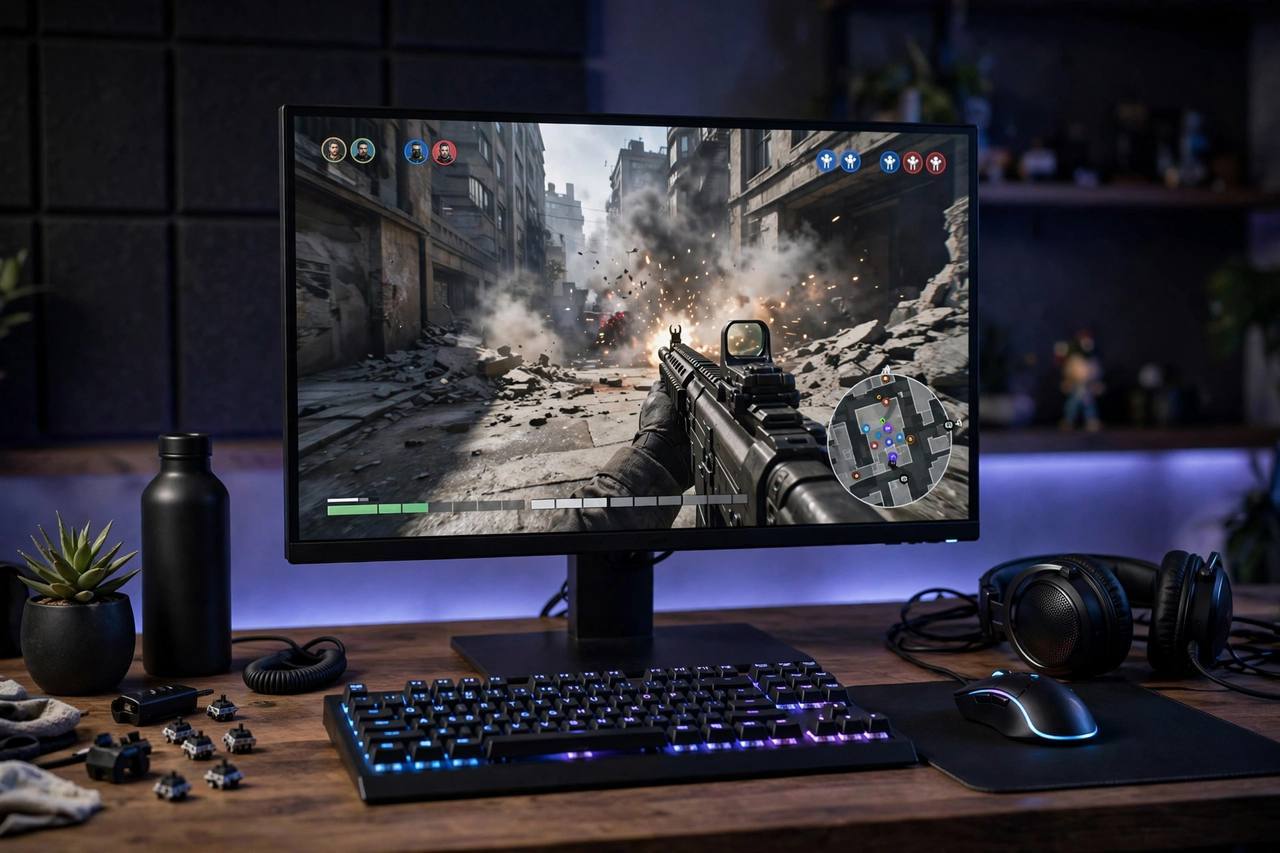
Ladder rank gets you noticed; organized play gets you hired. The amateur scene — community tournaments, open qualifiers, collegiate leagues, third-party ladders — is where you learn the actual job: playing on a team, with comms, under pressure, against prepared opponents.
- Play in everything open. Weekly community cups, open qualifiers for bigger events, online leagues. Volume of competitive reps is the point.
- Join or form a team. Solo queue teaches mechanics; teams teach the game. Look for teams at your level on community Discords and team-finding platforms. Your first team will probably be bad. That’s fine — you’re learning how teams function.
- Get a reputation. Be the player who shows up on time, communicates clearly, doesn’t tilt, and grinds. Half of getting picked up is being someone people want on their roster. The scene is small; everyone talks.
This stage overlaps with the ranked grind — most players are doing both. Expect 12 to 18 months from “serious start” to “legitimate amateur competitor” if you’re practicing properly.
Stage 4: Scrims, VOD Review, and Getting Coached (Months 12–24)
Here’s where casual competitors and future pros diverge. Scrims — practice matches against other organized teams — are a different game from ranked. Teams prepare for you, exploit your habits, and punish mistakes that solo queue lets slide.
Review everything. Record your scrims and matches and watch them back. This feels awful and works incredibly well. You’ll spot positioning errors, wasted resources, and communication breakdowns you’d never notice live. Many pros review more hours than they play.
Get coaching. A decent coach — even a high-level amateur doing it cheap — accelerates progress enormously. They see what you can’t: systemic bad habits, not just individual mistakes. Coaching is the highest-ROI spending in competitive gaming, and most players never do it.
Build your competitive résumé. Tournament placements, ladder peaks, notable wins — document all of it. When tryouts come, orgs look at receipts, not promises.
Stage 5: Tryouts and Going Semi-Pro (Months 18–36)
Real opportunities come through: open tryouts held by organizations, scout attention from tournament performances, and referrals from players and coaches who know your game. This is a relationship business — the players who get chances are usually recommended by someone trusted.
Semi-pro contracts are the proving ground: small salaries or stipends, real schedules, real expectations. Treat it like the job it is. Show up early, do the film work, take coaching, and keep your public behavior clean — orgs drop talented players over attitude and drama constantly. The scene has a long memory for both excellence and toxicity.
Realistic timeline check: from starting serious competitive play to a first semi-pro opportunity is typically two to three years of sustained, intelligent effort. Anyone promising faster is selling something.

The Part Nobody Tells You: Health, Money, and Backup Plans
Your body is equipment. Wrist, back, and eye problems end careers. Exercise, stretch, take days off, sleep properly. The players with the longest careers treat physical maintenance as seriously as aim training.
Mental game is the real game. Tilt, burnout, and performance anxiety are the top career-killers I’ve seen — above mechanics, above game knowledge. Develop routines for resetting after losses. Talk to someone when the grind turns dark. The culture is getting better about this, but it’s still the silent epidemic of esports.
Have a parallel track. Most aspiring pros don’t make it to a living wage, and even successful careers are short — the average pro career spans only a few years. Keep studying, keep skills sharp, and think about adjacent roles: coaching, analysis, casting, content creation, or team operations. Understanding how video games are made opens doors across the industry that pure playing skill doesn’t — many ex-pros build lasting careers on the development, media, and business side of games.
Competitor vs. Content Creator: Know Which Game You’re Playing
One fork in the road deserves explicit attention: pure competitor versus content creator. They’re different careers that happen to share a game. Content creators monetize personality, entertainment, and audience — streaming, videos, community. Competitors monetize winning — salaries, prize money, team contracts. The skill sets overlap but the daily work is completely different, and trying to do both at full intensity usually means doing neither well.
My advice: pick one as primary. If competition is the dream, treat content as a side project — a clean VOD channel and occasional clips for visibility, not a streaming schedule that eats your practice hours. Plenty of pros build audiences after they break through; almost nobody breaks through while grinding a full content schedule. The exception is games where visibility directly creates opportunities, but even there, results come first and followers follow.
Common Mistakes That End Runs Early
- Grinding without reviewing. Ten thousand hours of autopilot is just ten thousand hours of the same mistakes.
- Toxicity. The fastest way to become unemployable in a small scene. Orgs would rather develop a slightly worse player with a great attitude.
- Neglecting communication. Mechanics get you noticed; comms get you kept. Clear, calm, useful callouts are a skill — practice them deliberately.
- Chasing the meta instead of mastering fundamentals. Patch-chasing keeps you permanently behind. Fundamentals transfer; flavor-of-the-month picks don’t.
- No content presence. You don’t need to be a streamer, but having visible gameplay — clips, VODs, a clean social profile — makes you discoverable. Scouts can’t recruit ghosts.
- Burnout sprinting. Fourteen-hour days for a month followed by quitting is worse than six focused hours daily for a year. Pace is a competitive advantage.
Frequently Asked Questions
How long does it take to become an esports player?
Realistically, two to four years from starting serious competitive play to reaching a semi-pro or pro level, assuming focused practice, team play, and coaching. The ranked grind alone typically takes 12 to 18 months to reach the top tiers where scouts look.
How old do you have to be to go pro in esports?
Most major leagues require players to be at least 16 to 18, depending on the title and region. Many pros break through at 17 to 20. Starting younger is fine for development, but the prime competitive window in most titles is the late teens to mid-twenties.
Do esports players get paid a salary?
At the top levels, yes — franchised league players earn salaries plus prize money and sponsorships. Semi-pro players may earn stipends or small salaries. Amateur players typically compete for prize money and exposure rather than wages.
What is the best game to go pro in?
There’s no single answer — it depends on scene health, your region, and what you genuinely enjoy playing for thousands of hours. Look for titles with growing viewership, active publisher support, and accessible amateur tournaments in your region.
Can you become an esports player without joining a team?
In team games, no — organized team play is where careers happen. In solo titles like fighting games or some battle royales, individual tournament circuits can work. But even solo players benefit enormously from training partners and coaches.