How to Fight a Parking Ticket: A US Appeal Playbook

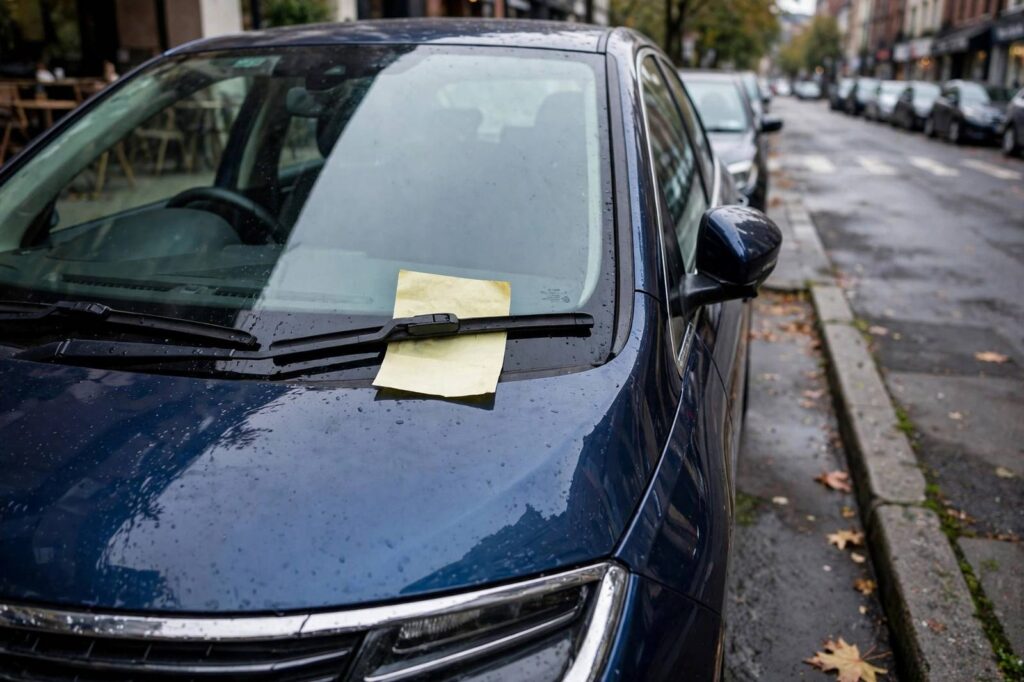
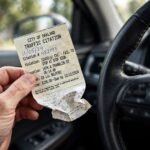
Finding a parking ticket on your windshield is infuriating — especially when you are sure you did nothing wrong. I have helped plenty of people through this process, and here is the truth: learning how to fight a parking ticket is less about legal brilliance and more about procedure. Most tickets go unchallenged, and of the ones that are challenged with real evidence, a meaningful share get reduced or dismissed. The system counts on you just paying.
Quick disclaimer: I am not a lawyer and this is not legal advice — it is a practical guide to a process millions of people navigate themselves. Rules vary by city and state, so always check your local parking authority’s procedures.
This guide covers when it is worth fighting versus just paying, the grounds that actually work, the evidence you need to gather, the deadlines that matter, and how the appeal hearing itself works.
First Decision: Fight It or Pay It?
Not every ticket is worth contesting. Fight it when you have a genuine defense: the sign was missing or unreadable, the meter was broken, your car was not where the ticket says it was, or you have documentation (a valid permit, a receipt, a repair invoice) that contradicts the violation. Also fight when the ticket itself has errors — wrong plate number, wrong location, wrong date — because procedural mistakes can invalidate it.
Just pay it when the violation is clear-cut and documented, the fine is small relative to your time, or you are up against a deadline you cannot meet. One more consideration: in many cities, fines increase significantly after the initial payment window, and unpaid tickets can block vehicle registration renewal. Never ignore a ticket — ignoring is the one move that is always wrong.
Know Your Deadline (This Is Where People Lose)
Every jurisdiction gives you a window to contest — commonly 30 days from issuance, but it varies. The ticket itself usually states the deadline and how to respond. Mark it on your calendar the day you get the ticket.
Missing the contest deadline usually means you lose the right to a hearing and the fine may double. If you have already missed it, check whether your city allows late appeals for good cause — some do, with an extra fee. But do not count on it. Calendar the deadline before you do anything else.
Grounds to Contest That Actually Work
Adjudicators hear the same excuses daily, so your grounds need to be specific and provable. The strongest categories:
Signage problems. The sign was missing, knocked down, obscured by a tree or construction, or so faded it was unreadable. Photograph the sign (or where it should be) immediately — conditions change and the city may fix the sign the next day.
Equipment failure. The meter was broken, jammed, or displayed an error. Photograph the meter showing the malfunction, and note the meter number. If you paid by app, screenshot the failed transaction.
Factual errors. Wrong license plate, wrong vehicle description, wrong street, or a time that does not match when you were there. Compare every field on the ticket against reality.
Valid authorization. You had a valid permit, placard, or paid session that the officer missed. Keep the permit, the app receipt, or the dashboard display as proof.
Emergency or necessity. A medical emergency, a breakdown, or being directed to stop by police. These are harder but winnable with documentation like a tow receipt or ER paperwork.

The Evidence Checklist
Contests are won on evidence, not arguments. Gather everything the day you get the ticket — memories fade and scenes change. Your kit:
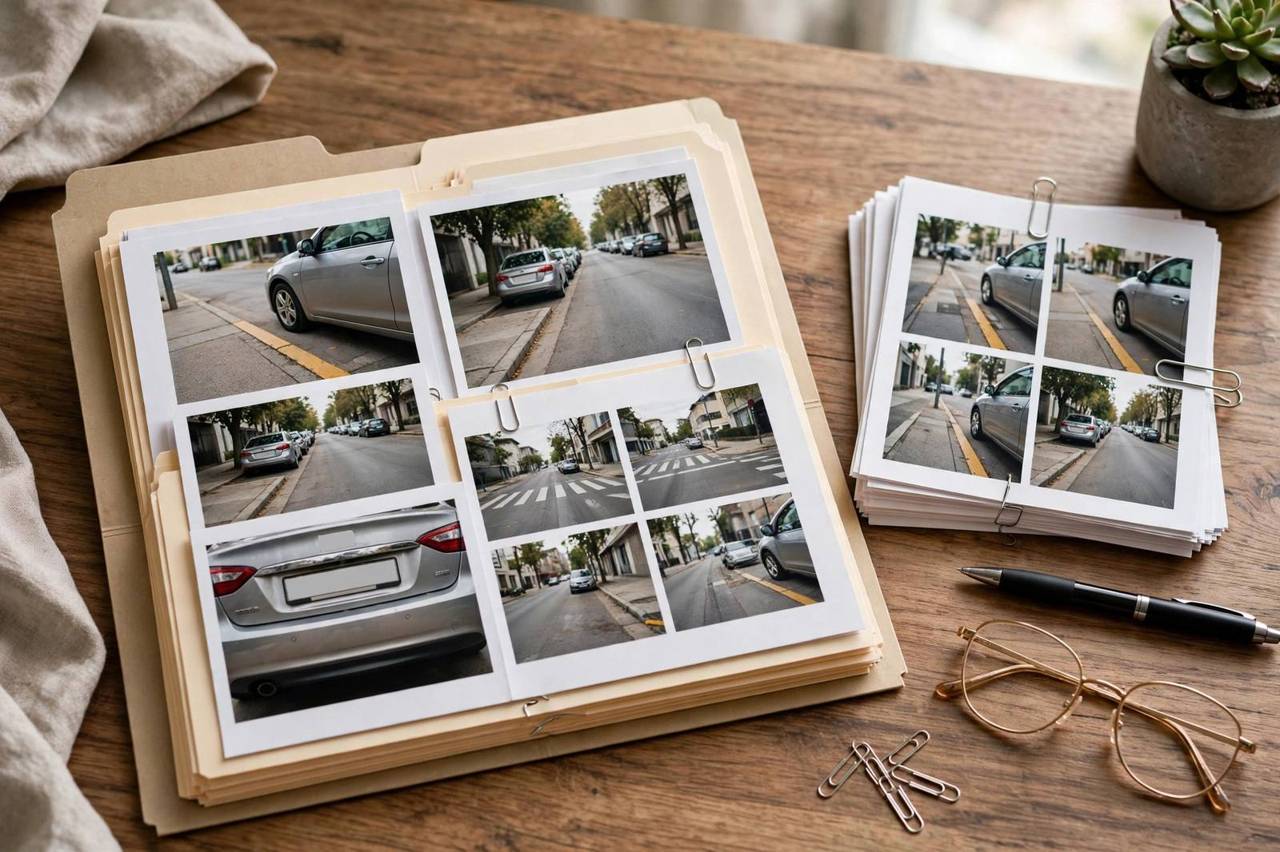
Photos with timestamps: the parking sign (or its absence), the meter, your car’s position, the ticket on the windshield, and any relevant road markings. Wide shots for context, close-ups for detail. A short video walking the scene can be even better.
Documents: the ticket itself (both sides), your registration, any permit or placard, app payment receipts, repair invoices, or medical records if relevant. Witness statements: if a passenger or bystander saw what happened, get a brief written statement with their contact information while it is fresh.
Your written account: a one-page timeline of what happened, written the same day. Dates, times, street names, what you saw. Adjudicators respond to clear, factual narratives — not outrage.
How to File Your Contest
Most cities offer three channels: online, by mail, or in person. Online is usually fastest and gives you a confirmation number — keep it. By mail, send copies (never originals) via certified mail so you have proof of delivery. In person works well if you want to ask questions, but bring copies of everything.
Your written statement should be short and structured: what the ticket alleges, what actually happened, what evidence proves it, and what outcome you want (dismissal or reduction). Stick to facts. “The sign was missing, as shown in Exhibit A” beats three paragraphs of frustration every time.
What Happens at the Hearing
Many contests are decided on paper without a hearing. If yours includes one — in person, by phone, or by video — treat it like a short business meeting. Arrive early, dress neatly, bring organized copies of everything, and address the hearing officer respectfully.
Present your case in under five minutes: the facts, the evidence, the conclusion. Answer questions directly. Do not argue with the officer’s version of events beyond what your evidence shows, and never get emotional — calm credibility wins. You will usually get a decision by mail or email within a few weeks.
If You Lose: Reduction and Next Steps
Losing the contest is not the end. Many hearing officers have discretion to reduce the fine even when they uphold the violation — politely asking for a reduction based on a clean record is entirely reasonable. Ask about payment plans if the fine is steep; most cities offer them.
Some jurisdictions allow a second-level appeal, though the bar is higher — you generally need to show a procedural error, not just disagreement. Weigh the filing fee against the fine before pursuing it. And whatever the outcome, pay by the final deadline to avoid penalties, collections, or registration holds.
How to Fight a Parking Ticket: Mistakes That Lose Appeals
Having reviewed how these appeals actually get decided, here are the mistakes that sink otherwise winnable cases. The biggest: arguing instead of evidencing. “The sign was unclear” with no photo loses; “the sign was missing, see Exhibit A, photographed at 2:15 PM on the day of the ticket” wins. Adjudicators decide on paper and photographs, not on how strongly you feel.
Second: missing the deadline while “researching.” The clock starts at issuance, not when you feel ready. File the initial contest within the window even if your evidence gathering is not perfect — you can usually supplement later, but you cannot un-miss a deadline. Third: the kitchen-sink defense. Listing six contradictory excuses (“I was not there, and also the meter was broken, and also I had a permit”) destroys credibility. Pick your strongest one or two grounds and prove them. Fourth: being rude to the hearing officer. They have discretion on reductions, and courtesy costs nothing. Finally: admitting the violation while disputing the fine. “I know I was in the wrong, but…” concedes the case — if you are contesting, contest the violation itself.
Different Ticket Types, Different Strategies
Not all parking tickets are fought the same way. Expired-meter tickets are the most beatable on equipment grounds — photograph malfunctioning meters and save app payment receipts. Street-cleaning tickets hinge on signage: were the restricted hours clearly posted on your specific block? Time-limit violations (“2-hour parking”) are hard to fight unless the officer’s timestamps are wrong, so check them carefully.
No-parking-zone and hydrant tickets are the toughest — the violation is usually obvious and well-marked. Your realistic play is often reduction rather than dismissal: a clean record and a polite request go a long way. Residential permit zone tickets are very winnable if your permit was valid — this is pure paperwork, and paperwork errors by the issuer are common. Commercial vehicle and oversized-vehicle tickets involve specific local ordinances worth actually reading, since the definitions (what counts as “commercial”?) are where these get overturned.
Parking Ticket Scams to Watch For
A quick warning while you are dealing with tickets: fake parking ticket scams are rising in many cities. Scammers place realistic-looking tickets on windshields with QR codes or URLs directing you to a payment site that harvests your card details. Before paying any ticket, verify it through your city’s official parking authority website — type the address yourself, never scan the QR code on the ticket.
Red flags: a ticket that does not match your city’s usual format, demands for payment via gift cards or wire transfer, threats of immediate arrest (real parking enforcement does not work that way), and URLs that are not the official .gov domain. When in doubt, call the parking authority’s published phone number and ask them to confirm the ticket number. A two-minute call beats a stolen card number.
Frequently Asked Questions
What is the best excuse to fight a parking ticket?
The best “excuse” is a provable fact: missing signage, a broken meter, a factual error on the ticket, or valid authorization you can document. Vague claims without evidence rarely succeed.
Can I fight a parking ticket online?
In most US cities, yes — online contesting is the standard channel. Check the instructions on your ticket or your city’s parking authority website for the portal and deadline.
Does fighting a parking ticket go on my record?
Parking tickets are civil violations, not criminal — they do not appear on criminal records or typically affect insurance. Unpaid tickets can, however, block registration renewal or go to collections.
How long do I have to contest a parking ticket?
It varies by jurisdiction but is commonly around 30 days from issuance. The exact deadline is printed on the ticket — calendar it immediately, because missing it usually forfeits your right to a hearing.
Should I hire a lawyer for a parking ticket?
Almost never — the fine is usually smaller than legal fees, and the process is designed for self-representation. Consider one only if the ticket is part of a larger issue, like a tow dispute involving significant costs.