How to Travel With Only a Carry On (and Love It)

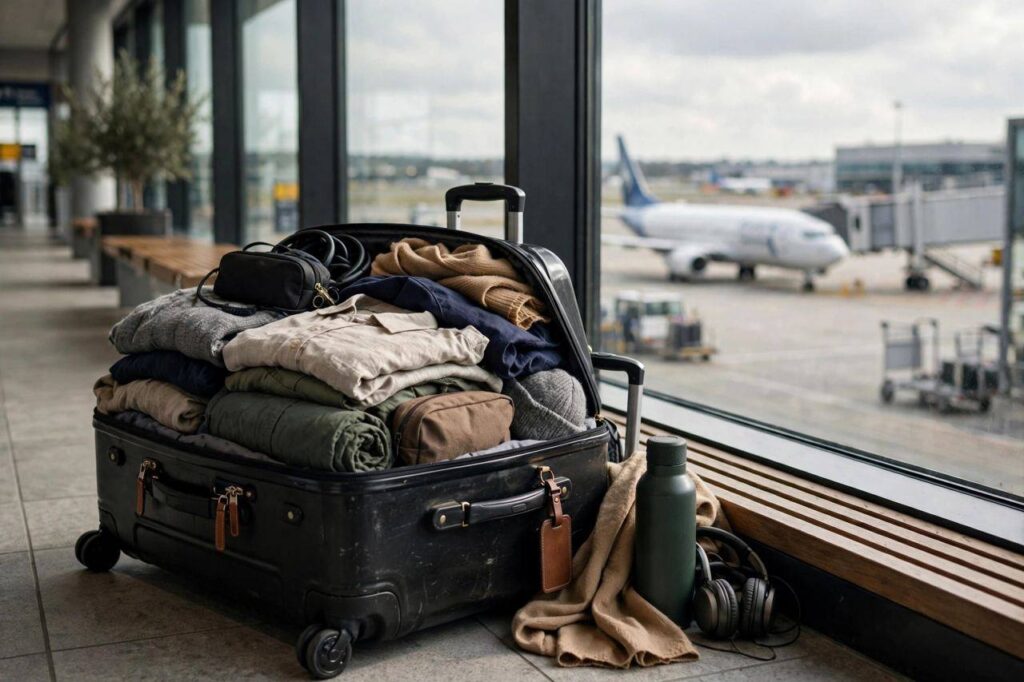
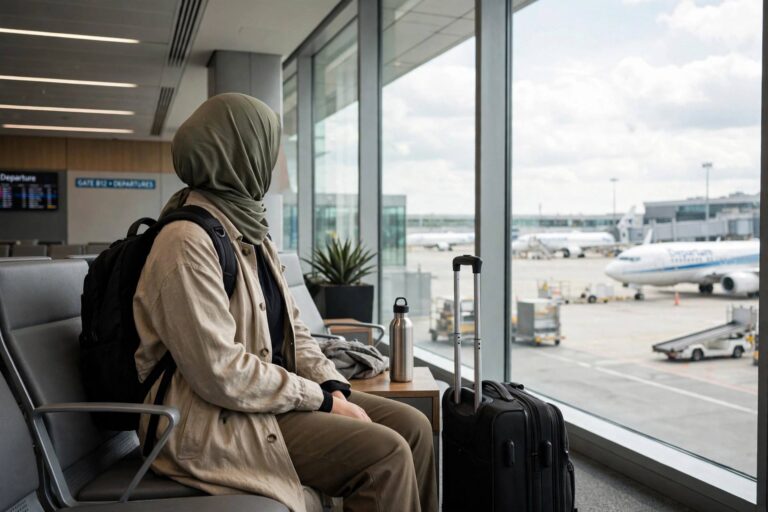
Learning how to travel with only a carry on sounded impossible to me the first time someone suggested it. I was a chronic overpacker — the person with a checked bag, a carry-on, and a personal item for a four-day trip, just in case. Then an airline lost my luggage on a two-week trip through Portugal, and I spent the whole vacation wishing I had packed light enough to keep my bag with me. That trip converted me. I have now done three-week trips, winter trips, and business trips with nothing but a carry-on, and I am never going back.
This is not about suffering with less. It is about a system — what to pack, how to pack it, and how to handle laundry — that makes traveling with only a carry-on genuinely more enjoyable than checking a bag. No baggage claim, no lost luggage, no dragging a monster suitcase up European staircases. Let me show you how.
How to Travel With Only a Carry On: The Core Idea
The principle is simple: pack for a week, not for the trip. Whether you are gone for seven days or twenty-one, you bring roughly a week’s worth of clothing and do laundry along the way. Everything else — the just-in-case outfits, the third pair of shoes, the full-size toiletries — stays home.
This works because of a truth every experienced traveler eventually accepts: you will wear your favorite 20 percent of your wardrobe 80 percent of the time. Pack that 20 percent. Leave the aspirational outfits — the ones you never wear at home either — in the closet where they belong.
Choosing the Right Carry-On Bag
Your bag is the foundation of the whole system, so choose well. A few things I have learned:
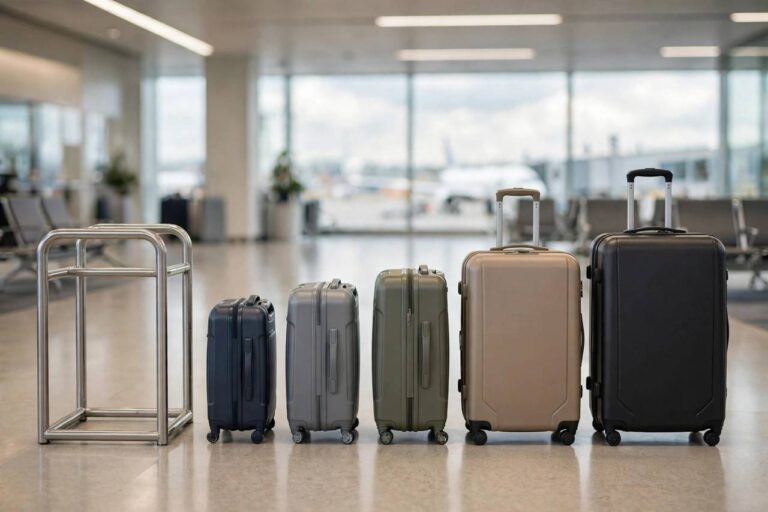
- Size matters more than brand. Most airlines allow carry-ons around 22 x 14 x 9 inches (56 x 36 x 23 cm), but budget airlines are stricter — some limit you to much smaller. Check your specific airlines before you buy. A bag that fits every airline you fly is worth more than a beautiful bag that gets gate-checked half the time.
- Wheels vs. backpack. Wheeled bags are easier on flat airport floors; travel backpacks win on cobblestones, stairs, and crowded metros. I use a convertible that does both. If your itinerary involves old towns with stairs, lean backpack.
- Weight counts. Some international airlines enforce weight limits as low as 7kg (15 lbs) for carry-ons. A heavy bag eats your allowance before you pack a thing. Lightweight bags in the 2-3kg range give you the most room to work with.
- One bag plus a personal item. Your carry-on plus a backpack or tote as your personal item is the standard setup. The personal item holds your valuables, electronics, and in-flight essentials.
The Carry-On Packing List: What Actually Goes In
Here is my baseline packing list for a week-plus trip. Adjust for climate, but resist the urge to add — this list has carried me through three-week trips.
Clothing
- 5-7 tops (mix of casual and one nicer option), all in a coordinated color palette so everything matches everything
- 2-3 bottoms (jeans or trousers plus shorts or a skirt depending on climate)
- 1 light layer (sweater or fleece) and 1 outer layer (packable jacket)
- 7 sets of underwear and 5-7 pairs of socks — these are small, so this is where you can be generous
- 1 set of sleepwear
- Swimsuit if relevant
- 1 versatile dress or button-down shirt for nicer dinners
Shoes
Two pairs maximum, three only if one is flip-flops. Wear the bulkiest pair on the plane. My formula: one comfortable walking shoe worn on travel days, one nicer but still walkable shoe packed, plus flip-flops for hostel showers and beaches. Shoes are the heaviest, bulkiest thing you pack — every extra pair is a real cost in space.
Toiletries
Travel sizes only, decanted into small bottles. Remember the liquids rule for carry-ons: containers of 100ml (3.4oz) or less, all fitting in a single quart-size clear bag. Solid alternatives — shampoo bars, solid deodorant — skip the liquids limit entirely and last for weeks. I switched to solids two years ago and have never looked back.
Electronics and documents
Phone, charger, universal adapter, power bank, headphones. Passport, bookings (saved offline), travel insurance details, and a small amount of local currency. Everything else is optional.
How to Pack It: Rolling, Cubes, and the 5-4-3-2-1 Rule
Fitting a week of life into a carry-on is a packing technique problem, and the techniques are well established.
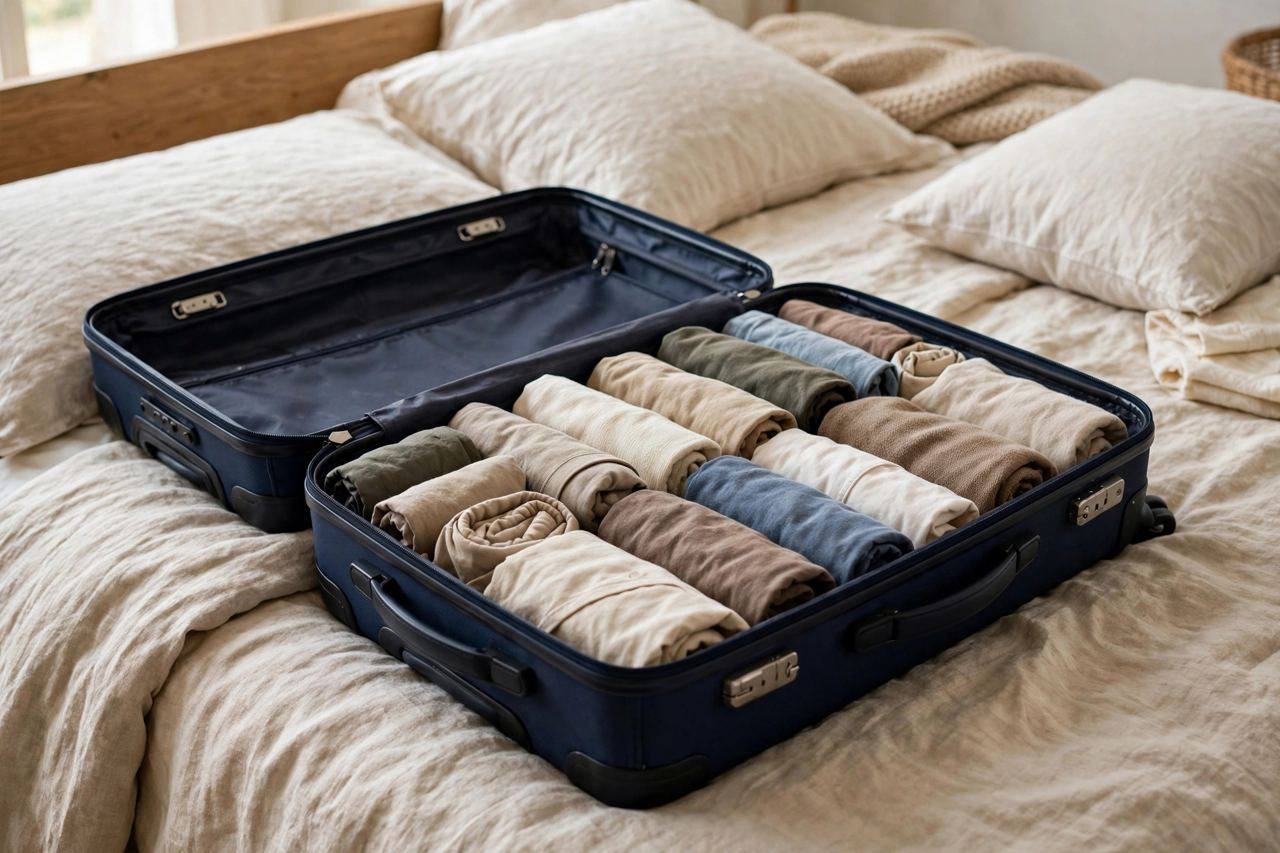
Roll, do not fold. Rolling clothes compresses them and reduces wrinkles compared to flat folding. Tightly rolled items also fill odd-shaped gaps in the bag. The only exception: structured items like blazers, which fold better.
Use packing cubes. I resisted these for years as an unnecessary gadget. I was wrong. Cubes compress your clothes, keep categories separated, and — the real magic — let you live out of your bag without exploding it across a hotel room. One cube for tops, one for bottoms, one for underwear. Unpack by pulling out cubes, not by emptying the bag.
Try the 5-4-3-2-1 rule. A popular minimalist formula: 5 tops, 4 bottoms, 3 pairs of shoes (I say 2), 2 layers, 1 hat. It is a starting framework, not gospel — adjust it — but it forces the discipline of counting instead of tossing things in hopefully.
Wear your bulkiest items. Flying in your heaviest shoes, jeans, and jacket saves enormous bag space. Yes, you will look slightly overdressed at the airport. You will look like a genius when you walk past baggage claim.
The Laundry Strategy (This Is What Makes It Work)
The laundry question is where most people get stuck, so let me demystify it. You have three options, and you will probably use all of them across a long trip:
- Hotel and hostel laundry. Many accommodations offer laundry service or have guest machines. Hostels almost always have affordable machines. Ask at check-in — it is more common than you think.
- Local laundromats. In most of the world, dropping a bag at a laundromat for wash-and-fold service costs a few dollars and returns your clothes clean the same day. It is also a wonderfully local experience.
- Hand washing. Pack a travel clothesline and a few detergent sheets. Washing underwear and light tops in the sink takes ten minutes and they dry overnight in most climates. Merino wool and synthetic fabrics dry fastest and resist odor — worth the investment for frequent travelers.
Plan one laundry session per week. That is it. The rest of the time you are just wearing clothes, like at home.
How to Travel With Only a Carry On in Winter
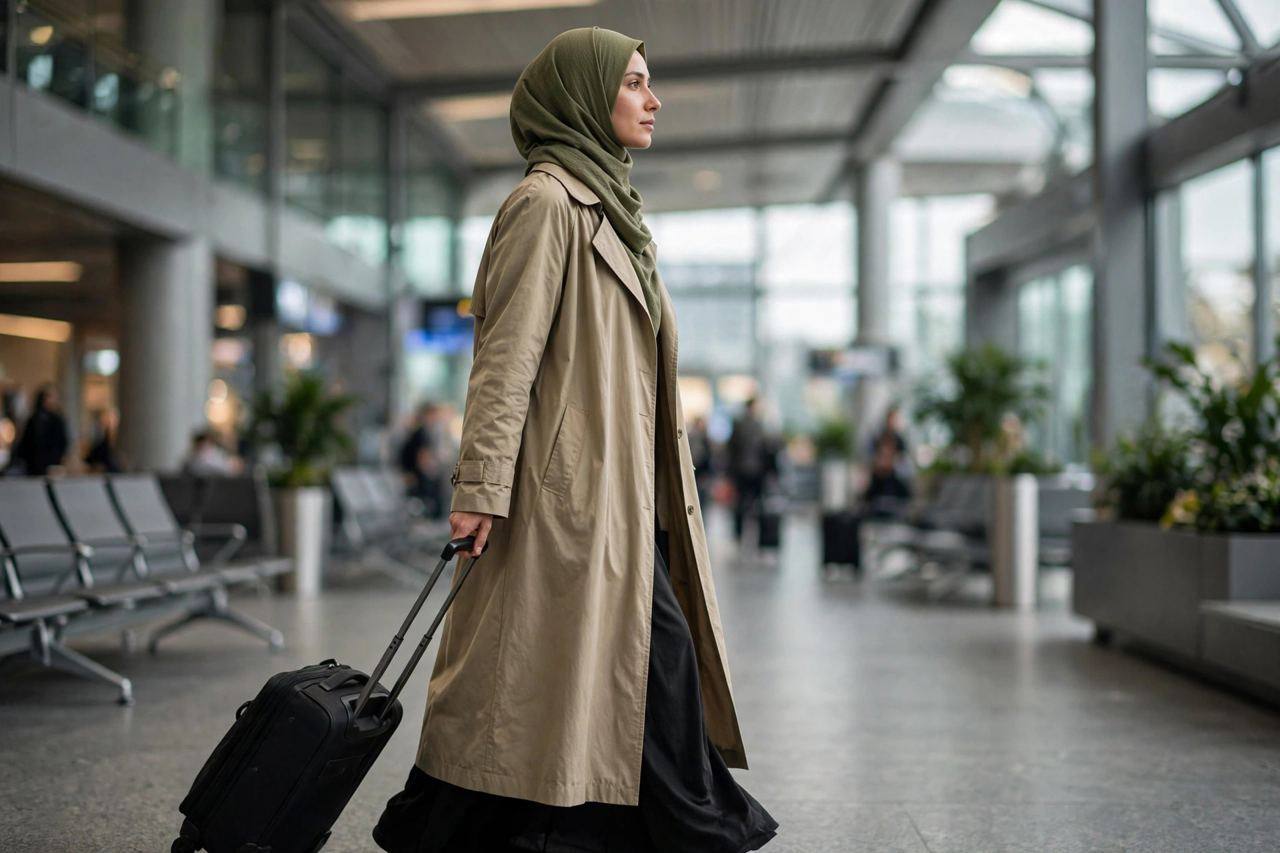
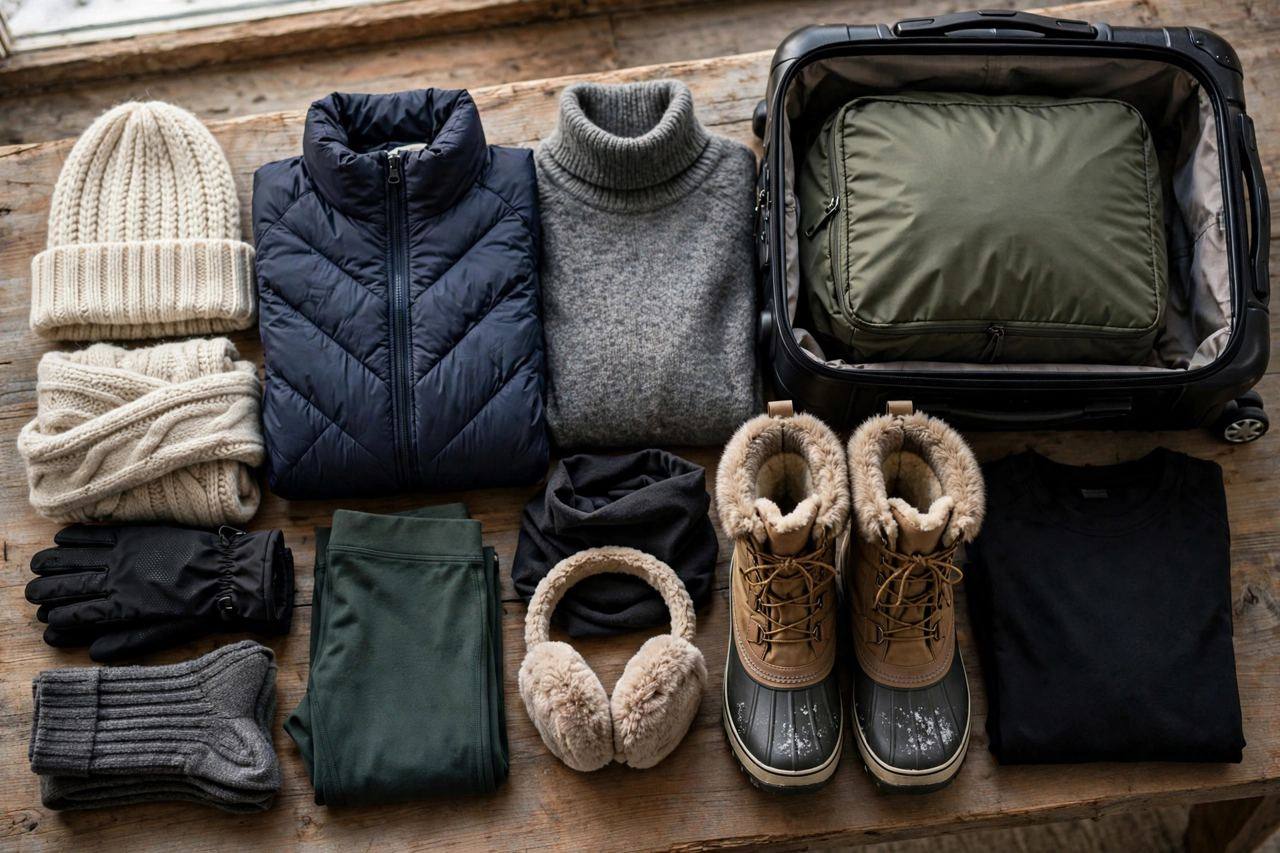
Winter is the boss level of carry-on travel, because winter clothes are bulky. It is absolutely doable with adjustments:
- Wear the coat. Your heaviest coat, bulkiest boots, and thickest sweater go on your body for travel days, not in the bag.
- Layer thin, not thick. Three thin thermal layers pack smaller and insulate better than one thick sweater. Merino base layers are the gold standard.
- One pair of real winter boots, worn. Pack only lighter shoes.
- Compression bags earn their keep here. A down jacket compresses to almost nothing in a compression sack.
- Do laundry more often. You are rewearing base layers, so plan sink washes every few days.
I did ten days in Scandinavia in February with a carry-on. The coat-on-the-plane trick alone saved half the bag. If you are planning a beach trip instead, a beach vacation packing list will help you trim even further — warm-weather trips are the easiest carry-on wins there are.
What to Leave Behind
The packing list is only half the system. The other half is the do-not-pack list:
- Full-size toiletries — decant or buy at your destination
- More than one book — use an e-reader or your phone
- The just-in-case outfit — if you would not wear it at home this week, you will not wear it abroad
- Hair tools beyond the basics — most accommodations have hair dryers
- Towels — accommodations provide them; pack a quick-dry microfiber one only for hostels or beach days
- Excessive first-aid — a small kit with basics is enough; pharmacies exist everywhere
My rule: if I hesitate over an item for more than ten seconds, it stays home. Hesitation means I do not actually need it.
Dealing With Souvenirs and the Trip Home
The classic objection: but what about souvenirs? Fair. A few approaches: pack a foldable duffel bag (they weigh almost nothing flat) for the return trip if you plan to shop — checking a bag on the way home when you are not rushed is far less painful. Or ship souvenirs home; for fragile or heavy items it is often cheaper than excess baggage fees. Or embrace the constraint: limit yourself to small, flat, meaningful things. Some of my favorite souvenirs are the smallest — a print, a scarf, a bag of local coffee.
For women travelers specifically, our beach vacation packing list for women has more tailored warm-weather advice that pairs well with the carry-on system.
Frequently Asked Questions
Can you really travel for 3 weeks with only a carry-on?
Yes — the system does not change with trip length, only the laundry frequency. Pack for seven days, do laundry weekly, and three weeks requires no more bag space than one. I have done it multiple times; the constraint actually makes longer trips easier, not harder.
What size bag counts as a carry-on?
Most full-service airlines allow around 22 x 14 x 9 inches (56 x 36 x 23 cm). Budget airlines are often stricter, so always check your specific carrier. When in doubt, go slightly smaller — a bag that always fits is better than one that sometimes gets gate-checked.
How do you handle liquids in a carry-on?
Containers must be 100ml (3.4oz) or smaller, all fitting in one quart-size clear resealable bag. Solid toiletries like shampoo bars and solid deodorant bypass these rules entirely and are my top recommendation for carry-on travelers.
What if my carry-on gets gate-checked?
It happens, especially on full flights. Keep valuables, medications, electronics, and a change of clothes in your personal item so a gate-check is merely annoying rather than disastrous. This is also why the personal item matters as much as the bag.
Is carry-on only actually cheaper?
Usually yes. Budget airlines charge significant fees for checked bags — sometimes more than the ticket price difference between carriers. Even on full-service airlines, avoiding checked bags saves time and eliminates lost-luggage risk, which has a value beyond money.
Traveling with only a carry-on is one of those changes that feels like a sacrifice for about a day and then feels like freedom forever. Pack for a week, do laundry, wear the coat on the plane — and walk past baggage claim with a small, smug smile. You have earned it.