How to Soften Brown Sugar Quickly: Methods Ranked by Speed

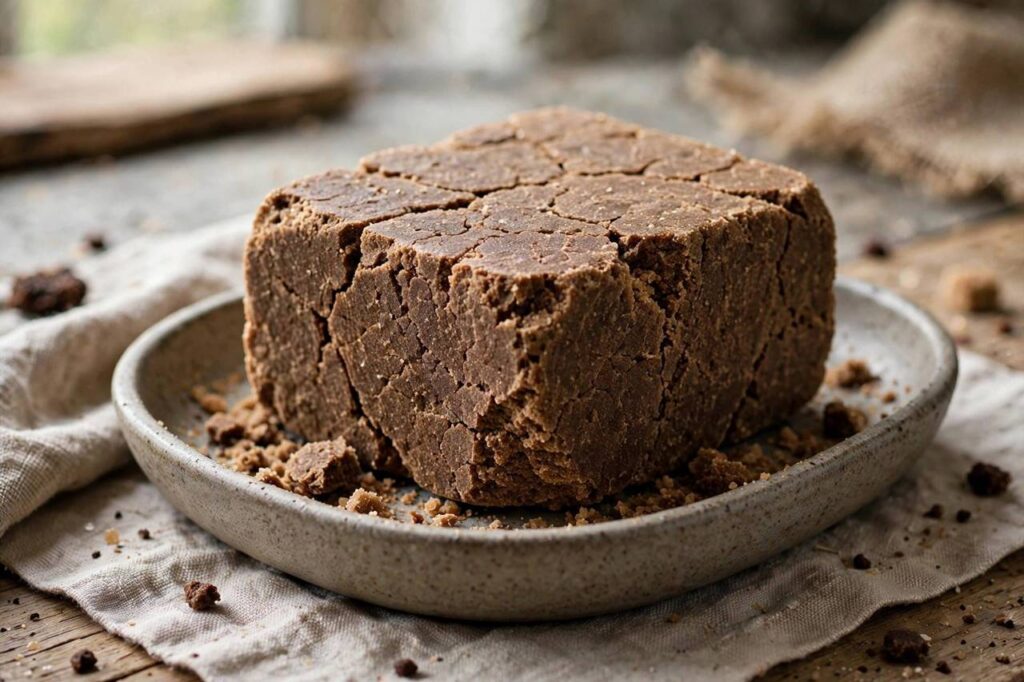
You’ve measured the flour, creamed the butter, and reached for the brown sugar only to find a geological formation where your ingredient should be. Every baker has been here. The good news is that hardened brown sugar is not ruined; it’s just dehydrated. Learning how to soften brown sugar quickly is a five-minute rescue skill, and once you know the storage trick at the end, you’ll never need the rescue again.
Brown sugar hardens because its molasses coating loses moisture to the air. Softening it means putting moisture back. The methods below all do that, ranked from fastest to slowest, so you can pick based on how soon those cookies need to happen.
Ranked: 5 Ways to Soften Brown Sugar, Fastest First
| Method | Time | Best When |
|---|---|---|
| Microwave with damp paper towel | 30-60 seconds | You need it right now |
| Oven with water dish | 10-15 minutes | Large amounts, microwave unavailable |
| Bread slice overnight | 8-24 hours | Planning ahead, gentlest method |
| Apple slice or marshmallows | 8-24 hours | No bread on hand |
| Terra cotta disc (ongoing) | 24 hours first use | Prevention going forward |
How to Soften Brown Sugar Quickly in the Microwave
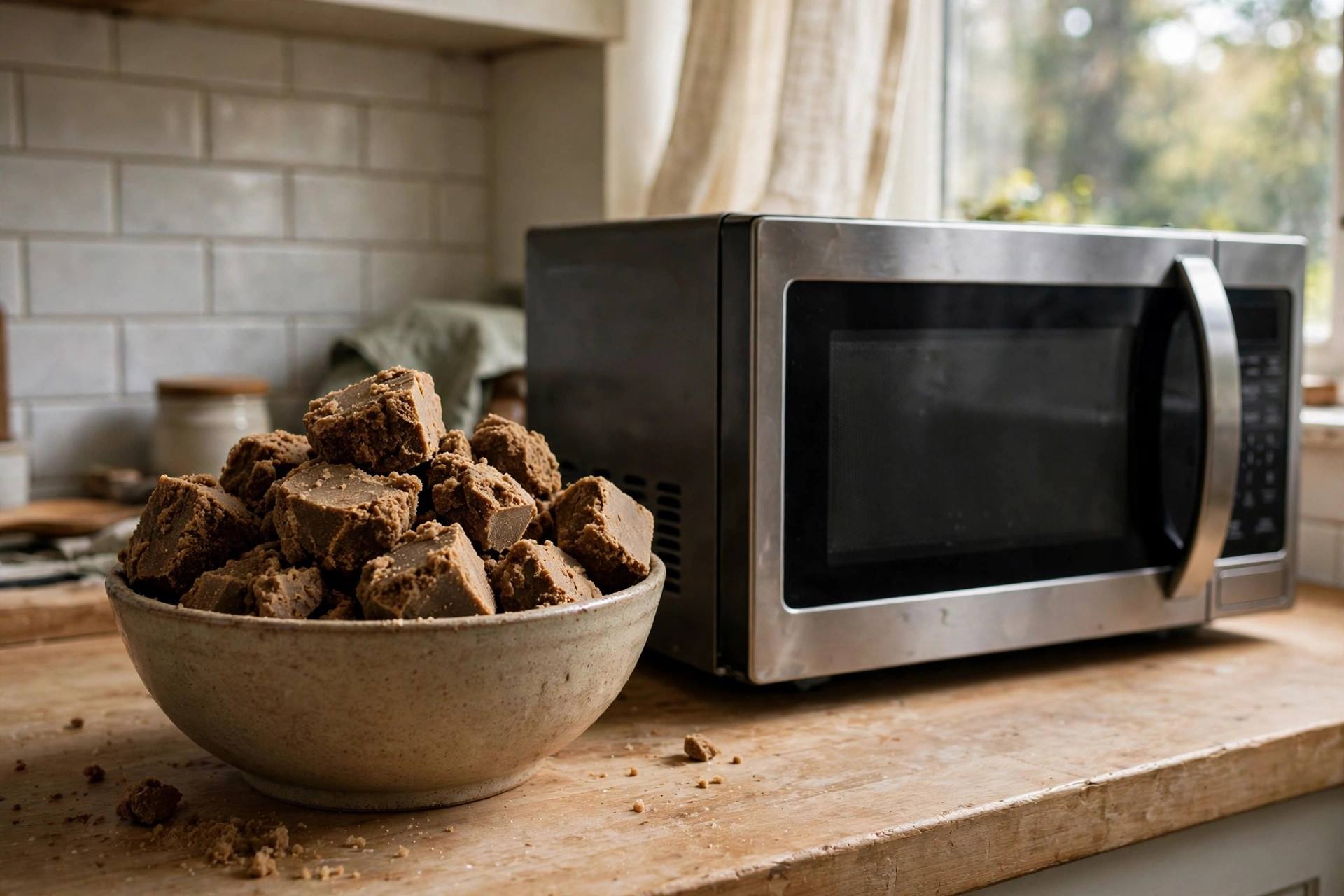
Put the hardened sugar in a microwave-safe bowl, drape a damp (not dripping) paper towel over it, and microwave in 20-second bursts, breaking up the chunks with a fork between bursts. Two to three bursts handles even the most fossilized brick.
The critical rule: use the sugar immediately. Microwaved brown sugar re-hardens fast as it cools, sometimes harder than before, because the quick moisture evaporates right back out. Measure what you need for the recipe straight away. And go gently with the bursts; overheating melts the sugar into a sticky mass that’s worse than the brick you started with.
Method 2: Oven (10-15 Minutes)
For large amounts, spread the sugar on a baking sheet, place a small oven-safe dish of water alongside it, and warm at 300°F (150°C) for ten to fifteen minutes, breaking it up halfway through. The ambient moisture does the softening while the gentle heat speeds it along.
Watch it closely. This method is forgiving, but leaving sugar in a hot oven too long starts caramelizing it, which changes the flavor. You’re warming it, not baking it. As with the microwave method, use it promptly once softened.
Methods 3 and 4: The Overnight Rescues
If you’re not in a rush, the gentlest methods work while you sleep. Place a fresh slice of bread in the sealed container with the hardened sugar overnight. The sugar draws moisture from the bread and softens evenly, with no heat and no risk of melting. White sandwich bread works best because it’s the moistest.
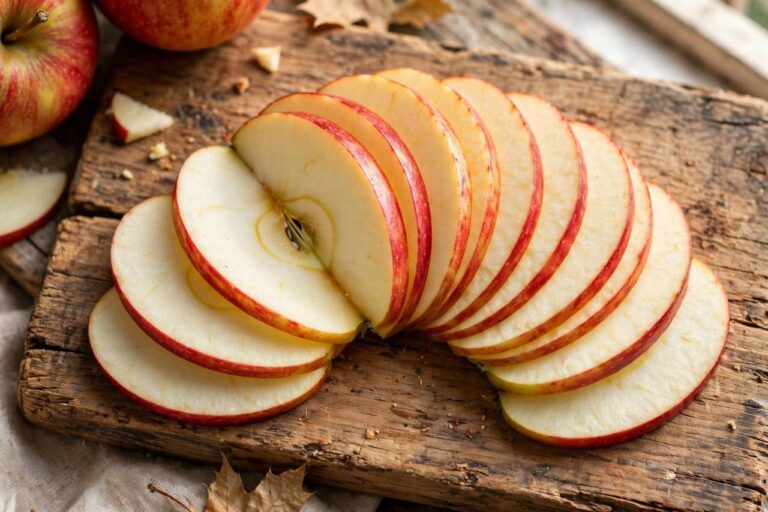
No bread? An apple slice or a few marshmallows do the same job through the same mechanism: they donate moisture to the dry sugar. The apple can impart a faint fruity note over long storage, so it’s better as a rescue than a permanent resident. Marshmallows are flavor-neutral and surprisingly effective.
Prevention: Never Deal With This Again
The real fix is storage. Brown sugar hardens through moisture loss, so airtight storage is everything. Squeeze the air out of the bag, seal it in an airtight container, and keep it in a cool spot. The original bag, folded over with a clip, is not airtight enough for long-term softness.
The professional trick is a terra cotta brown sugar disc. Soak it in water for fifteen minutes, pat it dry, and keep it in the container with your sugar. It releases moisture slowly and keeps the sugar soft for months. Re-soak it every month or so. It costs a few dollars and permanently solves the problem, which makes it the best value in this entire guide.
A slice of bread kept in the container works as ongoing prevention too, replaced weekly. And whatever you do, don’t store brown sugar in the refrigerator; the cold, dry air accelerates hardening rather than preventing it.
What If It’s Rock Solid?
Truly ancient brown sugar, the kind that’s one solid mass fused to the container, can still be saved. Grate it with a box grater or smash it in a sealed bag with a rolling pin, then use one of the moisture methods on the pieces. Increased surface area makes every softening method work dramatically faster.
The only genuinely lost cause is sugar that’s hardened because it got wet and then dried, which can develop off flavors, or sugar that’s been contaminated. Dry-hardened sugar is always salvageable. When in doubt, smell it: if it smells like normal brown sugar, it’s fine.
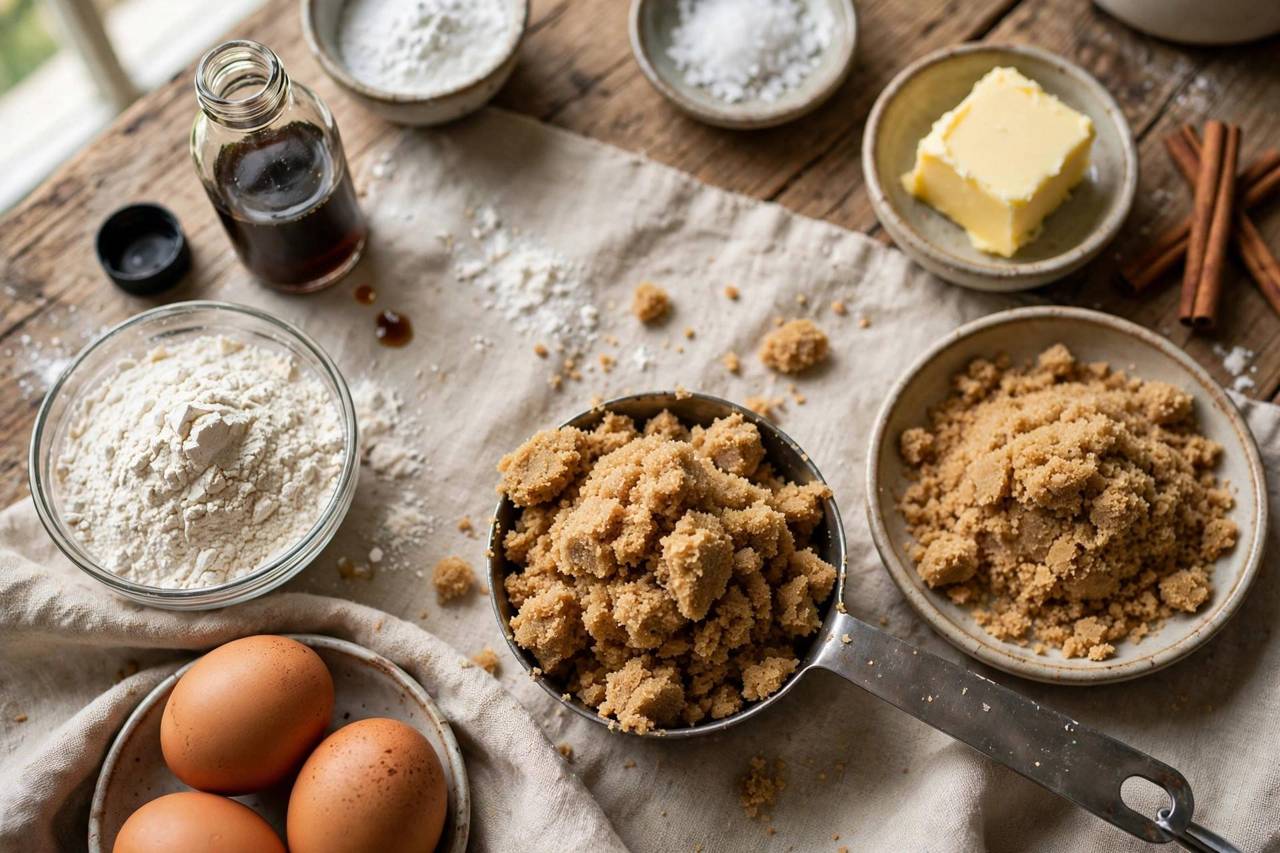
The Emergency Playbook: Sugar Needed in Five Minutes
When the recipe can’t wait, here’s the fastest reliable sequence. Break the hardened sugar into chunks with a rolling pin (in a sealed bag to contain the mess), spread the chunks in a microwave-safe bowl, cover with a damp paper towel, and microwave in 20-second bursts, breaking up pieces between bursts. Most bricks surrender in under two minutes total.
If you don’t have a microwave, the oven method from this guide works in about fifteen minutes; start it first, then prep your other ingredients while it warms. And if you have neither time nor appliances cooperating, grate the hardened sugar on a box grater. Grated brown sugar measures and dissolves almost like soft sugar, buying you a finished recipe with zero waiting.
Storing Brown Sugar So It Never Hardens Again
The permanent fix has three parts. First, transfer sugar from the bag to a truly airtight container the day you buy it; the original packaging is never airtight enough. Second, add a moisture keeper: a soaked terra cotta disc is the gold standard, a slice of bread replaced weekly works too. Third, store in a cool, dry spot, never the refrigerator.
Check the seal on your container every few months; gaskets wear out and lids warp. A container that sealed perfectly last year might be leaking air now. When sugar starts firming up despite your system, the container is the first suspect, not the sugar. Replace the seal or the container and the problem disappears.
Why Brown Sugar Matters in Baking
Understanding why recipes specify brown sugar helps you respect the softening effort. The molasses in brown sugar does three things white sugar can’t: it adds moisture (chewier cookies, moister cakes), contributes acidity (which activates baking soda for better rise), and brings caramel and toffee notes that define recipes like chocolate chip cookies and gingerbread.
This is also why substituting white sugar changes results beyond sweetness. Without the molasses moisture and acidity, cookies spread differently and cakes rise less. When a recipe says brown sugar, it’s specifying a functional ingredient, not just a flavor preference. Softening it properly is part of baking it right.
Frequently Asked Questions
Can I use hardened brown sugar without softening it?
Not successfully in most recipes. Hard chunks won’t cream with butter or dissolve evenly, leaving pockets of intense sweetness and gritty texture. Grating it fine is the only workaround, and softening is easier.
Does brown sugar go bad?
Brown sugar doesn’t spoil in the food-safety sense; it lasts indefinitely if kept dry. Hardening is a texture issue, not spoilage. Discard it only if it smells off, shows mold from moisture contamination, or has pantry pests.
Can I substitute white sugar for brown sugar?
In a pinch, yes, with adjustments. Brown sugar adds moisture and a caramel note from its molasses. Replace each cup of brown sugar with a cup of white sugar plus a tablespoon of molasses, or accept a slightly less rich result with plain white sugar.
Why does my brown sugar keep hardening?
Air exposure. Every time the container opens, moisture escapes. The fix is genuinely airtight storage plus a moisture source like a terra cotta disc. If your container’s seal is worn, replace the container, not the sugar.
Light vs. dark brown sugar: does it matter for softening?
No. Both harden and soften identically. The difference is molasses content and flavor intensity, which doesn’t affect any method in this guide.
Can I soften brown sugar in the oven without drying it out?
Yes, by adding moisture to the oven environment. Place a small oven-safe dish of water alongside the sugar and warm at 300°F (150°C) for 10-15 minutes. The ambient humidity softens the sugar gently; without the water dish, the dry oven heat can harden it further.
Is hardened brown sugar safe to eat?
Yes, as long as it was stored dry and shows no mold or contamination. Hardening is purely moisture loss, not spoilage. If it smells normal, it’s fine to soften and use.
Can I make brown sugar from white sugar?
Yes: mix one cup of white sugar with one tablespoon of molasses for light brown sugar, two tablespoons for dark. Blend thoroughly until the color is even. Homemade brown sugar works identically in recipes and never arrives as a brick.
Does freezing brown sugar keep it soft?
Freezing doesn’t keep it soft; it just pauses hardening while frozen, and the sugar firms up again as it thaws if exposed to air. Airtight storage at room temperature with a terra cotta disc is the better long-term strategy. Freeze only if you won’t use it for many months.
Why did my brown sugar turn white on top?
That’s dried molasses crystallizing on the surface from air exposure, not mold. It’s harmless and disappears once the sugar is softened and mixed. Persistent white patches with a musty smell, however, suggest moisture contamination; in that case, discard it.
Can I use a food processor to break up hard brown sugar?
Yes, in short pulses, and it works well for large bricks. Break the sugar into chunks first, process in pulses to avoid overheating the motor, and sift out any remaining hard bits. Don’t run it continuously; friction heat melts the sugar into a sticky mass.
Can I soften brown sugar with a slice of apple long-term?
Short-term yes, long-term no. An apple slice rescues hardened sugar overnight, but left for weeks it can ferment or mold. For ongoing storage, the terra cotta disc is the food-safe permanent solution; bread slices work if replaced weekly.
The Bottom Line
Microwave with a damp towel for emergencies, bread overnight for gentle rescue, and a terra cotta disc in an airtight container so you never need rescuing again. Hardened brown sugar is a storage problem with a five-dollar permanent fix.