
The bride’s mother pulled me aside during cocktail hour, eyes bright with panic. “My sister and my ex-husband’s new wife are at the same table,” she whispered. “Table seven. This is going to be a disaster.”
It wasn’t — because we’d planned for it. I’d seated them at opposite ends of a long banquet table with a buffer of chatty cousins between them, and I’d told the catering captain to keep the wine flowing at table seven. By dessert, they were laughing. Not friends, exactly. But laughing.
That’s what a seating chart really is. Not a puzzle. A kindness — to your guests and to yourself. Here’s my exact process, 15 layout ideas for every situation, and the diplomacy rules that keep the peace.
When to Start: The Timeline
Do not start the seating chart before your RSVP deadline. I know you’re tempted. Don’t. You’ll redo it three times and hate everyone. Here’s the timeline that works:
- 8 weeks out: Choose your table shapes with the venue (rounds vs. long tables determines everything). Start a guest list spreadsheet with meal choices.
- 4 weeks out: RSVP deadline. Chase the stragglers this week — every missing RSVP is a hole in your chart.
- 3 weeks out: Build the chart. One focused session, 2–3 hours max with breaks. This is the work.
- 2 weeks out: Send the chart to the venue and caterer with the floor plan. Order display materials.
- 1 week out: Final tweaks for last-minute changes. Print or finalize the display.
- Wedding day: One designated person (not you, not the couple) handles day-of changes with a master list.
Build the chart once, tweak it twice, then stop. Couples who tinker for six weeks are the ones who cry. Ask me how I know. (I’ve held the tissues.)
What You Need Before You Place a Single Name
Gather these four things first. The chart is impossible without them:
- Final headcount with meal choices. Not “about 120.” Exactly 118, with 12 vegetarian, 3 vegan, 2 gluten-free, 1 kid’s meal. The caterer needs this anyway.
- The venue’s floor plan with table sizes. A 60-inch round seats 8 comfortably (10 is a squeeze — don’t). A 6-foot banquet table seats 6–8 (3 per side). Get the real numbers from your venue, not the brochure.
- Your VIP list. Immediate family, wedding party, grandparents, anyone who must be near the couple or near an exit (elderly guests, parents with babies).
- The “keep apart” list. Divorced parents who don’t speak, the two exes, the uncle who argues politics after drink two. Write it down — this list is the whole reason the chart exists.
One spreadsheet, four columns: name, table number, meal, notes. Fancy seating software is optional — the spreadsheet has never failed me.
The 15 Ideas, Grouped by Situation
Classic and Crowd-Pleasing
1. Traditional rounds of 8. The default for a reason. Eight guests per 60-inch round, wedding party at one table or a head table, family tables nearest the couple. Works for 80–200 guests. When it doesn’t work: venues with narrow rooms where rounds waste space.
2. Long banquet rows. Farmhouse tables in straight rows, 6–8 per table. Feels communal and elegant, photographs beautifully, and — my favorite part — conversations flow down the table instead of trapping you with the same seven people. Best for rustic, garden, and modern minimalist weddings.
3. The head table. Wedding party (and dates) seated with the couple at one long table facing the room. Classic, photogenic, easy. The downside: the wedding party’s dates often know nobody, and the couple spends dinner performing instead of eating. I recommend it for traditional weddings where the photos matter most.
4. The sweetheart table. Just the two of you at a small table, wedding party seated with their dates at nearby tables. This is my personal favorite and what I suggest to most couples now. You actually get to talk to each other. You eat. Revolutionary.
Intimate and Modern
5. Family-style harvest tables. One or two very long tables where everyone sits together — 20, 40, even 60 guests at a single table. Magical for weddings under 60. The energy is incredible. Logistically, it needs a venue with the right room and a caterer comfortable with family-style service.
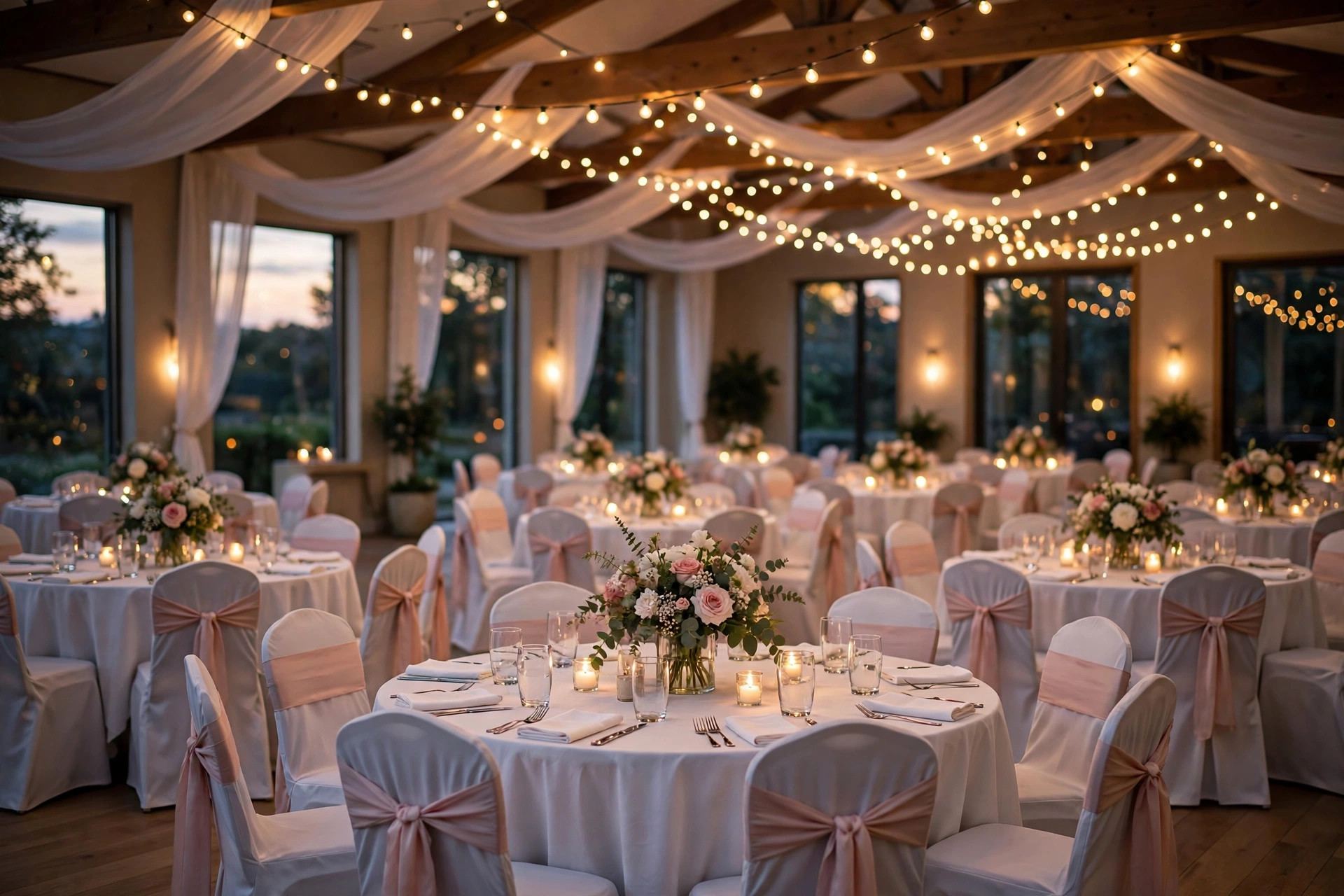
6. Lounge zones. Low sofas, coffee tables, and ottomans instead of formal dining seats — best for cocktail-style receptions with heavy hors d’oeuvres rather than a sit-down dinner. Guests mingle freely. Warning: you need about 30% more space per guest, and grandma needs a real chair. Always keep some traditional seating.
7. The U-shape. Tables arranged in a U with the couple at the base, guests along the arms. Everyone can see everyone — toasts feel like a family gathering, not a performance. Wonderful for 40–80 guests. Needs a wide room.
8. Café-style small tables. Tables of 4–6 scattered like a European café. Intimate and great for brunch weddings. Not ideal with many single guests who know nobody — small tables can feel isolating without a connector guest at each one.
The Diplomacy Set (Where Charts Earn Their Keep)
9. Divorced parents, handled. The rule: each parent gets their own “home base” table with their people, equidistant from the couple. Never seat them together “to be mature about it” — that’s your wish, not theirs. Seat the stepparents with their respective partners. If both parents want to give toasts, separate them in the order with a buffer toast between. I’ve done this dozens of times. It works.
10. The kids’ table. Ages 5–12 at their own table with a teenage cousin or hired sitter as anchor — coloring books, kid food served first, slightly away from the speakers. Under 5s stay with parents; teens go with the adults. One couple hired a magician for the kids’ table during toasts. Genius.
11. The singles mixer table. Seat your single friends who don’t know each other together deliberately — not as leftovers, but as a curated group. Tell them in advance: “I’m putting you with the fun table.” I’ve watched two engagements come out of my singles tables. (I take full credit.)
12. Plus-one placement. Plus-ones sit with their partner, always — never split a couple to “optimize” the chart. For ones you’ve never met, a quick intro at cocktail hour prevents the awkward stranger-sit.
13. The vendor table. Photographer, videographer, planner, DJ — they need to eat near an exit, close to their gear, away from the speakers. Feed vendors the same meal as guests when you can and seat them where they can jump up fast. A fed, well-placed vendor is a better vendor.
14. The grandparents’ table. Near the couple but away from the DJ speakers, close to restrooms, with easy exit access. Comfortable chairs and early service. Small kindnesses, huge returns.
15. The “no chart” cocktail reception. For truly casual weddings under 80 guests with heavy appetizers and no sit-down dinner, you can skip assigned seats entirely — but still reserve 3–4 tables for elderly guests, vendors, and the couple’s parents. “No seating chart” still needs a plan. It just needs a smaller one.
My 5 Peace Rules (Non-Negotiable)
- Buffers, not walls. Don’t isolate difficult guests at a bad table — that’s punishment, and they’ll know. Seat them with warm, chatty people who can carry a conversation past anything awkward.
- Couples stay together. Always. No exceptions, no “optimizing.” Splitting couples is the fastest way to make guests resent the chart.
- One table, one energy. Don’t mix the party-till-2am college friends with the grandparents who leave at 9. Match tables by vibe, not just by how people know you.
- Tell people the plan, not the reasoning. “You’re at table 4 with the college crew!” — never “I put you there because you don’t know anyone else.” The chart should feel thoughtful, never strategic.
- The couple eats. Sweetheart table, vendor meal timing, a full ten minutes with no receiving line — build it into the timeline. A hungry couple is a cranky couple, and the photos show it.
How to Display the Chart
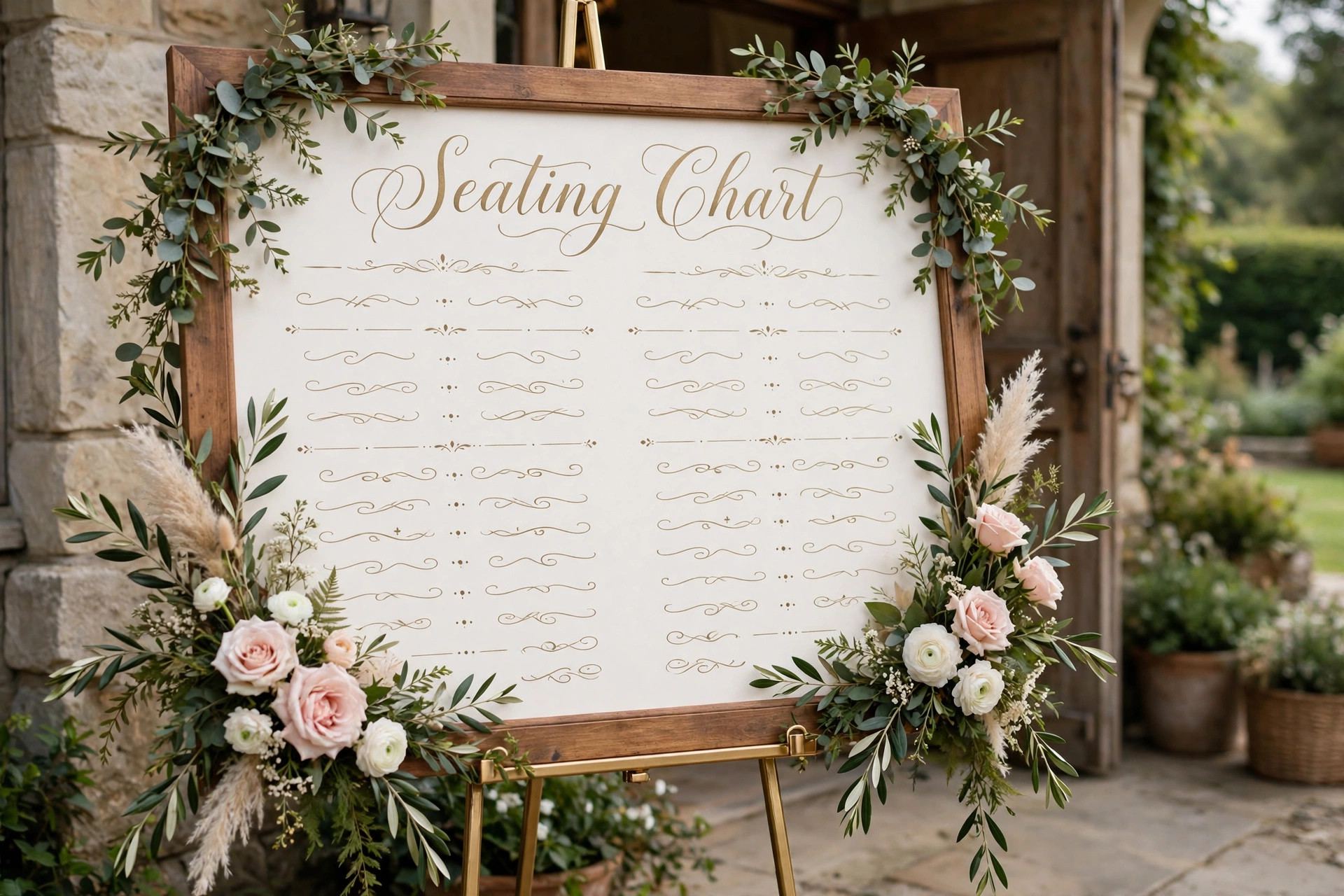
The display board (my default): a large board or mirror at the venue entrance, tables listed alphabetically by guest surname. Elegant, photogenic, one choke point. Have it ready before cocktail hour ends. Pro tip: print a backup copy. Boards get knocked over. It happens.
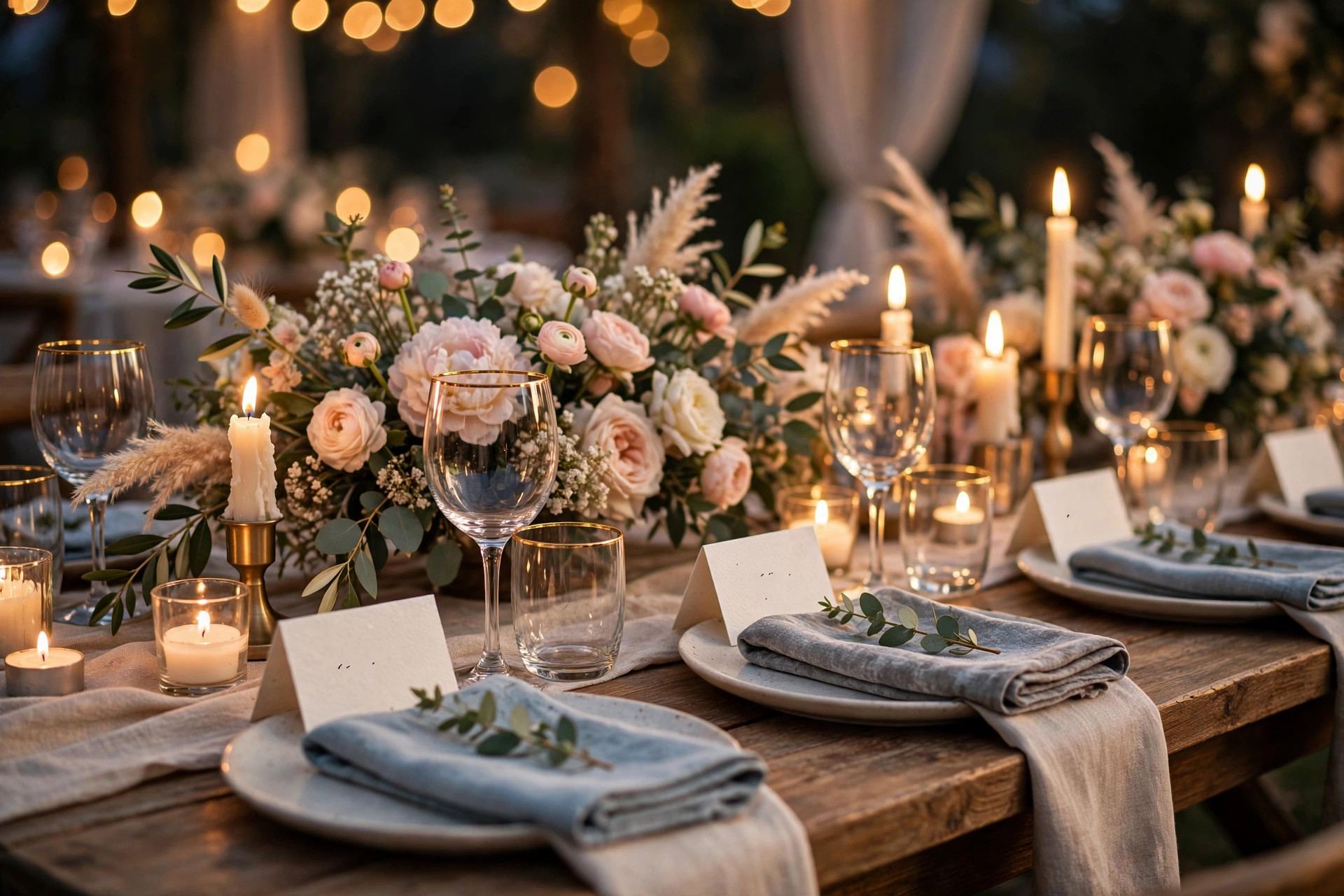
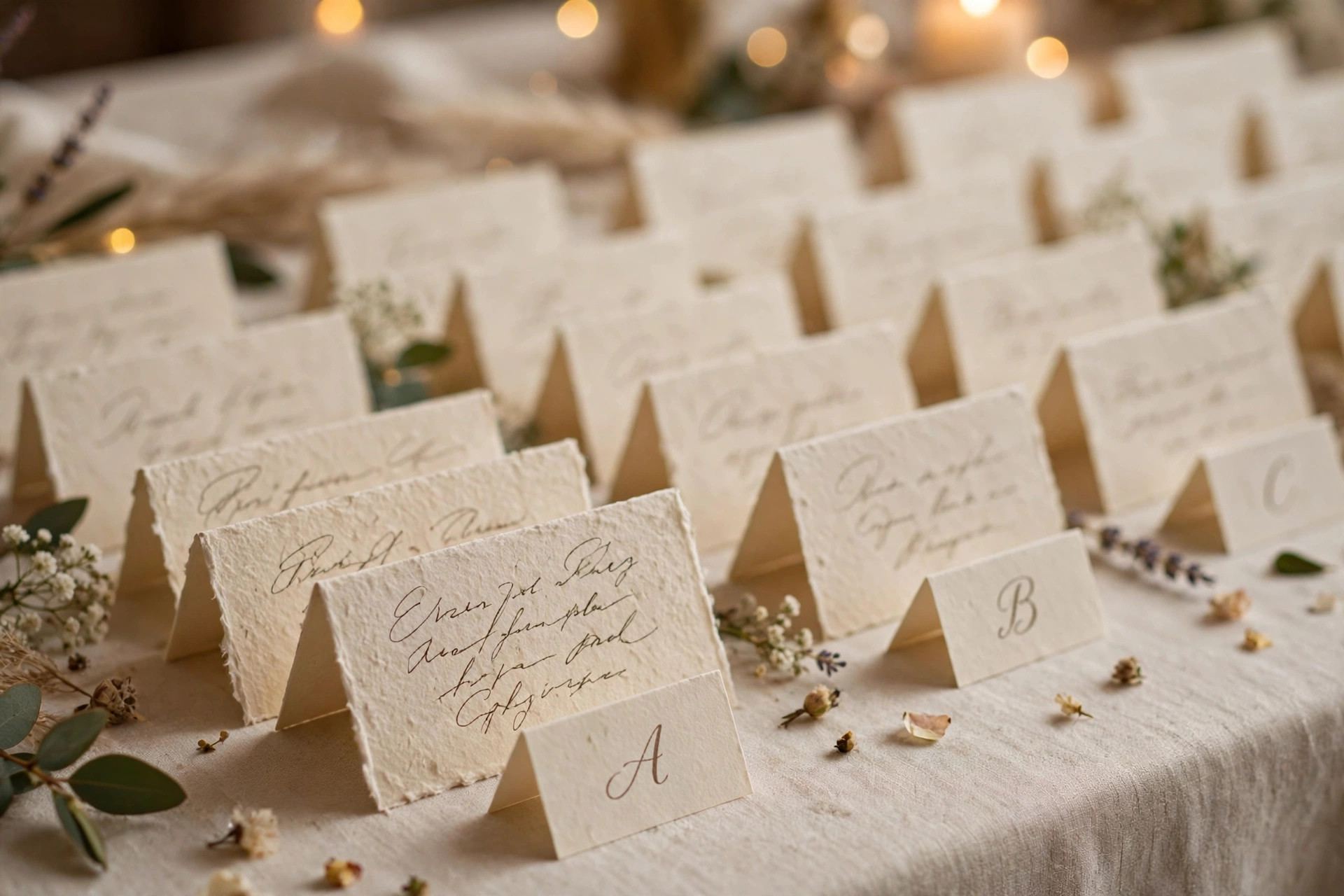
Escort cards: individual cards (tent cards or flat cards) arranged alphabetically on a table, each with the guest’s name and table number. More interactive than a board, doubles as décor. For 150+ guests, this table needs to be big — plan the space.
Digital displays: a TV screen or tablet with a searchable list. Modern, great for last-minute changes (edit the spreadsheet, refresh the screen). Keep a printed backup — wifi dies at the worst moments.
Whichever you choose: alphabetize by surname, use big readable type, and light it well. Guests squinting at a dark board in a dim venue is the number-one cocktail-hour bottleneck I see.
Last-Minute Changes Without the Meltdown
Someone cancels the morning of. A plus-one appears. It happens at every wedding. The system:
- One master spreadsheet, one owner (your planner or a trusted friend — not the couple).
- Two blank escort cards and a good pen at the display table for handwritten additions.
- Never reprint the board. Cross out and rewrite by hand, neatly. Nobody cares.
- The 10% rule: build the chart assuming 10% of guests will shift. Leave one “flex” seat per table of 10 — an empty chair that absorbs surprises without a cascade of moves.
The couple should never hear about seating changes on the wedding day. That’s the rule. Whatever happens, the answer is “handled.” For everything else that goes sideways on the day, my wedding-day emergency kit checklist has you covered — because something always does.
Frequently Asked Questions
Build it 3 weeks before the wedding, after your RSVP deadline. Starting earlier means redoing it as responses come in. Give yourself one focused 2–3 hour session, send it to the venue and caterer at 2 weeks out, and finalize the display at 1 week. Never start before the RSVP deadline — missing responses are holes you can’t plan around.
Give each parent their own table with their own people, equidistant from the couple — never seat them together to “be mature about it.” Seat stepparents with their respective partners. If both want to give toasts, separate them in the speaking order with a buffer toast between. The goal is two comfortable parents, not one impressive gesture.
Ages 5–12 work well at a kids’ table with a teenage cousin or hired sitter as anchor, plus activities and kid-friendly food served first. Under 5s should stay with their parents. Teens belong with the adults — they’ll be mortified at the kids’ table. Always seat the kids’ table slightly away from the speakers.
The sweetheart table (just the couple) is better for most modern weddings: you actually talk to each other, you eat your dinner, and your wedding party gets to sit with their dates instead of performing all night. Choose the head table if tradition and formal photos matter most to you — it’s classic and photogenic, but the couple rarely enjoys the meal.
Assigned seats for any sit-down dinner over 50 guests — open seating creates anxiety, latecomers get the bad tables, and difficult guest combinations happen by accident instead of by design. For casual cocktail-style receptions under 80 guests, open seating works if you still reserve tables for elderly guests, vendors, and parents.
Plus-ones always sit with their partner — never split a couple to optimize the chart. For plus-ones you’ve never met, make a quick introduction at cocktail hour so they aren’t walking into a table of strangers. If you have many unknown plus-ones, group a few couples together so the newcomers have each other as well as their partners.
The Bottom Line
A seating chart isn’t a puzzle to solve — it’s a kindness to extend. Start three weeks out, gather your headcount and floor plan first, place your VIPs and your keep-aparts, match tables by energy, and display it where people can actually read it. Do it in that order and it takes an afternoon, not a month.
Here’s what I believe, and what everything I write comes back to: a great wedding isn’t about the perfect day. It’s about starting a marriage right. And a marriage starts with how you treat people — including the 120 of them you’re seating for dinner.
For more wedding planning guides — timelines, checklists, and the practical stuff nobody tells you — browse the wedding-planning section.