How to Choose the Best Seat on a Plane (By Your Goal)

Here is a secret frequent flyers know: the same flight, the same price, can be a completely different experience depending on which seat you pick. The window seat you grabbed for the view might be next to the lavatory. The aisle seat for easy bathroom access might be where the beverage cart parks for an hour. Learning how to choose the best seat on a plane is not about finding one universally perfect seat. It is about matching the seat to your goal for that specific flight: sleep, quiet, legroom, a smooth ride, or a fast exit.
I have flown in just about every seat on the plane over the years, and I can tell you that seat choice is the highest-leverage decision you make after booking the flight itself. It costs nothing on most airlines, it takes five minutes, and it changes everything about the hours you spend in the air. Here is how to choose by goal, and how to read a seat map like a pro.
Choose by Your Goal: How to Choose the Best Seat on a Plane
Start with what you want from the flight, because the best seat for sleeping is the worst seat for a nervous flyer who wants to move around, and vice versa.
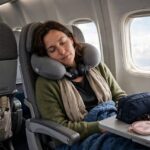
If your goal is sleep, take the window seat. The window gives you a wall to lean against, control over the shade, and protection from being climbed over by seatmates. Pick a seat away from the lavatories and galleys, where foot traffic and noise concentrate. A window seat in the forward half of the cabin is the classic sleeper’s choice: quieter, smoother, and you deplane earlier.
If you hate turbulence, sit over the wing. The wing is the plane’s center of gravity, and it moves the least when the air gets rough. This is physics, not preference: seats near the front and back of the aircraft feel turbulence more because they are farther from the pivot point. Over-wing seats are also typically the fastest to board and among the first to feel stable.
If you want legroom, look at exit rows and bulkhead seats. Exit rows offer significantly more legroom than standard seats, though the seats often do not recline and the armrests may be fixed. Bulkhead seats, the first row of each cabin section, have no seat in front of you, which means more knee room and easier access, but also wall-mounted tray tables and less under-seat storage. Both are worth the small extra fee some airlines charge if you are tall or on a long flight.
If you want quiet, sit toward the front. Engine noise is loudest at the back of the plane, and the front cabins are calmer in every way: fewer passengers walking past, faster service, quicker deplaning. If you want a fast exit, the same front seats win, especially on the left side of the aircraft, which typically deplanes first.
If you want to get up and move, take the aisle. Aisle seats mean no climbing over anyone for the bathroom, the stretch, or a walk to the galley. The trade-off is being bumped by the cart and other passengers, and giving up the window’s sleeping wall. For daytime flights where you will be awake anyway, the aisle is usually the better call.
How to Read a Seat Map
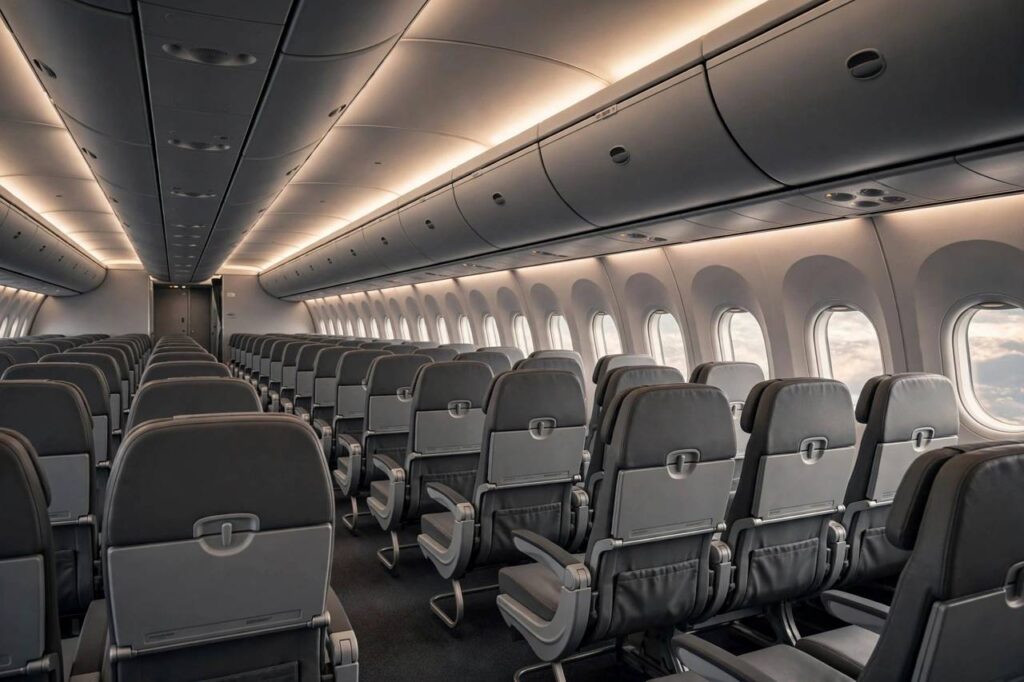
Seat maps look cryptic until you know the code. Every major airline publishes seat maps during booking, and third-party seat map sites add traveler reviews of specific seats. Learn the symbols: a standard seat icon is normal, a crossed-out or grayed seat is taken or blocked, and special icons mark exit rows, bulkheads, and seats with limited recline.
Watch for the trap seats. The last row of the plane often does not recline and sits next to the lavatories. Seats directly in front of exit rows may have limited recline because the exit row behind needs the space. Seats near the galley get noise and light at all hours. And on some aircraft, certain window seats are misaligned, meaning your “window seat” has a wall instead of a window. Seat review sites flag these specifically, and five minutes of checking can save you from the worst seat on the plane.
Also learn your aircraft. A seat that is great on one plane can be mediocre on another, because airlines fly the same route with different aircraft on different days. The seat map during booking tells you the aircraft type. If you care about the details, look it up: seat width, pitch, and layout vary enormously between a modern widebody and an aging narrowbody.
When to Choose Your Seat
Choose your seat at booking if you can. The best seats go first, and on popular flights the good ones are gone within days. If you booked a fare that does not include free seat selection, decide whether the fee is worth it for your flight length. On a two-hour flight, it rarely matters. On an eight-hour overnight flight, paying for an exit row or a preferred window seat is some of the best money in travel.
Check in exactly when online check-in opens, usually twenty-four hours before departure. This is when blocked seats sometimes release and when you get the best remaining choice if you did not select earlier. And keep checking: aircraft swaps and other passengers’ changes can open better seats in the days before the flight. I have upgraded from a middle seat to an exit-row window forty-eight hours before departure just by looking again.
Flying soon and still sorting the details? Booking at the right time often gives you better aircraft and schedule options to choose from, and finding cheap flights leaves more budget for the seat upgrades that actually matter on long hauls.
Special Situations Worth Knowing
Traveling with kids? Sit near the front for faster deplaning and easier bathroom access, and avoid the exit rows, which have age restrictions. Most airlines block exit-row seats for passengers under fifteen or sixteen. Book seats together early, because airlines will split groups without a second thought if you leave it to check-in.
Nervous flyer? The wing seats are your friend for the smoothest ride, and the aisle gives you a sense of space and control. Avoid the back of the plane, where turbulence feels strongest and engine noise is loudest. Some nervous flyers also do better with a daytime flight, when you can see the horizon.
Tall traveler? Prioritize legroom over everything: exit rows first, bulkheads second, and then any aisle seat where you can extend slightly. The fee for extra-legroom seats is worth it on any flight over three hours if you are over six feet. Your knees will thank you for the entire trip, not just the flight.
Seat Selection: Budget Airlines vs Full-Service Carriers
How seat selection works depends enormously on which kind of airline you are flying, and the strategies differ.
On full-service carriers, seat selection is usually included in standard fares or available for a modest fee, and the seat map is rich with options: preferred seats, extra-legroom sections, and sometimes free selection at check-in. The strategy here is early and informed. Select at booking, research the specific aircraft, and recheck before the flight for newly opened seats. Loyalty program members often get free preferred seats, which is one of the quieter perks of even low-tier status.
On budget airlines, seat selection is a revenue stream, and the pricing reflects it. Basic fares often include only a random assigned seat, with fees for choosing your seat, for extra legroom, and for priority boarding. The math changes: on a two-hour budget flight, the random middle seat is a reasonable trade for the low fare. On a four-hour flight, paying for an exit row or a front seat can be worth more than the ticket difference to a full-service carrier.
Watch for the budget-airline seating traps. Some carriers seat groups apart deliberately to sell seat selection; if you are traveling with others and want to sit together, you usually must pay. Families with young children are the exception on many airlines, which will seat a child with an adult for free, but confirm the policy rather than assuming.
Priority boarding deserves a mention because it interacts with seat choice. On airlines with open seating, boarding position is everything: early boarding means your pick of seats, late boarding means the middle seats by the lavatory. If you fly open-seating carriers regularly, the priority boarding fee is often better value than any specific seat fee.
The universal rule across both models: the fee is per flight, per person, per segment. A family of four paying seat fees on two connecting flights is paying eight fees. Do the total math before clicking, and weigh it against the flight length. An hour-long hop does not merit twenty dollars a seat. An overnight long-haul absolutely does.
Frequently Asked Questions (FAQ)
What is the best seat on a plane for sleeping?
A window seat away from lavatories and galleys, ideally in the forward half of the cabin. The window gives you something to lean on and control of the shade, and the front of the plane is quieter.
Are exit row seats worth it?
For legroom, absolutely, especially on flights over three hours. The trade-offs are seats that often do not recline, fixed armrests, and the responsibility of being willing and able to assist in an emergency.
Which seats feel turbulence the least?
Seats over the wing, near the plane’s center of gravity. The front and rear of the aircraft move more in turbulent air because they are farther from the pivot point.
Is it better to sit in the front or back of the plane?
The front is quieter, deplanes faster, and gets better service. The back is sometimes emptier on light flights, which can mean a whole row to yourself, but it is noisier and feels turbulence more.
Should I pay for seat selection?
On short flights, usually not. On long-haul or overnight flights, paying for a good seat, especially an exit row or preferred window, is one of the best-value upgrades in travel. The price of comfort for eight hours is low.
The Bottom Line
Figuring out how to choose the best seat on a plane is a five-minute task with an hours-long payoff. Pick by your goal: window for sleep, wing for smoothness, exit row for legroom, front for quiet, aisle for freedom. Read the seat map, avoid the trap seats, and check again before you fly. The best seat is not a mystery. It is a decision.