How Much Does a Hollywood Star Cost?

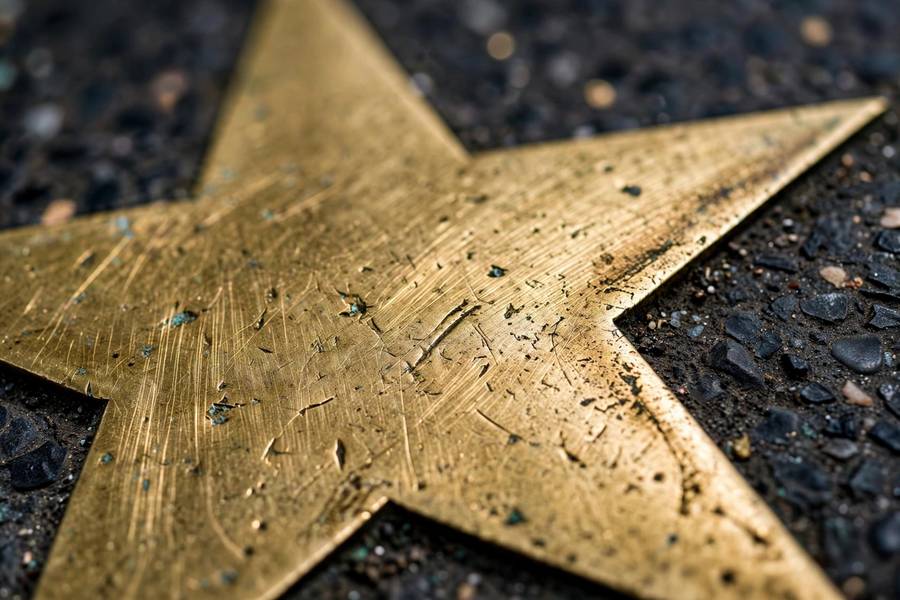
People are always shocked when I tell them the price. Not that a Hollywood Walk of Fame star costs money — everyone sort of assumes that — but how much, and how fast the number keeps climbing. As of 2026, getting a star on the Walk of Fame costs $85,000. That’s the sponsorship fee, due after selection, paid by somebody who isn’t the city and usually isn’t the celebrity either. Let me break down exactly where that money goes, who writes the check, and why the price has nearly tripled in a generation.
In this article
In this guide:
The Price, Right Now: $85,000
The Hollywood Chamber of Commerce’s current sponsorship fee for a Walk of Fame star is $85,000 as of 2026. That’s the headline number — the base cost, published and non-negotiable, due from the sponsor after the nominee has been selected by the committee and ratified by the board.
A few things the number is not: it’s not the application fee (that’s a separate $250, paid with the nomination). It’s not the total cost of the ceremony (that’s extra, and can run well beyond the fee). And it’s not paid by the celebrity — at least, not usually. The $85,000 comes from the sponsor: a film studio, TV network, record label, management company, or occasionally a fan club that raised the money.
The fee was $75,000 as recently as 2025. Before that, it sat at $50,000 and $30,000 in earlier eras. The increases track installation labor, materials, and the general cost of maintaining a 1.3-mile outdoor monument in the middle of Los Angeles. Terrazzo and brass aren’t getting cheaper, and neither is cutting into a city sidewalk.
How the Fee Grew: From $2,500 to $85,000
The fee started at $2,500 in the 1960s, instituted by Johnny Grant — the Honorary Mayor of Hollywood — as a way to fund the Walk’s upkeep. In today’s money that’s roughly ten grand, which tells you how much the economics of the thing have changed.
For years the fee sat at $30,000, the number quoted in countless articles and the figure most people still have in their heads. It’s outdated. The fee climbed through $40,000 and $50,000 tiers, hit $75,000 in the mid-2020s, and reached $85,000 as of 2026. If you’re reading an older article that says $30,000, check the date — the Walk’s pricing has a shelf life.
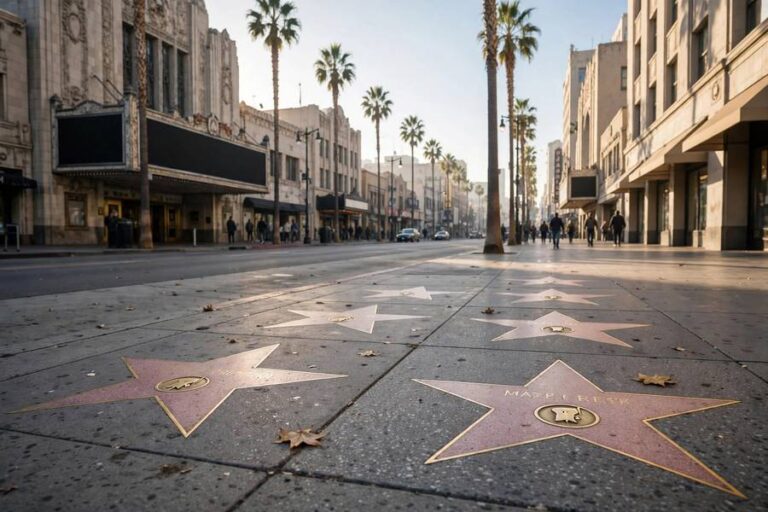
What’s striking is that the fee has never gone down. The Walk is a self-financing monument — it has never taken public money — so the sponsorship fee is the entire business model. Every increase reflects real costs: fabrication, licensed contractors, sidewalk restoration, and the Hollywood Historic Trust’s ongoing maintenance of more than 2,800 stars.
What the $85,000 Actually Covers
So where does the money go? The Chamber breaks it into three buckets:
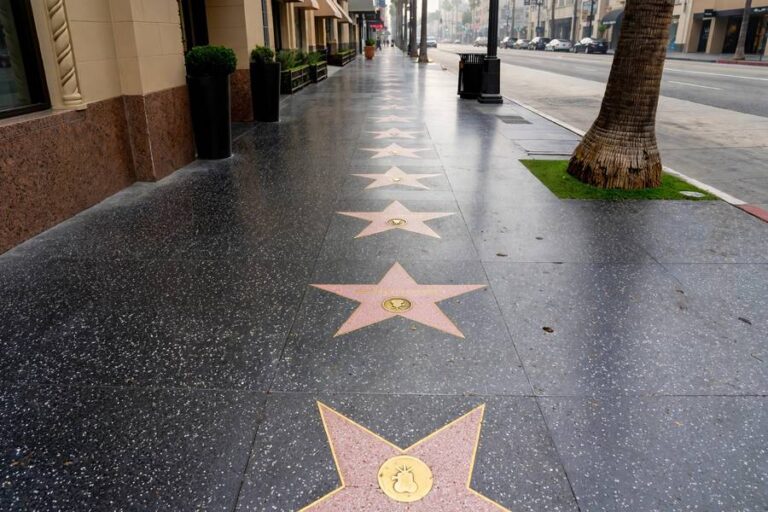
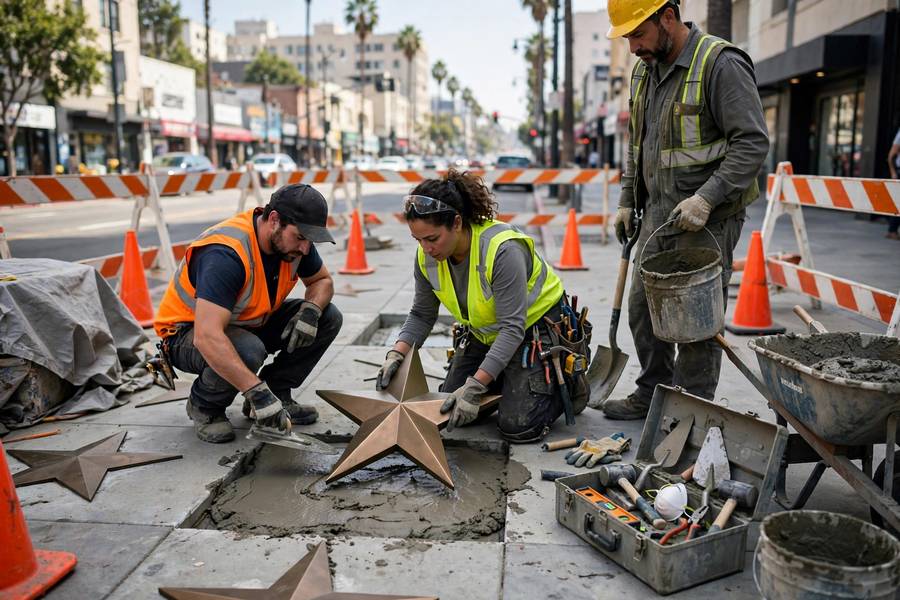
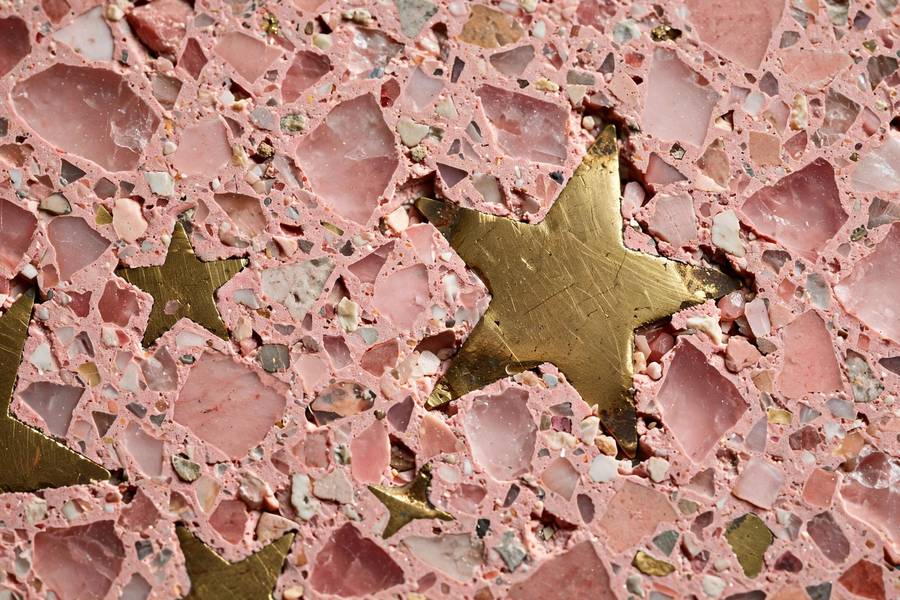
Fabrication. Each star is custom-made: coral-pink terrazzo, brass borders, the honoree’s name, and the correct category emblem (camera, TV set, phonograph, microphone, masks, or the sports entertainment emblem). These aren’t mass-produced; each one is a small custom monument, and each weighs around 300 pounds.
Installation. Licensed contractors cut into the sidewalk on Hollywood Boulevard or Vine Street, set the star, and restore the surrounding pavement. Doing construction on a busy commercial sidewalk in Los Angeles — permits, labor, materials, restoration — is expensive in ways that surprise everyone except contractors.
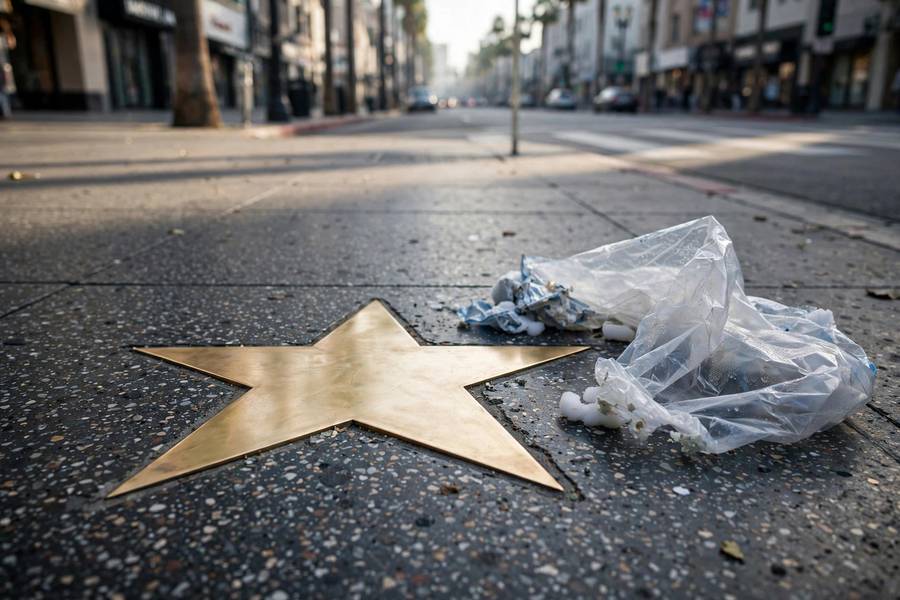
Long-term maintenance. Part of the fee goes to the Hollywood Historic Trust, which maintains the Walk: cleaning, repairing vandalism damage, and replacing stars that get destroyed. Given how often stars are vandalized (Trump’s star alone has been smashed multiple times), the maintenance fund earns its keep.
What the fee does not cover: the ceremony production. The risers, the sound system, the security, the staging, the photography — that’s a separate budget, and for a major star with a big rollout, it can easily exceed the sponsorship fee itself. The $85,000 is the price of the star. The party costs extra.
Who Writes the Check
In practice, the sponsor is whoever has the most commercial interest in the honoree’s fame at that moment. A film studio pays when its franchise star gets selected. A record label pays for its artist. A TV network pays for its anchor or showrunner. The timing of star ceremonies — often coinciding with a premiere, an album drop, or a show launch — tells you everything about who’s paying and why.
Fan clubs occasionally sponsor stars, usually through fundraising. It’s rarer, because $85,000 is a lot of bake sales, but it happens — and those are always the most heartwarming ceremonies, because the crowd is genuinely there for love, not PR.
The honoree themselves sometimes contributes, but it’s uncommon. The industry norm is that the star is a business expense for whoever profits from the honoree’s fame. Which is also why some genuinely deserving artists don’t have stars: no sponsor, no star. The Walk is a merit system with a cover charge, and the cover charge is real.
There’s an interesting side effect to this model: the sponsor list for any given year reads like a map of industry power. When a streaming platform starts sponsoring stars for its showrunners, or a record label buys in bulk for its roster, you’re watching the business of fame allocate its monuments in real time. The $85,000 fee doesn’t just fund the Walk — it reveals who the industry currently values enough to immortalize.
The Other Costs Nobody Mentions
Beyond the $85,000 and the ceremony production, there are smaller costs that add up. The $250 application fee is trivial by comparison but non-refundable — nominate and lose, and the Chamber keeps it. Publicists and managers spend real money on the nomination package: the bio, the documentation, the campaigning. For a major star, the full all-in cost of the Walk of Fame experience — fee, ceremony, PR, events — can comfortably clear six figures.
And then there’s the opportunity cost nobody talks about: the two-year ceremony window. From selection, the honoree has two years to schedule the dedication. Miss the window and the selection expires. For busy A-listers, finding the date is its own logistical saga.
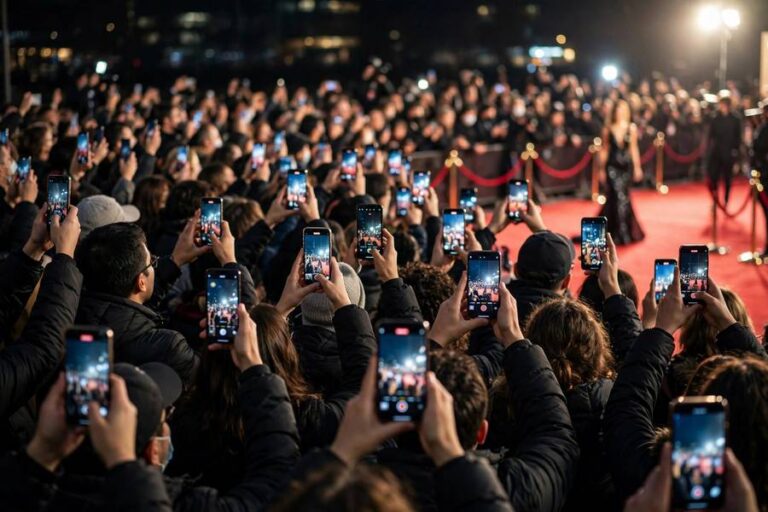
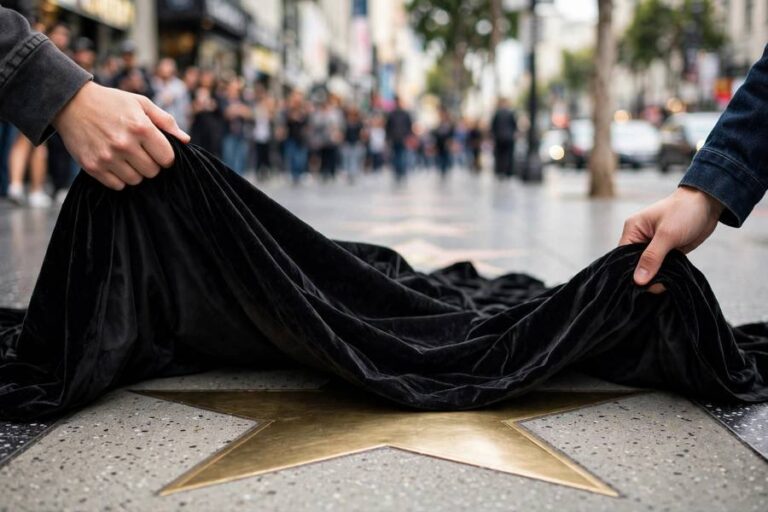
It’s worth noting how the unveiling fits into the broader fame economy. The ceremony is frequently folded into the honoree’s press tour schedule — timed to a premiere or release so the media already in town for one event covers both. The sponsor’s $85,000 goes further when the star dedication doubles as a promotional beat, which is exactly why the timing of these ceremonies is so rarely coincidental. Everyone at the table understands the exchange: the Chamber gets its event, the sponsor gets its coverage, and the honoree gets immortality in terrazzo.
Why It Costs What It Costs (and Whether It’s Worth It)
Is $85,000 a lot for a sidewalk star? As a construction project, no — try getting anything built on a Los Angeles sidewalk for less. As an honor, it’s a strange question, because the honoree isn’t really the customer. The sponsor is. And for a studio, $85,000 plus ceremony costs is cheap marketing: a televised event, days of press coverage, a permanent tourist attraction with your artist’s name on it.
That’s the clearest way to understand the Walk’s economics. It’s not a prize you buy. It’s a monument the industry funds, honoring the people who make the industry money, in a ceremony the industry uses to make more money. Everyone involved understands this. The tourists posing for photos don’t need to — but I think the stars are more interesting once you do.
The full machinery — selection, categories, ceremonies — is in my guide to what the Hollywood Walk of Fame is. And for the fame-industry economics from the performer’s side, getting into acting is where those $85,000 careers actually start — usually without $85,000.
Frequently Asked Questions
$85,000. That’s the sponsorship fee set by the Hollywood Chamber of Commerce, due from the sponsor after the nominee is selected. It covers fabrication, installation, and long-term maintenance.
Rarely. The $85,000 fee is typically paid by a sponsor — a film studio, TV network, record label, management company, or fan club. The honoree signs an agreement to participate but usually doesn’t write the check.
Yes — $250, paid with the nomination and non-refundable. The nomination also requires a photo, bio, career credentials, charity-work documentation, and a signed consent letter from the nominee.
Custom fabrication of the terrazzo-and-brass star, professional installation in the sidewalk, and long-term maintenance through the Hollywood Historic Trust. Ceremony production costs (staging, security, sound) are separate.
No. It started at $2,500 in the 1960s, sat at $30,000 for years, and climbed through $50,000 and $75,000 before reaching $85,000 as of 2026. Older articles quoting lower figures are outdated.