What to Wear to a Museum: The Chic Comfort Formula

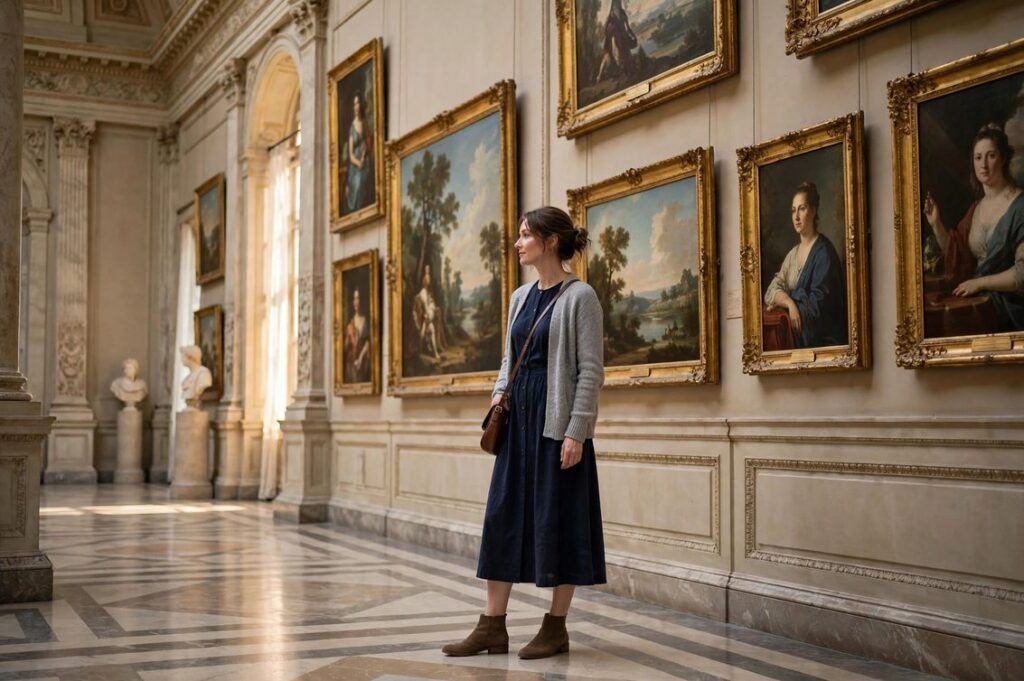
Museum days are some of my favorite days of the year — and some of the trickiest to dress for. If you have ever stood in front of your closet wondering what to wear to a museum, you know the dilemma: you want to look like someone who belongs among beautiful things, but you will be walking for hours, climbing gallery stairs, standing in front of paintings, and dealing with air conditioning that behaves like winter in July. Here is my formula after years of art fairs, exhibitions, and gallery openings: comfort-first pieces, smart layers, and one polished focal point. Everything else is detail.
The mistake most people make is treating a museum visit like a fashion moment instead of a physical one. You are not sitting at a dinner; you are touring long corridors of art. The best-dressed people in any museum are the ones who planned for walking, temperature swings, and long stretches of standing — and they still look effortlessly put together, because their pieces work as a system. A museum outfit is not about one statement piece. It is about ten small decisions that add up to a day you actually enjoy.
What to Wear to a Museum: The Core Formula
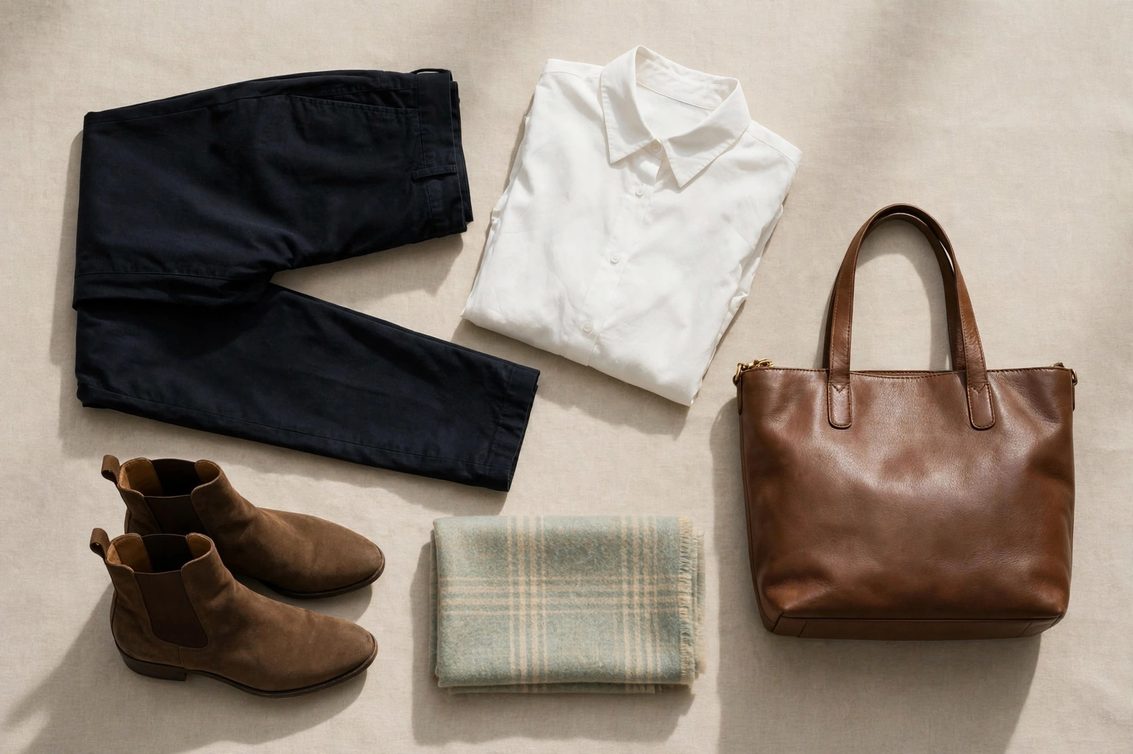
Think of your museum outfit in three layers: a comfortable base, a polished layer, and weather-ready outerwear. The base is what keeps you moving — trousers or a midi skirt with real stretch, a breathable top, and shoes you could walk a city in. The polished layer is what makes you look intentional: a structured blazer, a quality knit, a scarf, good jewelry. The outerwear is the coat or jacket you will check or carry, because museum interiors are almost always cooler than the street outside.
Color matters more than you think, and not for the reason fashion magazines suggest. Dark and muted tones — navy, charcoal, black, olive, cream — do two things: they do not compete with the art, and they do not show the dust, fingerprints, and bench marks that gallery furniture leaves on light clothing. You do not need to dress like a shadow. A single accent — a silk scarf, a great bag, an interesting shoe — is enough personality. Let the paintings be the loudest thing in the room.
Fabric is the quiet hero of museum dressing. You want breathable, wrinkle-resistant, and quiet. Heavy denim is fine if it is broken in; stiff new jeans are not. Linen looks beautiful but wrinkles by noon; save it for short visits. A ponte-knit dress, dark tailored trousers with stretch, or a midi skirt in a crease-resistant weave will look as good at the last gallery as at the first. And skip anything rustly or swishy — nylon jackets and taffeta skirts announce your arrival in a quiet gallery, which is the opposite of museum manners.
The Shoe Decision Matters Most
If you take one thing from this guide, let it be this: shoes decide the day. A major museum visit easily means several hours on your feet across hard marble and polished concrete. This is not the moment for breaking in new heels or choosing style over structure. My shortlist: leather ankle boots with a low block heel, cushioned loafers, clean minimalist sneakers, or supportive ballet flats with a real sole. I have done full museum days in all four, and the difference between a good day and a limping one is entirely in the insole.
Avoid thin stilettos, both for comfort and for courtesy — narrow heels click loudly on marble halls and can damage old floors. Some historic museums actually ask you to avoid them. Open-toe sandals are fine in summer but choose a pair with a secure strap; flip-flops signal beach, not gallery. And if your visit includes outdoor sculpture gardens or grounds, bring shoes that handle grass and gravel. One pair of shoes cannot always do everything, so when in doubt, choose comfort and bring the pretty pair in your bag for dinner after.
Seasonal Museum Outfit Ideas
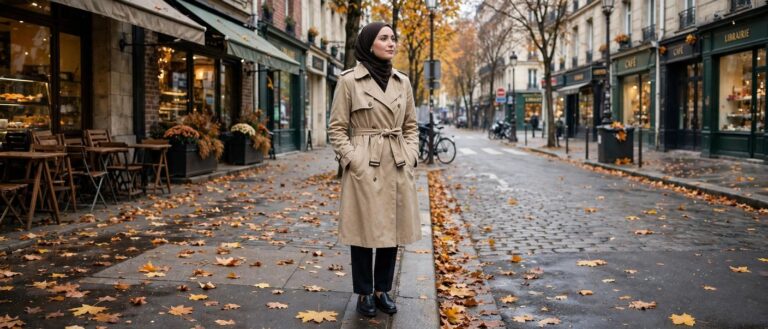
Spring: A midi wrap dress with sleeves and flats, plus a trench you can carry. Temperatures shift from chilly galleries to warm atriums, so the trench earns its place. Add a small crossbody bag so your hands stay free for the audio guide.
Summer: Dark tailored shorts with tights are too much for summer; instead choose breathable wide-leg trousers or a knee-length skirt with a cotton blouse. Museums are aggressively air-conditioned, so the summer museum outfit paradoxically needs a light cardigan or oversized shirt as a layer. Comfortable sandals with ankle straps handle the miles.
Autumn: This is museum season at its best. A sweater dress in a dark tone with opaque tights and ankle boots is the classic for a reason — it is one piece, it looks polished, and it transitions from a cold street to a warm gallery with one zip of the boots. A wool blazer over dark trousers is the equally good trouser option.
Winter: Layers are everything. A fine-knit turtleneck under a blazer, dark jeans or trousers, and boots; top with a real coat you can check at the cloakroom. Most museums have a coat check or lockers — use them, because carrying a heavy coat for four hours will ruin the day faster than any shoe choice.
What to Wear to a Museum Opening or Evening Event
Museum openings, exhibition previews, and gallery nights are a different occasion from a daytime visit — and they deserve a different outfit. The dress code is usually smart evening wear: polished, a little more daring, but still practical, because you will still be standing and walking through galleries. A knee-length dark dress with sleeves and a heel, or dark trousers with a silk blouse and a statement earring, both land perfectly. This is the moment to bring the bag you would never drag through a daytime museum.
For evenings, you can lean into color and texture — velvet, silk, a bold print — but keep the silhouette modest and the shoes genuinely walkable, because openings involve queues, stairs, and standing receptions. If the invitation mentions a theme (and exhibition previews often do), honor it lightly: a nod in your accessory or color choice is charming; a full costume is not. For more ideas on polished event dressing, see my guide to celebration evening outfits — the logic of dressing for one special evening translates directly.
Museum Etiquette Most Visitors Forget
What you wear signals how you treat the space, and a few habits separate the regulars from the tourists. First, bags: large backpacks are often banned from galleries or must be worn at the front, because a swinging backpack near a canvas is a curator’s nightmare. Travel with a small crossbody or tote, and use the cloakroom. Second, fragrance: skip heavy perfume. You will be in close quarters with strangers for hours, and scent carries in quiet rooms. Third, hats: remove them indoors out of simple courtesy, and they block the view of people behind you anyway.
Fourth — and this one is mine from experience — bring a layer even when it is hot outside. Museum climate control protects the art, not you, and galleries run cold. A scarf in your bag weighs nothing and saves the afternoon. Fifth, if you are visiting with kids or a group, dress everyone for movement: interactive exhibits, children’s wings, and science museums all reward clothes that bend, climb, and sit on the floor. Finally, when a museum trip is part of a longer journey, plan the outfit around packing light for the whole trip — one versatile museum outfit that mixes with the rest of your suitcase beats three single-use ones.

Dressing for Special and Immersive Exhibitions
Immersive exhibitions — the light-projection shows, mirror rooms, and large-scale installations that now tour every major city — have their own dress logic. These spaces are dark, crowded, and photographed constantly, so solid dark or jewel tones read best on camera and do not reflect colored light back at the installation. Avoid white and neon, which glow distractingly in dark rooms and photobomb other visitors’ pictures. Footwear matters even more here: these exhibitions often involve timed entry slots, standing in lines, and slow-moving crowds with no seating. If the exhibition is outdoors or spans multiple buildings, check the weather like you would for a day trip, because part of the “gallery” may be a courtyard, a rooftop, or a garden path.
The One-Bag Museum Kit
After years of doing this, my museum bag always holds the same five things: a water bottle (hydration fountains exist but queues do not care), a small snack (museum cafés are priced like airports), a portable phone charger (the audio guide app eats batteries), a scarf or light layer, and a pen and small notebook. The notebook sounds old-fashioned until you stand in front of a painting you love and want to remember the artist’s name tomorrow. Phones are fine for photos where allowed, but a written note outlasts a camera roll.
Quick Answers
Is there a dress code for museums?
Most museums have no formal dress code, but they expect neat, respectful clothing. A few historic sites and special exhibitions restrict large bags, backpacks, and sometimes stiletto heels to protect the floors. Check the museum’s website before you go.
Can I wear jeans to a museum?
Absolutely. Dark, well-fitting jeans with a polished top and good shoes are one of the best museum outfits there is. Avoid ripped or distressed denim if you want to look intentional rather than accidental.
What should I not wear to a museum?
Skip anything noisy (rustling fabrics, jangling bracelets), anything with strong slogans or graphics, very revealing outfits, and shoes you cannot walk in for hours. Large backpacks are impractical in galleries and sometimes banned.
What do people wear to art gallery openings?
Smart evening attire: a polished dress or dark trousers with a silk blouse, one statement accessory, and walkable heels or dressy flats. Slightly dressier than daytime museum wear, still practical for standing through a reception.
How should I dress for a museum in winter?
Warm layers in dark tones — a turtleneck, blazer, dark trousers, boots — with a real coat you can check at the cloakroom. Galleries are kept cool year-round, so the layering habit works in every season.