Best Time to Visit Bali: Month-by-Month Honest Guide


Ask ten travelers about Bali and you’ll get ten different answers — which is exactly why timing your trip matters so much. Pick the best time to visit Bali and you get glassy surf, dry temple trails, and sunsets that look photoshopped. Pick wrong and you’re watching rain hammer the villa pool while paying peak-season prices anyway. I’ve been twice, in two very different months, and the island felt like two different places.
Bali sits just south of the equator, so forget four seasons — the island runs on two: dry season (April to October) and wet season (November to March). Temperatures barely move year-round (highs hover around 30°C/86°F), so the real variables are rainfall, humidity, crowds, and prices. Here’s how each stretch of the year actually feels.
The Best Time to Visit Bali: April to June and September
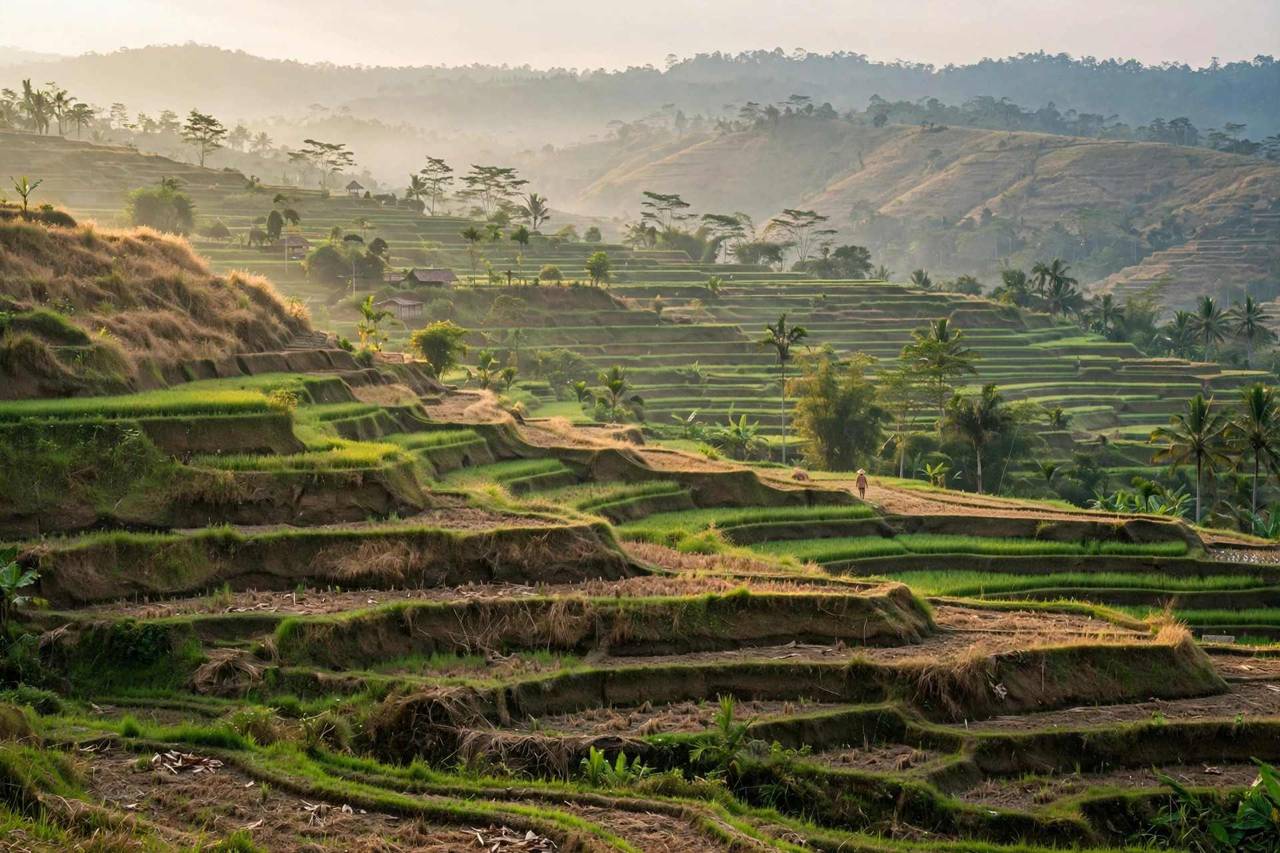
If I had to pick one answer, it’s the shoulder months. April, May, June, and September hit the sweet spot: dry-season weather without peak-season chaos. Rain is rare, humidity is manageable, the rice terraces around Ubud are green and photogenic, and you’ll find hotel rates noticeably lower than July–August. September in particular is a gem — the European summer crowds have gone home, but the dry weather lingers.
July and August: Peak Season in Bali
This is Bali at its busiest and most expensive. The weather is superb — dry, sunny, slightly cooler evenings — which is exactly why everyone comes. Expect packed beach clubs in Seminyak, booked-out villas, higher prices across the board, and traffic on the main routes that tests your patience. It’s still a great time to visit if your dates are fixed (school holidays, honeymoon), just book accommodation well in advance and brace for crowds at headline spots like Uluwatu Temple at sunset. The diving around Nusa Penida and Amed is excellent in these months, with the best visibility of the year.
November to March: Bali’s Wet Season
Wet season doesn’t mean constant rain — it means predictable afternoon downpours with plenty of sunshine in between, especially early in the season. December through February are the wettest months. The upside is real: the island is at its greenest, waterfalls are thundering, crowds thin out, and prices drop to their lowest (outside the Christmas–New Year spike, when Australians flood in and rates surge). Surfers actually prefer wet season on the west coast — bigger swells at Uluwatu and Canggu. If you’re budget-focused, flexible, and don’t mind planning around afternoon rain, wet season Bali is a legitimate bargain.
Best Time to Visit Bali by Activity
- Surfing: dry season (May–September) for the west coast (Uluwatu, Canggu); wet season (November–March) brings the best swells but also onshore winds — east coast spots like Nusa Dua work better then.
- Diving and snorkeling: April–November for the clearest water around Nusa Penida (manta rays) and Tulamben (the Liberty wreck).
- Temple sightseeing: dry season, full stop. Climbing the steps of Besakih or Lempuyang in a downpour is miserable.
- Yoga and wellness retreats: year-round in Ubud, but the shoulder months give you dry days for outdoor shalas without the crowds.
- Honeymoons: May–June or September — romantic weather, fewer crowds, better villa availability.
Bali Month by Month: The Honest Version
- January–February: wettest months, lowest prices, fewest tourists. Lush and moody. Good for spa trips and writers’ retreats, bad for beach days.
- March: rain easing off. Nyepi (Balinese New Year, the Day of Silence) usually falls in March — a genuinely unique experience, but the whole island shuts down for 24 hours, including the airport.
- April–June: the sweet spot begins. Dry, green, calm. My top pick for first-timers.
- July–August: perfect weather, peak crowds, peak prices. Book early.
- September–October: crowds fade, weather holds. The insider’s choice.
- November: transition month — occasional storms, dropping prices.
- December: wet, but the Christmas–New Year fortnight is the year’s priciest period thanks to holiday travelers.

How Much the Season Affects Prices
Seasonality hits Bali harder than many destinations. Mid-range hotels and private villas can cost significantly more in July–August and over Christmas than in the quietest wet-season weeks. Flights follow the same curve — which is why timing matters doubly if you’re flying long-haul. If your dates are flexible, shifting a July trip to September can mean the same villa for meaningfully less, with nearly identical weather. finding cheap flights is worth reading before you book anything.
What to Pack for Bali in Any Season
Light, breathable clothing year-round; a proper rain jacket (not a flimsy poncho) if you’re going November–March; reef-safe sunscreen; modest clothing covering shoulders and knees for temple visits (a sarong works — many temples lend them); and sturdy sandals for uneven temple steps and beach paths. our international packing guide covers the full list if you’re building your bag from scratch.
Where to Stay in Bali (and When Each Area Shines)
Bali isn’t one destination — it’s several, and the best base shifts with the season:
- Ubud: the cultural heart — temples, rice terraces, yoga, art markets. Best in dry season when you can actually walk the Campuhan Ridge without sliding. Year-round pleasant, but magical in May–June when everything is green and the rain has stopped.
- Seminyak/Canggu: beach clubs, surf, restaurants, nightlife. Peak in July–August, lively year-round. Canggu’s surf is better in dry season; the café scene doesn’t care about weather.
- Uluwatu: dramatic cliffs, world-class surf, sunset temples. Dry season is prime — wet season brings bigger swells but sketchier cliff paths.
- Nusa Dua: calm, swimmable beaches and big resorts. The east-coast location means it’s more sheltered when wet-season winds hit the west coast — a smart pick November–March.
- Nusa Penida: the offshore island for day trips or a few nights — Kelingking Beach, manta snorkeling, raw scenery. Go April–November for calmer boat crossings; the fast boats get rough in peak wet season.
First-timers do well splitting a trip: 4–5 nights in Ubud for culture, 4–5 nights on the coast for beaches. our full guide to things to do in Bali

First-Timer Mistakes to Avoid in Bali
- Trying to see it all from one base: Bali’s traffic is notorious — a “30-minute” drive can take two hours. Pick two bases max and do day trips, rather than commuting across the island daily.
- Underestimating the sun: equatorial sun burns fast, even on cloudy days. Reef-safe sunscreen, reapplied — the “it’s overcast, I’m fine” crowd learns this the hard way.
- Drinking tap water: stick to bottled or filtered water, including for brushing teeth in rural areas. Bali belly is real and ruins days.
- Renting a scooter with no experience: the leading cause of ruined Bali trips. If you don’t ride at home, don’t learn in Canggu traffic. Hire a private driver — it’s remarkably affordable.
- Skipping temple etiquette: cover shoulders and knees, wear the provided sarong, and never walk in front of someone praying. Respect costs nothing.
- Only staying in the south: the north and east (Munduk waterfalls, Amed diving, Sidemen valley) are quieter, cheaper, and stunning — most tourists never go.
Bali on a Budget: Timing Your Savings
If price drives your dates more than weather does, here’s the playbook. Cheapest months: January–March and November, when villas and hotels discount aggressively — you can find private-pool villas at a fraction of peak rates. Best value months: April–June and September–October, where you pay moderate prices for excellent weather; this is where the savvy money goes. Most expensive: July–August and the Christmas–New Year fortnight, when demand peaks. Three budget levers beyond timing: stay slightly outside the hotspots (a 15-minute scooter ride from Seminyak halves accommodation costs), eat where locals eat (warungs serve full meals for a few dollars), and negotiate weekly rates for longer villa stays — owners prefer a guaranteed three weeks over gambling on nightly bookings. budget travel destinations
How Long to Stay: Itineraries by Trip Length
- 5–7 days: pick one base. Ubud for culture-first travelers, Seminyak or Uluwatu for beach-first. Day-trip to the other side once.
- 10 days: the classic split — 4–5 nights Ubud, 4–5 nights coast. Add a Nusa Penida day trip.
- 2 weeks: add the east (Amed for diving, Sidemen for the valley) or 2–3 nights on Nusa Penida or Nusa Lembongan. This is the trip where Bali stops feeling rushed.
- 3+ weeks: slow travel territory — rent a villa monthly, learn to surf properly, take a cooking course, do nothing for a few days. slow travel
Frequently Asked Questions
What is the best month to visit Bali?
May, June, and September are the sweet spot — dry-season weather with fewer crowds and lower prices than the July–August peak. April is nearly as good. If you want the absolute driest weather and don’t mind crowds, July and August win.
Is Bali good to visit in the rainy season?
It can be, with the right expectations. Rain usually falls in intense afternoon bursts rather than all-day washouts, the island is at its greenest, and prices are lowest. Avoid it if your trip revolves around beach days or diving visibility; consider it if you’re budget-focused or into surf, spas, and waterfalls.
When is the cheapest time to go to Bali?
January through March (excluding any holiday spikes) typically has the lowest hotel and villa rates, with November and early December close behind. Flights are also cheapest in these windows. The trade-off is wetter weather.
How many days do you need in Bali?
Ten days to two weeks lets you properly split time between two or three bases — say Ubud for culture and Seminyak or Uluwatu for beaches — without living out of a taxi. A week works if you pick one area and do day trips, but Bali rewards slowing down.
Is Bali crowded in July and August?
Yes — it’s peak season. Popular temples, beach clubs, and restaurants are busy, villa prices peak, and traffic on the main south-Bali routes is heavy. Book accommodation well ahead and start sightseeing early in the day to stay ahead of the crowds.
What should I avoid when visiting Bali?
Don’t drink tap water, don’t ride a scooter without experience (and travel insurance that covers it), and don’t touch your temple visit without proper modest dress. Also: haggle politely at markets, never with aggression — and skip the “cheap” arak cocktails from unlicensed beach vendors.