What Is the Met Gala? Inside Fashion’s Most Expensive Night

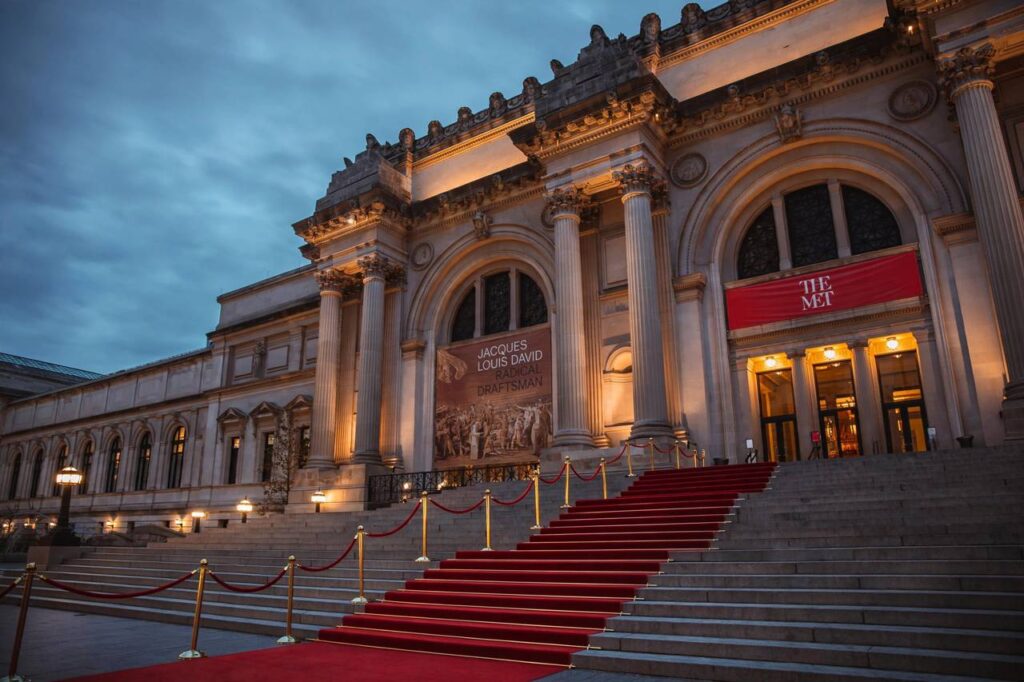
Every first Monday in May, the steps of New York’s Metropolitan Museum of Art turn into the most photographed staircase on the planet. I have covered enough red carpets to know the difference between a premiere and a phenomenon, and the Met Gala is firmly the latter. So what is the Met Gala, really? Officially, it is the annual fundraising benefit for the museum’s Costume Institute — fashion’s biggest night out, built around the opening of the spring exhibition. Unofficially, it is the one event where fashion, celebrity, money, and cultural politics collide in a single evening, and the numbers involved are staggering.
The 2025 gala raised a record $31 million, the highest gross in the event’s history, according to reporting by The New York Times and Vanity Fair. Individual tickets have been reported at around $75,000, with full tables going for roughly $350,000. This is not a party you can buy your way into even at those prices — attendance is by invitation only, controlled by Vogue’s Anna Wintour, who has chaired or co-chaired the event since the mid-1990s. Money is necessary but not sufficient. This guide breaks down the money, the rules, and the 2026 edition.
What Is the Met Gala and Where Did It Come From?
The Met Gala — formally the Costume Institute Benefit — began in 1948 as a midnight dinner fundraiser organized by fashion publicist Eleanor Lambert. For decades it was a society event for New York’s fashion establishment. The transformation into a global media spectacle happened under Anna Wintour’s leadership: she moved it to the first Monday in May, tied it tightly to the Costume Institute’s spring exhibition, and turned the guest list into a curated mix of designers, celebrities, athletes, and cultural figures.
Each year the gala celebrates a theme tied to the exhibition. Past themes have included “Heavenly Bodies: Fashion and the Catholic Imagination,” “Camp: Notes on Fashion,” and 2025’s “Superfine: Tailoring Black Style.” The theme dictates the dress code, and interpreting it — brilliantly or disastrously — is half the public entertainment.
The 2026 Theme: “Costume Art” and the “Fashion Is Art” Dress Code
The 2026 Met Gala, held on May 4, 2026, celebrated the exhibition “Costume Art,” which opened to the public on May 10, 2026. The show marked the inauguration of the Costume Institute’s new permanent home, the nearly 12,000-square-foot Condé M. Nast Galleries near the museum’s Great Hall. Curator Andrew Bolton built the exhibition around the “centrality of the dressed body,” pairing historical and contemporary garments with paintings, sculptures, and artworks spanning roughly 5,000 years of the Met’s collection.
The dress code, “Fashion is Art,” invited guests to express their own relationship to fashion as an embodied art form — a deliberately open brief after years of more prescriptive themes. Vogue announced co-chairs Beyoncé, Nicole Kidman, Venus Williams, and Anna Wintour, with host committee members including Angela Bassett, Sabrina Carpenter, Doja Cat, and Sam Smith, per contemporary reporting. (Theme and chair details reported by Vogue, USA Today, and the Associated Press in late 2025 and early 2026.)
The Money: Tickets, Tables, and Where It Goes
Let us talk numbers, because the Met Gala’s economics are genuinely unusual. The event is a fundraiser for the Costume Institute, which — unlike most Met departments — has historically had to fund itself. That self-funding origin is why the gala exists at all.
Reported ticket prices in recent years have hovered around $75,000 per seat, with brands and fashion houses purchasing full tables at roughly $350,000. But here is the part people miss: most attendees do not pay. Designers buy tables and invite celebrities as their guests — the celebrity is the marketing, the designer’s creation is the advertisement, and the photos that circle the globe are the return on investment. When you see a pop star in an avant-garde gown, you are looking at a carefully negotiated business arrangement.
Where does the money go? To the Costume Institute’s operating budget: exhibitions, conservation, acquisitions, and staffing. The gala is, by a wide margin, the department’s financial engine. The 2025 edition’s $31 million record haul — reported by the Times and Vanity Fair — shows how thoroughly the modern spectacle funds the museum’s fashion mission.
The Guest List: How You Actually Get In
The guest list is the most mystifying part of the whole operation, so let me demystify it as far as anyone outside the room can. Final approval sits with Anna Wintour. Designers submit wish lists of celebrities they want to dress; Wintour’s team curates the final roster of roughly 400 to 450 guests. Being famous is not enough — cultural relevance, fashion credibility, and the current moment all factor in.
There are also unwritten rules that have leaked out over the years: guests are generally expected to be 18 or older (this has been reported as a policy since the mid-2010s), phones are banned inside (the no-social-media rule is famous precisely because it is broken every year), and seating is arranged with the precision of a diplomatic summit — exes are not seated together, rivals are kept apart, and conversation flow is engineered.
Why It Matters Beyond the Photos
It is easy to dismiss the gala as celebrity cosplay, but its cultural function is real. The themes set fashion conversations for the year. The exhibition itself — free with museum admission after opening night — is serious curatorial work; “Costume Art” drew on 5,000 years of art history to argue that fashion belongs at the center of art museums, not the margins. Designers launch careers on those steps. And the fundraising keeps one of the world’s great fashion collections alive.
For the fashion-obsessed, the companion reading is our roundup of the best Met Gala looks of all time — the outfits that defined their eras. And if red carpet spectacle is your thing generally, the best Oscars red carpet dresses list covers the other great annual fashion battleground.
The Most Talked-About Met Gala Moments
A few Met Gala moments have transcended fashion coverage to become full cultural events. Rihanna’s 2015 Guo Pei yellow cape — so enormous it launched a thousand omelet memes — remains the benchmark for committing to a theme. Lady Gaga’s 2019 four-outfit striptease on the steps turned her arrival into performance art. In 2021, Alexandria Ocasio-Cortez’s “Tax the Rich” gown proved the carpet could carry an explicit political message straight into the headlines.
The 2025 edition, themed “Superfine: Tailoring Black Style,” was widely praised as one of the strongest in years — both for the menswear-centered dress code and for raising the record $31 million. And the 2026 “Costume Art” gala continued the streak of conceptually ambitious themes, with the “Fashion is Art” dress code producing some of the most interpretive looks in recent memory. These moments matter because they are how the gala stays culturally central: every year needs at least one look the internet will never forget.
How to Watch and Follow Along
You cannot buy a ticket or watch the dinner — the gala itself is famously closed to cameras — but the red carpet is one of the most covered live events in fashion. Vogue’s livestream is the main event: hours of arrivals coverage with commentary, interviews, and instant analysis. Major outlets run live blogs ranking looks in real time, and social media does the rest — the best-dressed lists, the memes, and the discourse all unfold simultaneously.
The smart way to follow: watch the livestream for the arrivals, then read the next-day analysis for context on what the looks meant. Fashion critics connect each outfit to the theme, the designer’s intent, and the exhibition itself — the layer the live hot-takes miss. And the exhibition is the part anyone can experience: “Costume Art” ran at the Met from May 10, 2026, open to the public with regular museum admission. The carpet is a night; the exhibition is the point.
Met Gala vs. Other Fashion Events: What Makes It Different
People lump the Met Gala in with awards shows, but the mechanics are fundamentally different. Awards carpets celebrate a project — a film, an album — and the fashion is the sideshow. At the Met Gala, the fashion is the project: the theme is the brief, the exhibition is the context, and the looks are the deliverable. There are no awards, no winners, no speeches competing for attention. That purity of purpose is why fashion people treat it as the industry’s true championship.
The guest list differs too. Awards shows invite nominees; the gala invites cultural relevance — athletes, politicians, tech founders, and artists alongside the actors and musicians. And the money flows differently: awards shows sell advertising against broadcast ratings, while the gala is itself the fundraiser, with the millions going directly to the museum. Compare it to the Victoria’s Secret show (pure commerce), the CFDA Awards (industry honoring industry), or Fashion Week (trade event) — the gala sits alone at the intersection of museum, media, and money. That is why nothing else produces the same volume of discourse from a single evening.
Frequently Asked Questions
How much does a Met Gala ticket cost?
Individual tickets have been reported at approximately $75,000 in recent years, with tables going for around $350,000. However, most celebrity attendees are invited as guests of designers or brands who purchase the tables — individual purchase does not guarantee entry, since the guest list is curated by invitation.
Can anyone buy a ticket to the Met Gala?
No. Even at the reported prices, attendance is by invitation only, with final approval from Vogue’s Anna Wintour and her team. Wealth alone does not secure an invitation — cultural relevance and the event’s curated mix matter more.
Where does the Met Gala money go?
Proceeds fund the Metropolitan Museum of Art’s Costume Institute — its exhibitions, conservation work, acquisitions, and staff. The Costume Institute has historically been self-funding, which is why the gala exists as its financial engine.
What was the 2026 Met Gala theme?
The 2026 theme was “Costume Art,” tied to the Costume Institute’s spring exhibition of the same name, with the dress code “Fashion is Art.” The exhibition inaugurated the new Condé M. Nast Galleries and explored the dressed body across 5,000 years of art history.
Why are phones banned at the Met Gala?
The official line is that the ban lets guests relax and enjoy the evening without performing for social media. In practice, the exclusivity — and the leaked photos that inevitably escape — is part of the mystique. The ban is famously porous; candid shots surface every year.
Who decides the Met Gala guest list?
Anna Wintour, Vogue’s global editorial director, has final say, working with her team and the Costume Institute. Designers propose celebrities they want to dress, but the final roster of roughly 400-plus guests is curated centrally.
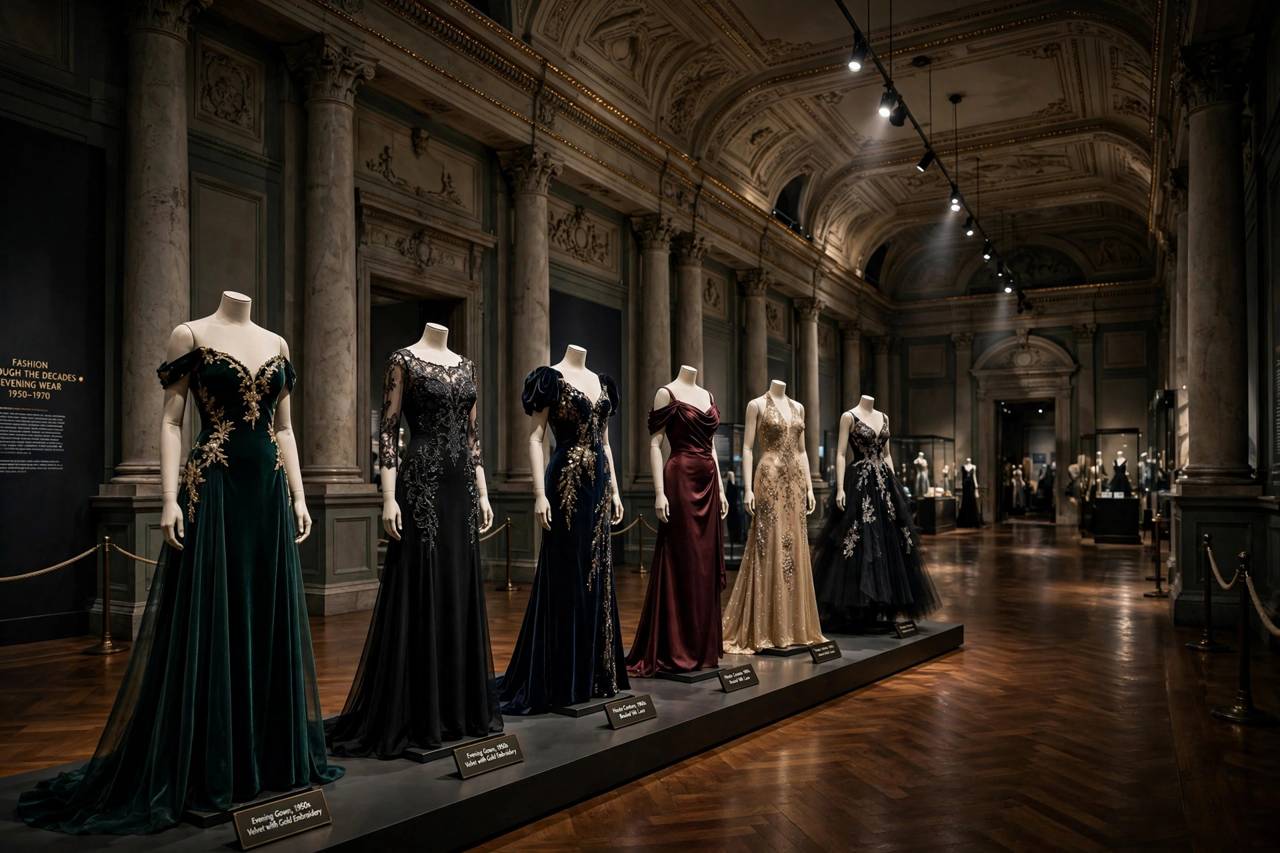
The Met Gala endures because it is several things at once: a serious museum fundraiser, a fashion industry trade show, and the world’s most glamorous group photo. Strip away the memes about the dress code and you find an event that has funded decades of fashion scholarship — while giving the internet its favorite Monday night of the year. Fashion’s biggest night, it turns out, is also one of its most consequential.