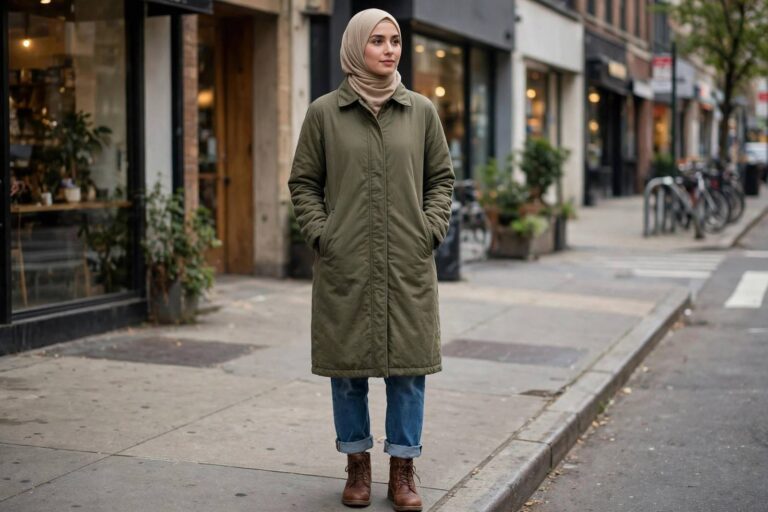
Best Winter Coats for Women: Buying Guide (2026)


Finding the best winter coats for women isn’t really about finding “the best coat” — it’s about finding the best coat for your winter. I’ve spent years helping women dress for real cold, and the mistake I see most often is buying for the winter you wish you had instead of the one you actually live in. A gorgeous wool coat is useless in a wet Seattle winter; a technical parka looks out of place over office tailoring in Chicago. This guide walks you through choosing by climate, decoding insulation and waterproofing, and picking the silhouette that actually suits your life.
Start With Your Winter, Not the Coat
Before looking at a single coat, answer three questions: How cold does it get? How wet is it? What do you actually do all day? A woman who walks to a downtown office needs something different from a woman who drives everywhere, who needs something different from a woman waiting on train platforms.
- Cold and dry (Minneapolis, Denver, Montreal): Prioritize insulation. Down or heavy wool, longer lengths, wind-blocking shells.
- Cold and wet (Seattle, London, New York slush season): Prioritize waterproofing. A water-resistant shell with sealed seams matters more than raw insulation.
- Mild but damp (the South, coastal California): You need a versatile mid-weight coat, not expedition gear. Overbuying warmth is the classic mistake here.
- Wildly variable (the Midwest, the Northeast): Layering-friendly cuts with room for a sweater underneath win.
Coat Types, Honestly Explained
The Wool Overcoat
The timeless one. A good wool coat — ideally a wool-cashmere blend — handles dry cold beautifully, looks appropriate everywhere from the office to dinner, and lasts for years. What to check: the wool percentage (higher is warmer and longer-lasting; 100% wool or wool-cashmere blends are the sweet spot), the lining (a proper lining adds warmth and helps the coat slide over clothes), and the length (mid-thigh is versatile; knee-length or longer is warmer and more formal).
The honest limitation: wool is not waterproof. In sustained rain it gets heavy and stays damp. If your winter is wet, wool is a second coat, not your only coat.
The Down Parka
For serious cold, nothing beats down. The key spec is fill power — 550 is decent, 700+ is excellent — which measures the loft and warmth per ounce. A longer parka (mid-thigh or knee) protects more of you than a hip-length puffer, and a two-way zipper makes sitting and walking easier.
What to watch: down loses its insulating power when wet, so look for a water-resistant shell or hydrophobic-treated down if you’ll see sleet. And fit matters more than people think — a parka so oversized you swim in it lets cold air circulate; you want room for layers, not a tent.
The Waterproof Shell Parka
This is the wet-winter champion: a waterproof-breathable membrane (the technology varies by brand) with sealed seams and a warm lining. It’s less elegant than wool and less toasty than premium down, but it’s the coat that keeps you dry standing in freezing rain — the scenario that defeats everything else.
The Puffer
The everyday workhorse. Lightweight, packable, and warm enough for most urban winters. Short puffers are the most casual; longer ones read more polished. The main decision is fill: down is warmer for the weight and compresses smaller, while synthetic insulation keeps working when damp and is easier to wash. For a daily-beater coat that lives in your car, synthetic is often the smarter pick.
The Classic Trench (Winterized)
A trench with a warm lining or worn over serious layers handles mild winters with unmatched style. It is not a cold-weather coat on its own — anyone telling you otherwise lives somewhere warm. But as part of a layered system in a 40-degree winter, it’s perfect.

What to Check Before You Buy: The Details That Matter
- Insulation type and amount. Down (fill power listed), synthetic (grams of insulation listed), or wool (fabric weight). Vague words like “winter warm” without numbers are a red flag.
- Water resistance vs. waterproof. “Water-resistant” means it sheds light rain; “waterproof” with sealed seams means it handles downpours. Know which you’re buying.
- Length. Longer coats are warmer — they protect your legs — but they’re less practical for driving and active days. Match length to lifestyle.
- Hood. A good hood is the difference between comfort and misery in wind. Check that it actually stays up and doesn’t block your peripheral vision.
- Pockets. Fleece-lined hand-warmer pockets are a small luxury that matters daily. Interior pockets keep your phone warm (cold kills batteries).
- Closure. Snaps are quick but let wind in; zippers seal better. Storm flaps over zippers add real wind protection.
- Fit over layers. Always try a winter coat wearing the thickest sweater you own. A coat that fits perfectly over a t-shirt will be miserable in January.
Silhouette and Style: Looking Good While Staying Warm
Warmth first, but let’s be honest — you also want to like how you look. A few principles from years of styling:
Define some shape. The easiest way to avoid looking swallowed by a winter coat is a belted or seamed waist, or simply choosing a coat that skims rather than balloons. An oversized puffer can look chic; an oversized everything looks like you’re wearing a sleeping bag.
Mind the proportions. A long coat over wide-leg trousers is elegant; a long coat over a short skirt needs boots with coverage to balance it. These aren’t rules, exactly — they’re the difference between “effortless” and “accidental.”
Color is a strategy. Black and navy are versatile but show every speck of lint; camel and gray are softer and photograph beautifully; a deep burgundy or forest green makes a winter wardrobe feel intentional. If you can only buy one coat, choose the color that matches most of what you already own.
Best Winter Coats for Women: Example Picks by Scenario
Rather than a ranked list that goes stale, here are the archetypes to shop for:
- The office commuter in a cold city: knee-length wool-blend overcoat, dark neutral, with room for a blazer underneath. Timeless, professional, warm enough for platform waits.
- The school-run parent: mid-length synthetic puffer with a great hood. Washable, durable, warm without fuss.
- The wet-winter walker: waterproof shell parka with sealed seams. Less glamorous, infinitely more practical.
- The deep-freeze dweller: long down parka, 700+ fill, knee length. This is survival equipment that happens to come in nice colors.
- The mild-winter minimalist: one beautiful wool-blend coat in a versatile color, mid-thigh length. Worn over layers, it covers 90 percent of your winter.
Care: Making a Good Coat Last
A quality winter coat is an investment — treat it like one. Wool coats should be brushed after wearing and aired, not washed; take them to a good dry cleaner once or twice a season. Down coats can usually be machine washed on gentle with a down-specific detergent, then tumble-dried on low with dryer balls to restore loft — this is the step people skip, and it’s why their puffer goes flat. Store coats on sturdy, wide hangers (never wire) in a breathable garment bag over summer, with cedar to deter moths from wool.
Shopping Smart: When to Buy and Where Your Money Goes
Timing matters more than most people realize. The best prices on winter coats appear in late January through March, when retailers clear inventory — buying next year’s coat at 40 to 60 percent off is the oldest trick in the book, and it works. The tradeoff is limited sizes and colors. If you need a specific size in a popular style, October and November have full stock at full price; decide whether the selection is worth the premium.
Where your money goes inside the coat: insulation quality and shell fabric drive both warmth and price. A mid-range coat with real down or quality synthetic fill and a decent shell will outperform a fashion-label coat at twice the price that skimps on both. Check the spec labels, not the brand name. And try the sit test in the fitting room — sit down, cross your arms, reach forward, mimic climbing into a car. If the coat binds, rides up badly, or the zipper strains, you’ll hate it by December regardless of how it looks standing still. Comfort in motion is the real test.
One more practical note, learned the hard way: buy with returns in mind. Order two sizes if you’re between them, wear each around the house for an evening over your actual winter layers, and keep the one that disappears — the coat you forget you’re wearing is the right one.
Frequently Asked Questions
What is the warmest type of winter coat for women?
A long down parka with high fill power (700+) is the warmest widely available option. Length matters as much as fill — a knee-length parka protects far more of your body than a hip-length one in the same insulation.
How should a winter coat fit?
It should close comfortably over your thickest sweater without pulling, with enough room to move your arms freely. The shoulders should sit at your natural shoulder line, and sleeves should reach your wrists. When in doubt between sizes, size up — a slightly roomy coat with layers beats a perfect-fit coat you can’t layer under.
Are expensive winter coats worth it?
Often, yes — up to a point. The jump from a cheap coat to a mid-range one buys you real insulation specs, better waterproofing, and construction that lasts years. Beyond that you’re paying for brand and design details. The sweet spot is a well-made coat from a reputable maker, not necessarily the luxury label.
Down vs. synthetic insulation: which is better?
Down is warmer for its weight and packs smaller, making it ideal for very cold, dry conditions. Synthetic insulation keeps insulating when wet, is easier to wash, and is usually cheaper — better for wet climates and hard daily use. Neither is universally superior; match the insulation to your winter.
How many winter coats does a woman need?
One excellent coat matched to your climate covers most people. Two — a dressier wool coat and a practical weatherproof one — covers nearly everyone. Beyond that you’re collecting, which is fine, but not necessary.