How to Dispute a Traffic Ticket in Court: A Step-by-Step Guide

Getting a traffic ticket is annoying. Paying one you don’t deserve is worse. If you believe the ticket was issued in error, you have the right to challenge it, and the process is more accessible than most people think. This guide explains how to dispute a traffic ticket in court in plain English, step by step, without tying you to one specific jurisdiction’s forms and deadlines.
Two important notes before we start. First, I am not your lawyer, and this is general information, not legal advice. If the stakes are high, a lost license, a commercial driving record, or a serious charge, talk to a traffic attorney. Second, procedures vary by location, so always check your local court’s website for exact deadlines and forms. The strategy below works broadly; the paperwork is local.
Step 1: Read the Ticket Carefully and Note the Deadline
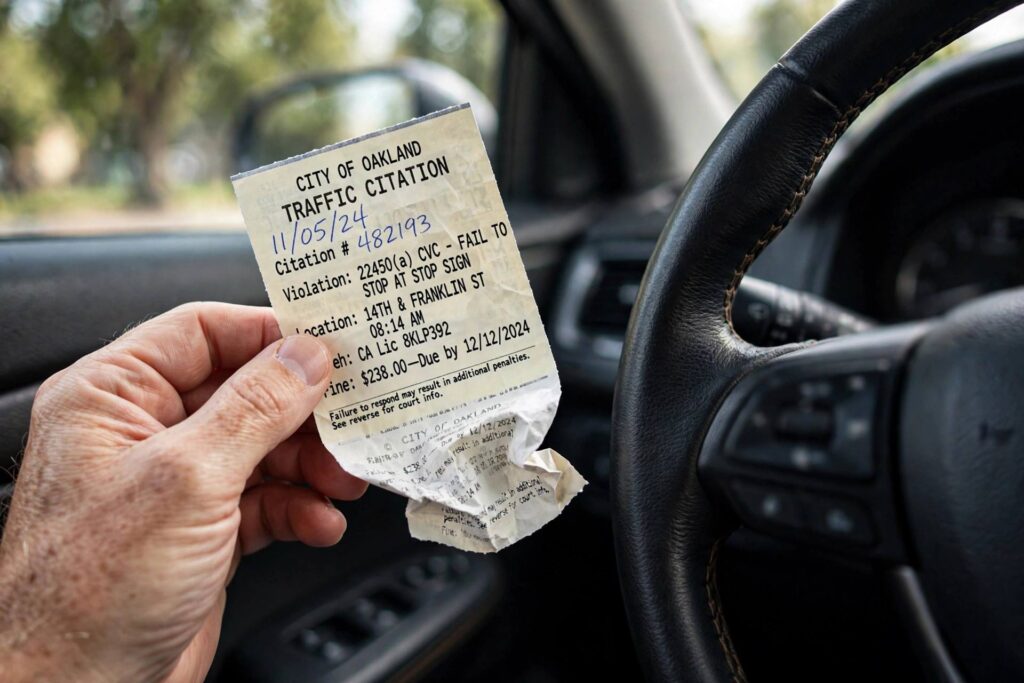
Your ticket contains everything the case is built on: the alleged violation, the location, the time, the officer’s notes, and your response deadline. Read it twice. Errors on the ticket, a wrong location, a wrong vehicle description, a wrong statute number, can matter, though small clerical errors alone rarely get a ticket dismissed.
The deadline is the most important thing on the ticket. Missing it usually means an automatic guilty finding or additional penalties. Mark it on your calendar the day you get the ticket, and aim to act at least a week early. Courts are unsympathetic to “I forgot.”
How to Dispute a Traffic Ticket in Court: Entering Your Plea
Disputing a ticket starts with formally telling the court you plead not guilty. This is usually done by mail, online, or in person at the clerk’s office, depending on your jurisdiction. Pleading not guilty does not mean you are claiming you are a perfect driver. It means you are requiring the prosecution to prove the charge.
Do not plead guilty “just to get it over with” if you intend to dispute the ticket. In most systems, a guilty plea ends the matter and waives your right to a hearing. There is sometimes a middle option, like a no-contest plea or a mitigation hearing where you explain circumstances without contesting guilt, but know exactly what each option means in your jurisdiction before choosing.
Step 3: Request Disclosure (Get the Evidence)
Disclosure, called discovery in some places, is your right to see the evidence against you before the hearing. This typically includes the officer’s notes, any calibration records for speed-measuring devices, dashcam or bodycam footage if it exists, and witness statements.
Request it in writing as early as possible, following your court’s procedure. Then actually review it. Officer’s notes often reveal the weaknesses in a case: an estimated speed rather than a radar reading, an obstructed view, or details that don’t match your recollection. Calibration records matter enormously for radar and laser tickets; a device that wasn’t calibrated on schedule undermines the reading.

Step 4: Build Your Case
Your defense needs to be specific, not emotional. “I wasn’t speeding” is a conclusion. “The officer’s notes say the radar reading was taken at 400 meters on a curved road with three other vehicles in range, and the calibration certificate expired two months before the stop” is a case.
Gather your own evidence methodically. Photographs of the location showing obscured signs, confusing lane markings, or sight-line problems are powerful. A diagram of where your vehicle was relative to others helps the judge follow your account. If you have a dashcam, preserve the footage immediately; it is often the single most persuasive evidence in a traffic hearing.
Write out your timeline of events while it is fresh. Memory fades fast, and a written account made close to the event carries more weight than a confident recollection months later. Include times, positions, weather, traffic conditions, and exactly what the officer said and did.
Step 5: The Hearing Itself
Traffic hearings are less formal than criminal trials, but they are still court. Dress respectfully, arrive early, address the judge as “Your Honor,” and turn your phone off. First impressions genuinely matter when a judge is weighing credibility.
The prosecution presents first, usually through the officer’s testimony. Listen carefully and take notes; you will typically have the right to cross-examine. Good cross-examination is short and factual: “Officer, your notes say the reading was estimated, correct?” Bad cross-examination is argumentative or rambling. Ask questions you know the answers to, based on the disclosure you reviewed.
When it is your turn, present your evidence calmly and in order. Refer to your photographs and documents by number. Stick to facts and timelines. Judges hear excuses all day; what persuades them is specific, documented evidence that creates reasonable doubt about the charge.
Common Mistakes That Lose Cases
The most common losing mistake is arguing the wrong thing. “Everyone else was speeding too” is not a defense. “The speed limit is unfair” is not a defense. The only question is whether the prosecution proved you committed the specific violation charged. Stay on that question.
Other frequent errors: missing the plea deadline, failing to request disclosure and then being surprised by the evidence, being rude or casual in court, and testifying in a rambling narrative instead of answering questions directly. Also, do not bring up unrelated grievances about the officer. Judges decide the charge, not your opinion of the stop.

What to Bring to Your Hearing: A Checklist
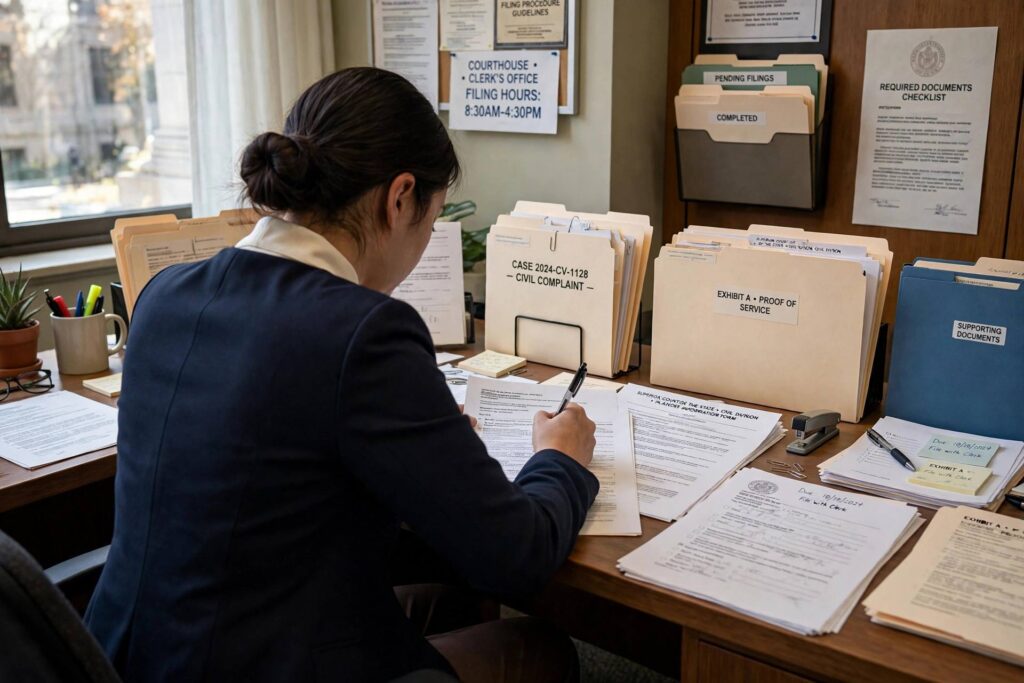
Preparation is physical as well as mental. Bring three copies of everything: one for the judge, one for the prosecution, one for yourself. Your packet should include your written timeline of events, photographs of the location with dates, any diagrams, the disclosure materials you received with key passages highlighted, calibration records if relevant, and any video evidence on a playable device with a backup copy.
Bring the ticket itself, your driver’s license, vehicle registration, and proof of insurance. Dress as you would for a job interview. Arrive at least thirty minutes early to find parking, clear security, and locate your courtroom. Rushing in late, flustered and disorganized, undermines the careful case you built.
After the Hearing: Possible Outcomes
If the ticket is dismissed, confirm whether that’s with or without costs, and get the outcome in writing. If you’re found not guilty, the matter ends; ask the clerk about clearing any related records. If you’re found guilty, ask about your options: many jurisdictions allow appeals of traffic decisions within a short window, or payment plans for fines.
Sometimes the outcome is a reduced charge or fine through negotiation, which can be a genuine win if it means fewer points or lower insurance impact. Know before the hearing what outcome you’d accept, so you can recognize a good deal if one is offered. A reduced non-moving violation instead of a speeding ticket, for example, is often worth taking.
Camera-Issued Tickets: A Special Case
Red-light and speed camera tickets follow different rules in many jurisdictions, and they’re often easier to challenge on procedural grounds. Common defenses include: the camera’s calibration and maintenance records, the clarity of the signage warning of enforcement, whether the photographed driver can be identified (in jurisdictions where the driver, not the owner, is liable), and whether proper notice was served within required timeframes.
Request the camera’s maintenance and calibration logs through the same disclosure process. Cameras are machines, and machines have error rates and maintenance schedules. A camera that missed its certification window produces readings a court shouldn’t rely on. Also check whether your jurisdiction treats camera tickets as civil rather than criminal matters, which changes the procedures and sometimes the consequences.
Frequently Asked Questions
Is it worth disputing a minor traffic ticket?
Often yes, because the fine is only part of the cost. Points on your license and insurance increases can dwarf the ticket itself. If you have a plausible defense, the time investment of a hearing frequently pays for itself.
What happens if the officer doesn’t show up?
In many jurisdictions, if the officer who issued the ticket fails to appear and there is no other evidence, the case may be dismissed. This is not guaranteed, and you should never count on it as your strategy, but it does happen.
Can I dispute a ticket by mail without going to court?
Some jurisdictions allow trial by written declaration, where you submit your defense in writing. This is convenient but gives up the advantages of live testimony and cross-examination. Check whether your court offers it and weigh the trade-off.
Will disputing a ticket increase the fine if I lose?
Generally no, though court costs or fees may apply in some jurisdictions. The fine for the violation itself is typically the same whether you pay immediately or contest and lose. Check your local rules to be sure.
Should I hire a lawyer for a traffic ticket?
For routine tickets with modest stakes, most people handle it themselves using the steps above. Consider a lawyer when your license is at risk, you drive commercially, the charge is serious, or the local procedure is unusually complex.
Can I bring a witness to a traffic hearing?
Yes, passengers or bystanders who saw the events can testify. Brief them beforehand on sticking to what they personally observed, and bring a written summary of their account. A calm, specific witness helps; a rambling, emotional one hurts.
Do traffic tickets show up on employment background checks?
Routine traffic tickets generally don’t appear on standard employment background checks, which focus on criminal records. However, serious traffic offenses (DUI, reckless driving) can appear, and jobs involving driving will check your motor vehicle record directly. When in doubt, keeping your record clean is the safest career move.
What should I wear to traffic court?
Business casual at minimum: collared shirt, slacks or a neat dress, closed-toe shoes. You don’t need a suit, but looking respectful signals to the judge that you take the proceeding seriously. Avoid shorts, flip-flops, hats, and anything with slogans or graphics.
The Bottom Line
Disputing a traffic ticket is a structured process: plead not guilty on time, get the disclosure, build a specific evidence-based case, and present it calmly. Most people who lose traffic hearings lose on preparation, not on the facts. Prepare properly and you give yourself the best possible chance.