How to Keep Cut Apples From Browning: Honest Taste Tests

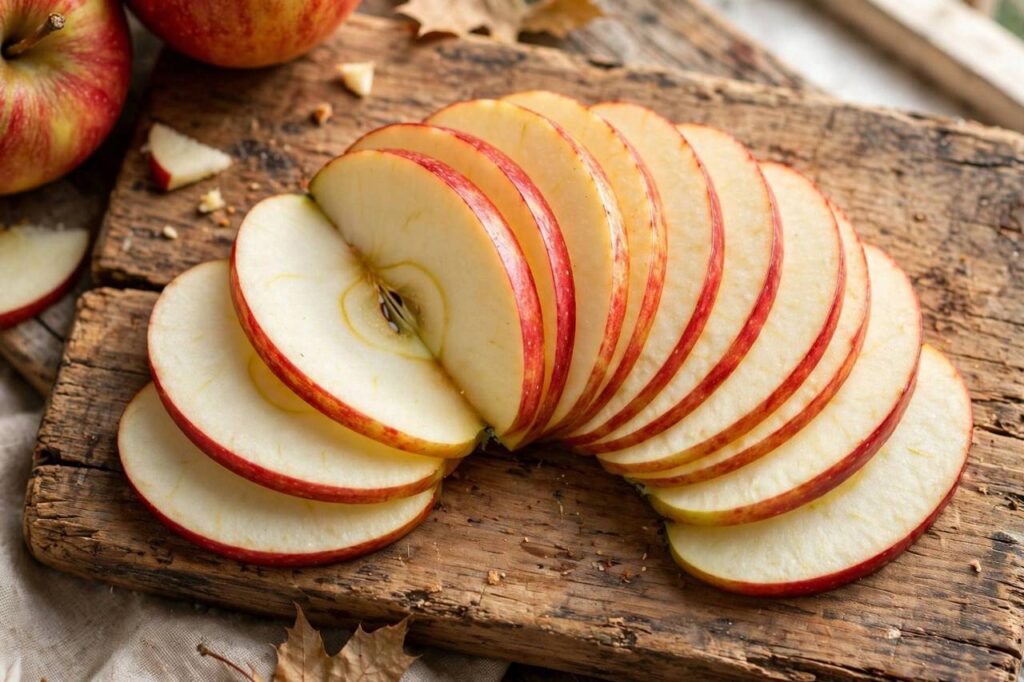
Figuring out how to keep cut apples from browning is a lunchbox-parent rite of passage — and most advice stops at “squeeze lemon on them” without mentioning that your kid will then refuse to eat lemon-soaked apples. I tested the popular methods side by side on identical apple slices, checking them hourly for six hours, and — crucially — tasting each one. Because a method that prevents browning but ruins the flavor is not a solution; it is a trade you should know you are making.
Quick science first: apple flesh browns because of enzymatic oxidation. Cut the apple, expose the flesh to air, and an enzyme called polyphenol oxidase starts converting compounds in the fruit into brown pigments. Every anti-browning method works by interfering with this reaction — blocking air, lowering pH (acid), or inhibiting the enzyme. Knowing this helps you judge new tricks: if a method does not address air, acid, or the enzyme, it probably does not work.
How to Keep Cut Apples From Browning: The Methods Tested
I sliced one large Honeycrisp into uniform wedges and treated each batch differently, then left them on a plate at room temperature, photographing and tasting at 1, 3, and 6 hours. Here are the contenders: lemon juice (tossed in a teaspoon of juice), salt water (½ teaspoon salt per cup of cold water, 5-minute soak, rinsed), honey water (1 tablespoon honey per cup of water, 5-minute soak), plain cold water (submerged), airtight container (slices pressed together, lid sealed), and control (naked on the plate).
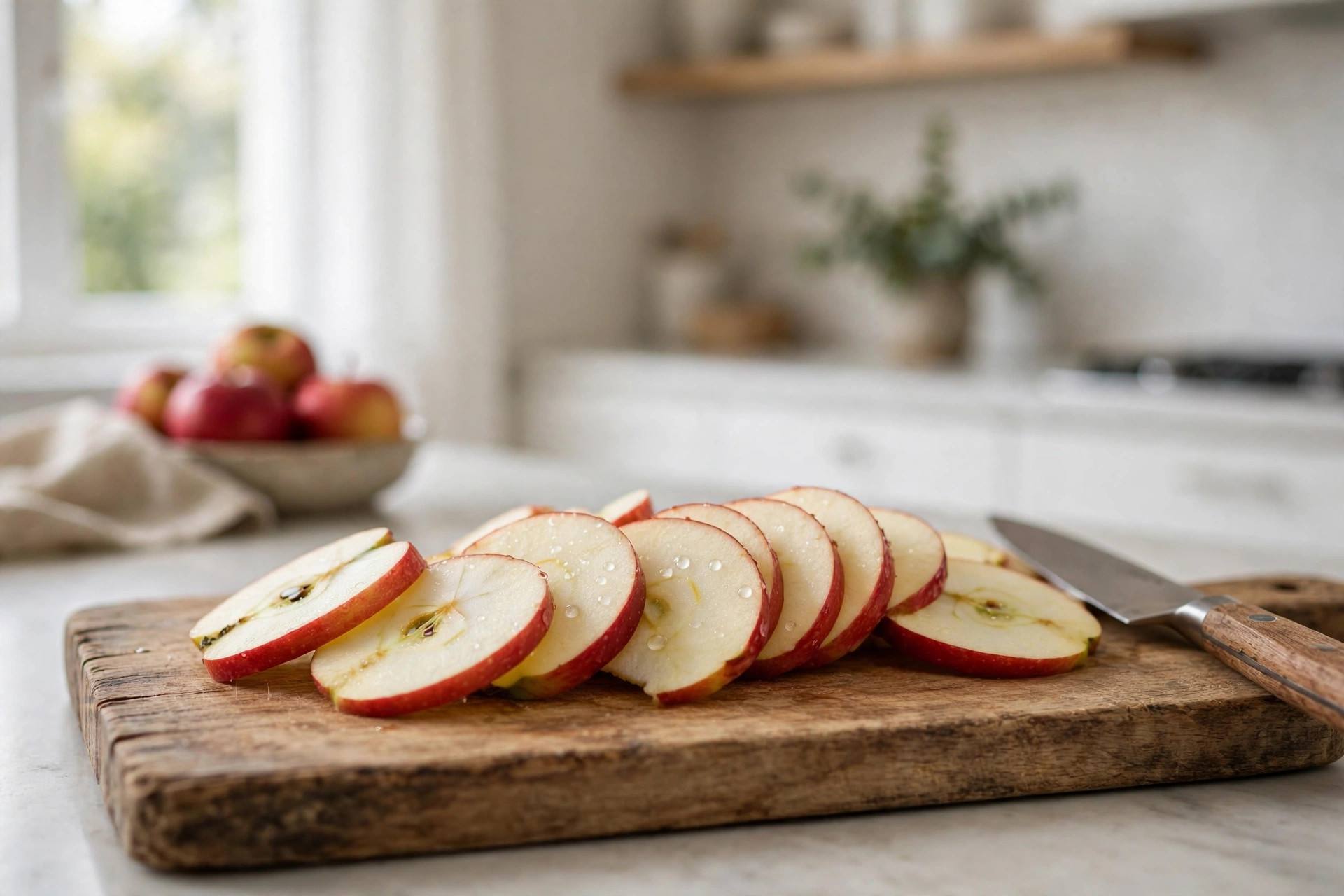
The Results: Browning vs. Taste, Hour by Hour
| Method | 1 hour | 3 hours | 6 hours | Taste impact |
|---|---|---|---|---|
| Lemon juice | No browning | Barely any | Slight edges | Noticeable tartness — kids may object |
| Salt water | No browning | Minimal | Light browning | None after rinsing — the surprise winner |
| Honey water | No browning | Minimal | Light browning | Faint sweetness, pleasant |
| Plain water | Slight | Moderate | Significant | Slightly waterlogged texture |
| Airtight container | Minimal | Light | Moderate | No taste change at all |
| Control | Browning | Quite brown | Unappetizing | Fine, just ugly |
The headline result: salt water is the best all-rounder. A brief soak in lightly salted water, followed by a quick rinse, kept slices nearly pristine for hours with zero detectable saltiness. The chemistry makes sense — salt inhibits the browning enzyme — and the rinse removes any trace of flavor. Lemon juice prevents browning slightly better at the 6-hour mark but announces itself in every bite. Honey water is the tastiest option and nearly as effective, making it my pick when flavor enhancement is welcome (fruit salads, cheese boards).
The Practical Guide: Which Method for Which Situation
Lunchboxes: salt-water soak, rinse, pack in a container. Six hours later they still look fresh, and there is no sour surprise. This is the method I wish someone had told me years ago. Party platters and fruit salads: honey water — the faint sweetness complements the presentation, and the slices hold for the duration of any gathering. Immediate snacking (under an hour): do not bother treating them at all; slight browning within the hour is cosmetic and the taste is unaffected. Photography or special occasions: lemon juice for maximum hold, accepting the tartness — or a 50/50 lemon-water dip, which splits the difference.
Apple variety matters too. In my experience, Granny Smith and other tart, firm varieties brown noticeably slower than sweet, soft ones like Red Delicious. If browning is a recurring battle in your house, switching varieties is a legitimate strategy — a slow-browning apple needs less intervention in the first place.
Methods That Do Not Work (or Are Not Worth It)
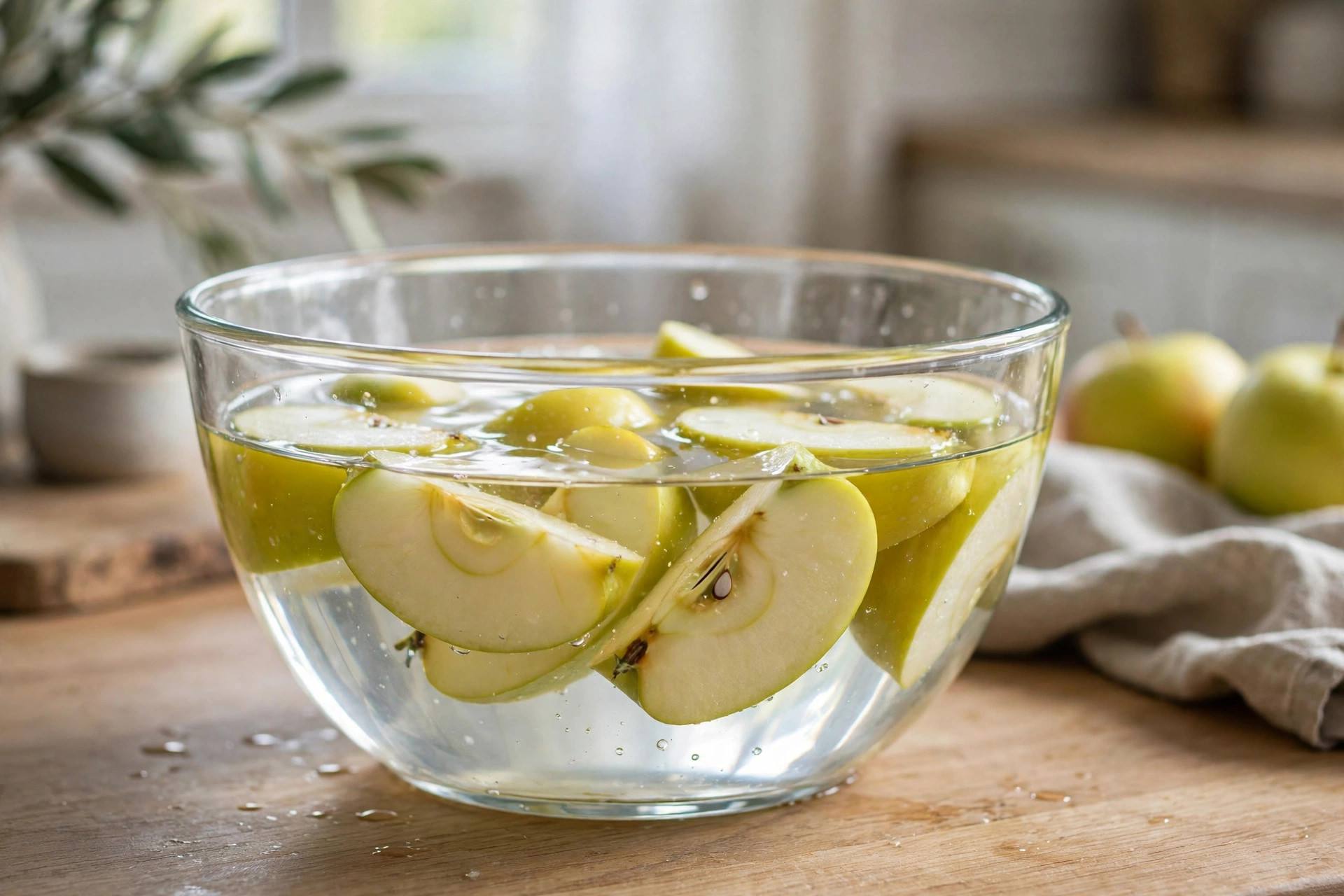
Plain water submersion helps briefly but the slices absorb water and turn mealy — worse than mild browning, in my opinion. Rubber bands around the cut apple (reassembling the slices) work okay by limiting air exposure, but it is fiddly and the cut faces still brown where air seeps in. Vitamin C tablets dissolved in water work chemically (ascorbic acid is the active ingredient in many commercial anti-browning products) but are overkill for home use when salt water does the job. Soda or citrus soda soaks prevent browning but leave the apples tasting like soda — a gimmick, not a method.
And the most important non-method: cut apples right before serving whenever possible. No treatment beats freshness. All of these methods are for the situations where advance prep is unavoidable — packed lunches, party prep, meal prep — not for apples you are about to eat immediately.
The Science in Plain Terms: Why Each Method Works
Understanding the mechanism helps you improvise. Enzymatic browning needs three things: the enzyme (polyphenol oxidase), oxygen, and the right pH. Remove or disrupt any one and browning slows. Acids (lemon juice, citric acid, vinegar) lower the pH below the enzyme’s comfort zone — effective but flavorful. Salt interferes with the enzyme directly at low concentrations — effective and, after rinsing, tasteless. Sugar (honey water) works partly by osmosis and partly by coating — gentle and tasty. Blocking air (airtight containers, water submersion, plastic wrap pressed on the surface) removes the oxygen leg — clean-tasting but imperfect, since some oxygen always remains.
This framework also explains the commercial products: those “fruit fresh” powders are mostly ascorbic acid (vitamin C) with sugar — acid plus coating in one packet. They work fine, but now you know you are paying for packaging around chemistry you can replicate with a salt shaker. It also tells you why some internet tricks fail: anything that does not address pH, the enzyme, or oxygen exposure is wishful thinking, no matter how viral the video.
Meal-Prep Apples: The Full Week Strategy
If you prep apple slices for the whole week — school lunches, work snacks — here is the system. Sunday evening: slice 4–5 apples, soak 5 minutes in salt water, rinse thoroughly, and spin or pat completely dry (surface moisture is the enemy of storage life). Pack in airtight containers with a paper towel to absorb condensation, refrigerate immediately. They will hold well for 3–4 days; beyond that, texture declines even without browning.
Two refinements make a real difference. First, cut thicker slices for meal prep — thin slices have more surface area relative to volume and deteriorate faster. Second, keep the slices pressed together in the container to minimize air exposure between them. And if you are prepping for kids, involve them in the taste test: let them try the salt-water, honey-water, and plain versions and pick their favorite. A child who chose the method will eat the apples; a child who was subjected to it will trade them away by Tuesday.
Store-Bought Pre-Cut Apples: How Do They Do It?
Ever wonder why bagged apple slices from the store stay white for weeks? They are typically treated with a calcium ascorbate solution (a stabilized form of vitamin C) and sealed in modified-atmosphere packaging with reduced oxygen. It is food-safe and effective — but it is also why they sometimes taste faintly processed and cost three times the whole fruit. Now that you know the salt-water method, you can replicate most of the result at home for pennies, with better flavor and no packaging waste.
The same principle applies to restaurant fruit platters and salad bars: commercial kitchens use ascorbic acid dips as standard practice. There is nothing wrong with it, but home cooks do not need specialty products — your pantry already contains everything required.
Browning in Cooking: When It Does Not Matter
Here is the liberating footnote: browning only matters for raw presentation. The moment apples hit heat — pies, crisps, sauces, chutneys — enzymatic browning becomes irrelevant, because cooking deactivates the enzyme and the Maillard reaction takes over with its own (delicious) browning. Never waste anti-browning effort on apples destined for the oven.
Similarly, in smoothies and oatmeal, browned apple blends invisibly — the color disappears into the mix and the flavor is identical. Save your salt-water soaks for the lunchbox and the cheese board, the two places where appearance actually counts. Everywhere else, let the apples brown in peace.
One last practical note: if you are serving sliced apples to guests and forgot to treat them, a quick arrangement trick helps — fan the slices tightly on the platter so minimal surface faces the air, and tuck a few lemon wedges alongside as garnish. Guests will squeeze them over the apples themselves, solving the browning and adding interactive charm. Sometimes the best method is letting people do it themselves.
And remember the golden rule underneath all of this: browning is cosmetic, never a safety issue. No one has ever been harmed by a brown apple slice — only by the perfectly white, flavorless ones they settled for instead.
FAQ
Does lemon juice keep apples from browning?
Yes — very effectively. The acid inhibits the browning enzyme. The tradeoff is taste: expect noticeable tartness, which is why salt water is often the better everyday choice.
How does salt water prevent apple browning?
Salt inhibits polyphenol oxidase, the enzyme responsible for browning. A 5-minute soak in lightly salted water (½ teaspoon per cup), followed by rinsing, prevents browning for hours with no salty taste.
Can you use honey to keep apples from browning?
Yes — a soak in honey water (about 1 tablespoon per cup) slows browning nearly as well as salt water and adds a pleasant faint sweetness. Great for fruit salads and platters.
How long do treated apple slices last?
Salt-water or honey-water treated slices stay presentable for 4–6 hours at room temperature and longer refrigerated. For all-day storage, treat and refrigerate in an airtight container.
Are brown apple slices safe to eat?
Completely. Browning is enzymatic oxidation — a cosmetic change, not spoilage. Brown slices taste the same; they just look less appealing.
Which apples brown the slowest?
Tart, firm varieties like Granny Smith brown slowest; sweet, soft varieties brown fastest. Variety choice is an underrated anti-browning strategy.
Conclusion
The honest answer to how to keep cut apples from browning: a quick salt-water soak and rinse for everyday use, honey water when you want a touch of sweetness, lemon juice when maximum hold matters more than taste. Match the method to the moment, cut close to serving when you can, and stop worrying about the mild browning — it has never hurt anyone.