How to Keep Bananas From Browning: 5 Methods Tested Side by Side

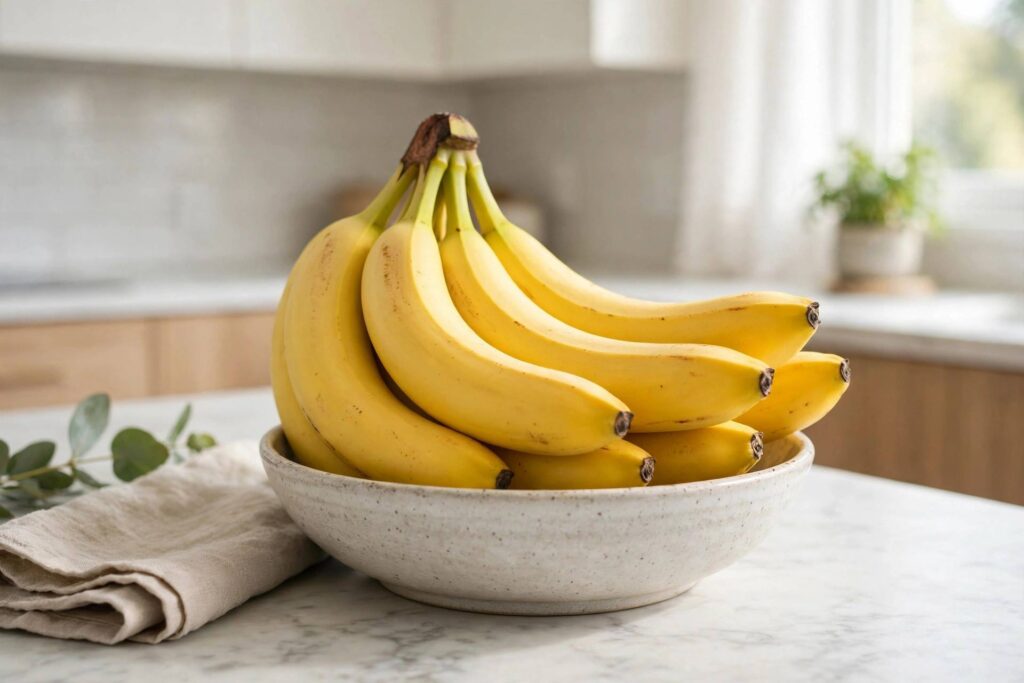
Learning how to keep bananas from browning feels like one of those small domestic mysteries everyone has an opinion about. Wrap the stems in foil! Put them in the fridge! Never separate them! I had heard every trick in the book, so I did what any curious person with too many bananas would do: I bought five identical bunches and tested the most popular methods side by side for a full week. Some of the folk wisdom held up. Some of it absolutely did not.
Before the results, a quick bit of science, because it makes everything else make sense. Bananas brown for two reasons: bruising and ethylene gas, the natural ripening hormone bananas produce in abundance. The stem is where most ethylene escapes, and cold slows the whole process down (even though it darkens the peel — more on that later). Every method below is really just a different way of managing ethylene and temperature.
The 5 Methods I Tested
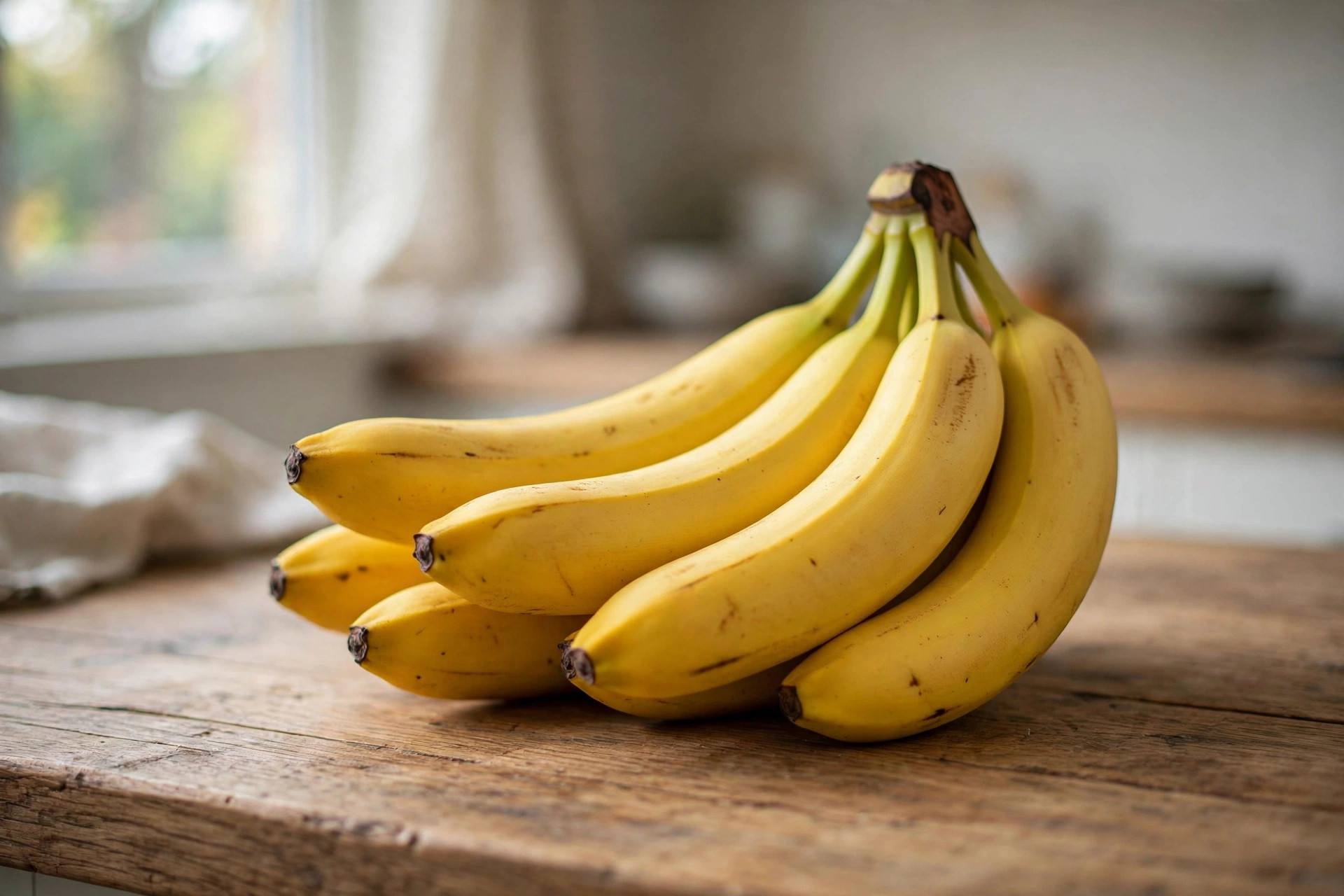
I started with five bunches at the same ripeness — yellow with the faintest green at the tips, bought the same morning from the same store. Each bunch went into a different condition, and I checked them daily, photographing and tasting at the end. Here is what each method involved:
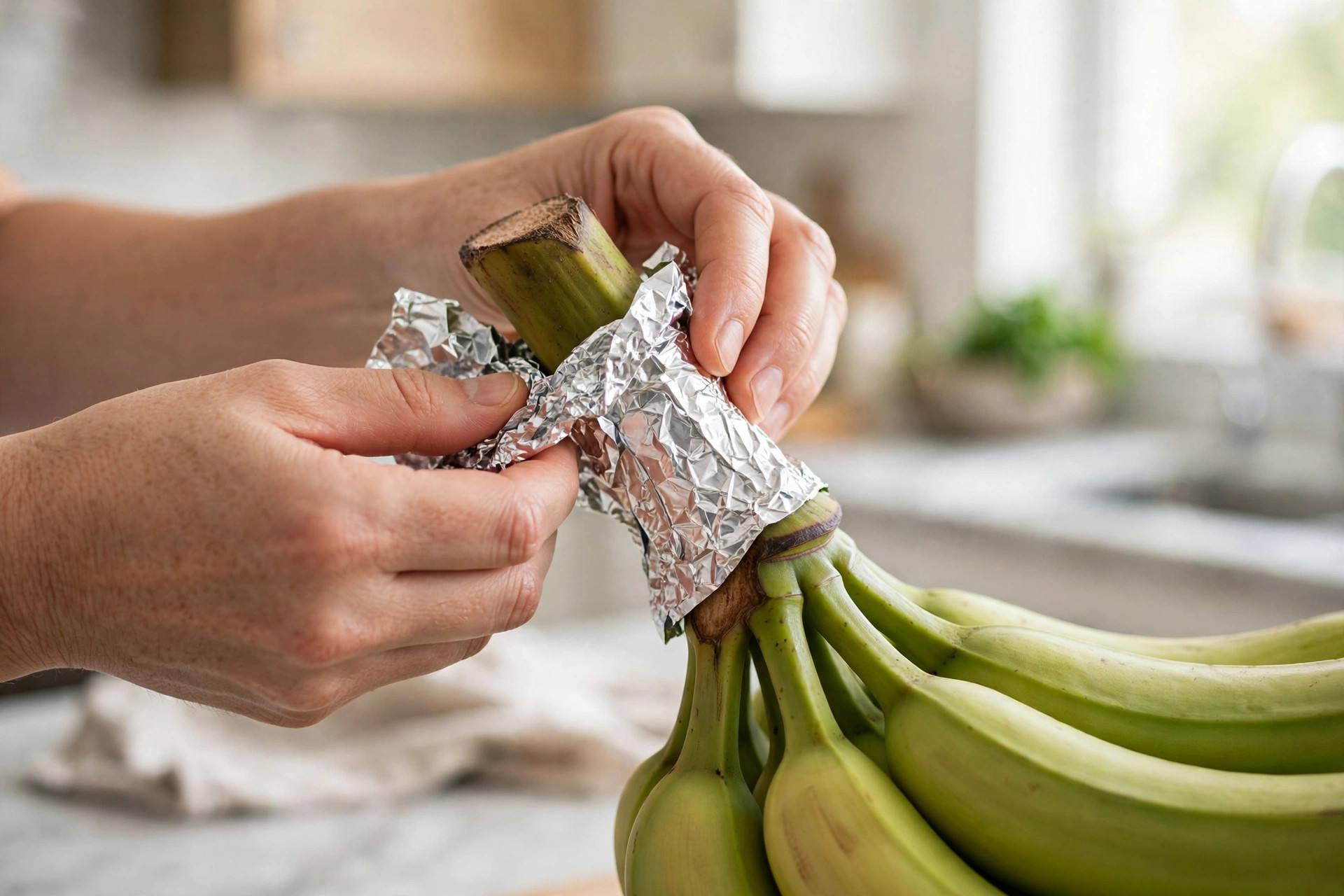
1. Foil stem wrap: Tightly wrapping the crown (the stem end) of the bunch in aluminum foil or plastic wrap, the internet’s favorite trick. The theory is that it traps ethylene at the stem. 2. Separation: Pulling the bunch apart into individual bananas, which supposedly stops them from ripening each other. 3. Fridge storage: Putting the whole bunch in the refrigerator once ripe. 4. Hanging: Suspending the bunch from a banana hook or under-cabinet hanger to prevent bruising. 5. Control: Sitting on the counter in a fruit bowl, doing nothing at all.
The Freshness Timeline: Day-by-Day Results
| Method | Day 2 | Day 4 | Day 6 | Day 7 verdict |
|---|---|---|---|---|
| Foil stem wrap | Perfect | Perfect, tiny spots | Light spotting | Best overall — firm and sweet |
| Fridge (once ripe) | Peel darkening | Peel quite dark | Peel nearly black | Fruit inside excellent; peel looks alarming |
| Hanging | Perfect | Light spots | Moderate spots | Good — fewer bruises than control |
| Separated | Fine | Spotting faster | Quite spotty | Worse than leaving the bunch intact |
| Control (fruit bowl) | Fine | Spots appearing | Very spotty, soft | Ready for banana bread by day 6 |
The foil wrap won, and it was not close. By day 6 the wrapped bunch looked like the control bunch had on day 3. The science checks out: the crown is the ethylene chimney, and sealing it genuinely slows ripening. Plastic wrap worked just as well as foil in a follow-up check — the key is a tight seal right against the stems.
How to Keep Bananas From Browning: What Actually Works
If you want the practical takeaway from a week of banana surveillance, here it is. Buy slightly underripe — yellow with green tips — so you have a head start. Wrap the crown tightly in foil or plastic wrap the moment you get home; this single step bought my test bunch two to three extra days. Hang the bunch if you can, because bruises become brown spots, and a hanger eliminates the pressure points of a fruit bowl.
Once they hit your perfect ripeness, move them to the fridge. Yes, the peel will turn dark — sometimes dramatically so — and yes, guests will think they are ruined. They are not. The cold dramatically slows the flesh’s ripening while the peel takes the cosmetic hit. A black-peeled fridge banana on day 7 tasted better than a pretty yellow counter banana on day 5. Trust the inside, not the outside.
Methods That Do Not Work (or Backfire)
Separating the bunch was the biggest disappointment. Every source that recommends it claims bananas ripen each other, and that is true — but pulling them apart exposes the stem of each individual banana, creating more ethylene escape points, not fewer. My separated bananas browned faster than the intact control. Do not do this unless you are about to eat them.
Lemon juice and other acids work on cut fruit, not whole bananas — the peel is already doing that job. Banana bags and “banana hats” (the little silicone caps sold online) are just commercial versions of the foil trick; they work fine but no better than wrap you already own. And storing bananas near apples, avocados, or tomatoes will ripen them faster, since those fruits are ethylene factories too. Keep your bananas away from the fruit bowl crowd if you want them to last.
What About Cut Bananas?
Once sliced, bananas are a different problem — the flesh oxidizes on contact with air. A squeeze of lemon or pineapple juice slows it, and an airtight container in the fridge buys you a day. But honestly, cut bananas are a losing battle; slice only what you will eat within a few hours. For lunchboxes, leaving the banana whole in its peel remains unbeaten.
Picking the Right Bananas at the Store
Every storage method works better when you start with the right fruit. Bananas are sold at various stages, and the color chart on the produce display is genuinely useful. Stage 3–4 (more green than yellow) will ripen at home over several days; stage 5–6 (full yellow) is ready to eat now; stage 7 (yellow with brown spots) is at peak sweetness for eating and perfect for baking.
My strategy: buy two bunches at different stages. One yellow bunch for this week, one green-tipped bunch for next week, and wrap both crowns the day you bring them home. The green bunch goes in the coolest spot in the kitchen — not the fridge yet, which would stall ripening unevenly, but away from the stove and sunny windows. Staggering ripeness this way means you are never stuck with five bananas going spotty on the same day, which is the real enemy. Most banana waste is not a storage failure; it is a buying failure.
Avoid bunches with bruised or split peels, since damaged spots brown fast no matter what you do, and skip any with a grayish cast, which suggests chilling injury from cold storage during shipping. And buy the size you will actually eat: a smaller bunch you finish is better than a bargain bunch that half-rots.
Storing Bananas in Hot Climates
Everything in this guide gets harder above 27°C (80°F), because heat accelerates ethylene production dramatically. In a hot kitchen, a yellow banana can go from perfect to overripe in 48 hours. If you live somewhere warm, adjust the playbook: buy greener, wrap the crown immediately, and move bananas to the fridge earlier — at the first sign of your preferred ripeness, not after.
Airflow helps more than people expect. A hanging bunch in moving air stays cooler than one sitting in a still fruit bowl, sometimes by several degrees. Keep bananas away from the stove, the dishwasher (which vents heat), and sunny counters. In genuinely tropical heat, some people ripen bananas in the fridge deliberately from green — the peel darkens badly but the flesh ripens slowly and evenly. It looks wrong and tastes right, which is the theme of this entire article.
The Flip Side: Ripening Bananas Faster
Sometimes you have the opposite problem — rock-hard green bananas and a craving that will not wait. The same ethylene science works in reverse. Put bananas in a closed paper bag (never plastic, which traps moisture and causes rot) with an apple or avocado, and the concentrated ethylene will ripen them noticeably faster, often within 24 to 48 hours.
Warmth helps too: the top of the fridge or near (not on) a warm appliance speeds things along. What does not work is the oven trick you may have seen online — baking unripe bananas darkens the peel and softens the flesh but does not develop the sugars, so you get a banana that looks ripe and tastes like starch. If you need ripe bananas for baking urgently, that trick is acceptable; if you want to eat them fresh, patience and a paper bag win.
Once they hit the ripeness you want, deploy everything from the storage section above: wrap the crown, hang the bunch, and refrigerate. Ripening fast and storing well are two halves of the same skill.
When Bananas Go Too Far: Do Not Waste Them
Even with perfect storage, you will occasionally lose a banana to the calendar. Heavily spotted bananas are at their sweetest — ideal for banana bread, muffins, pancakes, and smoothies, where the extra sugar is an asset. Peel and freeze them for later baking projects; frozen overripe bananas keep for months and mash straight from frozen. A banana is only truly done when it smells fermented or leaks liquid. Everything before that is an ingredient.
FAQ
Does wrapping banana stems in foil really work?
Yes — it was the clear winner in my week-long test, adding two to three days of freshness. The crown is where most ethylene gas escapes, and sealing it slows ripening. Plastic wrap works equally well.
Why do bananas turn black in the fridge?
Cold damages the peel’s cells, causing darkening, but it slows ripening of the fruit inside. A black-peeled fridge banana is usually perfectly good — even better than a yellow counter banana of the same age.
Should you separate bananas to keep them fresh?
No. In my test, separated bananas browned faster than the intact bunch, because each exposed stem releases ethylene. Keep the bunch together and wrap the crown instead.
How long do bananas last at room temperature?
Typically 3 to 5 days from yellow-ripe, depending on warmth. With the stem wrapped and the bunch hung, expect 6 to 8 days. Refrigeration after ripening extends the edible window further.
Can you freeze bananas?
Absolutely — peel them first, then freeze whole or sliced on a tray. Frozen bananas keep for months and blend into the creamiest smoothies. They will be mushy when thawed, so save them for baking and blending, not snacking.
Conclusion
After a week of testing, the answer to how to keep bananas from browning is refreshingly simple: buy them a touch underripe, wrap the crown tightly in foil or plastic wrap, hang the bunch, and refrigerate once they reach perfect ripeness. Skip the separating trick — it backfires. Your bananas will stay firm and sweet days longer, and the only casualty will be a peel that looks worse than the fruit tastes.