Fictional Characters With Walk of Fame Stars

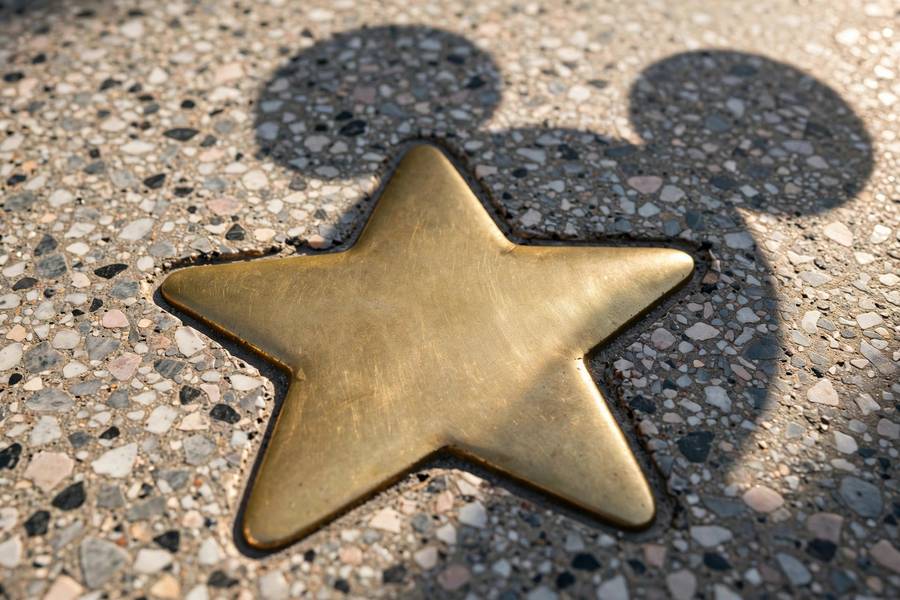
Of all the things I love about the Hollywood Walk of Fame, this might be my favorite: a cartoon mouse was here before most of the humans were. Mickey Mouse got his star in 1978, and in the decades since, more than a dozen fictional characters have joined him — cartoon icons, a Muppet or two, a kaiju, and one ogre. Somewhere along the way, the most serious honor in show business decided it was fine to give a brass star to a frog.
This isn’t a gimmick, though it looks like one. The fictional stars are some of the most beloved on the entire Walk, and they tell you something real about how entertainment works: characters outlive the people who create them. Mickey will be here long after all of us. Here’s the full rundown of the fictional honorees, what earned them the honor, and where to find them.
In this guide:
- Why Do Fictional Characters Get Stars at All?
- The Fictional Honorees, Character by Character
- How a Character Gets Nominated
- Finding Them on the Boulevard
In this article
Why Do Fictional Characters Get Stars at All?
The Walk of Fame honors contributions to entertainment, and it turns out some of the biggest contributions were made by drawings, puppets, and people in rubber suits. The Chamber’s reasoning is straightforward: if a character has shaped popular culture for decades, employed hundreds of artists, and generated billions in joy (and merchandise), that’s a contribution worth a star.
There’s also a practical angle nobody talks about much: fictional character stars are fantastic for tourism. A kid who couldn’t care less about a 1940s radio host will sprint down the block to stand on Shrek’s name. The characters are gateway stars — they pull families onto the boulevard, and the families stay for the history. Cynical? Maybe. Effective? Completely.
And honestly, I think there’s something philosophically lovely about it. Actors age. Studios collapse. But Bugs Bunny is still Bugs Bunny. The fictional stars are the Walk’s quiet admission that some performances are truly immortal — because they were never mortal to begin with.
The Fictional Honorees, Character by Character
Mickey Mouse (1978) — the first
Honored for his 50th anniversary, Mickey was the trailblazer — the first fictional character ever to receive a star. His star sits at around 6925 Hollywood Boulevard, in prime tourist territory. Nearly fifty years later, it’s still one of the most photographed stars on the Walk. The mouse built the house, and the house gave him a star.
Bugs Bunny (1985)
What’s up, doc? Warner Bros.’ wisecracking rabbit got his star in the mid-80s, cementing the great cartoon rivalry in terrazzo. Mickey and Bugs, Disney and Warner Bros., immortalized a few blocks apart. The Cold War of animation, settled on a sidewalk.
Woody Woodpecker
Walter Lantz’s manic woodpecker is one of the earlier cartoon honorees, a reminder of an era when theatrical shorts played before every feature and cartoon characters were genuine movie stars. Younger visitors walk past him blankly. Their grandparents stop and smile.
Snow White (1987)
Honored around the 50th anniversary of Disney’s first feature film, Snow White’s star recognizes not just a character but a milestone — the film that proved animation could carry a feature and changed the industry forever. The fairest star of them all, you might say.
Donald Duck (2004)
The temperamental duck got his star for his 70th anniversary, and I maintain he’s the most relatable honoree on the entire Walk. Who among us hasn’t had a Donald Duck day? His star is a favorite with the Disney-devoted crowd.
Kermit the Frog (2002)
The Muppets’ leading amphibian was honored with his star in the early 2000s, and it’s one of the sweetest spots on the boulevard. Kermit represents the Jim Henson legacy — proof that felt and sincerity could conquer Hollywood. It’s not easy being green, but it is easy being beloved.
Big Bird
The eight-foot-tall heart of Sesame Street has a star, and if that doesn’t make you feel something, I can’t help you. Big Bird’s honor recognizes decades of children’s television — arguably the most important educational programming in American history, delivered by a giant yellow bird.
Godzilla (2004)
King of the monsters, holder of a Walk of Fame star. Godzilla was honored in 2004 for the character’s 50th anniversary, and the star is exactly as glorious as it sounds. A 400-foot radioactive lizard, commemorated in brass on a Los Angeles sidewalk. Cinema is wonderful.
Winnie the Pooh (2006)
The silly old bear got his star in the mid-2000s, and it’s a magnet for families. Pooh’s honor is really an honor for A.A. Milne’s creation and Disney’s stewardship — a character who’s been teaching gentle wisdom for a century.
Shrek (2010)
The ogre who upended the fairy tale got his star in 2010, and it’s perfect that DreamWorks’ anti-princess is enshrined within walking distance of Disney royalty. Shrek’s star honors the film that won the first-ever Oscar for Best Animated Feature — a genuine industry milestone wearing an ogre’s face.
Tinker Bell (2010)
Tink got her star the same era as Shrek, and she’s one of the smallest honorees with one of the biggest cultural footprints — from 1950s television mascot to the literal embodiment of Disney magic. All it takes is faith, trust, and a Walk of Fame committee vote.
Snoopy (2015)
The world’s most famous beagle was honored in the mid-2010s, recognizing Charles Schulz’s creation and the Peanuts empire. Snoopy’s star is a quiet one compared to the Disney cluster, but the devotion of Peanuts fans is fierce.
Minnie Mouse (2018)
Minnie waited forty years after Mickey for her star — a delay that sparked its own little conversation about recognition — and finally got her due in 2018, with Katy Perry among the speakers at her ceremony. Better late than never, and the ceremony was a delight.
How a Character Gets Nominated
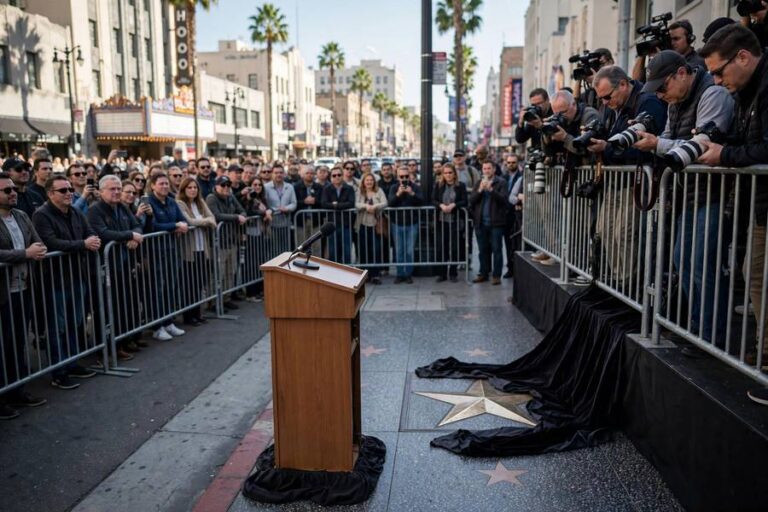
The process is the same as for humans: a nomination (usually submitted by the studio that owns the character), committee selection, and a sponsor paying the fee. Studios are, unsurprisingly, happy to foot the bill — a star ceremony for a beloved character is a marketing event dressed up as an honor, usually timed to an anniversary or a new release.
The criteria bend a little for fictional honorees. “Five years of achievement” is no obstacle when your candidate is pushing fifty. The charitable-work requirement gets interpreted loosely — though you could argue that decades of children’s entertainment is a public service. The committee has never seemed to struggle with the justification.
One fun wrinkle: the consent rule. Human nominees must agree in writing (the Springsteen Clause). Characters, being fictional, can’t object — which means the studio’s wishes are the only ones that count. No cartoon has ever turned down a star. Mickey said yes to everything.
Finding Them on the Boulevard
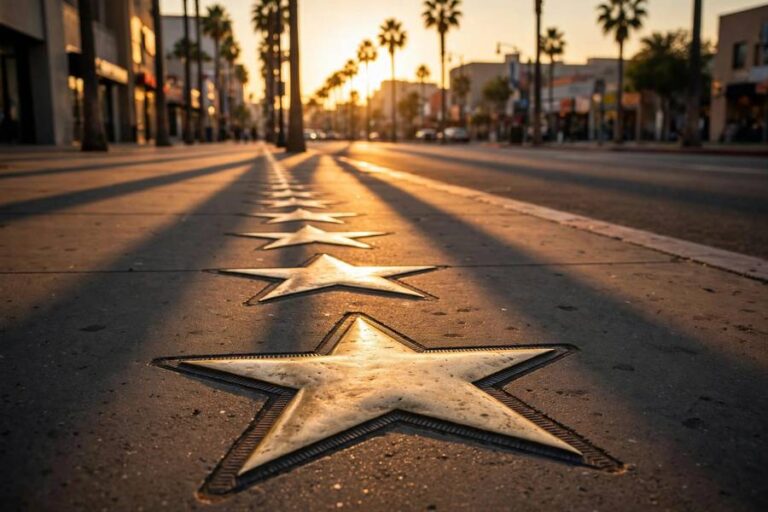
Most of the fictional stars cluster in the high-traffic zone around Hollywood and Highland and the TCL Chinese Theatre — the studios want them where the families are. Mickey, Minnie, Donald, and the gang are all within easy walking distance of each other, which makes for a great kid-friendly star hunt.
My suggestion: make the fictional stars your anchor stops and fill in the human legends between them. Kids stay engaged, adults get their history, and everybody wins. The full story of how the Walk works — selection, costs, ceremonies — is in my guide to what the Hollywood Walk of Fame is. And if your kids are more into capes than cartoons, what Comic-Con is covers the other great gathering place of fictional heroes. For the movie lines these characters made famous, the best movie quotes of all time is a worthy companion.
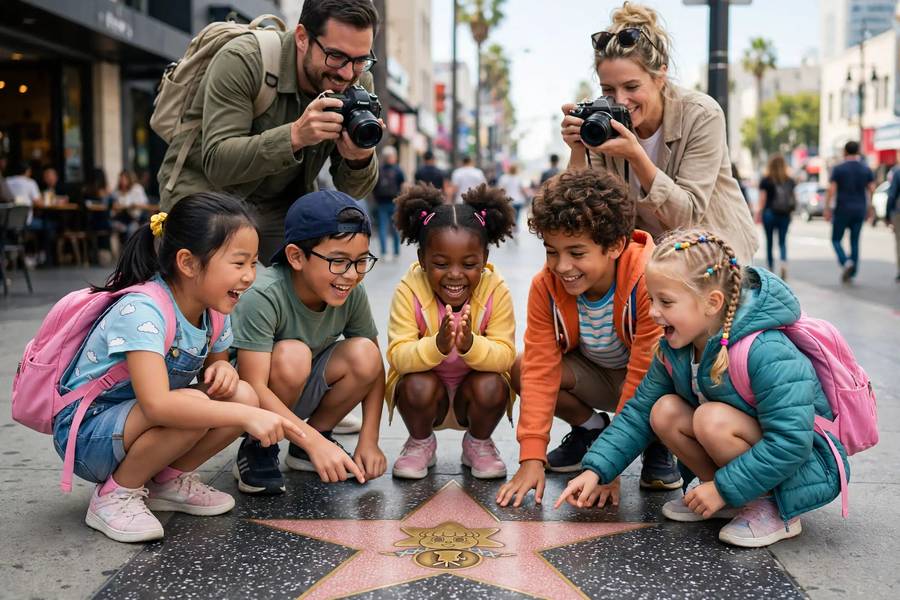
I’ll leave you with my favorite detail about the whole phenomenon: somewhere on Hollywood Boulevard, tourists pose for photos with a frog, a mouse, and a giant lizard, and nobody thinks it’s strange. That’s the Walk of Fame at its best — completely serious about something completely joyful.
Frequently Asked Questions
Mickey Mouse, in 1978, honored for his 50th anniversary. His star at around 6925 Hollywood Boulevard remains one of the most photographed on the Walk.
More than a dozen, including Mickey Mouse, Minnie Mouse, Donald Duck, Bugs Bunny, Snow White, Tinker Bell, Winnie the Pooh, Shrek, Kermit the Frog, Big Bird, Snoopy, Woody Woodpecker, and Godzilla.
Yes. Godzilla was honored in 2004 for the character’s 50th anniversary. It’s one of the most popular photo spots on the boulevard.
The same way humans do — a nomination (usually from the owning studio), selection by the Walk of Fame committee, and a sponsor paying the fee. Studios are typically happy to sponsor, since the ceremony doubles as a publicity event.
Most cluster in the high-traffic area around Hollywood & Highland and the TCL Chinese Theatre, where families and tourists concentrate. Use the official Walk of Fame star search for exact addresses.