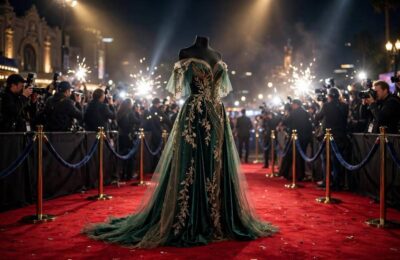
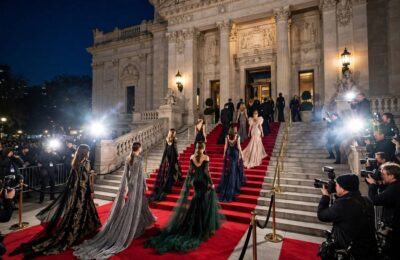
Hi, I’m Ava. I cover celebrity news and the entertainment business — and if there’s one topic where the glamorous surface hides a fascinating machine underneath, it’s this one. Every time you see a famous face holding a perfume bottle, wearing a particular watch, or grinning from a billboard, you’re not looking at a casual preference. You’re looking at a business deal, often worth millions, negotiated by teams of agents and lawyers.
These deals are usually brokered by professionals — see what a talent agent does.
Two things I promise before we start: I’ve checked my facts twice, and I won’t confuse a rumor with a fact. Where I give figures, they’re reported figures — attributed and ranged. Gossip is everywhere; accuracy isn’t. Let’s get into the real machinery.
What Is a Celebrity Endorsement? The Definition
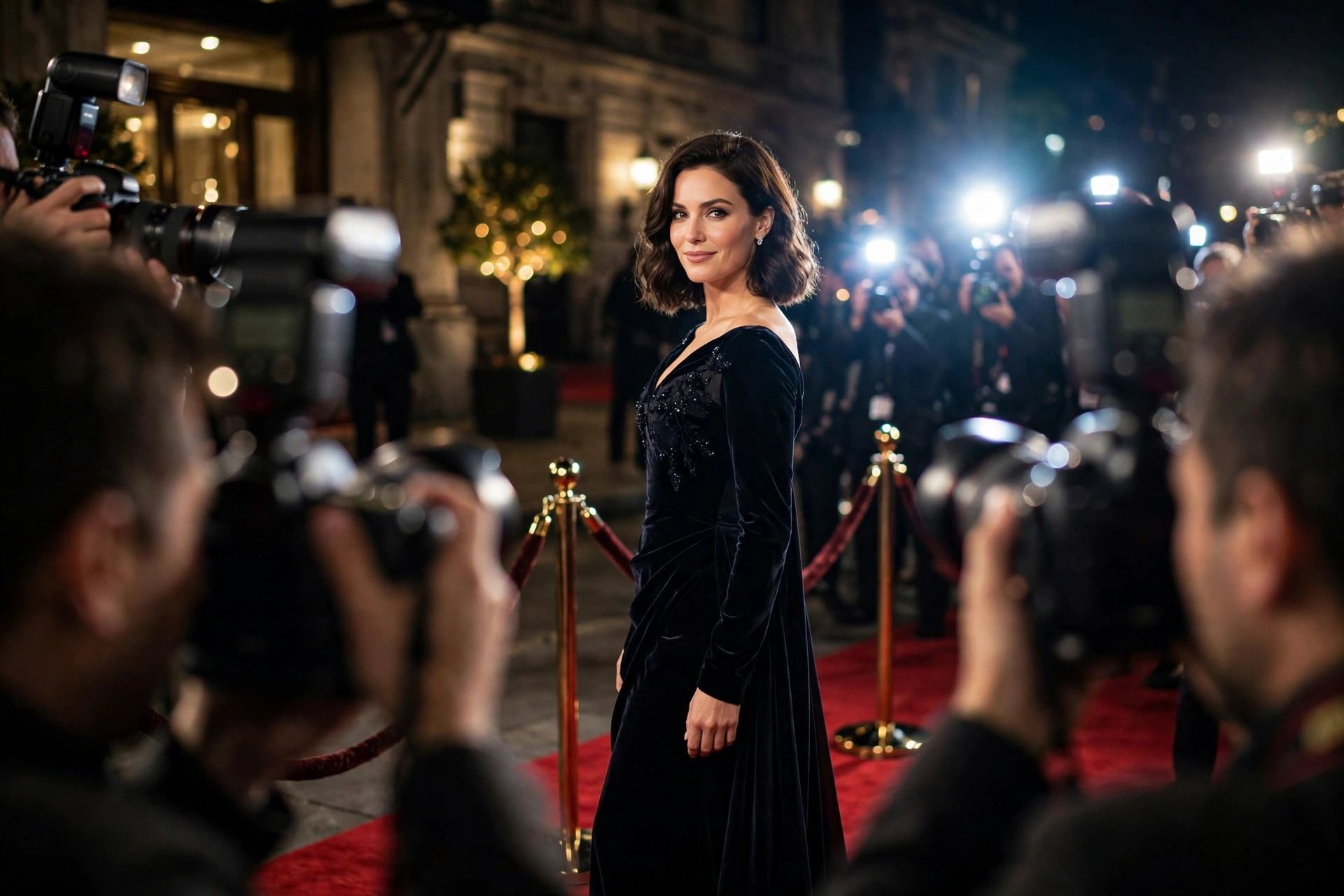
A celebrity endorsement is a paid arrangement in which a famous person lends their name, image, or reputation to promote a company’s product or brand. In plain terms: the brand rents the celebrity’s fame, and the celebrity gets paid — in cash, equity, royalties, or some combination.
Our article on Hollywood Walk of Fame explained covers this in more detail.
The core transaction is simple, but the word “endorsement” covers several different deal shapes:
- Spokesperson deals: The celebrity becomes the face of the brand for a set period — appearing in ads, at events, on packaging. Think multi-year contracts.
- Campaign endorsements: A one-off or seasonal push — a single ad campaign, a product launch, a Super Bowl spot.
- Social media endorsements: Paid posts or stories. Shorter, cheaper, and increasingly where the money flows for mid-tier fame.
- Equity partnerships: Instead of (or in addition to) cash, the celebrity takes an ownership stake. This is the modern power move — it aligns incentives and can dwarf a flat fee if the brand takes off.
- Product collaborations: The celebrity co-designs or co-brands a line — sneakers, makeup, headphones. Part endorsement, part business venture.
What they all share: the brand is buying association. When you buy the product, you’re buying a small piece of the feeling you have about the person.
How Endorsement Deals Actually Work
Behind every glossy ad is a contract, and these contracts are more detailed than most people imagine. Here’s what typically gets negotiated:
The fee structure. The simplest deals pay a flat fee — a lump sum for a defined set of deliverables (three TV spots, two event appearances, twelve social posts). Bigger deals add performance layers: royalties per unit sold, bonuses for hitting sales targets, or equity that vests over time. The most sophisticated modern deals are heavily equity-weighted — the celebrity bets on the brand’s growth alongside the founders.
Exclusivity. Brands almost always demand category exclusivity: if you endorse one soft drink, you can’t touch another. The broader the exclusivity, the higher the fee — you’re selling not just your time but your options.
Morals clauses. Both sides protect themselves. The brand can typically exit (or claw back money) if the celebrity becomes embroiled in scandal; the celebrity’s team negotiates limits so a brand controversy doesn’t trap them either. These clauses get exercised more often than the industry likes to admit.
Approval rights. A-list talent usually negotiates approval over the creative — the scripts, the photos, the final ads. Nobody with a carefully managed image lets a brand improvise with it.
Term and territory. How long, and where. A two-year North American deal costs a fraction of a five-year global one. Every expansion of scope has a price — and the talent’s team (agents, managers, lawyers) typically takes 10–20% combined off the top, before taxes. When you read that a celebrity “made $10 million” from a deal, the take-home is meaningfully less. That’s the part the headlines skip.
Why Brands Pay So Much: The Psychology
It seems irrational until you see the numbers behind it. Brands pay for three things:
Attention. In a media environment where everyone skips ads, a familiar face stops the scroll. Recognition is the scarcest resource in advertising, and celebrities manufacture it on demand.
Trust transfer. Decades of consumer psychology show that positive feelings toward a person bleed into feelings about whatever they’re associated with — the “halo effect.” You don’t evaluate the watch; you evaluate the person wearing the watch. It works even when you know it’s paid. Knowing doesn’t fully undo feeling.
Identity signaling. People don’t just buy products; they buy membership. Wearing what an admired figure wears borrows their identity. Luxury brands understand this better than anyone.
Does it always work? No. Endorsements fail when the fit is wrong — when consumers can’t believe the celebrity actually uses the product, the halo cracks. Authenticity is the load-bearing wall here. The most effective endorsements feel like something the person might genuinely choose.
Famous Examples — and What Each One Teaches
Let’s look at well-known deals, with figures as they’ve been publicly reported (treat every number as approximate — deal terms are private, and publicists round up):
Michael Jordan × Nike. The template for everything. Signed as a rookie in 1984, the partnership became the Air Jordan line — reportedly earning Jordan hundreds of millions over the decades, far beyond his basketball salary. Lesson: the royalty model beats the flat fee when the product becomes a cultural institution.
George Clooney × Nespresso. Reported at around $40 million over the years — a deal Clooney himself has joked about, noting he lent his image to sell coffee while using the platform for his activism. Lesson: a celebrity can treat an endorsement as funding for other priorities, not just income.
Rihanna × Fenty Beauty. Less an endorsement than a co-founded business — reportedly making Rihanna a billionaire on paper at its peak valuation. Lesson: the modern endgame isn’t endorsing someone else’s brand; it’s owning the brand.
The cautionary tales. For every Jordan there’s a brand that paid eight figures for a celebrity whose audience never converted — or worse, a spokesperson deal that blew up in scandal and cost the brand more in crisis management than the campaign ever earned. Fit and due diligence matter as much as fame.
The pattern across the successes: the celebrity’s image and the brand’s identity genuinely rhyme. When they don’t, consumers smell it instantly.
The Risks — for Brands
Endorsements are high-reward and high-risk. The brand-side risks:
- Scandal contagion. The morals clause exists because this happens regularly. A spokesperson’s personal crisis becomes the brand’s crisis overnight, and unwinding a campaign mid-flight is brutally expensive.
- Overexposure. A celebrity endorsing twelve products endorses none of them convincingly. Smart brands check how many other deals the person has. Dilution kills the halo.
- Audience mismatch. Massive fame in the wrong demographic is worthless. A brand needs the celebrity’s audience, not just their fame.
- The authenticity gap. If the endorsement is visibly mercenary — the celebrity clearly doesn’t use the product — it can actively damage the brand. Consumers punish inauthenticity faster than ever.
This is why the best brand partnerships look less like transactions and more like casting: the right person, the right product, the right story. Understanding what a brand actually is (https://www.wedlockcross.com/what-is-branding/) — the promise, the identity, the trust — explains why the fit matters more than the follower count.
The Risks — for Celebrities
It’s not all upside on the talent side either:
- Brand damage. Endorse a product that fails, gets recalled, or turns out to be a scam, and the stink sticks to you. Due diligence cuts both ways.
- Image dilution. Too many endorsements, and the celebrity starts looking like a billboard rather than an artist. The most carefully managed careers are selective — scarcity preserves value.
- The authenticity tax. Audiences, especially younger ones, have finely tuned inauthenticity detectors. One obviously mercenary deal can cost a celebrity more in credibility than it pays in cash.
- Contractual traps. Long exclusivity windows can block better opportunities. A five-year deal signed at the wrong moment costs a fortune in foregone deals.
The celebrities who navigate this best treat endorsements as portfolio management: a few, well-chosen, genuinely fitting partnerships — not a yard sale of their image.

Endorsement vs Sponsorship vs Partnership: What’s the Difference?
People use these interchangeably; the industry doesn’t:
- Endorsement: The celebrity actively promotes and lends credibility — their face, their voice, their reputation on the line. (“I use this. You should too.”)
- Sponsorship: Typically the brand pays to associate with the celebrity’s activity — sponsoring a tour, an event, a show. The celebrity isn’t necessarily claiming to use the product.
- Partnership/collaboration: A deeper, often equity-based relationship — co-creating products, sharing in the business. The modern prestige format.
The lines blur — a “partnership” announcement is often a premium-priced endorsement with better PR. Watch what the contract requires, not what the press release calls it.
How Much Do Celebrities Actually Make From Endorsements?
The honest answer: it varies enormously, and most specific numbers you see are reported estimates, not confirmed figures. But the ranges, as widely reported in the industry:
- Mega-stars (global A-list): Single deals reportedly from $5 million into the tens of millions; the biggest equity deals have created billionaires.
- Established stars: Reported deals commonly in the $1–5 million range per major campaign.
- Mid-tier celebrities and influencers: From tens of thousands to low seven figures, heavily dependent on audience engagement rather than raw fame.
- Micro-influencers: Hundreds to thousands per post — small individually, but brands buy them in bulk.
And remember the take-home math: agents, managers, and lawyers typically take 10–20% combined, then taxes. A “reported $10 million deal” is a very different number in the bank account.

Frequently Asked Questions
A celebrity endorsement is a paid arrangement where a famous person lends their name, image, or reputation to promote a company’s product or brand. The brand buys association — the trust and attention the celebrity commands — and the celebrity is compensated through fees, royalties, equity, or a combination. Deal shapes range from one-off campaign spots to multi-year spokesperson contracts and equity partnerships.
It varies enormously. Global A-list stars reportedly command $5 million to tens of millions per major deal; established stars typically land in the $1–5 million range; mid-tier celebrities earn from tens of thousands to low seven figures. Most published figures are reported estimates — deal terms are private — and the take-home is meaningfully less after agents, managers, lawyers (10–20% combined), and taxes.
In an endorsement, the celebrity actively promotes the product and puts their personal credibility behind it (“I use this”). In a sponsorship, the brand typically pays to associate with the celebrity’s activity — a tour, an event — without the celebrity necessarily claiming to use the product. Partnerships go deeper, often involving equity and co-created products.
Often, yes — when the fit is right. The psychology is well-established: the “halo effect” transfers positive feelings about the celebrity to the product, familiar faces stop the scroll, and consumers buy identity signaling. But endorsements fail when the fit is wrong or feels inauthentic; consumers detect mercenary pairings quickly, and a mismatch can damage both the brand and the celebrity.
A morals clause lets the brand exit or claw back payment if the celebrity becomes involved in scandal or conduct that damages the brand’s image. Celebrities negotiate limits on these clauses so a brand controversy can’t trap them either. They’re exercised more often than the industry likes to admit — scandal contagion is one of the biggest risks in endorsement deals.
Because endorsements can pay far more, far faster, than performance work — a single campaign can exceed a film salary, and equity deals can build lasting wealth. They also diversify income beyond the unpredictability of acting or music careers. The smartest celebrities treat endorsements as portfolio management: a few well-chosen, authentic partnerships rather than a yard sale of their image.
The Bottom Line
A celebrity endorsement is a business deal dressed as a personal recommendation. The brand rents fame, attention, and trust; the celebrity rents out their image at a price set by fit, reach, and scarcity. The deals that work — Jordan and Nike, Rihanna and Fenty — share one trait: the partnership feels true, because the celebrity’s identity and the brand’s identity genuinely rhyme.
Next time you see a famous face selling something, look past the gloss at the machinery: the contract, the exclusivity, the morals clause, the cuts for the team. The glamorous part is fun. But the machinery is where the real story is — and now you know how it works.
For more explainers on the business behind the headlines, browse our celebrity coverage (https://www.wedlockcross.com/category/celebrity/). Gossip is everywhere; accuracy isn’t — but here, it’s the whole point.