How to Peel Garlic Quickly: 4 Methods, Ranked by Situation

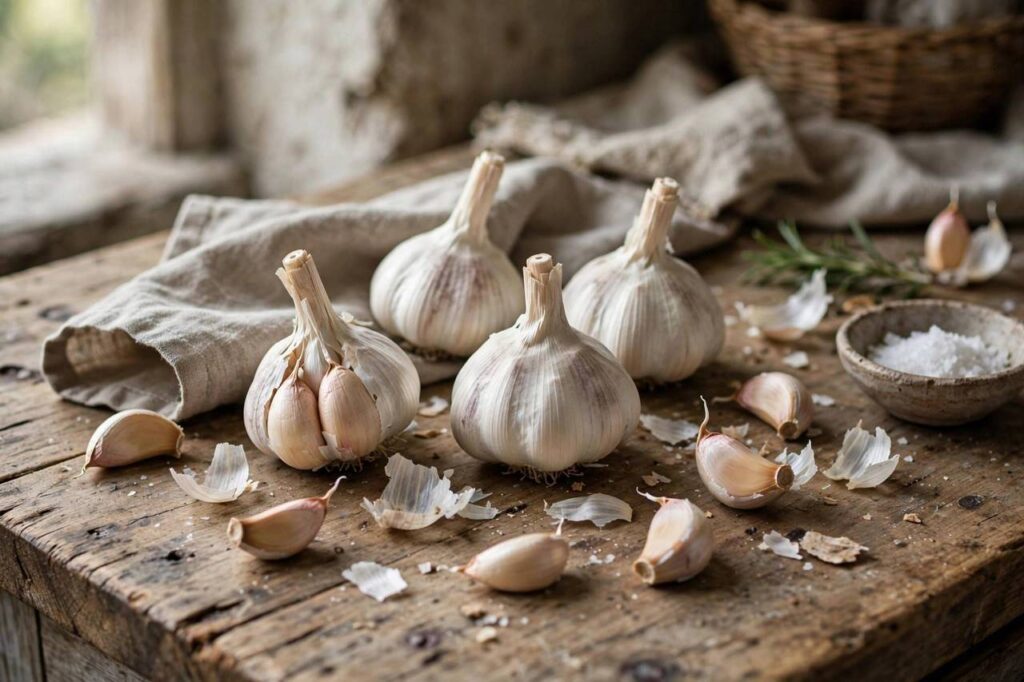
Garlic makes everything better, and peeling it makes cooks miserable. Those papery skins cling like they have a personal grudge, and picking at a dozen cloves with your fingernails is nobody’s idea of a good time. After years of cooking for crowds and for family, I have strong opinions about how to peel garlic quickly, and the most important one is this: the best method depends entirely on how much garlic you need.
Peeling one clove for a weeknight pasta and prepping two heads for a dinner party are different jobs, and they deserve different techniques. This guide compares four methods honestly, tells you exactly when to use each, and settles the question of which one is actually fastest.
How to Peel Garlic Quickly for Bulk Prep: The Shake Method
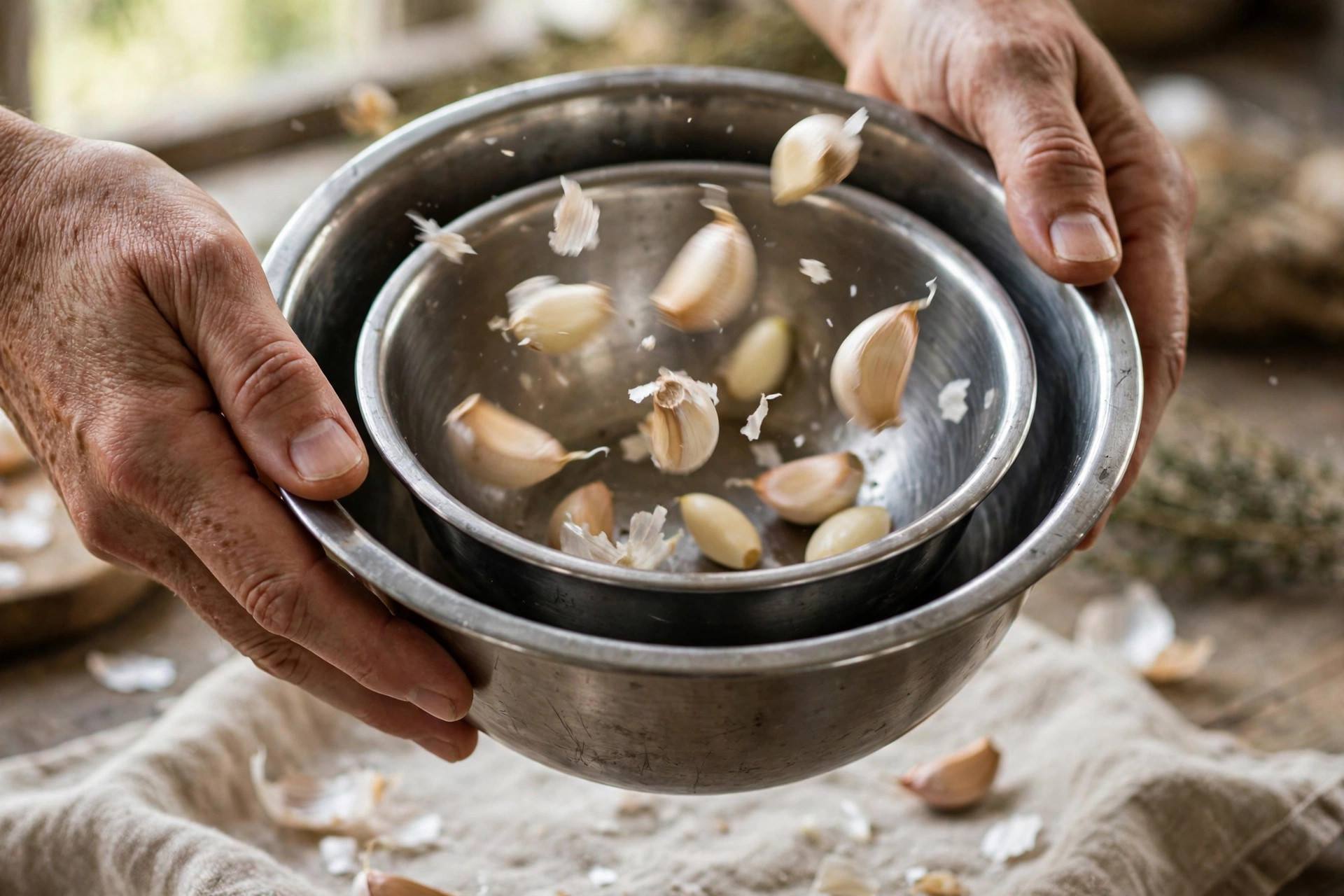
When you need a lot of garlic, nothing beats the shake. Break the head into cloves, drop them into a metal bowl, cover with a second bowl or a lid to make a sealed container, and shake hard for about 30 seconds. The cloves batter against each other and the skins slip right off.
Two bowls with a rim that nests work best; a cocktail shaker or a lidded jar works for smaller batches. The key is vigor: timid shaking does nothing. You want to hear the cloves rattling hard. After 30 seconds, pick out the peeled cloves and give any stubborn ones a second short shake.
This method peels a whole head in under a minute, which is why restaurant kitchens use it. The trade-off is that it bruises the cloves slightly, which is irrelevant for cooking but means shaken garlic doesn’t store as well raw. Peel only what you’ll use.
Method 2: The Knife Press (Best for One or Two Cloves)
For a single clove, the classic chef move is fastest: lay the flat side of a chef’s knife over the clove and give it a firm press with your palm. The skin loosens and practically falls off. Ten seconds, done, no special equipment.
Press, don’t smash. You want to crack the skin, not pulverize the clove into paste. A gentle but decisive press splits the papery skin so you can lift it away in one piece. This is my default for everyday cooking because the knife is already in my hand.
The knife press slightly crushes the clove, which actually helps release flavor faster in hot oil. If your recipe wants whole, pristine cloves for roasting, use a gentler method. For everything else, this is the one.
Method 3: Hot Water Soak (Best for Pristine Cloves)
When you need whole, beautiful cloves, for roasting, confit, or pickling, soak them in hot (not boiling) water for five minutes. The heat loosens the skins’ grip without cooking the garlic, and they slide off with a gentle squeeze.
This is the slowest method on the clock but the gentlest on the clove. It’s my choice when presentation matters or when I’m peeling garlic ahead for a big dinner party where whole roasted heads are going on the table. The cloves come out plump and unblemished, which no shaking method can promise.
Method 4: The Microwave (Fastest Single Clove)
Ten to fifteen seconds in the microwave loosens a clove’s skin remarkably well. Trim the root end first, microwave briefly, and the skin slips off. It’s genuinely the fastest method per clove.
So why isn’t it everyone’s default? Because microwaving starts cooking the garlic, which changes the flavor slightly and makes it unsuitable for recipes where raw garlic bite matters. For cooked dishes, the difference is negligible. For a garlicky aioli or dressing where raw punch is the point, use the knife press instead.
Which Method When: The Quick Decision Guide
| Situation | Best Method | Why |
|---|---|---|
| One clove, weeknight cooking | Knife press | Fastest with tools already in hand |
| A whole head or more | Shake | Peels bulk in under a minute |
| Whole cloves for roasting | Hot water soak | Keeps cloves pristine |
| Single clove, cooked dish | Microwave | Fastest per clove |
| Raw applications (dressings, aioli) | Knife press | Preserves raw flavor |
Storage and Prep Tips
Peel garlic close to when you’ll use it. Peeled cloves lose flavor and dry out within a day or two in the fridge, while whole heads keep for weeks in a cool, dry spot. If you do peel ahead, store cloves in an airtight container in the refrigerator and use within two days.
For big batch cooking, peel a whole head with the shake method and freeze the cloves in a single layer on a tray before bagging them. Frozen garlic grates beautifully straight from the freezer and keeps for months. And save the skins: simmered in stock, garlic skins add depth and a golden color you’d never guess came from something you almost threw away.
Garlic Peeling Gadgets: Worth It or Gimmick?
The market is full of garlic peeling gadgets: silicone tubes you roll cloves in, dedicated peeling cups, crank devices. Here’s my honest verdict after trying most of them. The silicone tube works well for a few cloves and costs almost nothing; it’s the one gadget I’d actually recommend. Roll a clove inside it on the counter and the skin comes off. Simple, effective, easy to clean.
Everything more elaborate than that is a gimmick. Crank peelers and multi-clove devices promise speed but add setup, cleaning, and storage for a job that takes seconds by hand. The shake method in two bowls outperforms every dedicated gadget for bulk, and the knife press beats them all for small amounts. Save your drawer space.
Prepping Garlic Like a Restaurant Kitchen
If you cook with garlic constantly, batch prep changes the game. Once a week, peel a whole head or two using the shake method, then process to your preference: mince and store in olive oil in the fridge for up to a week (the oil prevents oxidation and makes it instantly usable), or freeze minced garlic in teaspoon portions in an ice cube tray.
One food-safety note on garlic in oil: store it refrigerated and use within a week, because room-temperature garlic-oil mixtures can harbor bacteria. Frozen is the safest long-term option and the cubes go straight into hot pans without thawing. A twenty-minute weekly prep session eliminates garlic peeling from your daily cooking entirely.
Roasting Whole Heads: Skip Peeling Entirely
Sometimes the fastest way to peel garlic is not to. For roasted garlic, slice the top off a whole head to expose the cloves, drizzle with olive oil, wrap in foil, and roast at 400°F (200°C) for 35-40 minutes. The cloves turn soft, sweet, and spreadable, and they squeeze out of their skins with zero peeling effort.
Roasted garlic transforms the flavor: the harsh raw bite mellows into something sweet and nutty. Squeeze the roasted cloves onto bread, into mashed potatoes, or into sauces. One head yields a small mountain of golden paste. When a recipe calls for mellow garlic flavor rather than sharp punch, roasting beats every peeling method by making peeling irrelevant.
Frequently Asked Questions
Why does garlic skin stick so much?
The papery skin bonds to the clove as it dries during curing. Fresh garlic peels easily; older, drier heads cling harder. Every method in this guide works by breaking that bond through impact, heat, or moisture.
Is it safe to microwave garlic?
Yes, for ten to fifteen seconds. It softens the skin without any safety concern. Don’t microwave much longer or the clove starts cooking unevenly and can develop hot spots.
Can I buy pre-peeled garlic instead?
You can, but it loses flavor quickly and often has a slightly sour taste from the processing. For the small effort these methods take, fresh-peeled tastes noticeably better. Save pre-peeled for emergencies.
Does smashing garlic really make it healthier?
Crushing or pressing garlic activates an enzyme that produces allicin, the compound behind most of garlic’s studied benefits. Letting pressed garlic rest for ten minutes before cooking maximizes this. It’s a real effect, though modest in dietary amounts.
How do I get the garlic smell off my hands?
Rub your hands on stainless steel under cold running water; the steel binds the sulfur compounds. Lemon juice or salt scrubs work too. The smell comes from compounds that dissolve in neither water nor soap alone, which is why the steel trick outperforms washing.
Does peeling method affect garlic flavor?
Slightly. Methods that crush the clove (knife press, shaking) release more of the compounds that create pungency, which is desirable in cooked dishes. Gentle methods (hot water soak) preserve a milder flavor better suited to raw applications and roasting whole.
What’s the fastest way to peel an entire head of garlic?
The two-bowl shake method: break the head into cloves, seal them between two bowls, and shake hard for 30 seconds. It peels a whole head in under a minute, faster than any gadget or manual method for bulk quantities.
How long does peeled garlic last?
Peeled cloves keep two to three days in an airtight container in the refrigerator before drying out and losing flavor. For longer storage, freeze them: frozen cloves keep for months and grate easily straight from the freezer.
Why do some garlic cloves have green sprouts inside?
The green sprout is the germ starting to grow, common in older garlic. It’s safe to eat but tastes bitter, so remove it for raw applications like dressings. For cooked dishes, the bitterness mostly disappears with heat and you can leave it.
Can I peel garlic ahead for the whole week?
You can peel two to three days ahead if stored airtight in the fridge, but a full week is pushing it; peeled garlic dries out and loses pungency. For weekly meal prep, peel mid-week instead, or freeze peeled cloves, which keep for months.
Is pre-minced jarred garlic as good as fresh?
Not quite. Jarred garlic is convenient and fine for weeknight cooking, but it has a milder, slightly acidic taste from the preservatives. For dishes where garlic is the star, fresh-peeled wins noticeably. Use jarred for background garlic, fresh for foreground garlic.
The Bottom Line
One clove: press it with your knife. A whole head: shake it in bowls. Pristine cloves: soak in hot water. Match the method to the job and garlic prep stops being a chore and starts being the fastest part of cooking.