What Are Esports and How Do They Work? A Beginner’s Guide

If you have ever wondered what are esports and how do they work, here is the short version: esports are competitive video games played at a professional level, with leagues, teams, salaries, and audiences in the millions. If traditional sports are physical contests with balls, esports are mental and reflex contests with keyboards — and the industry around them now rivals the GDP of small countries. Let me walk you through the whole ecosystem like you have never watched a match in your life.
I get the skepticism — “watching other people play games” sounds odd until you realize it is exactly what traditional sports are. Nobody asks why you watch eleven people kick a ball when you could kick one yourself. Same deal. The skill ceiling in top-tier esports is absurd, the drama is real, and the production quality of major events now matches anything on television.
The Major Games
Esports is not one game — it is dozens of separate competitive scenes, each with its own rules, culture, and audience. The big ones:
- League of Legends (MOBA). The giant. Five-versus-five strategy battles, massive global leagues, and a World Championship that fills stadiums. If esports has a flagship, this is it.
- Counter-Strike 2 (tactical FPS). The purist’s esport — two decades of history, no gimmicks, just aim, tactics, and nerve. The Major tournaments are legendary.
- Valorant (tactical FPS). Riot’s newer shooter, built esports-first with a franchised league system. Huge with younger audiences.
- Dota 2 (MOBA). Famous for The International, whose prize pool — crowdfunded by players — has topped $40 million. The most complex game on this list, by a mile.
- Mobile esports. Do not sleep on this: games like Mobile Legends and PUBG Mobile dominate in Southeast Asia and draw audiences that dwarf Western PC events.
- Fighting games, Rocket League, StarCraft, Fortnite, Call of Duty. Each with real scenes, real money, real fans.
Different genres reward different skills: shooters reward aim and reaction time measured in milliseconds; strategy games reward decision-making under pressure; MOBAs demand both plus deep teamwork. There is no single “esports skill” — that is like asking what athletic skill covers both marathon running and boxing.
Leagues, Tournaments, and How Competition Is Structured
Esports competition comes in two main flavors:
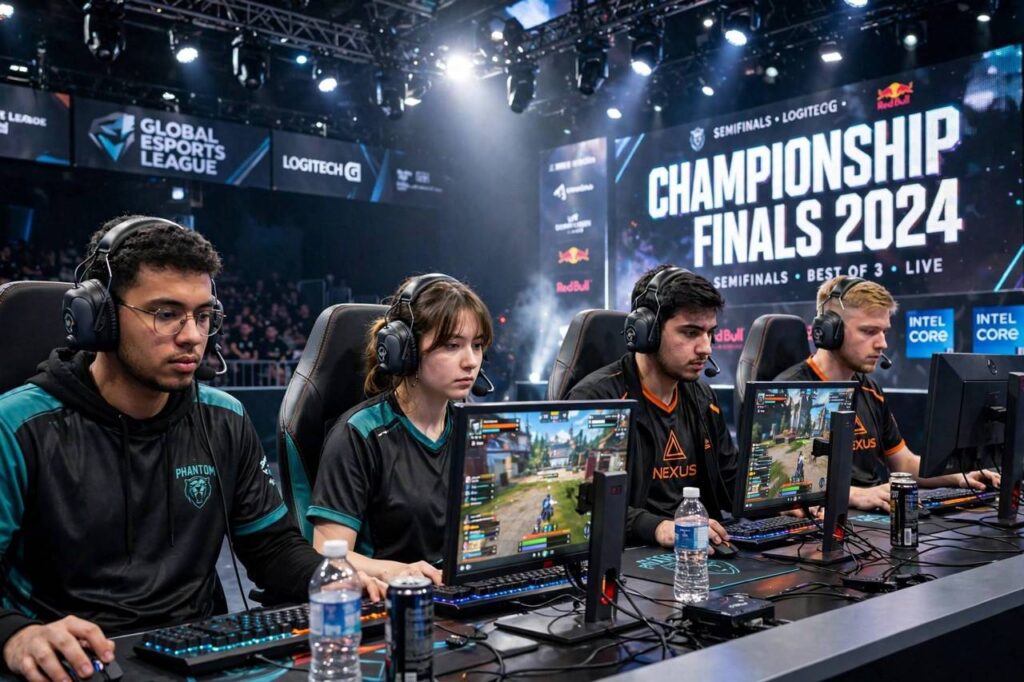
Franchised leagues work like traditional sports leagues: a fixed set of teams, city-based branding (in some titles), regular seasons, and playoffs. Riot’s Valorant Champions Tour and the old Overwatch League followed this model. Teams buy in — sometimes for tens of millions — which brings stability and investor money but locks out underdogs.
Open circuits work more like tennis or golf: anyone can enter qualifiers, and you climb by winning. Counter-Strike’s Major system is the classic example — unknown teams genuinely can (and do) fight their way to the biggest stage. It is more romantic and more volatile.
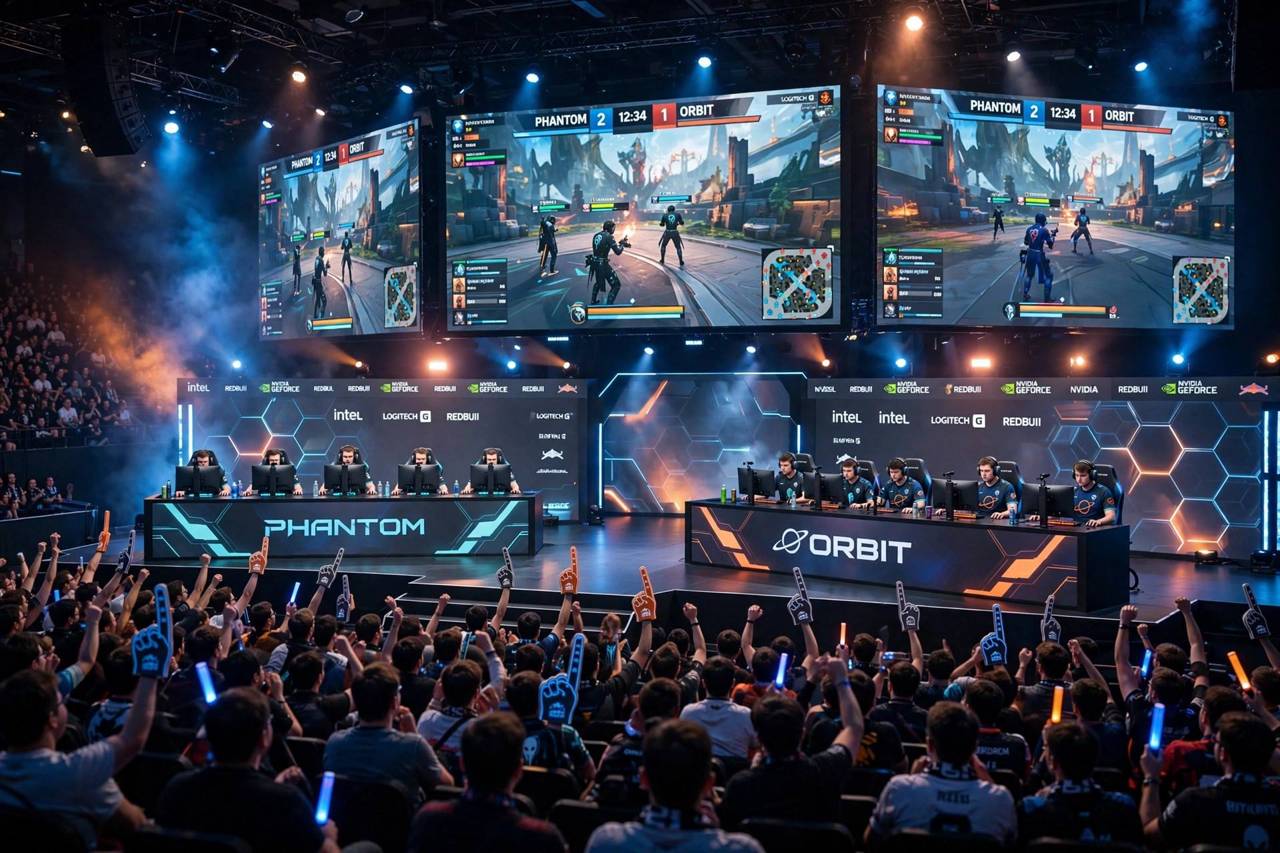
Most titles also run a yearly world championship as the season climax — Worlds for League of Legends, The International for Dota 2, the Majors for Counter-Strike. These are the Super Bowls of their scenes: weeks-long events, millions of viewers, storylines that fans follow for years.
How Players Actually Earn Money
“How do esports players make money?” is the question every parent asks, and the answer is more structured than people expect. Pro income comes in layers:
- Salaries. Top-tier players earn real salaries — five to six figures annually in major leagues, sometimes much more for superstars. This is the stable base.
- Tournament winnings. Prize pools range from thousands at small events to tens of millions at The International. Winnings are usually split among the team (and the organization takes a cut).
- Sponsorships and endorsements. Peripheral brands, energy drinks, PC hardware — the standard athlete sponsorship playbook, adapted.
- Streaming. Many pros stream on Twitch or YouTube, earning from subscriptions, donations, and ad revenue. For some players, streaming income exceeds their salary.
- Content and personal brand. The smart ones build audiences that outlast their playing careers — because playing careers are short (more on that below).
The uncomfortable truth: the money concentrates at the top. A few hundred players worldwide earn life-changing money; thousands of semi-pros grind for modest pay. It is professional sports economics — the pyramid is steep. Careers are also short, typically peaking in the late teens to mid-twenties as reaction times and the grind take their toll, which is why the smart players plan second acts in coaching, casting, or content.
How to Watch: A Beginner’s On-Ramp
Starting esports as a viewer is easier than it looks:
- Pick one game. Do not try to follow five scenes. Choose the game whose genre appeals to you — like shooters? Start with Valorant or Counter-Strike. Like strategy? League of Legends.
- Watch with beginner-friendly casters. Major broadcasts now include “new viewer” streams and explainers. YouTube is full of “esports explained” content for every major title.
- Learn the absolute basics first. You do not need deep strategy — just the win condition, the teams, and what a good play looks like. Ten minutes of a beginner guide per game gets you 80% of the viewing experience.
- Watch live, not just highlights. Highlights show the kills; live matches show the tension, the comebacks, the crowd. Twitch and YouTube host the official broadcasts free.
- Follow a storyline. Pick a team or player and follow their season. Esports fandom works exactly like sports fandom — the narratives (the underdog run, the dynasty, the rivalry) are what hook you.
Cloud gaming is quietly lowering the barrier further — you can now try many competitive titles without an expensive PC, which means the path from viewer to player has never been shorter.
What Are Esports and How Do They Work as a Career Path
Most esports career advice focuses on becoming a pro player — the hardest, shortest, least reliable path in the industry. The smarter question: what are all the other careers inside esports? The industry employs thousands of people who never compete, and many of those jobs are more stable, longer-lasting, and better paid than playing.
The careers around the stage: shoutcasters and analysts (the commentators — ex-players with communication skills do well here), observers (the camera operators of esports, a genuine craft), producers and broadcast crew, event managers, referees and admins who run the competitive integrity side. These are real professions with real salaries, and they exist for every major title.
The careers behind the teams: coaches and analysts (every serious team employs them now), sports psychologists, team managers, content creators and social media staff, sponsorship salespeople. A modern esports organization looks like a small sports franchise — the players are the visible tip of a thirty-person operation.
The careers at the publishers and platforms: game designers who balance competitive play, esports product managers, league operations staff at companies like Riot, tournament organizers (third-party companies that run events globally), and the streaming platforms themselves — Twitch, YouTube Gaming — with entire divisions devoted to esports content.
How to break in: the industry runs on demonstrated passion plus transferable skill. Start creating — cast amateur matches on your own stream, write analysis, volunteer at local LAN events, run a community tournament. The barrier to producing esports content is a computer and an internet connection; the barrier to getting noticed is consistency and quality. Traditional credentials matter less here than a portfolio of work the community has actually seen. I know shoutcasters who started commentating their friends’ games in Discord and now work international events. The path exists — it just does not start with “be one of the 500 best players on Earth.”
And for parents reading this with concern: the industry’s growth means these are increasingly normal careers with normal trajectories — marketing, production, management, coaching. “My kid works in esports” is becoming as unremarkable as “my kid works in sports media.” The playing career is the lottery ticket; the industry career is the job. Aim accordingly.
Frequently Asked Questions
Are esports real sports?
Depends on your definition. If “sport” requires physical exertion, no. If it requires elite skill, training regimens, competition, and audiences, absolutely. The debate is mostly semantic — what matters is that esports involve genuine expertise, professional infrastructure, and millions of invested fans. Several countries now recognize esports athletes for visas and some universities offer esports scholarships.
How old are professional esports players?
Most pros are 16–25, peaking around 19–23 depending on the game. Reaction time matters, but game knowledge and experience matter more — the “too old at 25” narrative is overstated. What actually ends careers is burnout from the brutal practice schedules (10–14 hour days are common), not age alone.
Can you make a living from esports?
A small number of people can, very well. But treat it like aspiring to professional traditional sports: the odds are long, the pyramid is steep, and you need a backup plan. The broader industry — coaching, broadcasting, production, marketing — offers far more sustainable careers than playing.
What is the most popular esport in the world?
By viewership, League of Legends’ World Championship consistently leads in the West, while mobile titles like Mobile Legends dominate Southeast Asian numbers. Counter-Strike has the deepest history. “Most popular” depends on whether you count peak viewers, total hours watched, or regional dominance — they give different answers.
Do I need an expensive PC to get into esports?
To watch: no, just an internet connection. To play competitively: it helps, but many competitive titles run on modest hardware, and cloud gaming services now let you play demanding games on basic devices. Start with what you have; upgrade only if you catch the bug.
What is the biggest esports event in the world?
It depends how you measure. By peak viewership, League of Legends’ World Championship final regularly draws several million concurrent viewers, rivaling major traditional sporting events. By prize money, Dota 2’s The International has awarded over $40 million in a single tournament — the largest prize pool in esports history, crowdfunded by the players themselves through in-game purchases. By history and prestige, Counter-Strike’s Majors carry the deepest legacy. All three are worth watching at least once, whatever game you end up following.
Why It Matters
So what are esports and how do they work? They are professional competitive gaming — structured leagues, real salaries, massive audiences, and skill ceilings as high as any traditional sport. Whether you end up a fan, a player, or a curious observer, the ecosystem is worth understanding: it is where a generation’s competitive instinct lives now. Pick a game, watch a match, and see if the bug bites. It bit the rest of us.