
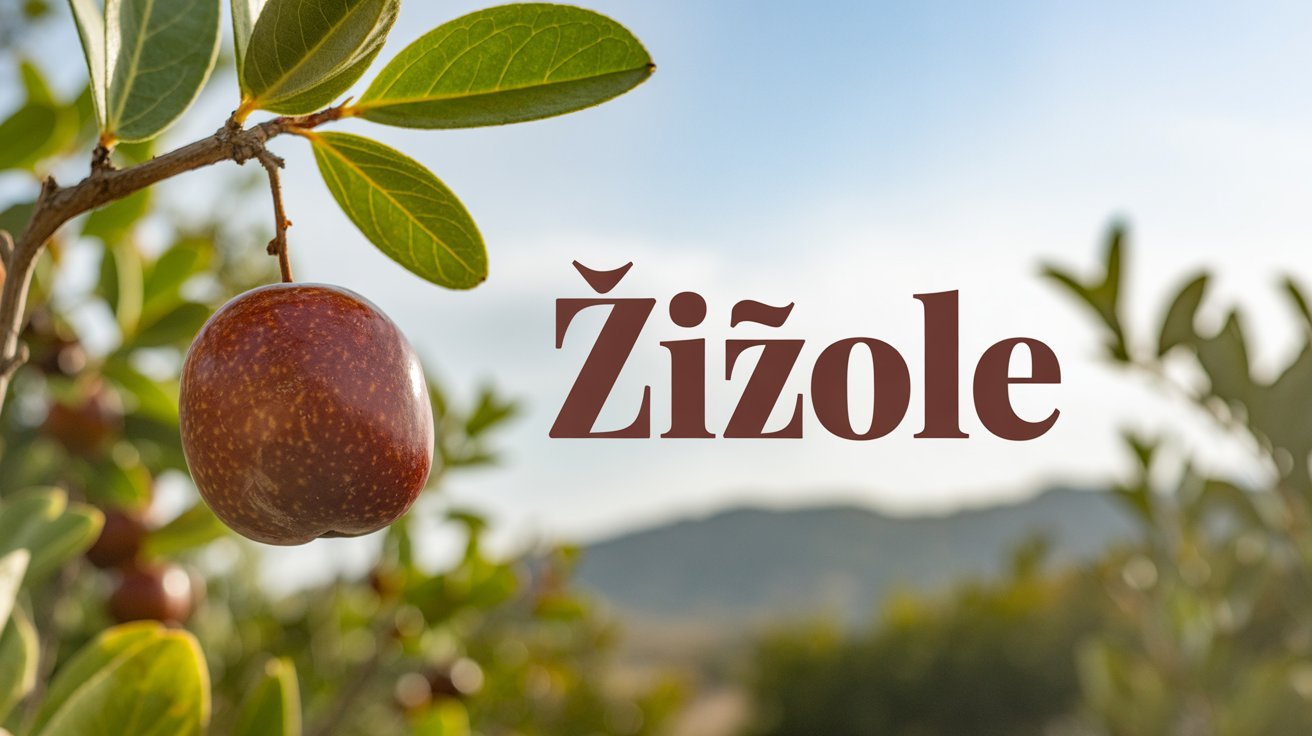
The word žižole carries a distinctive rhythm and visual identity, making it appealing across linguistic, cultural, and creative contexts. Although the term may appear unfamiliar to many people, žižole holds traditional significance in several regions while also gaining modern attention in art, design, branding, music, and digital culture. This in-depth article explores the origins of žižole, how it has been used historically, how it appears in contemporary trends, and why it continues to attract curiosity today. From symbolism and folklore to modern creative adaptation, žižole offers a unique blend of heritage and innovation.
What Is žižole?
At its core, žižole is a traditional word used in certain Slavic and Balkan regions to refer to jujube fruit. These small, sweet, reddish-brown fruits are widely enjoyed fresh, dried, or preserved. Over time, žižole has also taken on extended meanings in cultural storytelling, seasonal traditions, and artisanal crafts. Because of its distinct phonetic pattern, žižole has recently been adopted in creative industries as a brandable, memorable term.
Today, žižole may refer to:
- Traditional jujube fruits
- Cultural expressions in folklore
- Nicknames or symbolic references
- Creative brand names or artistic concepts
- A stylistic word used in modern digital projects
This wide-ranging flexibility explains why interest in žižole continues to grow.
Historical Roots of žižole
The history of žižole dates back generations. The jujube, originally cultivated in Asia, spread gradually into Europe through trade routes. When the fruit reached Mediterranean and Balkan regions, local communities gave it distinct names, including žižole, shaping regional identity through culinary use, seasonal traditions, and rural practices.
In traditional households
Women dried žižole for winter, often hanging them in strings like ornaments. Children gathered them during autumn, and elders used them in simple remedies for digestion and throat health.
In rural markets
Cart vendors sold žižole by the handful, especially during fall festivals or village gatherings.
In folk expressions
The playful sound of the word made it common in storytelling, jokes, and local sayings.
Even today, older generations recall žižole as a symbol of childhood simplicity and natural living.
Cultural Significance of žižole
The cultural connection around žižole is strong, especially in areas where traditions remain part of daily life.
1. Symbol of Autumn
Žižole ripen late in the season, marking the shift from summer warmth to cooler months. Many associate the fruit with harvest season, family gatherings, and outdoor celebrations.
2. Symbol of Sweetness and Resilience
The jujube tree thrives even in challenging climates, creating a symbolic association with endurance and perseverance. This symbolism is often applied metaphorically in poetry and folk art.
3. Traditional Remedies
Because žižole were used in homemade syrups or natural teas, they became connected to healing, care, and community wellness.
4. Linguistic Beauty
The word žižole itself appeals to writers, musicians, and designers thanks to its strong consonants and melodic structure.
These layers of meaning make žižole more than just a fruit—it is a cultural artifact.
Modern Uses and Interpretations of žižole
As digital culture grows, older words gain new life. Žižole is now being used in several modern contexts beyond its agricultural meaning.
A. Branding and Product Naming
Because žižole is short, unique, and visually distinctive, it works effectively as a name for:
- Handmade products
- Clothing lines
- Artisanal goods
- Organic food brands
- Creative studios
Marketers value the fact that the name feels both traditional and modern.
B. Digital Projects
In app design, gaming, and creative coding circles, žižole is admired for its playful visual appeal, making it suitable for:
- Indie apps
- Creative platforms
- Music projects
- Experimental websites
C. Art and Music
The rhythm of žižole has inspired song titles, album names, and abstract artworks. In contemporary visual arts, the word appears in graphic compositions, symbolizing natural roots and simplicity.
D. Cultural Tourism
Regions where žižole fruit is traditionally grown highlight it in local tourism campaigns, heritage events, and culinary tours.
Nutritional and Botanical Insights
Since the original meaning of žižole refers to jujube fruit, it is worth understanding its nutritional value and botanical background.
Nutritional Benefits
Žižole are known for:
- Vitamin C
- Antioxidants
- Natural sugars for quick energy
- Minerals supporting immune function
Botanical Characteristics
The tree is hardy, drought-resistant, and long-lived. This resilience contributes to its symbolic value in folklore and storytelling.
Why žižole Attracts Modern Attention
There are several reasons why žižole is resurfacing in contemporary culture:
Unique Sound
Words with distinct accents or unconventional phonetics often become stylistic assets in branding.
Nostalgic Appeal
Many people seek simplicity and heritage elements. Žižole represents authenticity, nature, and tradition.
Versatile Meaning
Its ability to function as a literal, symbolic, or aesthetic term increases its relevance.
Visual Strength
The diacritics in žižole make it eye-catching in graphic design.
Organic Trend Alignment
As interest in natural foods and herbal wellness grows, žižole fruit becomes more marketable.
This blend of aesthetics and cultural depth makes žižole a word with long-term potential.
Creative Ways žižole Is Used Today
1. Product Packaging
Designers use the word to evoke rustic elegance or natural purity.
2. Short Films & Animation
Žižole has appeared as character names, thematic elements, or symbolic references.
3. Social Media Trends
Users employ the word for aesthetic captions, poetic lines, or mood-based storytelling.
4. Eco-Friendly Branding
Companies that focus on sustainability often adopt names like žižole to project natural identity.
5. Culinary Innovations
Chefs and bakers reinvent traditional žižole fruit treats into modern desserts.
Challenges or Misconceptions
Although žižole has positive cultural associations, some challenges exist:
Mispronunciation
People unfamiliar with Slavic sounds may mispronounce the “ž.” However, this often adds charm rather than confusion.
Narrow Regional Recognition
While popular in certain regions, it may require context for global audiences.
Meaning Stretch
In modern usage, žižole can refer to many things, which sometimes leads to vague interpretation.
Despite these issues, žižole continues to expand in meaning and influence.
Future of the Term žižole
The trajectory of žižole suggests continued growth in:
- Branding
- Digital culture
- Eco-based industries
- Artistic expression
- Cultural tourism
- Culinary reinvention
As more creators revive heritage elements, žižole stands out as a strong candidate for modern reinterpretation.
Conclusion
The word žižole blends history, culture, creativity, and natural symbolism into a single, beautifully distinctive term. From its roots as a traditional fruit to its adoption in branding, art, and digital spaces, žižole remains relevant across generations. Its unique sound, cultural depth, and visual charm ensure that žižole will continue to inspire individuals, creators, and communities far into the future.
FAQs About žižole
1. What is žižole originally?
It traditionally refers to jujube fruit in certain Slavic and Mediterranean regions.
2. Why is žižole popular in modern culture?
Because of its aesthetic appeal, symbolic value, and versatility in branding and creativity.
3. Can žižole be used as a brand name?
Yes, it is distinctive, memorable, and visually strong.
4. Is žižole connected to folklore?
Yes, in many regions it symbolizes resilience, sweetness, and seasonal cycles.
5. Are žižole fruits healthy?
They offer antioxidants, vitamin C, and natural sugars.
6. How is žižole used in design?
Designers appreciate its accented characters for visual appeal.
7. Does žižole have different meanings?
In modern contexts, yes—creative industries often use it metaphorically.
8. Is žižole difficult to pronounce?
Not once learned: ž sounds like “zh” as in “measure.”
9. Can žižole be used in marketing?
Absolutely—it suits natural, artisanal, and artistic products.
10. Will žižole gain more global recognition?
Likely yes, as cultural and eco/aesthetic trends continue to grow.