
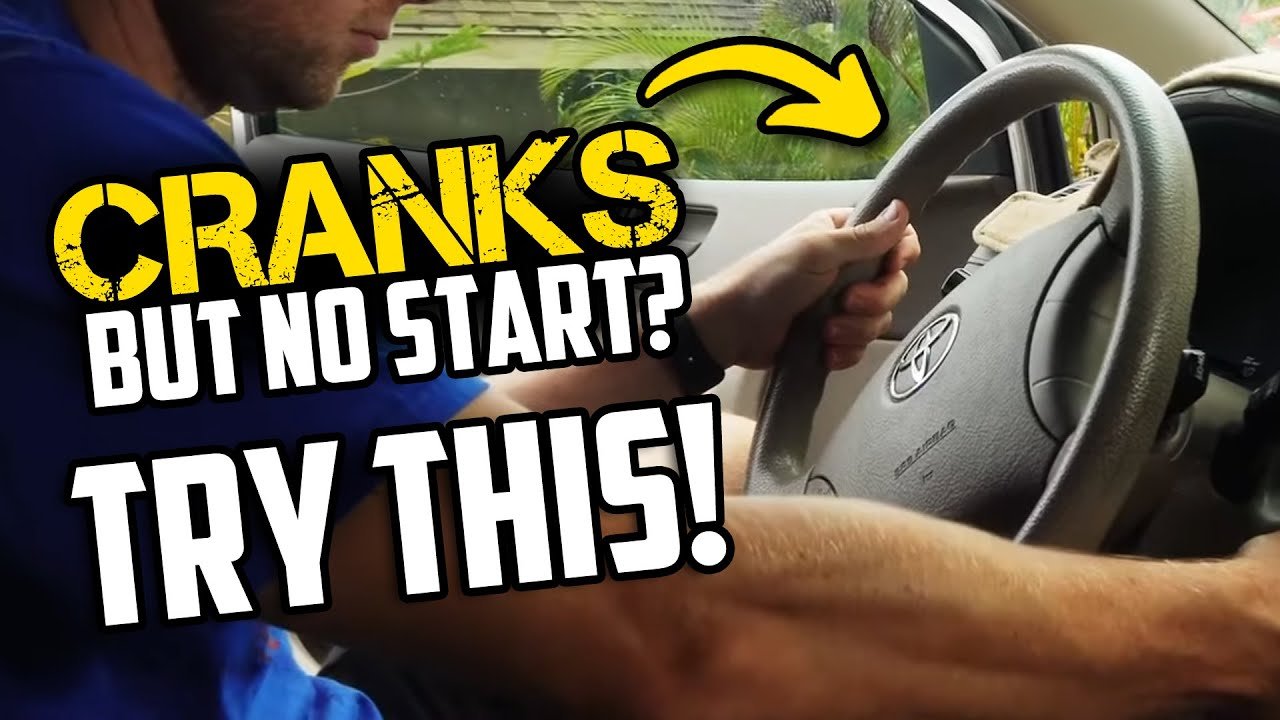
If your car is cranking but not starting, it means the engine is turning over, but it is not firing up. This situation can be confusing because it feels like the car is trying to start but fails at the last moment. Many drivers ask, why is my car cranking but not starting, and the answer usually comes down to a few core systems not working properly.
For an engine to start, it needs three essential elements: fuel, spark, and air. If any one of these is missing or not functioning correctly, the engine will crank but not start.
This guide explains what causes a car not to start even when it is cranking, along with clear symptoms and practical fixes.
What Does Cranking But Not Starting Mean?
When your car cranks, the starter motor is working and the engine is rotating. This tells you that:
- The battery has enough power
- The starter system is functioning
However, the engine is not running because one of the following is missing:
- Fuel delivery
- Proper ignition (spark)
- Correct air-fuel mixture
This is the most common explanation for why does my car turn over but not start.
Fuel System Problems
Fuel-related issues are among the most common reasons for a car cranking but not starting.
Empty Fuel Tank
This is simple but often overlooked. Without fuel, the engine cannot run.
Symptoms:
- Engine cranks normally
- No attempt to start
Fix:
- Refill the tank and try again
Faulty Fuel Pump
The fuel pump sends fuel from the tank to the engine. If it fails, the engine will not receive fuel.
Symptoms:
- Car cranking but not starting
- No humming sound from the fuel tank when turning the key
Fix:
- Replace the fuel pump
Clogged Fuel Filter
A blocked fuel filter restricts fuel flow to the engine.
Symptoms:
- Difficulty starting
- Engine may stall after starting
Fix:
- Replace the fuel filter
Faulty Fuel Injectors
Fuel injectors spray fuel into the engine. If they fail, combustion cannot occur properly.
Symptoms:
- Engine cranks but does not start
- Rough performance if it eventually starts
Fix:
- Clean or replace injectors
Ignition and Spark Issues
If fuel is present but there is no spark, the engine will not start.
Worn Spark Plugs
Spark plugs ignite the fuel-air mixture. If they are worn out, ignition fails.
Symptoms:
- Engine cranks but does not start
- Possible misfiring before failure
Fix:
- Replace spark plugs
This directly answers the common question: can spark plugs cause a car not to start. Yes, they can.
Faulty Ignition Coil
The ignition coil generates the spark needed for combustion.
Symptoms:
- Strong cranking but no start
Fix:
- Replace the ignition coil
Ignition Timing Issues
Incorrect timing means the spark occurs at the wrong moment.
Symptoms:
- Engine struggles to start
- Occasional backfiring
Fix:
- Adjust or repair the timing system
Sensor-Related Problems
Modern vehicles rely heavily on sensors. If one fails, the engine may not start.
Faulty Crankshaft Position Sensor
This sensor tells the engine when to fire the spark.
Symptoms:
- Car cranks but does not start
- Sudden stalling before the issue
Fix:
- Replace the sensor
Faulty Camshaft Position Sensor
This sensor helps control fuel injection and timing.
Symptoms:
- Hard starting
- Irregular engine behavior
Fix:
- Replace the sensor
Mass Airflow Sensor Failure
This sensor measures the amount of air entering the engine.
Symptoms:
- Engine cranks but struggles to start
Fix:
- Clean or replace the sensor
Cold Weather Issues
Low temperatures can make starting more difficult.
Weak Battery in Cold Weather
Cold conditions reduce battery efficiency.
Symptoms:
- Slower cranking
- Car not starting in cold weather
Fix:
- Recharge or replace the battery
Thick Engine Oil
Cold weather causes engine oil to thicken, increasing resistance.
Symptoms:
- Engine cranks slowly
- Delayed starting
Fix:
- Use oil designed for cold temperatures
Mechanical Problems
Some issues are more serious and may require professional repair.
Low Engine Compression
Compression is necessary for combustion. If it is low, the engine will not start.
Symptoms:
- Engine cranks but never starts
- Unusual engine sound
Fix:
- Mechanical inspection and repair
Broken Timing Belt or Chain
The timing belt keeps engine components synchronized. If it breaks, the engine cannot run.
Symptoms:
- Engine suddenly stops working
- Cranks but does not start
Fix:
- Replace the timing belt immediately
Electrical and Security Issues
Immobilizer or Key Chip Problem
Modern cars have security systems that prevent unauthorized starting.
Symptoms:
- Engine cranks but will not start
- Security light remains on or flashes
Fix:
- Use the correct key or reprogram it
Common Situations Explained
Car Cranking But Not Starting Suddenly
If the problem appears suddenly, the likely causes include:
- Fuel pump failure
- Sensor malfunction
- Ignition system issue
Car Cranking But Not Starting After Sitting
When a car has been unused for a while, common causes include:
- Weak battery
- Fuel system pressure loss
- Moisture affecting ignition components
Car Not Starting in Cold Weather
Cold conditions can lead to:
- Reduced battery power
- Poor fuel vaporization
- Thickened oil
What to Check First
If your car is cranking but not starting, follow a simple approach:
- Check the fuel level
- Listen for the fuel pump
- Inspect spark plugs
- Try a jump start
- Scan for error codes if possible
This process helps narrow down what causes a car not to start without unnecessary guesswork.
FAQs
Why is my car cranking but not starting?
The most common reason is that the engine is not receiving fuel or spark.
Why does my car turn over but not start?
It means the engine is rotating, but combustion is not happening due to missing fuel, spark, or air.
Can spark plugs cause a car not to start?
Yes, worn or faulty spark plugs can prevent ignition.
Can a bad alternator cause this issue?
Not directly, but it can lead to a weak battery over time.
How do I know if my fuel pump is bad?
If you do not hear a humming sound when turning the key, the fuel pump may not be working.
Why is my car not starting in cold weather?
Cold weather reduces battery performance and affects fuel and oil behavior.
Conclusion
If your car is cranking but not starting, the situation is usually manageable with a structured approach. Since the engine is turning over, the issue is typically limited to fuel delivery, ignition, or sensor-related problems.
Start by checking the basics such as fuel level and battery condition. Then move toward ignition components and sensors if needed. Most problems can be identified through careful observation of symptoms.
Understanding these causes not only helps you fix the issue faster but also prevents unnecessary repairs.