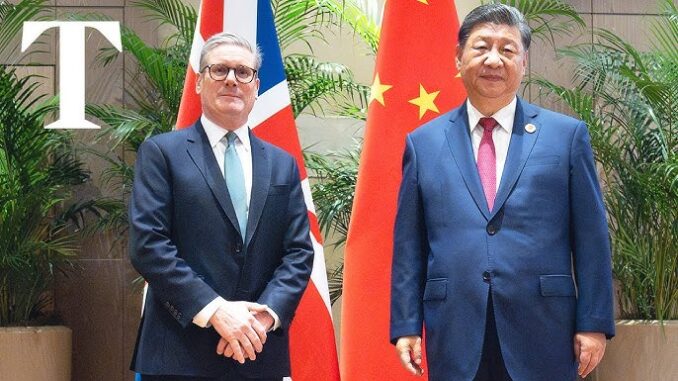
In the wake of escalating geopolitical instability, global leaders are meeting in Europe this week to discuss diplomatic efforts and strategies to manage mounting crises around the world. The gathering has drawn international attention as conflicts from the Middle East to Eastern Europe continue to impact global security, energy markets, and economic cooperation.
Foreign ministers from the Group of Seven (G7) nations — including Britain, France, Germany, Italy, Japan, Canada, and the United States — met on March 26, 2026, in France against the backdrop of ongoing wars in Ukraine and the Middle East. With the United States under scrutiny for its role in foreign policy, the talks underscored rising tensions within the traditionally cohesive alliance.(Reuters)
According to Reuters, the G7 ministers opted not to issue a unified communiqué at the conclusion of their discussions, reportedly to avoid exposing disagreements over how best to address some of the most sensitive global issues. Among the central topics were the implications of the Iran conflict, economic disruptions, and diplomatic strategy on Ukraine’s future. European leaders called for stronger sanctions against Russia and sustained support for Kyiv, while concerns were raised over the U.S.’s opaque approach toward peace negotiations.(Reuters)
Meanwhile, in other regions, leaders are also responding to geopolitical and humanitarian pressures. At the 10th CELAC summit, Latin American leaders made a joint appeal for an immediate ceasefire in areas affected by continued global tensions. This collaborative call reflects growing concern among countries in the Global South over the humanitarian toll of ongoing conflicts and their broader international consequences.(Morocco World News)
Economic stability has also been a central focus of diplomatic efforts. At China’s flagship annual business conference held in Beijing, global and corporate leaders emphasized China’s positioning as a stabilizing force in an uncertain global economy. Discussions there highlighted the ongoing efforts to reassure markets and investors amid geopolitical uncertainty.(Reuters)
Experts suggest that meetings like these — between diplomatic officials and heads of state — are critical in shaping the world’s response to interconnected security, economic, and humanitarian challenges. With energy markets disrupted, trade routes strained, and alliances tested, leaders are under increasing pressure to balance domestic interests with global stability.
As the situation continues to unfold, observers caution that these discussions may mark a turning point in how nations manage diplomatic engagement amid persistent global tensions.
Leave a Reply