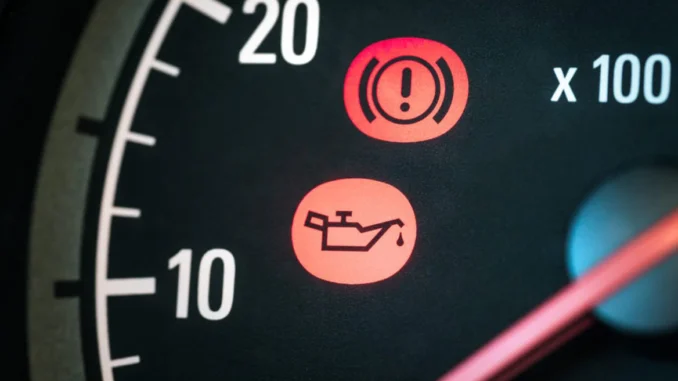

Yes, low engine oil can cause a car not to start—but it’s not a common or direct cause in most cases. If you’re asking can low oil cause a car not to start, the honest answer is: it usually affects engine performance first, but in serious situations, it can prevent starting or even damage the engine.
Understanding how oil works will help you see when it can actually stop your car from starting.
What Engine Oil Really Does
Engine oil is not just for lubrication. It plays several critical roles:
- Reduces friction between engine parts
- Prevents overheating
- Keeps internal components clean
- Helps maintain proper engine compression
When oil levels drop too low, these functions are compromised.
When Low Oil Can Prevent a Car from Starting
1. Engine Seizure (Most Serious Case)
If the oil level is extremely low, engine parts can overheat and seize (lock up).
What happens:
- Internal parts stop moving
- Engine cannot turn over
Symptoms:
- No cranking or very hard cranking
- Clicking or complete silence
- Burning smell before failure
Reality check:
If this happens, the engine may require major repair or replacement.
2. Low Oil Pressure Safety Shutdown
Modern cars have sensors that detect low oil pressure and may prevent the engine from starting to protect it.
Symptoms:
- Car cranks but does not start
- Oil warning light is on
- Engine may have shut off previously
Fix:
- Check and refill oil immediately
- Inspect for leaks
3. Increased Engine Resistance
Low oil increases friction inside the engine, making it harder to turn.
Symptoms:
- Slow cranking
- Engine struggles to start
Fix:
- Refill oil
- Use correct oil grade
When Low Oil Is NOT the Cause
In most everyday cases, low oil will not directly stop your car from starting.
If your car won’t start, it’s more likely due to:
- Battery problems
- Starter motor issues
- Fuel delivery problems
- Ignition system failure
So while low oil is serious, it’s not the first thing to blame in typical no-start situations.
Warning Signs of Low Oil Before Starting Problems
Your car usually gives warnings before reaching the point where it won’t start:
- Oil warning light on dashboard
- Engine knocking or ticking noise
- Overheating
- Burning oil smell
- Reduced engine performance
Ignoring these signs is what leads to bigger problems.
Common Situations Explained
Car Won’t Start and Oil Is Very Low
This could mean:
- Engine has seized
- Safety system is preventing startup
This is a serious condition and should not be ignored.
Car Cranks but Doesn’t Start
In this case, low oil is unlikely the cause. You should check:
- Fuel system
- Spark plugs
- Sensors
Car Suddenly Stopped and Won’t Restart
If this happened along with oil warning signs:
- Engine damage or shutdown may be the reason
What to Check First
If you suspect low oil:
- Check oil level using dipstick
- Add oil if it’s low
- Look for leaks under the car
- Check for warning lights
- Try starting again after refilling
If the engine still doesn’t start, the issue may be elsewhere—or the engine may already be damaged.
FAQs
Can low oil cause a car not to crank?
Yes, in extreme cases where the engine seizes due to lack of lubrication.
Will adding oil fix the problem?
If caught early, yes. But if damage has already occurred, adding oil won’t fix it.
Can low oil cause a car to shut off and not restart?
Yes, especially if oil pressure drops too low or the engine overheats.
Is it safe to drive with low oil?
No. It can cause severe engine damage in a short time.
How often should I check engine oil?
At least once a month or before long trips.
Conclusion
Low oil can cause a car not to start, but usually only in severe situations where engine damage or safety shutdown occurs. In most cases, starting problems are caused by battery, fuel, or ignition issues—not oil.
That said, ignoring low oil is risky. It may not stop your car today, but it can lead to serious engine failure tomorrow. Regular oil checks and timely maintenance are the best way to avoid costly repairs and unexpected breakdowns.
Leave a Reply