
Yes, a blown head gasket can cause a car not to start—but it usually happens in more serious cases. If you’re asking can a blown head gasket cause a car not to start, the answer is: yes, especially when it affects engine compression, coolant, or combustion.
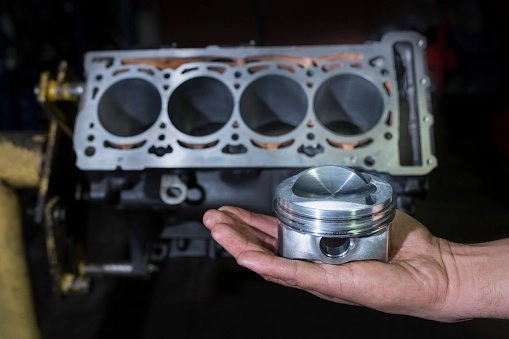
A head gasket sits between the engine block and cylinder head, sealing critical areas so oil, coolant, and combustion gases stay where they belong. When it fails, multiple systems get disrupted—and that can stop your engine from starting.
How a Blown Head Gasket Affects Starting
For an engine to start, it needs:
- Proper compression
- Correct air-fuel mixture
- A working ignition system
A blown head gasket can interfere with all three, especially compression. Without compression, the engine may crank but never fire.
When a Blown Head Gasket Prevents Starting
1. Loss of Compression (Most Common Reason)
The gasket helps seal the combustion chamber. If it fails, pressure escapes.
What happens:
- Cylinders cannot build enough pressure
- Fuel and air won’t ignite properly
Symptoms:
- Engine cranks but does not start
- Weak or uneven cranking sound
- No firing at all
Fix:
- Head gasket replacement (major repair)
2. Coolant Leaking into Cylinders
A blown gasket can allow coolant to enter the combustion chamber.
What happens:
- Spark plugs get wet
- Combustion is disrupted
Symptoms:
- White smoke from exhaust (if it starts briefly)
- Sweet smell from exhaust
- Engine fails to start after overheating
Fix:
- Replace head gasket
- Clean or replace spark plugs
3. Engine Flooding Due to Internal Leaks
Coolant or oil mixing with fuel can prevent ignition.
Symptoms:
- Engine turns over but won’t start
- Strong unusual smell
- Rough running before complete failure
4. Severe Engine Damage or Overheating
A blown head gasket often follows overheating. In severe cases, it can lead to warped engine parts.
What happens:
- Engine components lose alignment
- Internal damage prevents startup
Symptoms:
- Engine stopped suddenly
- Will not restart at all
Signs You May Have a Blown Head Gasket
Before your car completely stops starting, you may notice:
- Engine overheating frequently
- White smoke from exhaust
- Milky oil (oil mixed with coolant)
- Loss of coolant without visible leaks
- Bubbles in radiator or coolant reservoir
- Poor engine performance
These warning signs usually appear before the car fails to start.
Situations Explained
Car Cranks But Won’t Start
If this happens along with overheating history:
- Loss of compression from a blown gasket is likely
Car Suddenly Shut Off and Won’t Restart
This may indicate:
- Severe overheating
- Major gasket failure or engine damage
Car Starts But Runs Very Rough, Then Stops
This can happen when:
- Coolant enters cylinders
- Combustion becomes unstable
When It’s NOT the Head Gasket
A blown head gasket is serious, but it’s not the most common reason a car won’t start.
More common causes include:
- Dead battery
- Faulty starter
- Fuel delivery problems
- Ignition issues
So don’t jump straight to this conclusion without checking basic components first.
What to Check First
If you suspect a blown head gasket:
- Check for white smoke from exhaust
- Inspect engine oil for milky appearance
- Check coolant levels and look for bubbles
- Perform a compression test
- Use a leak-down test for confirmation
These steps help confirm whether the gasket is the real issue behind why your car is not starting.
FAQs
Can a blown head gasket stop a car from starting completely?
Yes, especially if it causes loss of compression or coolant enters the cylinders.
Will the engine crank with a blown head gasket?
Yes, in most cases the engine will still crank but won’t start.
Is a blown head gasket expensive to fix?
Yes, it is a major repair because it involves opening the engine.
Can I drive with a blown head gasket?
It’s not recommended. It can lead to severe engine damage.
What is the first sign of a blown head gasket?
Overheating and white smoke from the exhaust are common early signs.
Conclusion
A blown head gasket can definitely cause a car not to start, but it usually happens after noticeable warning signs like overheating, white smoke, or coolant loss. The most common reason it prevents starting is loss of compression or coolant entering the cylinders.
Before assuming the worst, check simpler causes like battery or fuel issues. But if your car has been overheating and now won’t start, a blown head gasket becomes a strong possibility—and it’s best to address it quickly to avoid further engine damage.
Leave a Reply