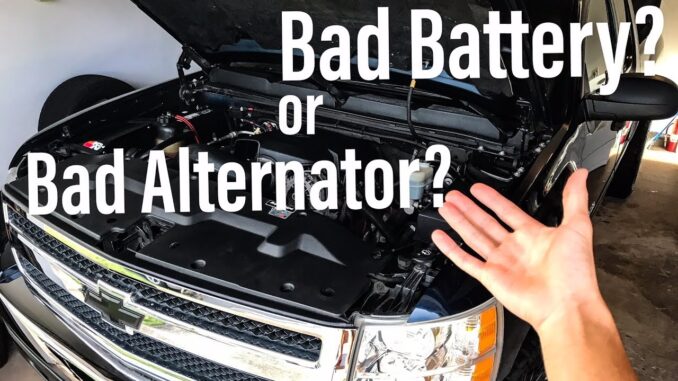

Yes, a bad alternator can cause a car not to start—but not always in the way most people think. If you’re asking can a bad alternator cause a car not to start, the short answer is: yes, but indirectly in most cases.
The alternator’s job is to charge the battery while the engine is running. If it fails, the battery eventually loses power. Once the battery is too weak, your car won’t start.
How the Alternator Affects Starting
To understand the issue, it helps to know the roles of each component:
- Battery: Provides power to start the engine
- Starter: Turns the engine over
- Alternator: Recharges the battery after the engine starts
If the alternator is bad:
- The battery is not recharged
- Electrical systems drain the battery
- Eventually, there is not enough power to start the car
This is a common reason behind why is my car not starting even though it worked fine earlier.
When a Bad Alternator Prevents Starting
A failing alternator usually causes starting problems over time, not instantly.
Battery Drains Completely
If the alternator is not charging, the battery slowly loses power.
Symptoms:
- Car worked fine earlier
- Next time you try to start, it won’t crank
- Clicking sound or no response
What’s happening:
- The battery is dead because it wasn’t recharged
Car Starts with Jump but Dies Again
This is one of the clearest signs of alternator failure.
Symptoms:
- Car starts after jump-start
- Engine shuts off shortly after
What’s happening:
- The alternator cannot keep the engine running
Repeated Dead Battery
If you replace or recharge the battery and it keeps dying, the alternator is likely the problem.
Symptoms:
- Battery goes dead frequently
- Electrical issues appear randomly
Signs of a Bad Alternator
Before your car stops starting completely, you may notice warning signs:
- Dim or flickering headlights
- Battery warning light on dashboard
- Electrical components working inconsistently
- Strange noises (grinding or whining from alternator)
These signs often appear before a complete no-start situation.
Situations Where the Alternator Is NOT the Cause
It’s important to be clear: the alternator does not directly start the car.
If your car won’t start, it could also be:
- Dead or weak battery (independent of alternator)
- Faulty starter motor
- Ignition system issues
- Fuel delivery problems
For example:
- If your car clicks but does not crank, it’s often a battery or starter issue
- If your car cranks but won’t start, it’s usually fuel or spark related
Quick Difference: Alternator vs Battery Problem
| Symptom | Likely Issue |
|---|---|
| Car won’t start at all | Battery or starter |
| Car starts with jump, then dies | Alternator |
| Battery keeps dying | Alternator |
| Lights dim while driving | Alternator |
What to Check First
If you suspect a bad alternator:
- Try jump-starting the car
- Observe if the engine stays running
- Check dashboard warning lights
- Test battery voltage
- Have the alternator tested with a multimeter
This helps confirm what causes a car not to start in your situation.
FAQs
Can a bad alternator cause a car not to start immediately?
Usually no. It causes starting problems after the battery drains.
Will a car run with a bad alternator?
Only for a short time, until the battery loses charge.
Can I drive with a bad alternator?
Not for long. The car will eventually shut off once the battery dies.
How do I know if it’s the alternator or battery?
If the car starts with a jump but dies soon after, the alternator is likely the issue.
Can replacing the battery fix the problem?
Only temporarily. If the alternator is bad, the new battery will also drain.
Conclusion
A bad alternator can definitely lead to a car not starting, but it usually happens because the battery has been drained over time. The alternator itself doesn’t start the engine, but without it, the battery cannot stay charged.
If your car repeatedly has a dead battery or shuts off after starting, the alternator is a strong suspect. Identifying the problem early can save you from getting stranded and prevent unnecessary battery replacements.
Leave a Reply