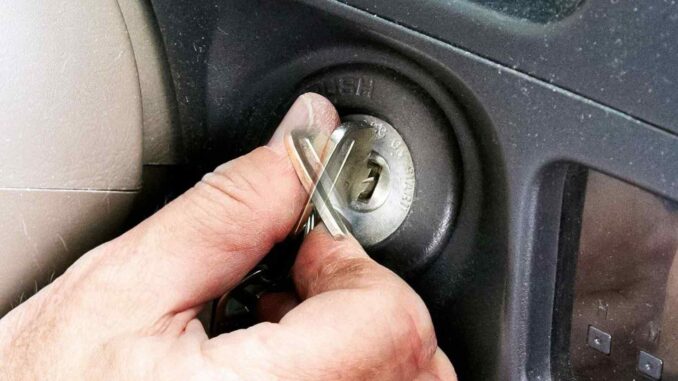
When your car turns over but refuses to start, it can feel like you’re stuck in the middle of a problem without a clear answer. The engine is moving, the starter is working, but the car still won’t run. So naturally, the question comes up: why is my car turning over but not starting?
In simple terms, your engine needs the right mix of fuel, spark, and air at the right time. If even one of these is missing or out of balance, the engine will crank but fail to start. The good part is that this situation usually points to a limited set of problems, which makes troubleshooting easier.
This article walks you through the most important reasons, how to recognize them, and what you can realistically do next.
What It Really Means When Your Car Turns Over But Won’t Start
If your car is turning over, two things are already confirmed:
- The battery has enough charge
- The starter motor is doing its job
So the issue lies deeper in the engine system. Typically, it comes down to:
- Fuel not reaching the engine
- Spark not igniting the mixture
- Incorrect timing or sensor signals
Understanding this helps narrow down what causes a car not to start without wasting time on the wrong components.
Quick Symptom Overview
| What You Notice | What It Often Means |
|---|---|
| Strong cranking, no start | Fuel or ignition issue |
| Cranks and almost starts | Weak spark or fuel delay |
| Starts briefly then stops | Fuel delivery inconsistency |
| Happens suddenly | Sensor or electrical failure |
| Worse in cold weather | Battery or fluid-related issue |
Fuel Delivery Problems
A very common reason behind this issue is that the engine is not getting enough fuel to ignite.
No Fuel Reaching the Engine
Sometimes the problem is as simple as an empty tank or incorrect fuel reading.
What you’ll notice:
- Engine turns normally
- No attempt to fire
What to do:
- Add fuel and try again
- Check if the fuel gauge is working correctly
Fuel Pump Not Working Properly
The fuel pump pushes fuel from the tank into the engine. If it fails, the engine receives nothing.
Signs to look for:
- No sound from the rear when turning the key
- Continuous cranking without ignition
Next step:
- Fuel pump may need replacement
Restricted Fuel Flow
Fuel filters can get clogged over time, especially if not replaced regularly.
Symptoms:
- Delayed starting
- Occasional stalling before complete failure
Solution:
- Replace the filter to restore proper flow
Ignition Problems
Even with fuel present, the engine will not start without a spark.
Weak or No Spark
Spark plugs and coils are responsible for igniting the fuel-air mixture.
Common signs:
- Engine turns over but feels lifeless
- Previous rough running before failure
What helps:
- Replace worn spark plugs
- Inspect ignition coils if the issue continues
This directly answers a common concern: can spark plugs cause a car not to start. Yes, especially when they are worn or damaged.
Timing Not Matching Engine Movement
The engine relies on precise timing between fuel injection and spark.
What happens when timing is off:
- Engine tries to start but fails
- Occasional unusual sounds during cranking
Fix:
- Timing components need adjustment or repair
Sensor and Electronic Faults
Modern vehicles rely heavily on sensors. If one key sensor fails, the engine may not start even though it turns over.
Crankshaft Sensor Issues
This sensor tells the engine when to fire the spark.
Indications:
- Car suddenly stops working
- Cranks but shows no sign of starting
Fix:
- Sensor replacement is usually required
Air Measurement Problems
If the engine receives incorrect air data, the fuel mixture becomes unbalanced.
Symptoms:
- Engine struggles to start
- Inconsistent performance
Solution:
- Clean or replace the airflow sensor
Cold Weather Impact
Temperature changes can make an existing issue worse or create a new one.
Reduced Battery Efficiency
Cold weather lowers battery performance, even if it seemed fine before.
What you may notice:
- Slower engine turnover
- Car not starting in cold weather
What helps:
- Keep the battery fully charged
- Warm the vehicle if possible
Increased Engine Resistance
Cold conditions make fluids thicker, which affects engine movement.
Signs:
- Engine feels heavier during cranking
- Takes longer to attempt starting
Fix:
- Use oil suitable for lower temperatures
Mechanical Conditions
In some cases, the problem is related to the engine’s internal condition.
Low Compression
Engines rely on compression to ignite fuel properly.
When compression is low:
- Engine turns but never starts
- Sound may feel uneven or weak
This usually requires:
- Professional inspection and repair
Timing Belt or Chain Failure
If the timing system breaks, engine components lose synchronization.
What happens:
- Engine suddenly stops working
- Cranks but does not start again
Fix:
- Immediate replacement is necessary
Security System Interference
Modern vehicles include anti-theft systems that can block engine startup.
Key Recognition Problems
If the system does not recognize the key, it may prevent the engine from starting.
Common signs:
- Engine turns over but does not fire
- Security indicator remains active
What to do:
- Try a spare key
- Reprogram the key if needed
Situations You Might Recognize
Car Was Working Fine, Then Suddenly Won’t Start
This usually points to a sudden failure such as:
- Sensor malfunction
- Fuel pump stopping
- Electrical interruption
Car Has Been Sitting for a While
If the vehicle hasn’t been used:
- Battery may weaken
- Fuel system may lose pressure
- Moisture may affect ignition parts
Problem Happens Only in the Morning or Cold
This is often linked to:
- Battery performance
- Fuel vaporization issues
- Temperature-sensitive components
What You Should Check First
If you want a clear starting point, follow this simple order:
- Confirm there is enough fuel
- Listen for fuel system activity
- Check for spark-related issues
- Observe dashboard indicators
- Consider environmental factors like temperature
This step-by-step approach helps narrow down why would my car not start without guessing.
Frequently Asked Questions
Why is my car turning over but not starting?
It usually means the engine is not receiving fuel, spark, or the correct signals to run.
Why does my car turn over but not start suddenly?
Sudden issues often point to sensor failure, fuel pump problems, or electrical faults.
Can spark plugs stop a car from starting?
Yes, if they are worn out or not producing a proper spark.
Is this problem serious?
In many cases, it is not severe and can be fixed once the cause is identified. However, mechanical issues may require professional help.
Does cold weather make this problem worse?
Yes, cold conditions can reduce battery efficiency and affect fuel behavior, making starting more difficult.
Conclusion
When your car turns over but does not start, it is usually a sign that the engine is missing one key element rather than a complete failure. Since the starter and battery are already working, the focus should shift to fuel delivery, ignition, and electronic systems.
The best approach is to stay methodical. Start with simple checks, pay attention to symptoms, and narrow down the possibilities step by step. In most cases, identifying the root cause early can prevent bigger problems and unnecessary expenses.
Leave a Reply