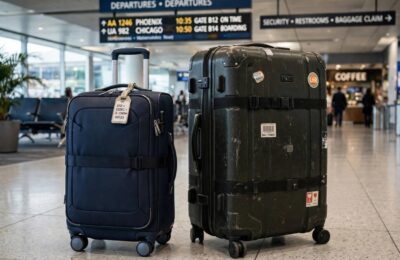

In 2019 I did ten countries in fourteen days. I have the boarding passes to prove it and almost no memories to show for them. I remember airports. I remember a blurry cathedral in one city and a different blurry cathedral in the next. I remember spending $3,400 to feel like I’d been nowhere.
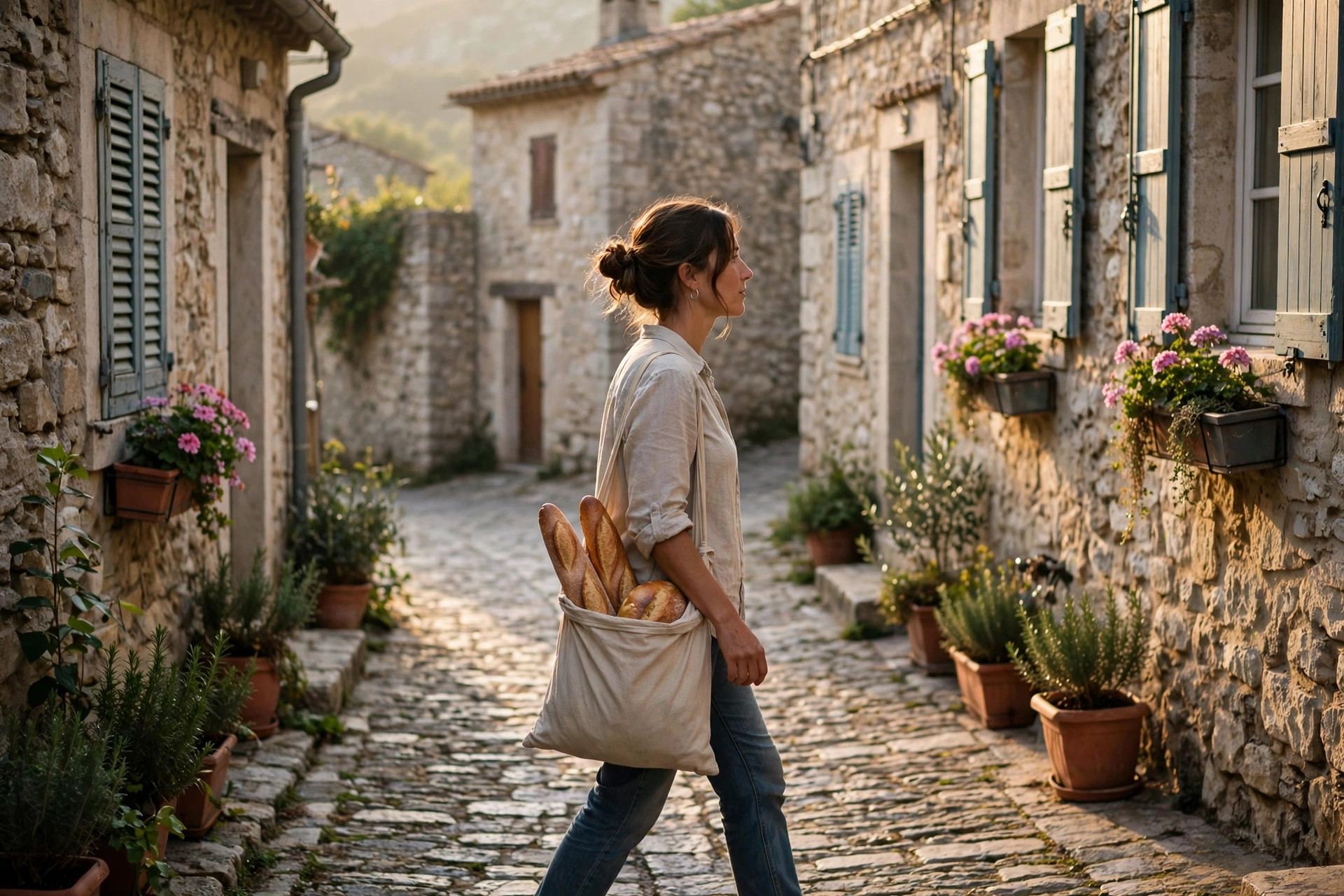
Two years later, I went to one small town in Portugal for three weeks. I learned the bakery lady’s name. I found the beach the locals actually use. I cooked with my host family. I spent $1,900 total. I think about that trip every week. I can barely recall the ten-country sprint.
That is slow travel. Not a trend, not an aesthetic — just the radical idea that staying longer in fewer places gives you more of what you actually traveled for.
What Slow Travel Actually Is
Slow travel means spending more time in fewer places: days instead of hours, weeks instead of days. You trade the checklist for depth. Instead of seeing twelve cities, you learn one neighborhood. Instead of eating at the top-rated restaurant in town on night one, you find the place you go back to three times.
The term comes from the slow food movement in Italy — the idea that fast and good are usually opposites. Applied to travel, it means your itinerary has white space in it. Unscheduled afternoons. The same café twice. A market you visit because it’s Tuesday, not because it’s famous.
Practically, slow travel usually means: staying in one place at least a week (longer is better), using slower transport when you can (trains over planes), renting apartments or homestays instead of hotels, shopping where locals shop, and letting the trip have a rhythm instead of a schedule. That’s it. There’s no certification, no minimum speed. It’s a posture, not a program.
What Slow Travel Is NOT
Let me clear up the three confusions I hear most:
It’s not digital nomadism. Nomads work remotely for months; slow travelers might take a two-week trip and just do it slowly. You don’t need a laptop lifestyle. You need a calendar with room in it.
It’s not a gap year. You don’t need three months. My first real slow trip was nine days in one town, and it rewired how I travel. One week, one place, done properly — that counts.
It’s not about being lazy or doing nothing. Some of my most active days have been slow travel days: a six-hour hike with a local guide, a full-day cooking class, walking every street of a small town. Slow refers to the pace of moving between places, not the pace of living.
And no, it’s not just for rich people with endless vacation. The money math below might surprise you.
The 5 Rules I Travel By Now
After a decade of traveling both ways, these are my rules. Steal them.
1. One base per week, minimum. Every time you change towns you lose a day to packing, transit, and re-orienting. Three towns in a week means three lost days. One town means seven real days.
2. Arrive like you’ll stay. Unpack. Find the grocery store. Learn the bus route. The first 48 hours in slow travel are setup, not sightseeing — and that setup pays off all week.
3. Follow the locals’ calendar, not the guidebook’s. The Tuesday market. The neighborhood festival. The beach on weekday mornings. The best experiences of my slow trips were never in any guide.
4. Spend money slowly too. The sprint-traveler blows the budget on taxis and entry fees. The slow traveler cooks some meals, walks everywhere, and can afford the one splurge that actually matters — because there are fewer of them.
5. Leave something unfinished. A street you didn’t walk. A restaurant you didn’t try. It’s your reason to come back, and it kills the anxious need to “do everything” that ruins fast trips.
The Money Math: My Fast Trip vs My Slow Trip
Real numbers, because this is where people stop believing me.
The sprint (14 days, 10 countries): flights between cities $1,100, hotels $1,400 (13 nights, always the convenient one), taxis and transit $380, food $420 (tourist-zone prices, no kitchen), entry fees and tours $280. Total: roughly $3,580. Memories retained: airports.
The slow trip (21 days, 1 town in Portugal): round-trip flight $520, apartment rental $950 (three weeks, monthly discount, with a kitchen), local transit $60, groceries plus eating out $330. Total: roughly $1,860. For a trip 50% longer. Memories retained: everything.
Slow travel is usually cheaper per day because the expensive parts of travel — transit between places, hotels, tourist-trap food — shrink or disappear. The longer you stay, the more local prices you pay instead of tourist prices. Your landlord gives you the monthly rate. The bakery lady gives you the yesterday’s-bread discount. Time is literally money in travel, and slow travel spends time to save money.

How to Plan Your First Slow Trip
If you have one week: Pick ONE town or small region. Rent an apartment with a kitchen for the full week. Plan exactly two “big” activities for the whole trip — a day trip, a cooking class, a guided hike. Leave the other five days open. I know that feels wrong. Do it anyway.
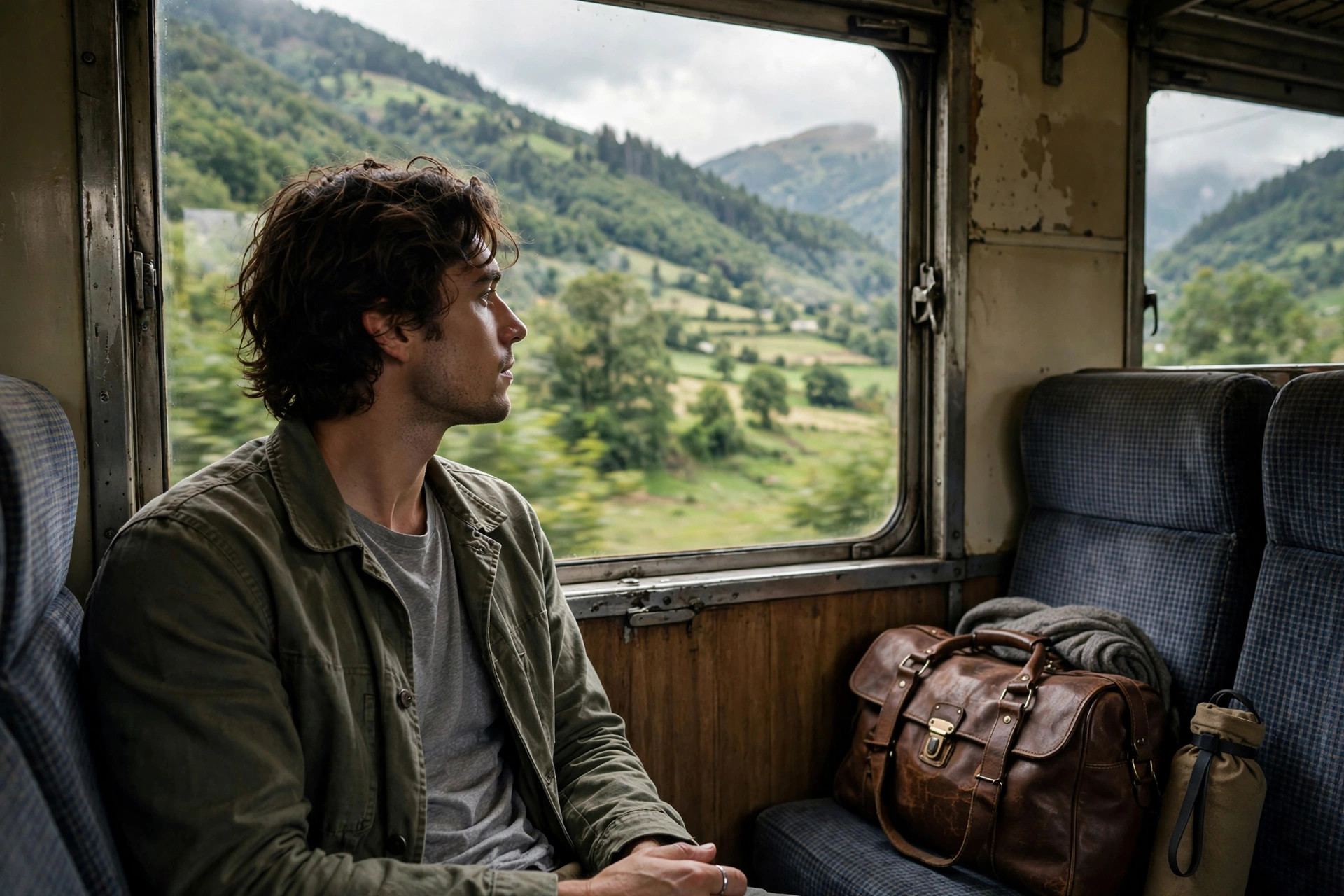
If you have two to four weeks: Pick one region and two bases max. Spend at least ten days in the first before moving. Take the train between them. The train ride itself is part of the trip — some of my best travel hours have been watching countryside go by with no wifi and nowhere to be.
Where to stay: Apartments and homestays beat hotels for slow travel. You need a kitchen, a washing machine, and a neighborhood. I’ve had great luck with local rental agencies (better than the big platforms in smaller towns) and homestay networks where the host actually lives there. Ask the host where they eat. Then go there.
What to pack: Less than you think. You’re doing laundry, you’re not dressing for twelve different occasions. I pack for slow trips with my standard international list and then remove a third of it. You need less when you’re not performing for a new audience every 48 hours.
Where Slow Travel Works Best
Small towns beat big cities — a week in a village teaches you more than a week in a capital. Regions with good train networks are ideal: Portugal, Italy, Japan, Vietnam. Places with a strong food culture reward slowness because eating well takes repetition. Coastal towns, mountain villages, university cities (cheap, lively, walkable) — all excellent.
Where it doesn’t work: If you’re on a once-in-a-lifetime trip to see specific bucket-list sights spread across a country — say, two weeks in Egypt to see the pyramids, Luxor, and the Red Sea — don’t force slowness. See the things. Slow travel is a tool, not a religion. I also wouldn’t go slow in places where I don’t feel safe walking around at night or where the infrastructure makes lingering impractical. The goal is depth, not suffering.
The Objections I Hear (And My Answers)
“I’ll get bored.” You won’t. Boredom in travel usually comes from doing the same tourist circuit on repeat. Slow travel replaces the circuit with a life — markets, routines, people. I’ve never been bored on a slow trip. I’ve been bored in plenty of hotel lobbies.
“My travel partner wants to see everything.” Compromise: pick one base and do day trips. You get depth at home base and breadth on the excursions. It works surprisingly well.
“I only get ten vacation days a year.” Then take one seven-day slow trip instead of two frantic long weekends. You’ll come back more rested, which is the other thing nobody mentions: slow travel is the first kind of vacation that actually feels like rest. There’s a reason burnout recovery and travel pace are linked — stepping off the treadmill matters as much abroad as at home.
“It’s just not my personality.” Maybe. But I’d ask: have you tried it? Most sprint travelers I know never chose the sprint. They inherited it from Instagram itineraries and “36 hours in” articles. Try one slow trip before you decide it’s not you.
Frequently Asked Questions
Slow travel means spending more time in fewer places — days instead of hours, weeks instead of days. You stay in one town or region long enough to learn its rhythms: the local market, the neighborhood café, the bus routes. It trades the checklist of sights for depth of experience, and it usually costs less per day than fast multi-city sprinting.
There’s no official threshold, but the practical rule is one base per week minimum. A single town for seven days, done properly — apartment, local routines, unscheduled time — is real slow travel. The point isn’t a specific number of days; it’s staying long enough to stop being a tourist and start being a temporary local.
Usually yes, per day. The most expensive parts of travel — flights between cities, hotels, taxis, tourist-zone food — shrink when you stay put. Longer stays unlock weekly and monthly rental discounts, you cook some meals, and you pay local prices instead of tourist prices. My three-week slow trip in Portugal cost about half what my two-week ten-country sprint did.
Yes — that’s actually the perfect starter trip. Pick one town, rent an apartment with a kitchen for the full week, plan just two big activities, and leave the rest open. You’ll come home more rested than after a packed week, and you’ll know whether the slow style suits you before committing to anything longer.
Digital nomadism is a work lifestyle — earning remotely while living abroad for months. Slow travel is a trip style that anyone can use, even on a one-week vacation. You don’t need remote work, special visas, or months of time. A nomad might travel slowly, but most slow travelers are just regular vacationers doing it differently.
Pick a small, walkable town with good food and a train station: Portugal’s Alentejo region, small towns in southern Italy, Japan’s countryside, or Vietnam’s Hoi An. University cities are great too — affordable, lively, and walkable. Avoid huge capitals for your first try; they’re the hardest places to slow down in.
The Bottom Line
Slow travel is one base per week, a kitchen, unscheduled afternoons, and the discipline to leave something unfinished. It costs less, rests you more, and gives you the thing you actually traveled for — the feeling of knowing a place, even a little. Start with one town and one week. The bakery lady is waiting.
For more of my travel guides — the real version, costs and mistakes included — browse the travel section.