
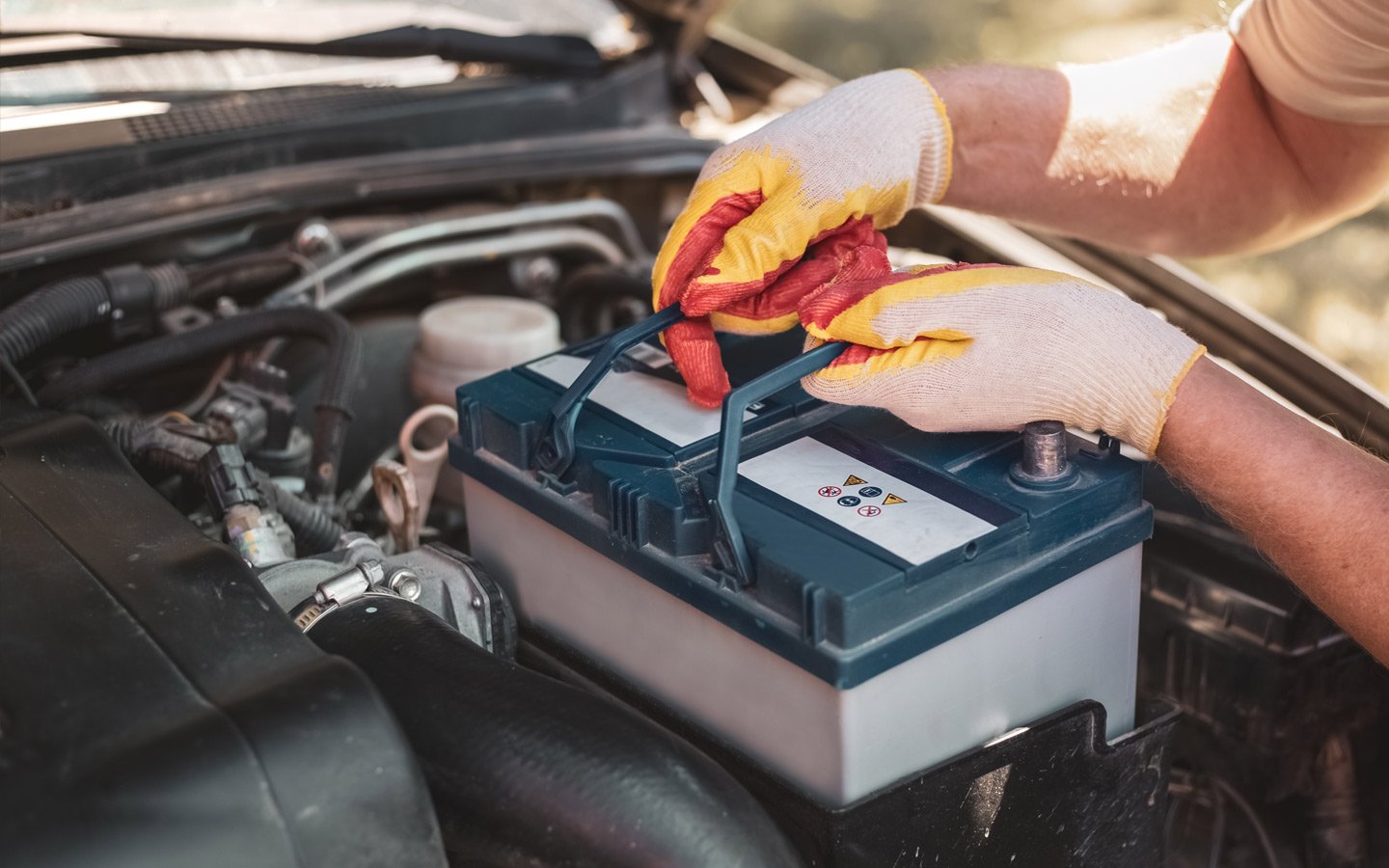
It can be confusing and frustrating when your car refuses to start even after installing a brand-new battery. If you’re asking why is my car not starting with a new battery, you’re dealing with a problem that goes beyond the battery itself. Modern vehicles rely on multiple systems working together—battery, starter, fuel, and electronics—to start properly, and a new battery alone cannot solve all issues.
This guide explains what causes a car not to start even with a new battery, how to diagnose the problem, and practical steps to get your car running.
Understanding the Basics
A car not starting despite a new battery usually means the issue lies in one of the following:
- Starter motor or solenoid
- Ignition system
- Electrical connections and wiring
- Fuel delivery system
- Sensors or ECU-related issues
Even with a fully charged battery, a fault in any of these systems can prevent the engine from turning over or firing.
Quick Diagnosis Table
| Symptom | Possible Cause | Recommended Action |
|---|---|---|
| Engine cranks slowly or not at all | Loose or corroded battery cables | Clean and tighten connections |
| Single click when turning key | Faulty starter motor | Inspect or replace starter |
| Engine cranks but won’t fire | Ignition system or spark plugs | Inspect and replace as needed |
| No start despite clicking lights | Bad ground connection | Check chassis and engine grounds |
| Car starts sometimes, dies immediately | Fuel pump or sensor issue | Test fuel delivery and sensors |
Electrical Connections and Grounding Problems
Loose or Corroded Battery Cables
Even a new battery won’t help if the connections are poor. Loose or corroded terminals can prevent power from reaching the starter and ECU.
Symptoms:
- Car doesn’t crank or cranks slowly
- Dashboard lights flicker
Fix:
- Remove corrosion from terminals
- Tighten cable clamps securely
Poor Ground Connections
Your car needs a solid ground path from the battery to the chassis and engine. A weak ground can prevent starting.
Symptoms:
- Clicking sound when turning key
- Electrical systems behave intermittently
Fix:
- Inspect and clean all ground connections
- Ensure bolts are tight and corrosion-free
Starter Motor and Ignition Problems
Faulty Starter Motor or Solenoid
A new battery can’t compensate for a worn or damaged starter motor.
Symptoms:
- Single click or grinding noise when turning key
- Car cranks intermittently or not at all
Fix:
- Test starter motor
- Replace if faulty
Ignition Switch Malfunction
The ignition switch sends power from the battery to the starter and ignition system. A failing switch may prevent starting even with a new battery.
Symptoms:
- Key turns but nothing happens
- Accessories may not power consistently
Fix:
- Replace ignition switch
Spark Plugs and Ignition Coils
Without a proper spark, the engine won’t fire. Worn plugs or failing ignition coils can prevent starting even when battery power is full.
Symptoms:
- Engine cranks but doesn’t start
- Rough idle when engine does start
Fix:
- Inspect spark plugs and ignition coils
- Replace worn or damaged components
Fuel System Issues
Weak or Failing Fuel Pump
A fuel pump on the verge of failure may not deliver fuel consistently. A new battery won’t solve this problem.
Symptoms:
- Engine cranks but won’t start
- Car may start after multiple attempts
Fix:
- Test fuel pressure
- Replace pump if pressure is insufficient
Clogged Fuel Filter
A clogged filter prevents fuel from reaching the engine reliably.
Symptoms:
- Cranks but fails to start
- Hesitation or stalling after starting
Fix:
- Replace fuel filter according to manufacturer recommendations
Contaminated Fuel
Water or debris in fuel can prevent ignition.
Symptoms:
- Engine cranks but fails to fire
- Rough running when it does start
Fix:
- Drain contaminated fuel
- Refill with quality fuel
Sensor and ECU-Related Problems
Faulty Crankshaft or Camshaft Sensors
These sensors tell the ECU when to inject fuel and spark. If they fail, your engine may not start even with a new battery.
Symptoms:
- Engine cranks but won’t fire
- Check engine light may illuminate
Fix:
- Scan for error codes
- Replace faulty sensors
Engine Control Module (ECM) Issues
A malfunctioning ECM may fail to process battery power or sensor signals properly.
Symptoms:
- No start or intermittent start
- Other electrical anomalies
Fix:
- Professional diagnosis required
- Replace ECM only if confirmed faulty
Other Considerations
Cold Weather Effects
Even with a new battery, cold temperatures can affect oil viscosity, fuel vaporization, and sensor performance, making it harder for your car to start.
Electrical Draw From Accessories
Leaving lights, heaters, or other electronics on can drain a new battery quickly, especially if the alternator or charging system is weak.
What to Check First
- Ensure battery terminals are tight and corrosion-free
- Verify ground connections from battery to chassis and engine
- Test starter motor and ignition switch operation
- Check spark plugs and ignition coils
- Test fuel pump pressure and fuel filter condition
- Scan for sensor or ECU error codes
By following this sequence, you can systematically determine why your car won’t start even with a new battery without replacing unnecessary components.
FAQs
Why does my car not start even with a new battery?
Most often, the problem lies in the starter, ignition, fuel delivery, or sensor systems rather than the battery itself.
Can a new battery be dead on arrival?
Yes, although rare. Always test a new battery under load before assuming other issues.
Could a faulty alternator affect starting?
Yes, a failing alternator may not charge the battery properly, causing starting issues even with a new battery.
Why does the car crank but not fire?
This indicates that electricity reaches the starter, but fuel or spark is not present for combustion.
Should I check the ECU if a new battery doesn’t fix the problem?
Yes, especially if you have intermittent starts or other electrical anomalies.
Conclusion
A car that won’t start despite a new battery usually has problems beyond the battery itself. Start by checking connections, grounds, and the starter, then move to ignition, fuel delivery, and sensor systems.
By systematically diagnosing each component, you can identify the real cause and avoid unnecessary replacements. A new battery is just one part of the starting system—ensuring all components are functioning correctly will get your car running reliably.