
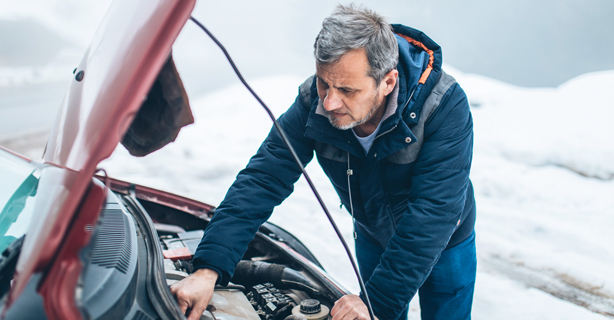
Cold weather can make starting your car a real challenge. If you’re asking why does my car not start in the cold, you’re not alone—this is one of the most common issues for drivers in winter or colder climates. Cold temperatures affect many parts of your vehicle, from the battery to the engine oil, making it harder for your car to crank and start.
This guide will explain what causes a car not to start in the cold, symptoms to watch for, and practical solutions to get your car running reliably.
How Cold Weather Affects Car Starting
When the temperature drops, your car faces several obstacles:
- Battery performance drops: Cold reduces chemical activity in the battery, lowering its power output.
- Engine oil thickens: Thick oil increases resistance, making it harder for the engine to turn over.
- Fuel vaporization slows: Gasoline doesn’t vaporize as easily, which affects combustion.
- Electrical components react slowly: Relays, sensors, and starter motors may work sluggishly.
Understanding these factors helps pinpoint why would my car not start on cold mornings.
Quick Diagnosis Table
| Symptom | Likely Cause | Recommended Fix |
|---|---|---|
| Car cranks slowly | Weak battery | Recharge or replace battery |
| Car cranks but won’t start | Thick engine oil | Use winter-grade oil |
| Car clicks once | Starter motor struggling | Inspect or replace starter |
| Fuel smell but won’t start | Fuel vapor issues | Use fuel additives or higher-octane fuel |
| Engine starts then dies | Cold sensor problems | Replace temperature sensors |
Battery-Related Problems
Weak or Cold Battery
Cold weather drastically reduces battery efficiency. Even a fully charged battery may struggle to deliver enough power.
Symptoms:
- Slow cranking
- Clicking sounds when turning the key
- No start despite lights and electronics working
Fix:
- Keep the battery fully charged
- Replace old or weak batteries before winter
- Consider a battery warmer in extremely cold climates
Corroded or Loose Battery Terminals
Cold exacerbates connection issues, making weak contacts worse.
Symptoms:
- Intermittent starting issues
- Dim dashboard lights
- Clicking sound during cranking
Fix:
- Clean battery terminals
- Tighten connections securely
Starter and Ignition System Problems
Starter Motor Struggling
Cold oil and thickened components increase resistance. A weak starter motor may fail to turn the engine.
Symptoms:
- Single click or grinding noise when turning the key
- Car cranks slowly or intermittently
Fix:
- Inspect starter motor and solenoid
- Replace if necessary
Spark Plug Issues
Cold weather can reveal worn or fouled spark plugs. If plugs fail to ignite fuel properly, the engine won’t start.
Symptoms:
- Engine cranks but doesn’t fire
- Rough idle once started
Fix:
- Check and replace spark plugs if worn
- Ensure correct gap and condition
Fuel System Problems
Thickened Fuel or Poor Vaporization
Gasoline vaporizes less effectively in cold weather. This affects the air-fuel mixture required for combustion.
Symptoms:
- Engine cranks but won’t start
- Hesitation or stalling after start
Fix:
- Use winter-rated fuel
- Consider fuel additives that improve cold starting
- Keep fuel tank at least half full to reduce condensation
Fuel Pump Weakness
Cold temperatures can exacerbate existing fuel pump issues. A weak pump may fail to deliver enough fuel to start the engine.
Symptoms:
- Slow cranking
- Engine sputters before starting
Fix:
- Inspect fuel pump operation
- Replace if performance is weak
Oil and Engine Resistance
Thick Engine Oil
Engine oil viscosity increases in cold weather, making it harder for the engine to turn over.
Symptoms:
- Slow cranking
- Starter struggles even with a strong battery
Fix:
- Use winter-grade oil (lower viscosity) recommended by the manufacturer
- Change oil before the onset of winter
Cold-Weather Sensors and Electronics
Coolant Temperature Sensor Failure
The coolant temperature sensor tells the ECU how much fuel to inject. If it malfunctions in the cold, the mixture may be too lean, preventing ignition.
Symptoms:
- Hard starting in cold weather
- Engine starts and dies immediately
Fix:
- Replace the coolant temperature sensor
- Ensure sensor wiring is intact
Throttle Position and Crank Sensors
Cold can affect sensors responsible for starting and fuel delivery.
Symptoms:
- Engine cranks but won’t fire
- No start only in cold weather
Fix:
- Inspect and replace faulty sensors
- Check sensor connections for corrosion or wear
Quick Tips to Improve Cold Starts
- Keep your battery fully charged and consider a battery heater.
- Use the correct winter-grade engine oil.
- Avoid topping off your gas tank to prevent vapor lock issues.
- Ensure spark plugs and ignition components are in good condition.
- Let the engine crank slightly longer in extremely cold conditions.
FAQs
Why does my car not start in the cold but works fine in warm weather?
Cold weather reduces battery power, thickens engine oil, and affects fuel vaporization, all of which can prevent starting.
Can a weak battery cause cold-weather starting problems?
Yes, cold temperatures reduce a battery’s output by up to 50%, making it a common cause of failure.
Why does my car click in the cold but not start?
Clicking usually means the starter is trying to engage, but the battery or starter doesn’t have enough power to turn the engine.
Will synthetic oil help with cold starts?
Yes, synthetic oils remain more fluid at low temperatures, reducing engine resistance.
How can I prevent cold-start problems?
Regular maintenance: battery check, winter-grade oil, clean terminals, and functional spark plugs.
Can fuel additives improve cold starts?
Yes, additives that improve fuel vaporization or prevent freezing can help in extreme conditions.
Conclusion
Cold weather can make starting your car challenging, but most problems are preventable with simple preparation. The primary culprits are weak batteries, thick oil, poor fuel vaporization, and sensor issues. Start by ensuring your battery is strong, using winter-appropriate engine oil, and maintaining fuel and ignition systems.
By understanding why your car does not start in the cold and taking preventive measures, you can reduce frustration and ensure reliable performance even on the coldest mornings.