
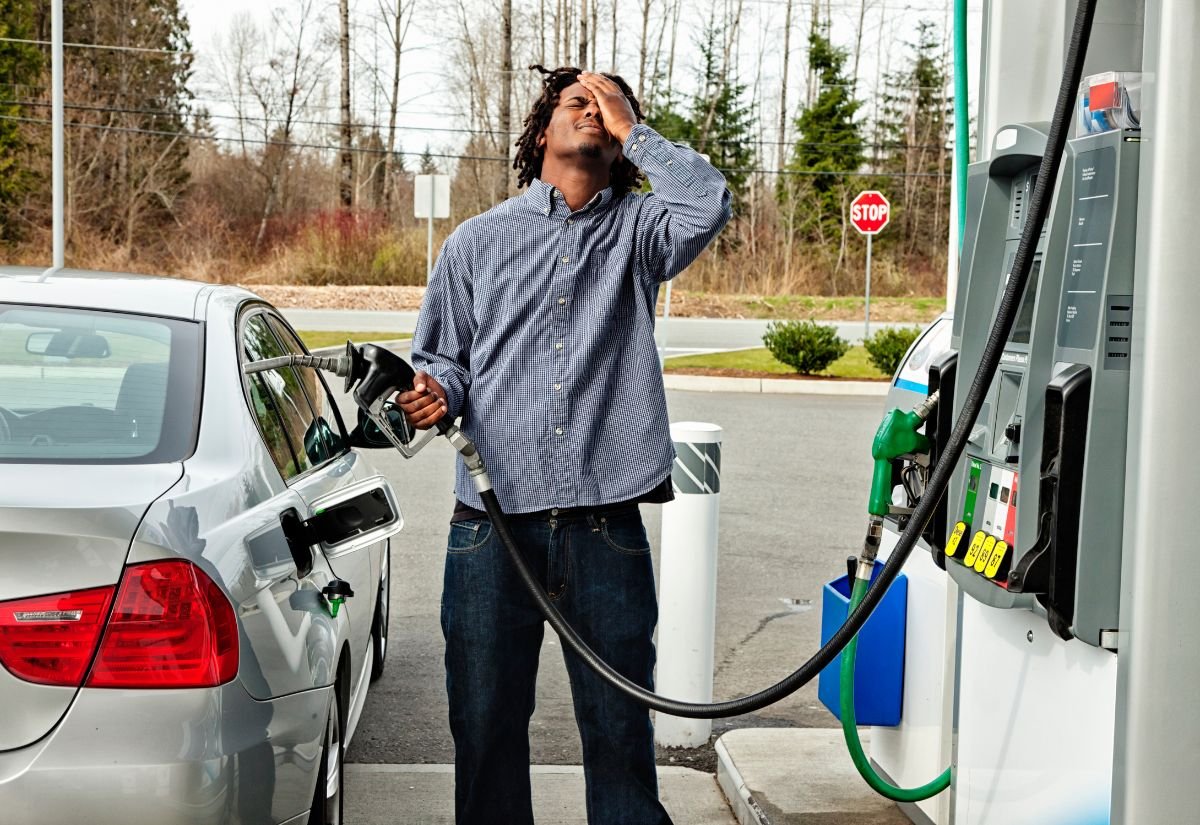
You stop at a gas station, fill up your tank, get back in your car… and suddenly it won’t start. It’s an unexpected and frustrating situation. If you’re asking why does my car not start after getting gas, you’re not alone. This is a fairly common issue, and in most cases, it’s linked to the fuel or emissions system.
The important thing to understand is that refueling can sometimes disturb sensitive components in modern vehicles. When something goes wrong during or right after filling up, the engine may crank but fail to start.
This guide explains what causes a car not to start after refueling, how to recognize the symptoms, and what you can do to fix it.
What Happens When Your Car Won’t Start After Refueling?
If your car does not start after getting gas, it usually means:
- The engine is not receiving the correct air-fuel mixture
- Fuel vapors are interfering with combustion
- A component in the fuel system is not working properly
In many cases, the engine may still crank, which means the battery and starter are working. This narrows the problem down to fuel delivery or related systems.
Quick Diagnosis Table
| Symptom | Likely Cause | What It Means |
|---|---|---|
| Cranks but won’t start after fueling | EVAP system issue | Fuel vapors affecting engine |
| Hard start after filling tank | Purge valve problem | Excess fuel vapor intake |
| Starts after multiple tries | Flooded engine | Too much fuel entering engine |
| No start immediately after gas | Bad fuel or contamination | Fuel quality issue |
| Check engine light appears | EVAP fault | Emissions system malfunction |
EVAP System Problems (Most Common Cause)
The EVAP (Evaporative Emission Control System) manages fuel vapors. It prevents harmful gases from escaping into the air.
Faulty Purge Valve
This is the most common reason a car struggles to start after getting gas.
Issue:
The purge valve controls how fuel vapors enter the engine. If it gets stuck open, too many vapors enter the engine, disrupting the air-fuel mixture.
Symptoms:
- Car cranking but not starting after refueling
- Rough idle after finally starting
- Hard starting immediately after fueling
Fix:
- Replace the purge valve
Stuck EVAP Vent Valve
Issue:
The vent valve regulates airflow in the fuel system. If it fails, pressure builds up.
Symptoms:
- Difficulty starting after refueling
- Fuel tank pressure issues
Fix:
- Replace the vent valve
Fuel System Issues
Refueling can sometimes introduce or expose fuel-related problems.
Overfilling the Gas Tank
Topping off the tank after the pump stops can push fuel into the EVAP system.
Symptoms:
- Car struggles to start after fueling
- Strong fuel smell
Fix:
- Avoid overfilling
- Let excess fuel evaporate
Bad or Contaminated Fuel
Poor-quality fuel or water contamination can prevent proper combustion.
Symptoms:
- Engine cranks but won’t start
- Rough running if it starts
Fix:
- Drain and replace fuel
- Use high-quality fuel from reliable stations
Fuel Pump Weakness
Refueling can sometimes expose an already weak fuel pump.
Symptoms:
- Car does not start after getting gas
- Delayed starting
Fix:
- Replace the fuel pump
Air and Sensor-Related Problems
Modern engines rely on accurate air-fuel balance.
Mass Airflow Sensor Issues
Issue:
Incorrect air measurement leads to improper combustion.
Symptoms:
- Hard starting after fueling
- Engine hesitation
Fix:
- Clean or replace the sensor
Oxygen Sensor Problems
Issue:
Incorrect readings affect fuel mixture.
Symptoms:
- Poor engine performance
- Increased fuel consumption
Fix:
- Replace oxygen sensor
Flooded Engine Condition
Sometimes, too much fuel enters the engine during or after refueling.
Excess Fuel in Engine
Issue:
The engine gets flooded and cannot ignite properly.
Symptoms:
- Strong smell of fuel
- Engine cranks but does not start
Fix:
- Wait a few minutes before trying again
- Press accelerator slightly while starting (in older vehicles)
Electrical and Timing Factors
Although less common, these can contribute.
Weak Battery
Refueling itself does not cause battery issues, but a weak battery may fail at that moment.
Symptoms:
- Slow cranking
- Multiple attempts needed
Fix:
- Recharge or replace battery
Ignition Problems
If spark components are weak, the engine may fail to start after refueling.
Symptoms:
- Cranking without ignition
- Occasional misfires
Fix:
- Inspect spark plugs and ignition system
Situations You Might Notice
Car Won’t Start Immediately After Getting Gas
This is most often caused by:
- Faulty purge valve
- Overfilled fuel tank
Car Starts After Waiting a Few Minutes
This usually indicates:
- Excess fuel vapors clearing out
- Temporary flooding
Car Has Trouble Starting Every Time You Fill Up
This strongly points to:
- EVAP system malfunction
- Purge valve stuck open
What to Check First
If your car does not start after getting gas, follow these steps:
- Wait a few minutes and try again
- Avoid pressing the accelerator excessively
- Check for fuel smell
- Observe dashboard warning lights
- Note if the issue happens after every refuel
This approach helps identify what causes a car not to start after fueling without unnecessary repairs.
FAQs
Why does my car not start after getting gas?
The most common reason is a faulty purge valve allowing too much fuel vapor into the engine.
Why does my car crank but not start after filling up?
This usually means the air-fuel mixture is disrupted by fuel vapors or a fuel system issue.
Can overfilling the gas tank cause starting problems?
Yes, it can push fuel into the EVAP system and affect engine performance.
Is this problem serious?
In most cases, it is not serious and can be fixed by replacing a small component like the purge valve.
Why does my car start after waiting a few minutes?
Because excess fuel vapors or flooding clears out, allowing proper combustion.
Should I keep driving if this happens?
Yes, but you should get it checked if the problem repeats frequently.
Conclusion
If your car does not start after getting gas, the issue is usually related to the EVAP system or fuel delivery rather than a major mechanical failure. The most common cause is a faulty purge valve, especially if the problem happens consistently after refueling.
Start by observing patterns, such as whether the issue occurs every time you fill up or only occasionally. Avoid overfilling the tank and use quality fuel to reduce the chances of this problem.
By understanding the root cause and acting early, you can fix the issue quickly and avoid more expensive repairs later.